
Ribes × culverwellii
Also known as: Information to be completed
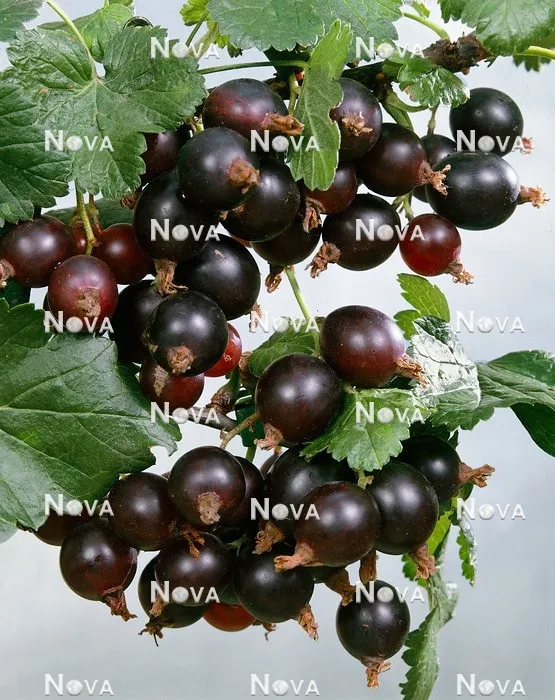
An upright, thornless shrub, up to around 1.8m high, with lobed and toothed green leaves, and dark purple, edible berries in summer. This hybrid was an early direct cross between blackcurrant and gooseberry, and resulted in variable plants, some of which had limited fruiting capacity. The name is often misapplied to more modern, complex and high yield hybrids commonly known as jostaberries
Scientific classification
- Species
- Ribes × culverwellii (Ribes × culverwellii)
- Genus
- Ribes
- Family
- Grossulariaceae
- Information to be completed
- Toxicity
- Shrubs
- Plant type
- 1.5-2.5 metres
- Height
- 1-1.5 metres
- Spread
- Deciduous
- Foliage
- Columnar upright · Bushy
- Habit
- Spring · Summer
- Season of interest
- Full sun · Partial shade
- Sunlight
- Information to be completed
- Ideal temperature









Ribes × culverwellii pictures
Distribution of Ribes × culverwellii
Distribution map
Information to be completed
Information to be completed
Culture
Information to be completed
Toxicity
Information to be completed
Quick identification of Ribes × culverwellii
Information to be completed
Ribes × culverwellii care guide
- Moderate deep watering during dry periods, free drainage preferred
- Watering
- Full sun · Partial shade
- Sunlight
- Information to be completed
- Ideal temperature

Watering
Moderate deep watering during dry periods, free drainage preferred
Fertilizing
 Fertilizing
Balanced shrub feed once in spring
Pruning
 Pruning
Prune sparingly when young; replacement prune from year 3 onwards, removing some old stems to encourage new growth from the base
Propagation
 Propagation
Propagate by hardwood cuttings in the dormant season
Growing
 Growing
Tolerates a range of conditions but thrives in a sunny site with well-drained but moisture-retentive soil. Grow as blackcurrants, see blackcurrant cultivation for more detailed advice
People also ask
Information to be completed
Common pests and diseases
Diseases
Generally disease-free, with some resistance to gooseberry leaf spot and gooseberry mildew
Pests
May be susceptible to birds eating fruits
Explore the plant health library →




