
saucer plant
Also known as: Information to be completed
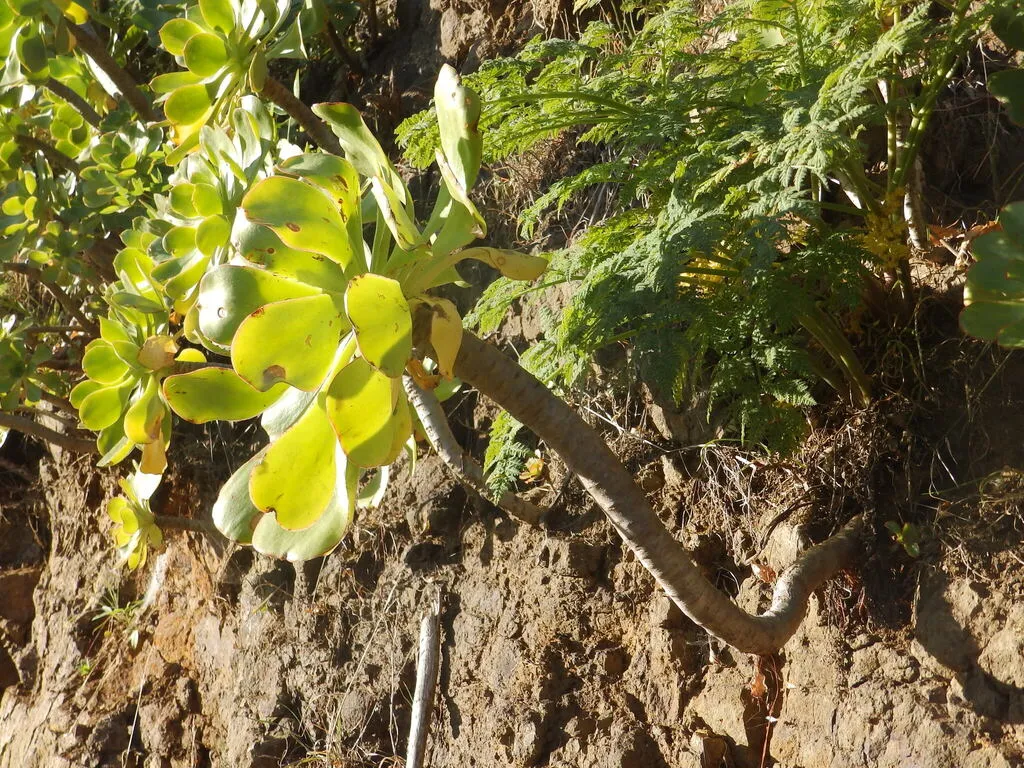
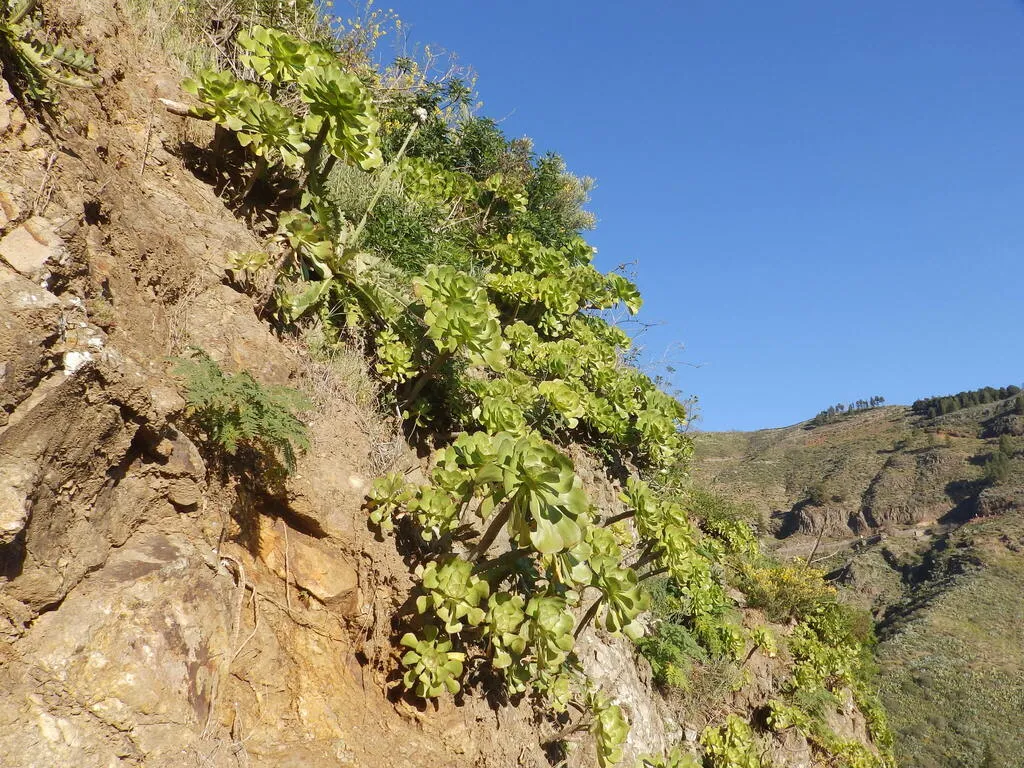
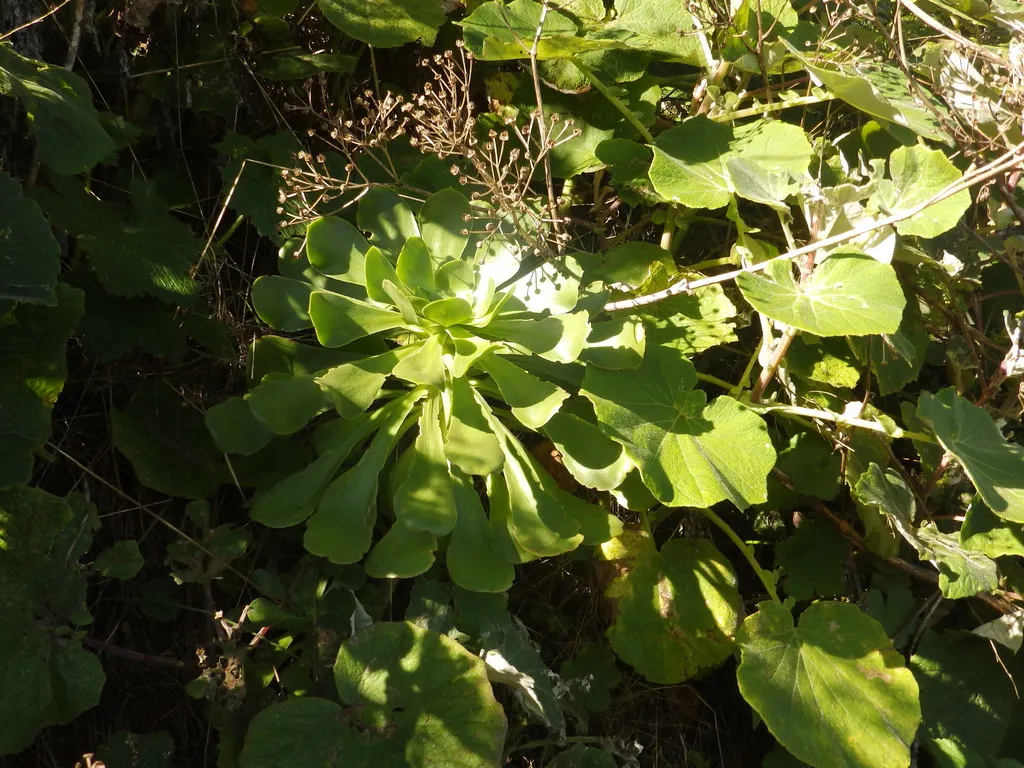
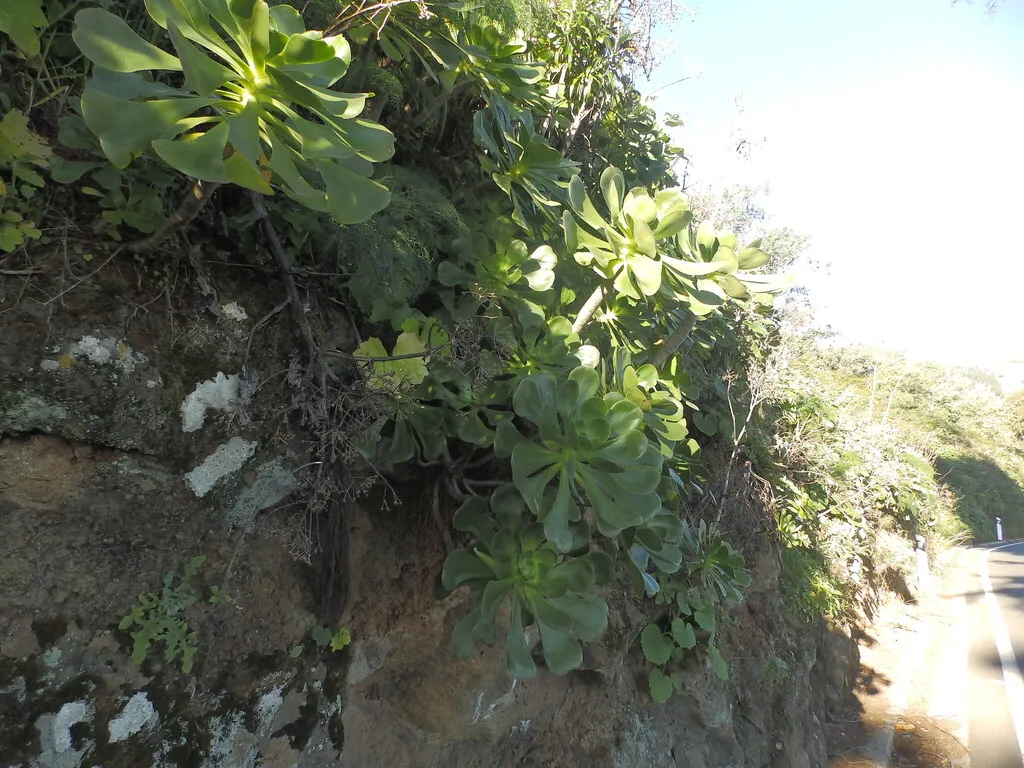
A succulent, evergreen subshrub to 25cm in height, with terminal rosettes of fleshy, tongue-shaped, glossy leaves to 15cm in length, tinged with red. Flowers small, yellow, in large conical panicles
Scientific classification
- Species
- saucer plant (Aeonium undulatum)
- Genus
- Aeonium
- Family
- Crassulaceae
- Information to be completed
- Toxicity
- Cactus Succulent · Conservatory Greenhouse
- Plant type
- 0.1-0.5 metres
- Height
- 0.1-0.5 metres
- Spread
- Evergreen
- Foliage
- Bushy
- Habit
- Spring · Summer · Autumn · Winter
- Season of interest
- Full sun
- Sunlight
- Information to be completed
- Ideal temperature









saucer plant pictures
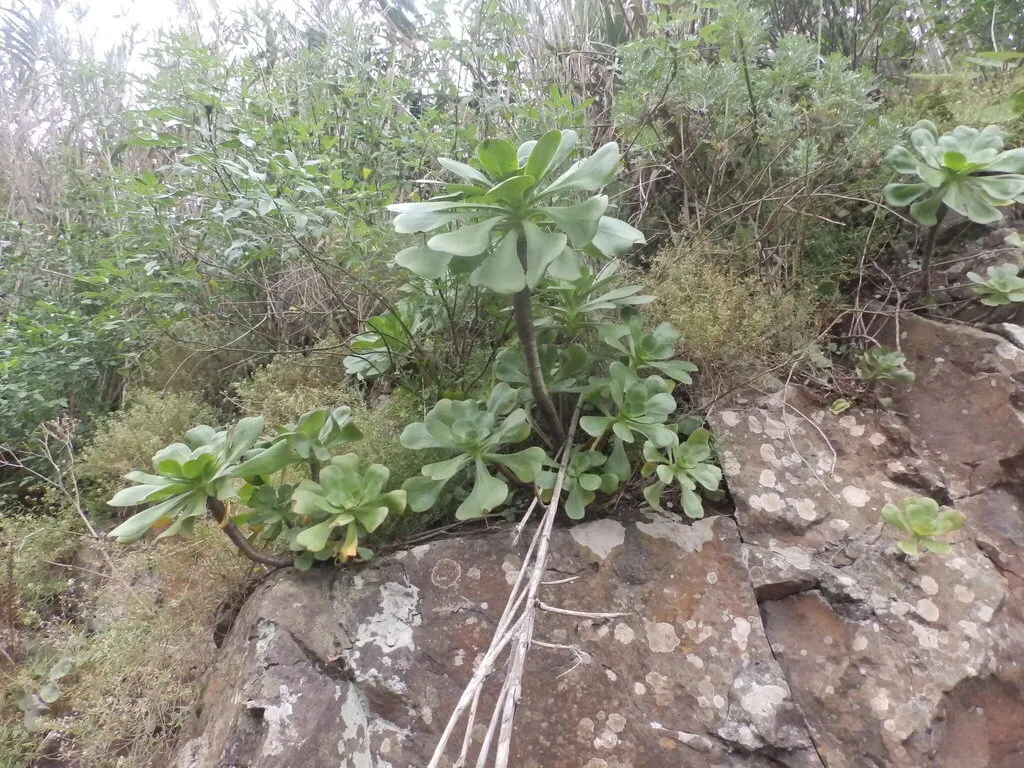
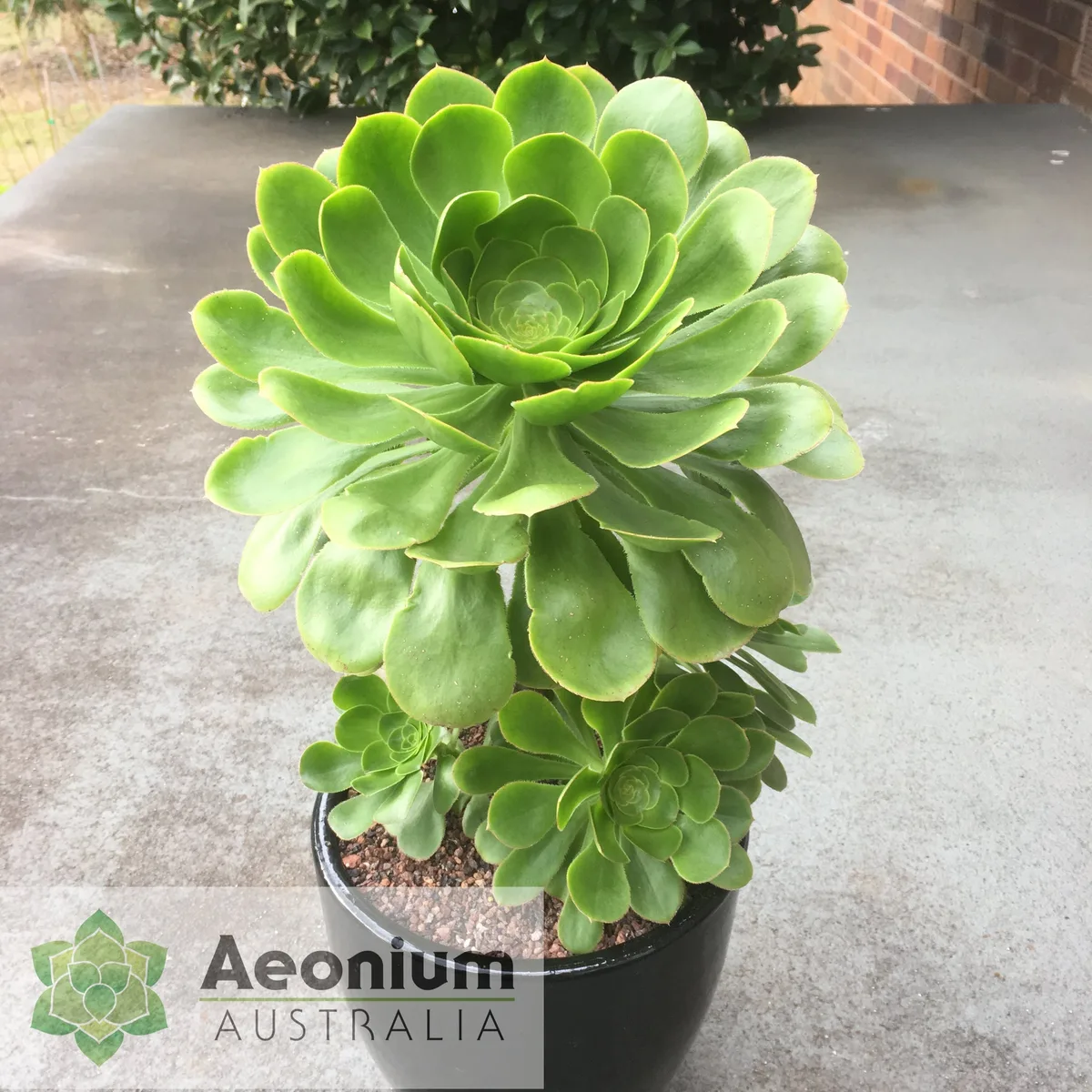
Distribution of saucer plant
Distribution map
Gran Canaria
Information to be completed
Culture
Information to be completed
Toxicity
Information to be completed
Quick identification of saucer plant
Information to be completed
saucer plant care guide
- Water very sparingly, allowing soil to dry completely between waterings; avoid wet rosette.
- Watering
- Full sun
- Sunlight
- Information to be completed
- Ideal temperature

Watering
Water very sparingly, allowing soil to dry completely between waterings; avoid wet rosette.
Fertilizing
 Fertilizing
Apply a dilute cactus/succulent fertilizer twice during the active growing season.
Pruning
 Pruning
No pruning required
Propagation
 Propagation
Propagate by seed sown at 19-24°C in spring or by cuttings of rosettes kept at 18°C and barely moist until rooted
Growing
 Growing
Grow under glass in a standard cactus compost, in full light. When in growth water freely and feed every two or three weeks with a low nitrogen liquid feed. Keep almost dry in the winter. See houseplant cacti and succulent cultivation for further advice
People also ask
Information to be completed
Common pests and diseases
Diseases
Generally disease-free
Pests
May be susceptible to aphids and mealybugs
Explore the plant health library →




