
Victoria Christmas bush
Also known as: Victoria dogwood; Victorian dogwood; Victorian mint tree; Australian lilac; Australian mint tree
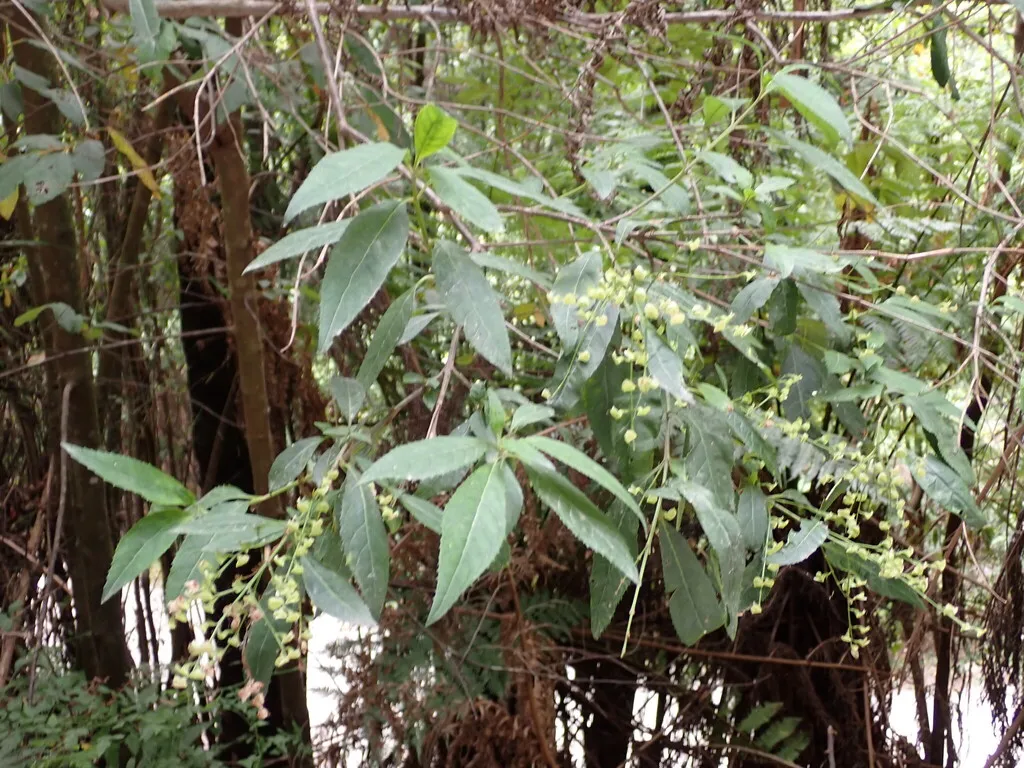
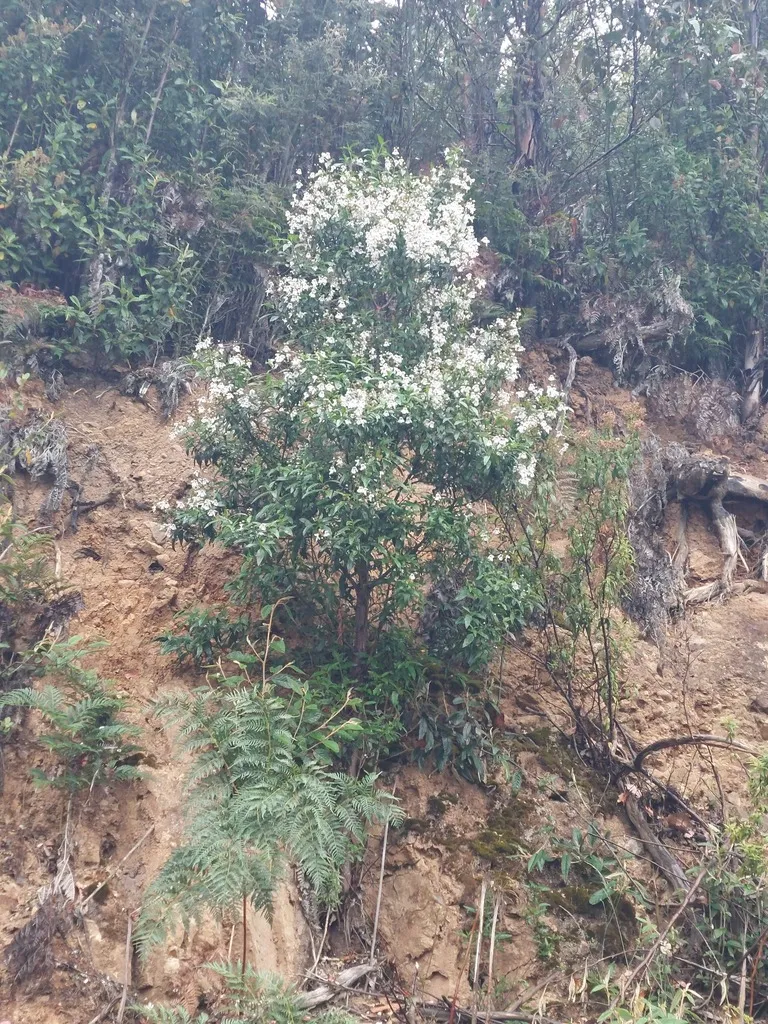
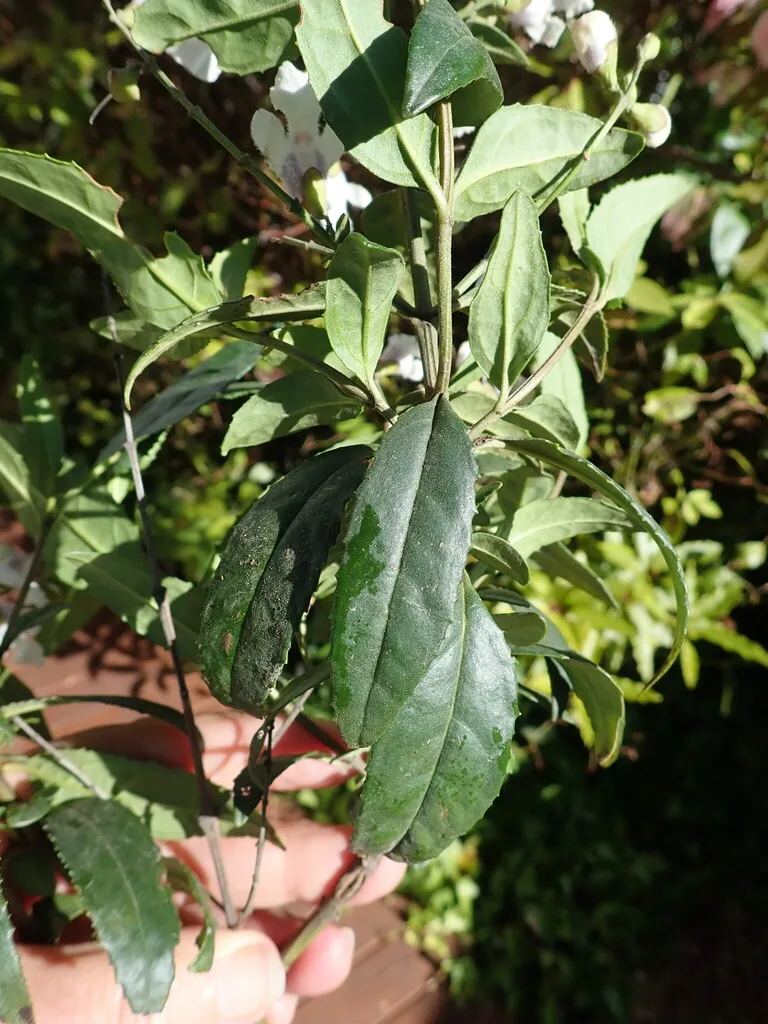
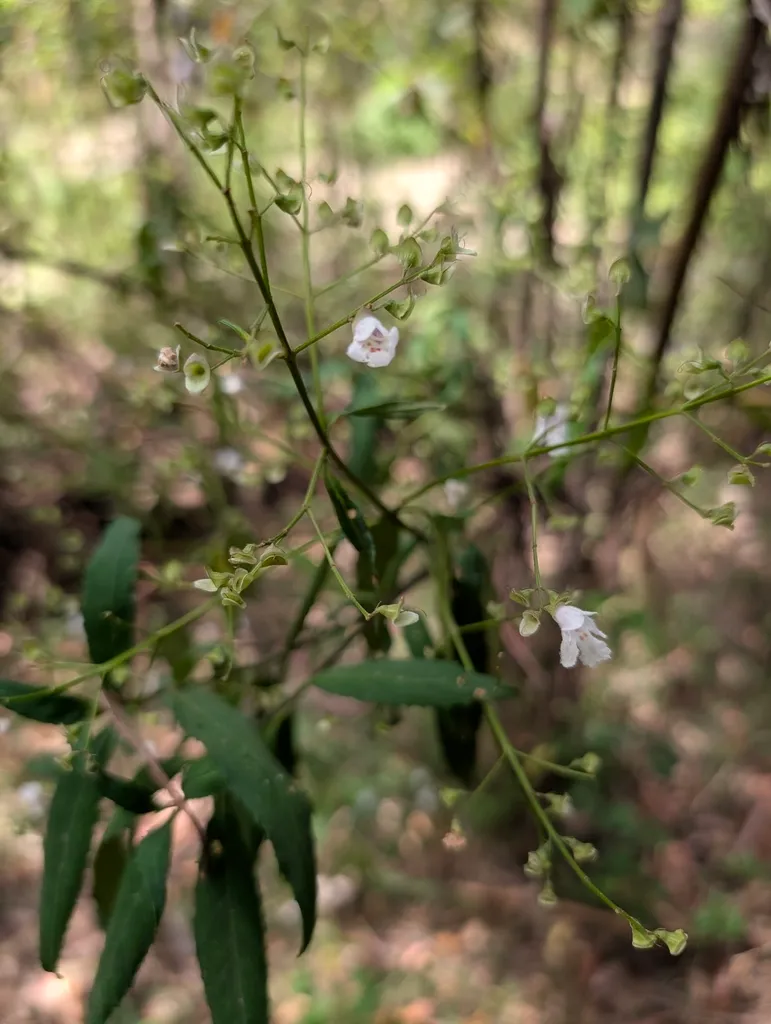
A variable, tall or oval-shaped shrub to 4m, with narrowly ovate, strongly menthol-scented leaves. In late spring or early summer it bears branched clusters of scented, finely hairy white or pale purple flowers, 2cm across, with purple or orange markings in the throat
Scientific classification
- Species
- Victoria Christmas bush (Prostanthera lasianthos)
- Genus
- Prostanthera
- Family
- Lamiaceae
- Information to be completed
- Toxicity
- Shrubs
- Plant type
- 2.5-4 metres
- Height
- 1.5-2.5 metres
- Spread
- Evergreen
- Foliage
- Bushy
- Habit
- Spring · Summer · Autumn · Winter
- Season of interest
- Full sun
- Sunlight
- Information to be completed
- Ideal temperature









Victoria Christmas bush pictures
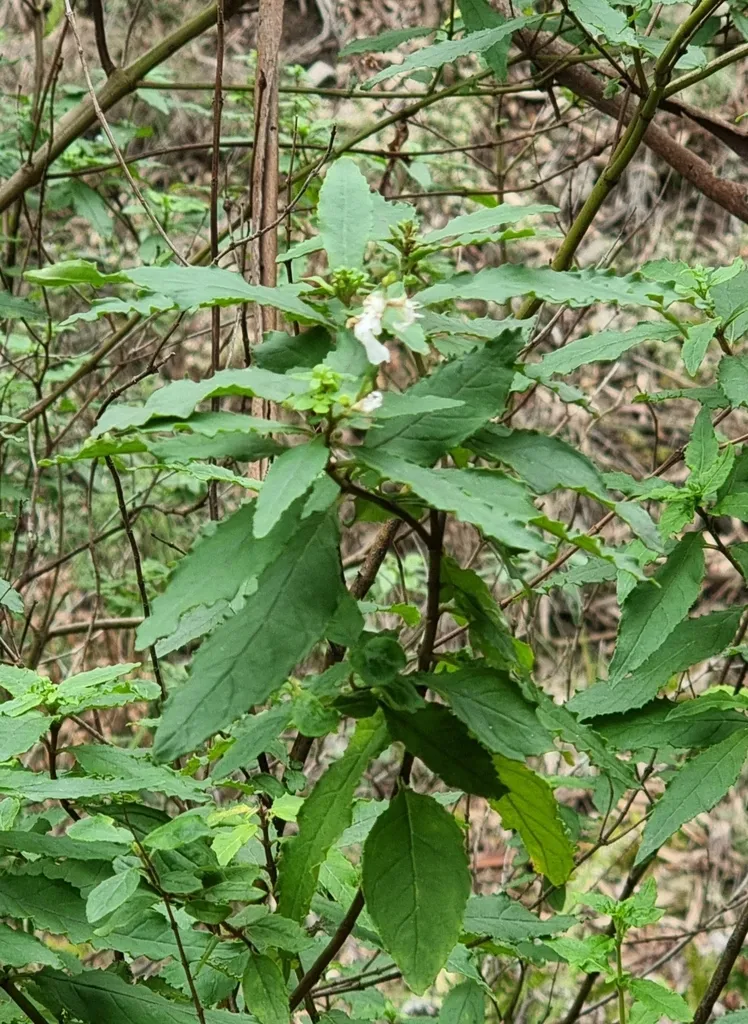
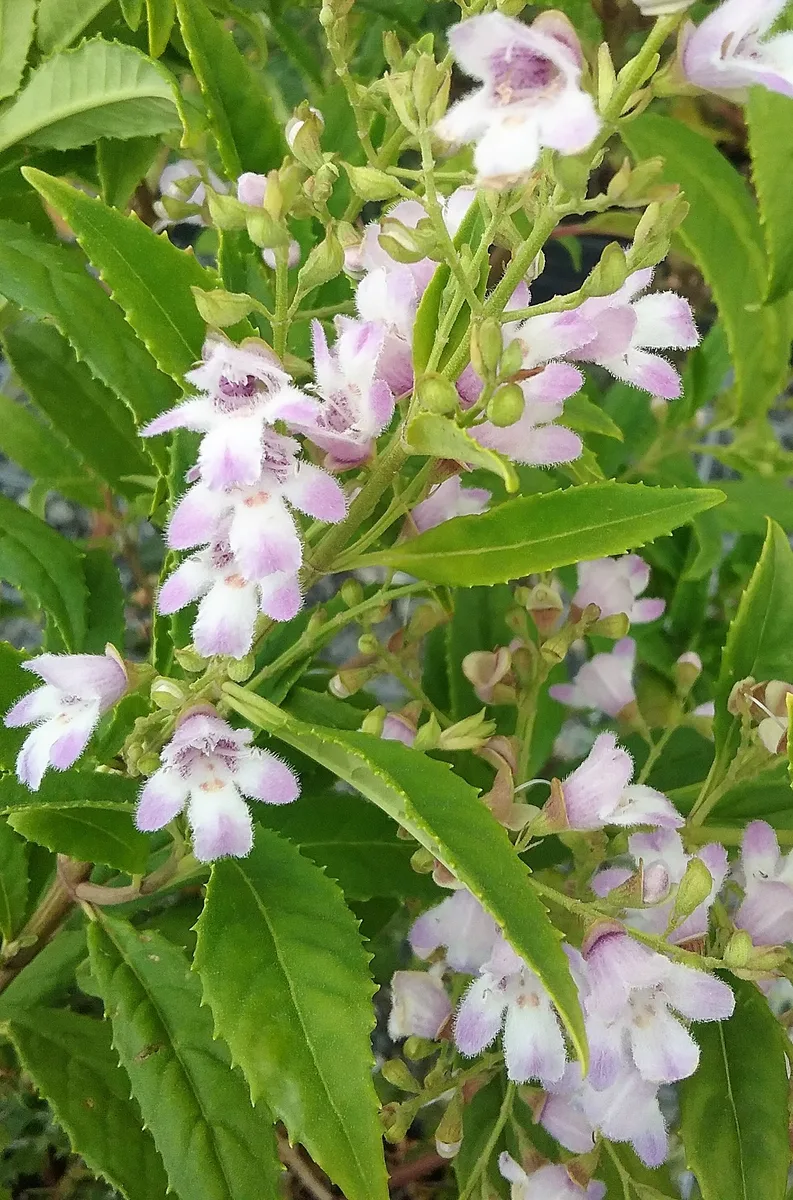
Distribution of Victoria Christmas bush
Distribution map
Australia
Information to be completed
Culture
Information to be completed
Toxicity
Information to be completed
Quick identification of Victoria Christmas bush
Information to be completed
Victoria Christmas bush care guide
- Moderate regular watering, avoid prolonged drought or waterlogging
- Watering
- Full sun
- Sunlight
- Information to be completed
- Ideal temperature

Watering
Moderate regular watering, avoid prolonged drought or waterlogging
Fertilizing
 Fertilizing
Balanced feed in spring and light repeat in growth season
Pruning
 Pruning
Usually little pruning is needed. Lightly shape if necessary, removing dead, damaged or diseased shoots. Prune after flowering.
Propagation
 Propagation
Propagate by seed, sown at 13-18°C in spring, or by semi-ripe cuttings in summer
Growing
 Growing
Under glass, grow in loam-based compost (JI No. 2) in full light. When in growth water moderately and apply a balanced liquid fertiliser monthly; water sparingly in winter. Outdoors, grow in moderately fertile, moist but well-drained soil in full sun at the base of a warm wall
People also ask
Information to be completed
Common pests and diseases
Diseases
May be susceptible to honey fungus in gardens where it is present but insufficient data to determine degree of susceptibility
Pests
May be susceptible to glasshouse red spider mite and glasshouse whitefly
Explore the plant health library →




