
dyer's greenweed
Also known as: base broom; dye weed; dyer's broom; dyer's greenwood; greening weed; greenweed; greenwood; Kendal green; rock broom; Salem wood wax; waxen woad; woad wax; wood waxen
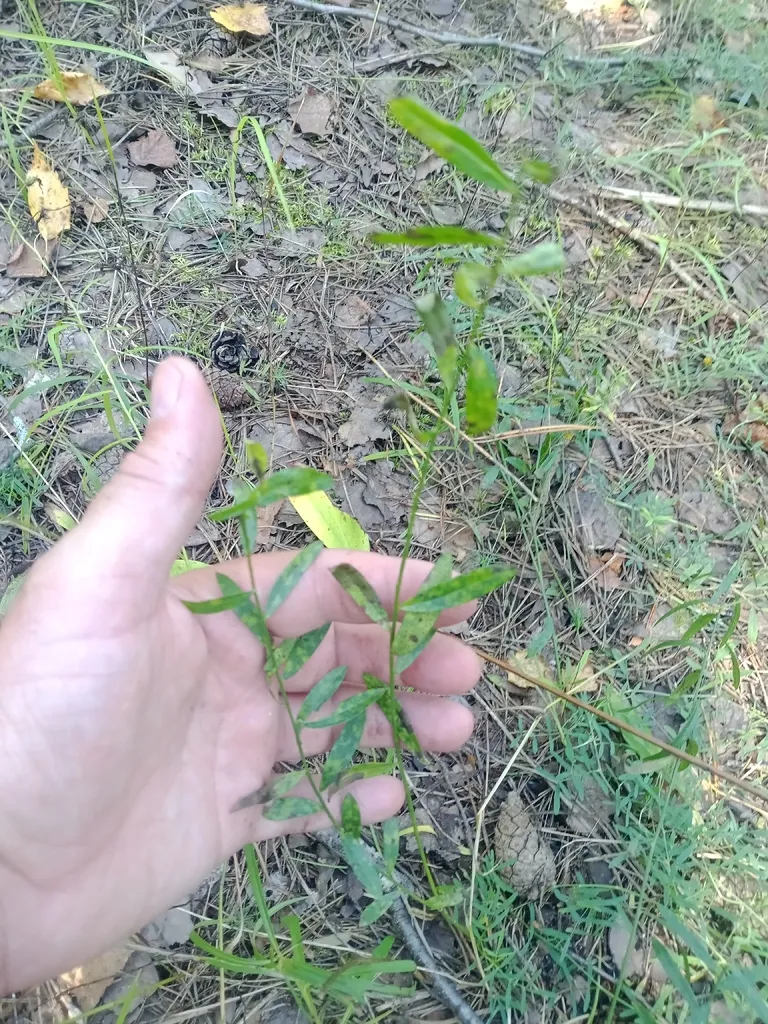
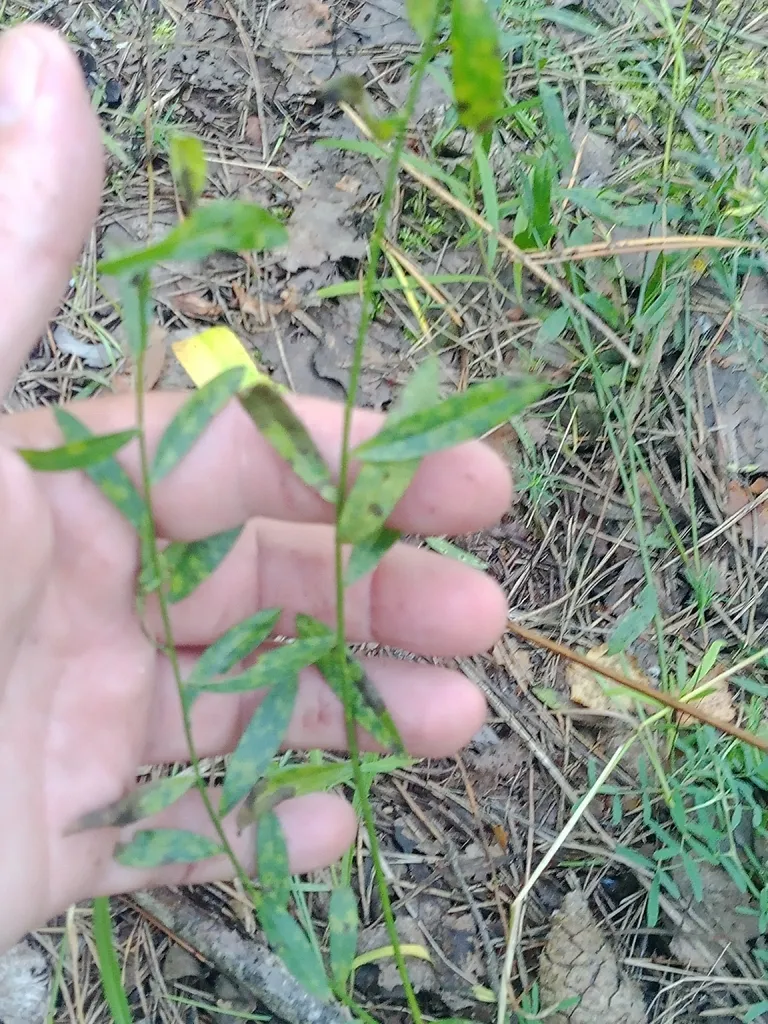
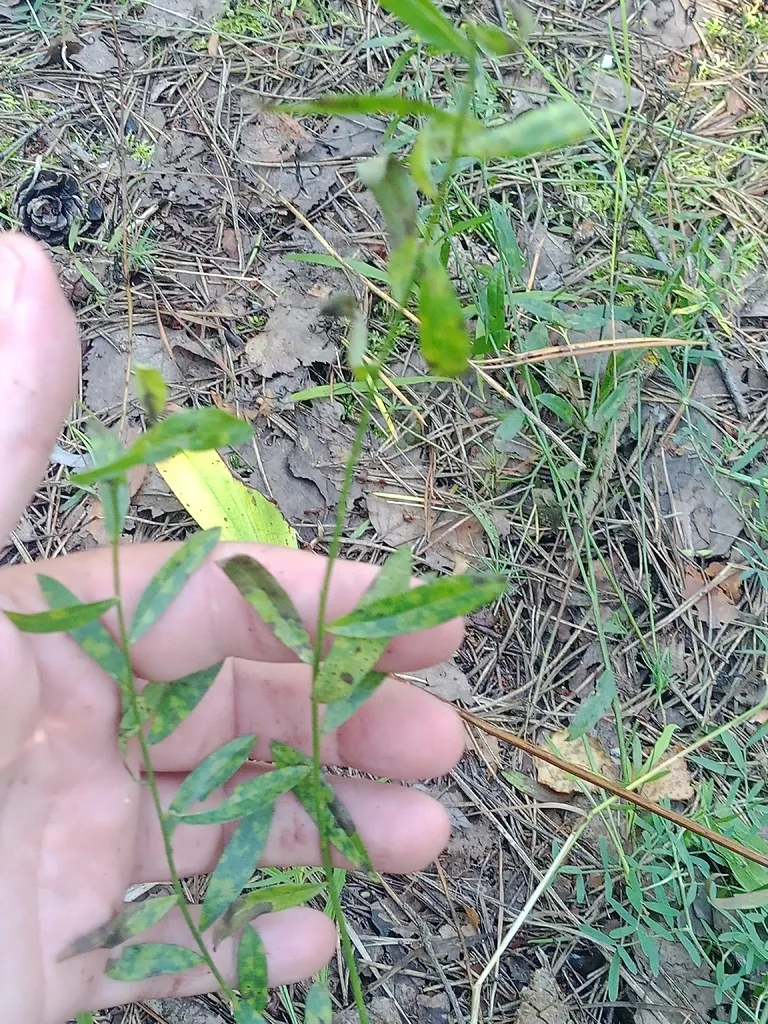
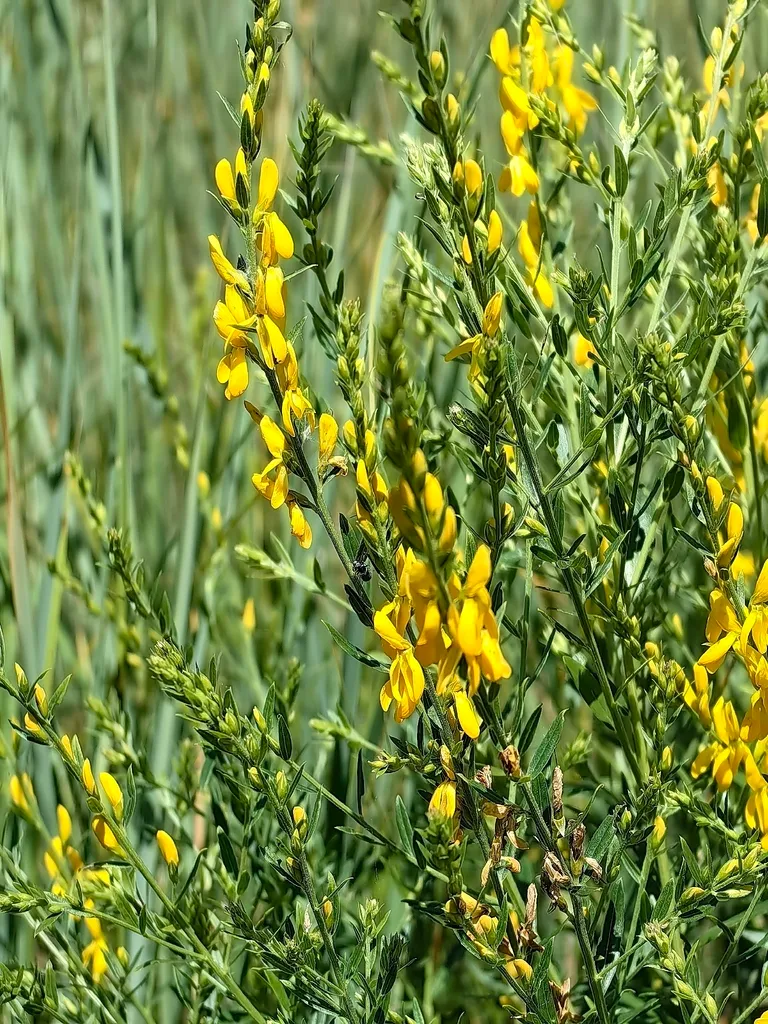
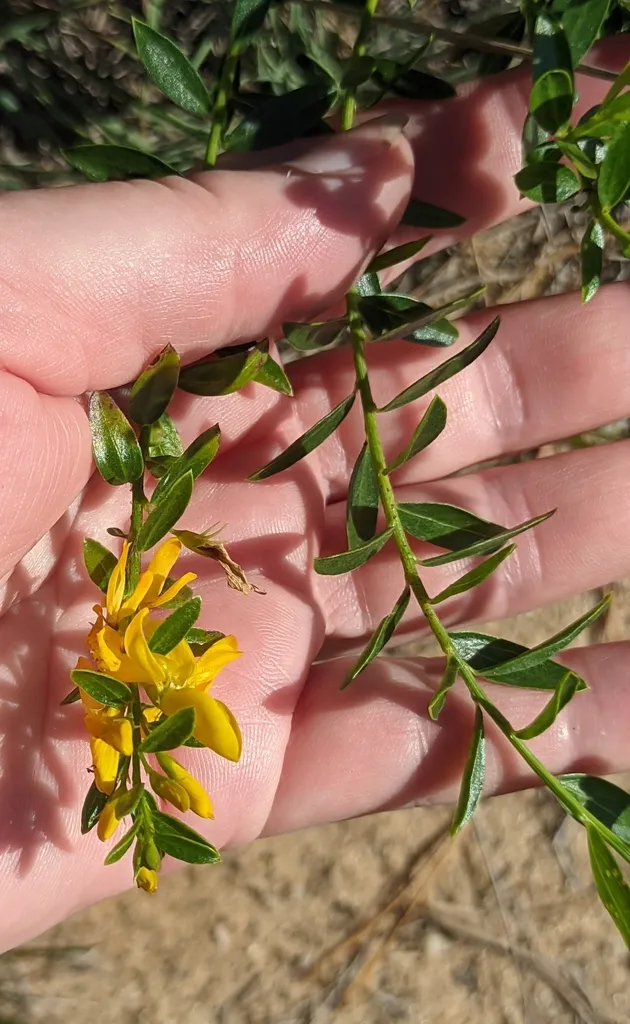
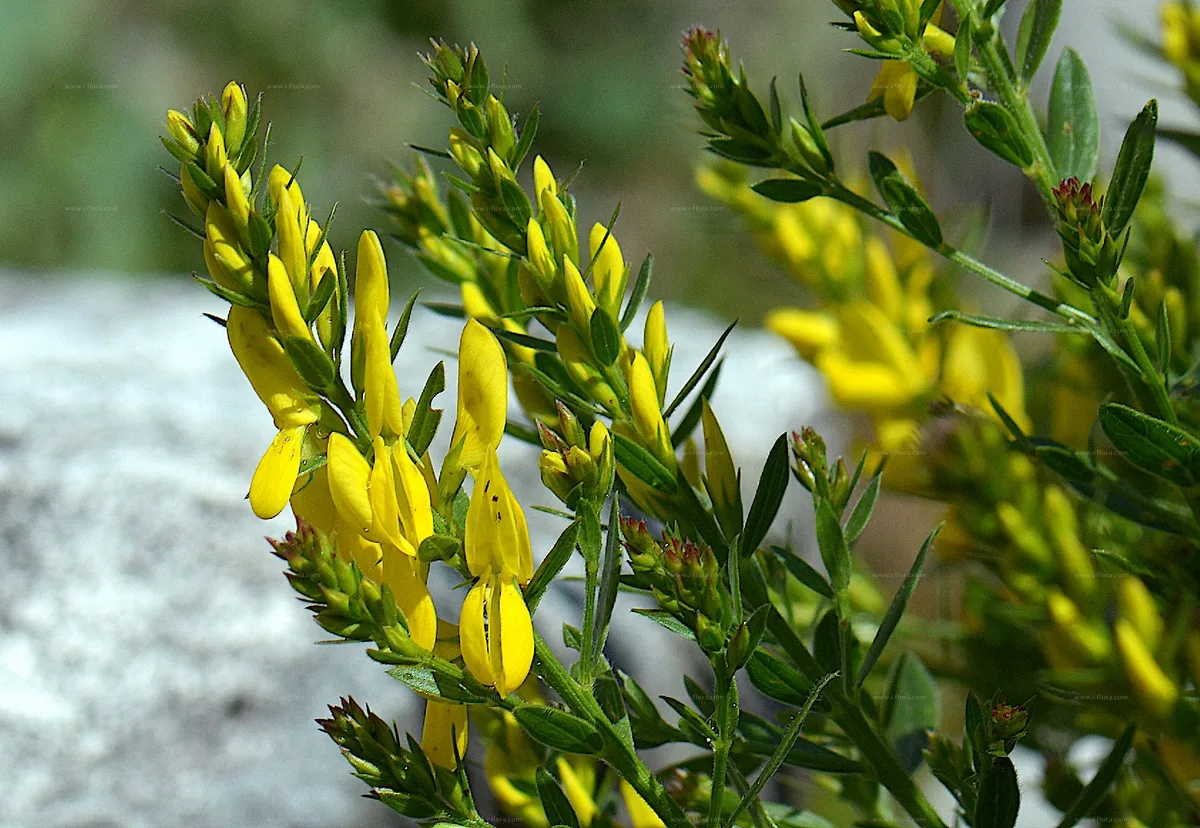
A somewhat variable, often low-growing deciduous shrub to around 60cm high, with small, narrow green leaves. Numerous clusters of small, bright yellow flowers are borne at the tips of branching stems, from midsummer into early autumn. Historically used as a natural dye
Scientific classification
- Species
- dyer's greenweed (Genista tinctoria)
- Genus
- Genista
- Family
- Fabaceae
- Order
- Fabales
- Class
- Magnoliopsida
- Phylum
- Tracheophyta
- Information to be completed
- Toxicity
- Shrubs
- Plant type
- 0.5-1 metres
- Height
- 0.5-1 metres
- Spread
- Deciduous
- Foliage
- Information to be completed
- Habit
- Spring · Summer · Autumn
- Season of interest
- Full sun
- Sunlight
- Information to be completed
- Ideal temperature









dyer's greenweed pictures
Distribution of dyer's greenweed
Distribution map
- Native
- Introduced
- Cultivated
Source:WCVP v16 · Royal Botanic Gardens, Kew · CC BY 3.0 · Boundaries:WGSRPD / TDWG
dyer's greenweed care guide
- Infrequent deep watering, drought hardy broom shrub for sunny garden beds
- Watering
- Full sun
- Sunlight

Watering
Infrequent deep watering, drought hardy broom shrub for sunny garden beds
Fertilizing
 Fertilizing
Zero heavy feeding, minimal low-nitrogen feed once early spring yearly
Pruning
 Pruning
Little pruning is needed. Remove diseased, damaged, crowded or crossing shoots and unwanted growth. Timing depends on the plant: generally late winter or early spring; plants prone to bleeding and deciduous magnolias need different timing, and deciduous azaleas and lilacs are pruned after flowering.
Propagation
 Propagation
Propagate by seed, or by semi-ripe cuttings in summer
Growing
 Growing
Needs a sunny position and prefers well-drained, relatively poor soils
Common pests and diseases
Diseases
May be susceptible to honey fungus in gardens where it is present but insufficient data to determine degree of susceptibility
Pests
May be susceptible to aphids and gall mites
Explore the plant health library →




