
golden wreath wattle
Also known as: blue-leaved wattle
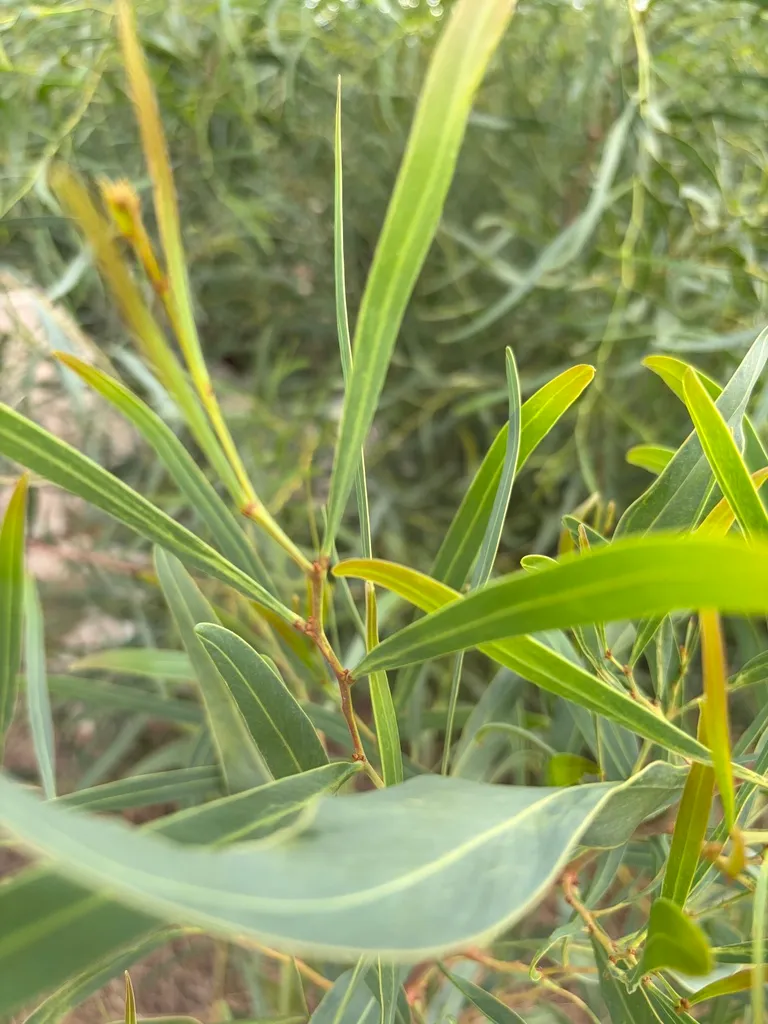
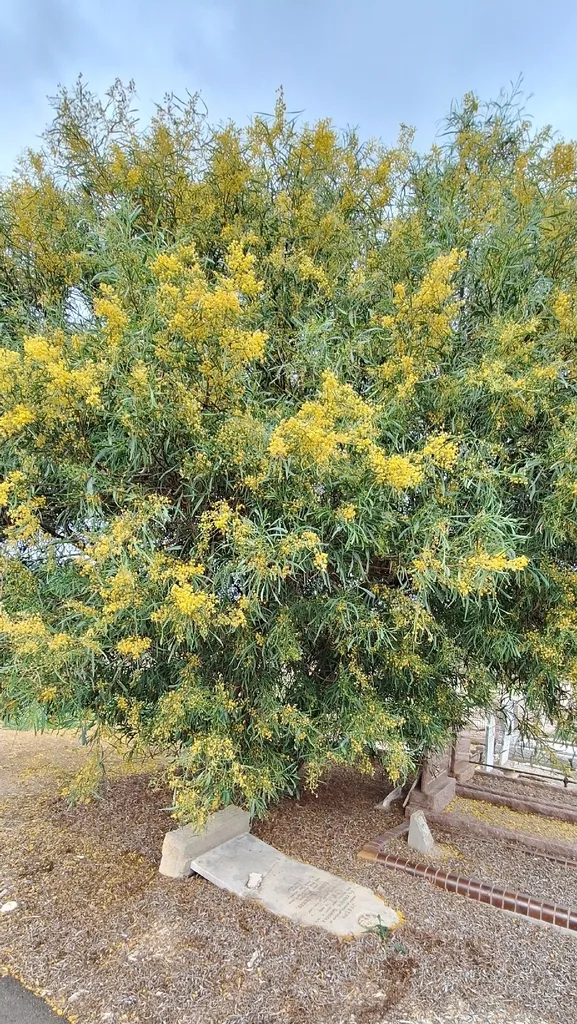
This plant is listed on Schedule 9 of the UK Wildlife & Countryside Act as an invasive, non-native species and is banned from sale. See cultivation notes for further details\r\n\r\nA fast-growing shrub or small evergreen tree, varying in height from 2 to 8m, often rather weeping in form. It has long, narrow blue- green 'leaves' up to 25cm, sometimes curved. In spring, small, round bright-yellow flowers are produced and if seed is set, brown papery pods form. It can tolerate salt winds
Scientific classification
- Species
- golden wreath wattle (Acacia saligna)
- Genus
- Acacia
- Family
- Fabaceae
- Information to be completed
- Toxicity
- Shrubs · Trees
- Plant type
- 4-8 metres
- Height
- 4-8 metres
- Spread
- Evergreen
- Foliage
- Clump forming · Pendulous weeping · Bushy
- Habit
- Spring · Summer · Autumn · Winter
- Season of interest
- Full sun
- Sunlight
- Information to be completed
- Ideal temperature









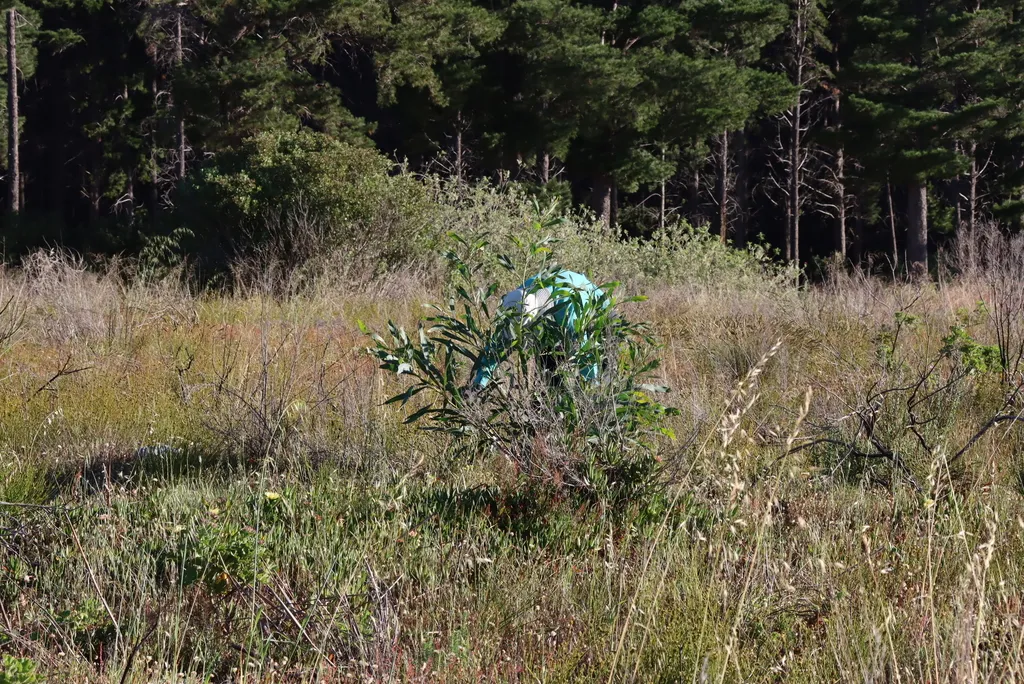
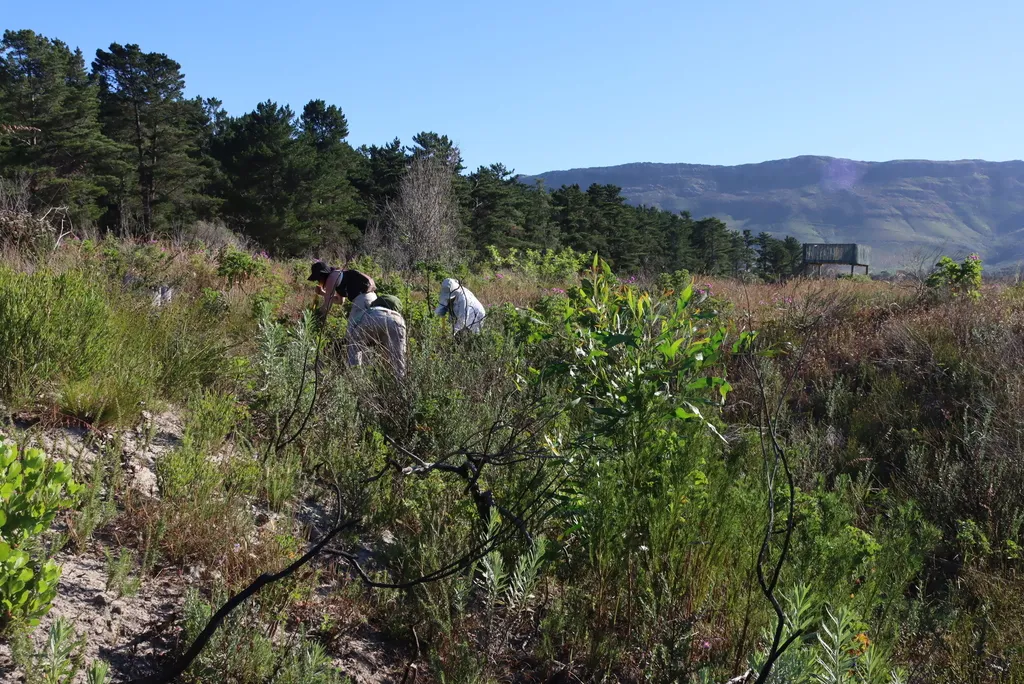
golden wreath wattle pictures
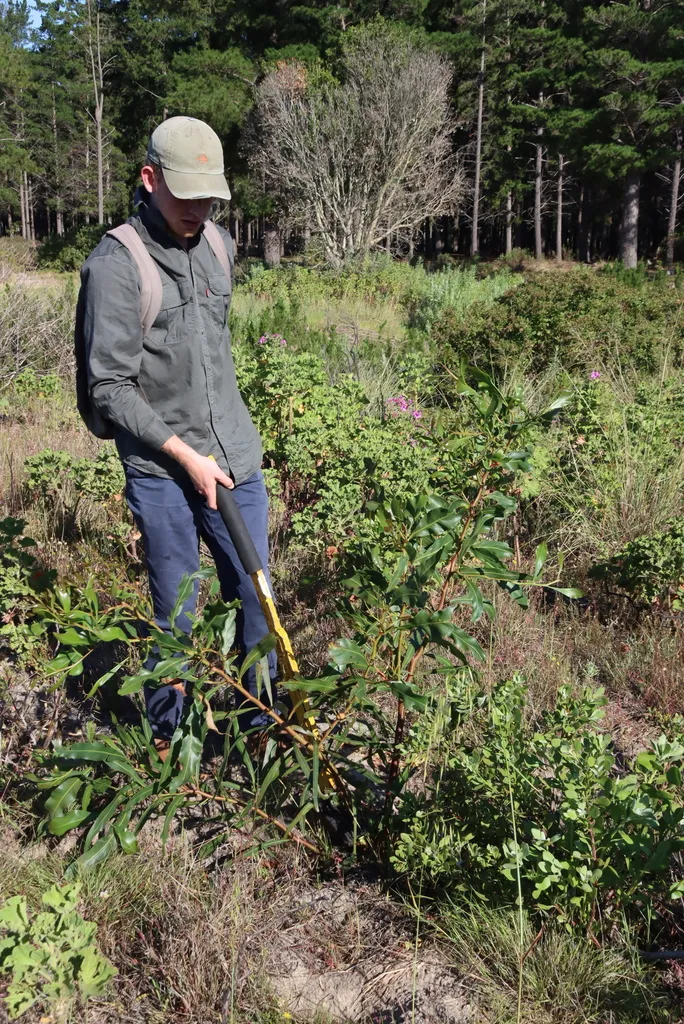
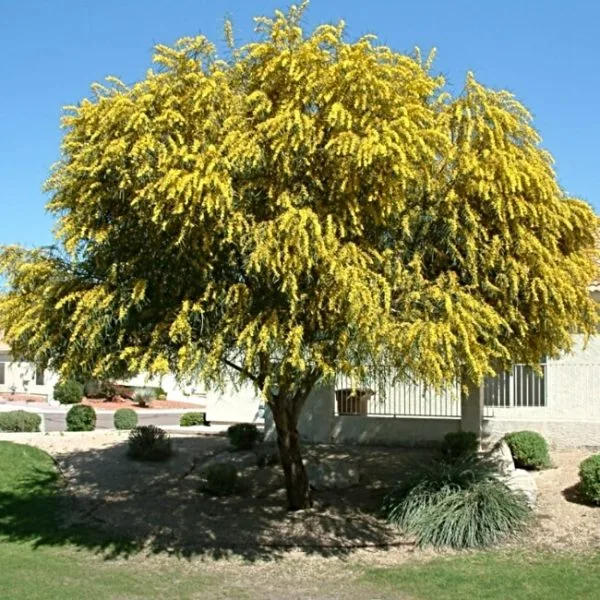
Distribution of golden wreath wattle
Distribution map
- Native
- Introduced
- Cultivated
Source:WCVP v16 · Royal Botanic Gardens, Kew · CC BY 3.0 · Boundaries:WGSRPD / TDWG
Culture
Information to be completed
Toxicity
Information to be completed
Quick identification of golden wreath wattle
Information to be completed
golden wreath wattle care guide
- Moderate regular watering, avoid prolonged drought or waterlogging
- Watering
- Full sun
- Sunlight
- Information to be completed
- Ideal temperature

Watering
Moderate regular watering, avoid prolonged drought or waterlogging
Fertilizing
 Fertilizing
Balanced feed in spring and light repeat in growth season
Pruning
 Pruning
Little pruning is needed. Remove diseased, damaged, crowded or crossing shoots and unwanted growth. Timing depends on the plant: generally late winter or early spring; plants prone to bleeding and deciduous magnolias need different timing, and deciduous azaleas and lilacs are pruned after flowering.
Propagation
 Propagation
Please see cultivation notes
Growing
 Growing
This plant is listed on Schedule 9 of the UK Wildlife & Countryside Act as an invasive non-native species. Across the EU, UK and NI it is an offence to plant or cause to grow in the wild plants listed on Schedule 9 of this order. These plants should not be planted or caused to grow in the wild and in addition are banned from sale. Gardeners possessing them should undertake measures to control them. See RHS advice on invasive non-native species for further information
People also ask
Information to be completed
Common pests and diseases
Diseases
Generally disease-free
Pests
May be susceptible to glasshouse red spider mite, fluted scale and mealybugs
Explore the plant health library →




