
Hibbertia aspera
Also known as: Information to be completed
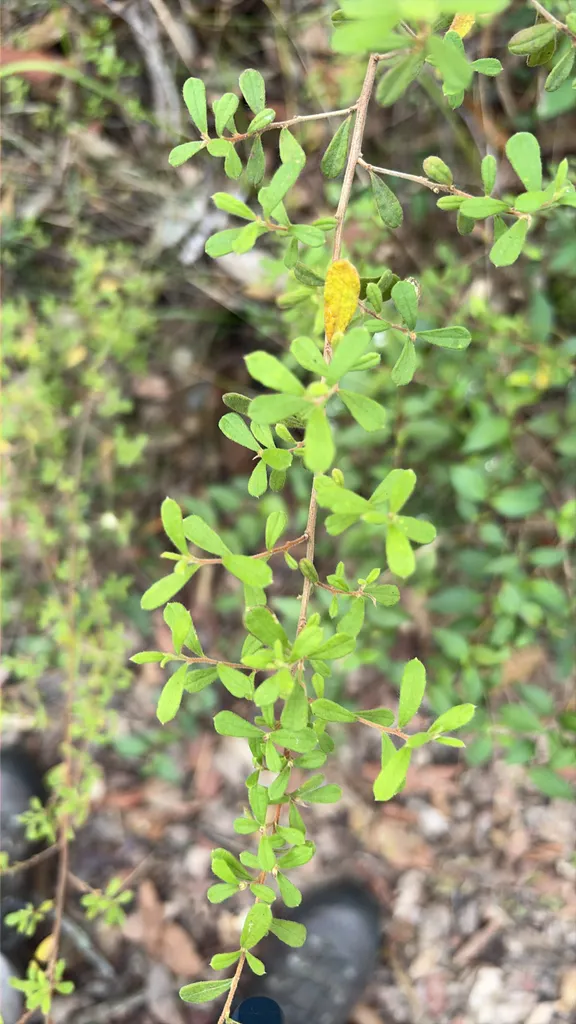
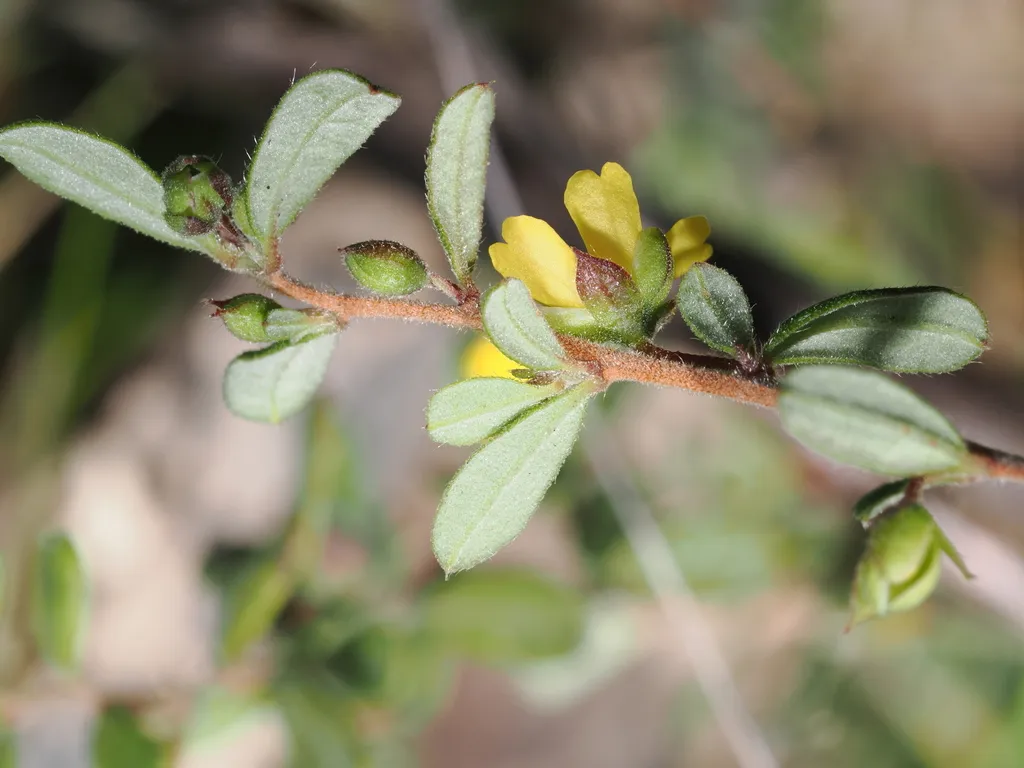
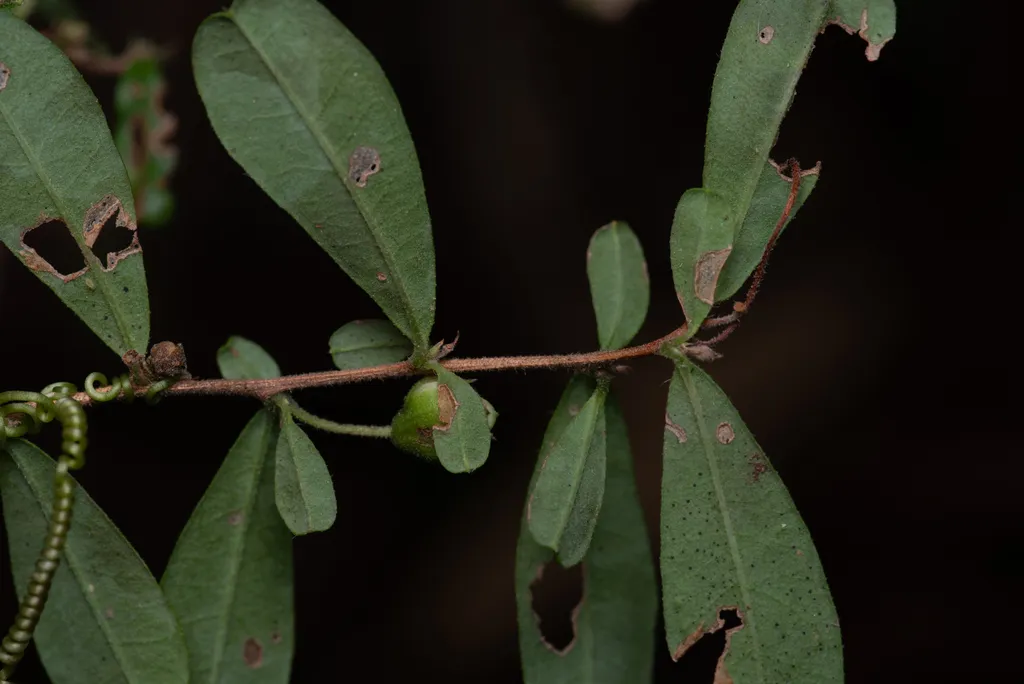
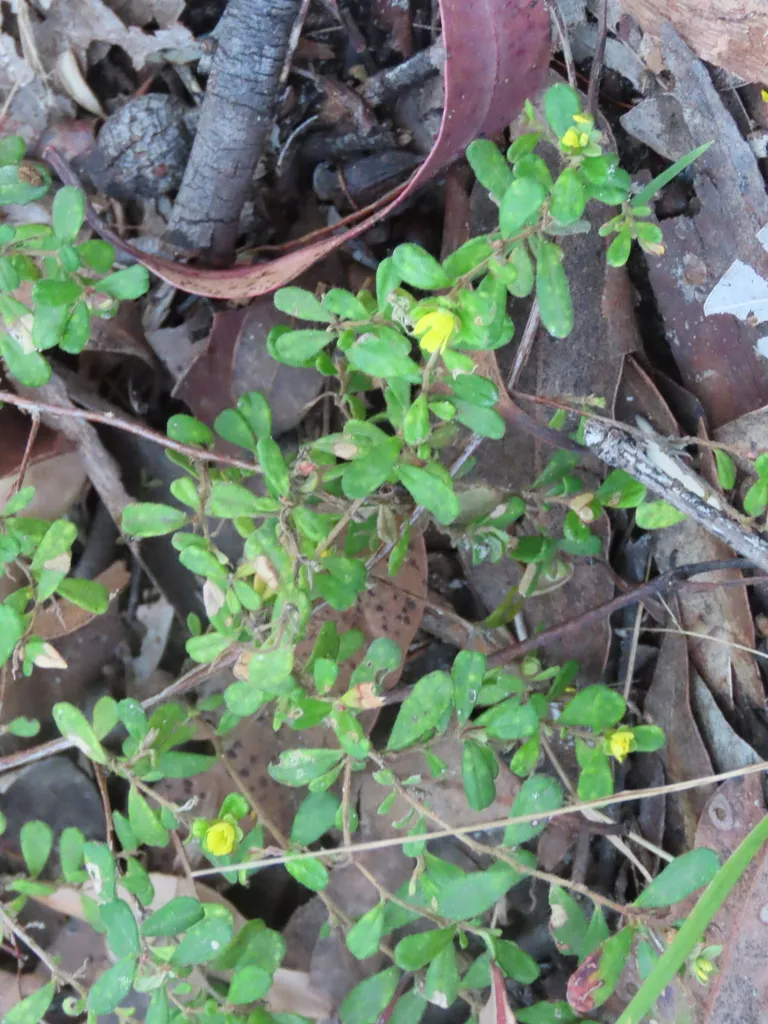
A low-growing evergreen shrub with trailing, densely hairy stems and small, oval-shaped, roughly hairy green leaves with slightly recurved edges. Bright yellow flowers with notched petals are produced, singly or in small clusters, from early to late summer
Scientific classification
- Species
- Hibbertia aspera (Hibbertia aspera)
- Genus
- Hibbertia
- Family
- Dilleniaceae
- Information to be completed
- Toxicity
- Shrubs
- Plant type
- 0.1-0.5 metres
- Height
- 0.5-1 metres
- Spread
- Evergreen
- Foliage
- Bushy · Trailing
- Habit
- Spring · Summer · Autumn · Winter
- Season of interest
- Partial shade
- Sunlight
- Information to be completed
- Ideal temperature









Hibbertia aspera pictures
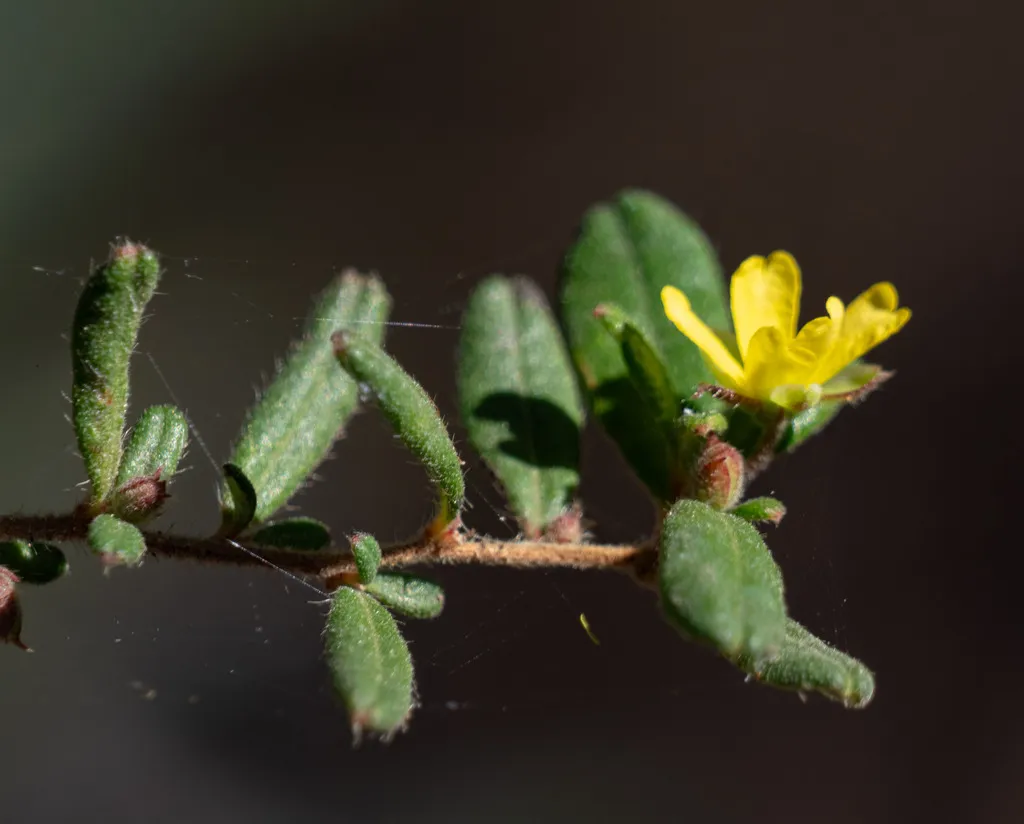
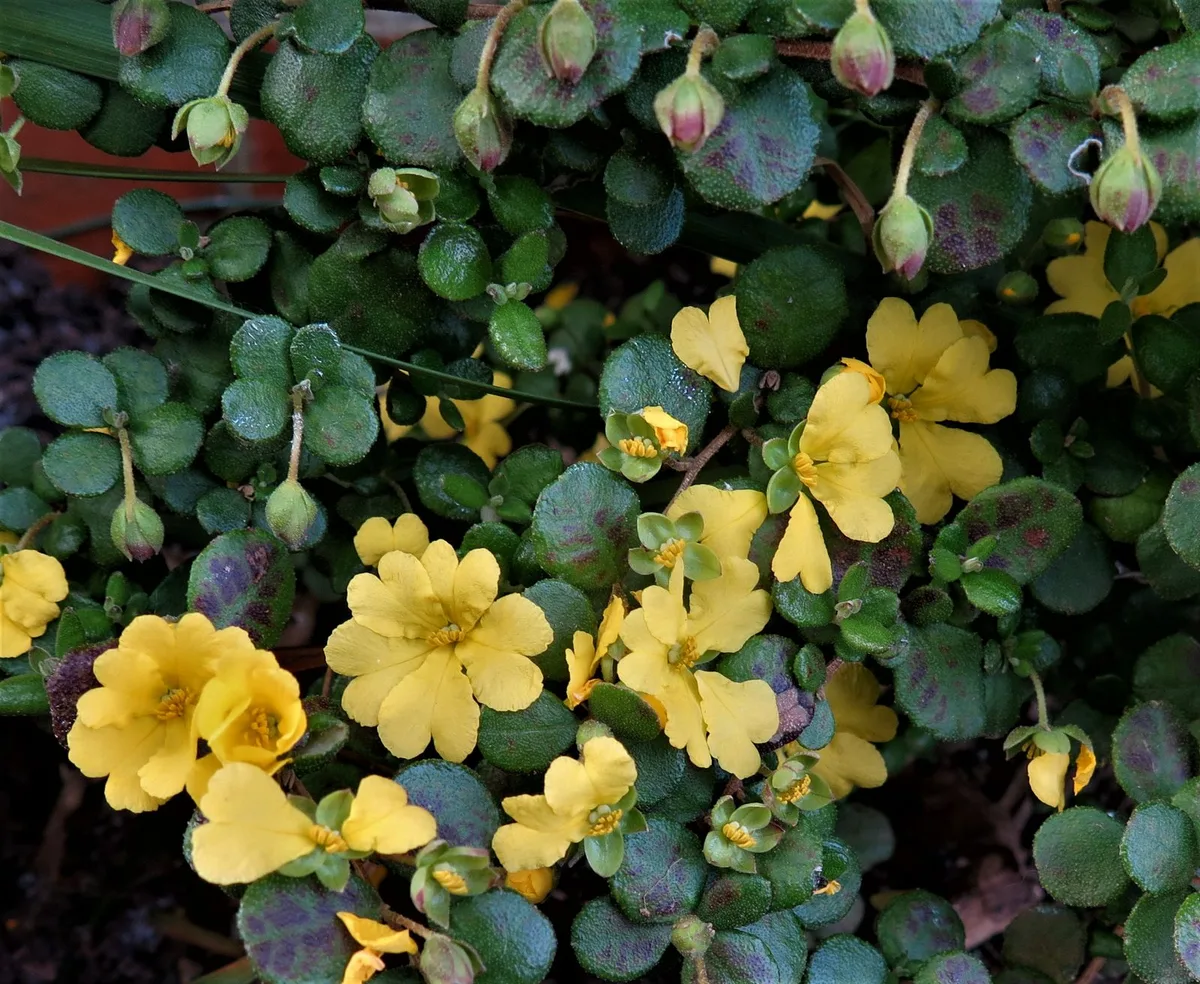
Distribution of Hibbertia aspera
Distribution map
Australia
Information to be completed
Culture
Information to be completed
Toxicity
Information to be completed
Quick identification of Hibbertia aspera
Information to be completed
Hibbertia aspera care guide
- Moderate regular watering, avoid prolonged drought or waterlogging
- Watering
- Partial shade
- Sunlight
- Information to be completed
- Ideal temperature

Watering
Moderate regular watering, avoid prolonged drought or waterlogging
Fertilizing
 Fertilizing
Balanced feed in spring and light repeat in growth season
Pruning
 Pruning
No pruning required
Propagation
 Propagation
Propagate by seed, sown at 19-24°C in spring, or by semi-ripe cuttings in late summer
Growing
 Growing
Grow in loam based compost, under glass or in a container that can be moved indoors over winter. Position in light or part shade outdoors, or in bright filtered light indoors; protect from hot midday sun. Water freely while in growth and keep just moist in winter
People also ask
Information to be completed
Common pests and diseases
Diseases
May be susceptible to grey moulds
Pests
May be susceptible to scale insects
Explore the plant health library →




