
Agave angustifolia
Also known as: Information to be completed
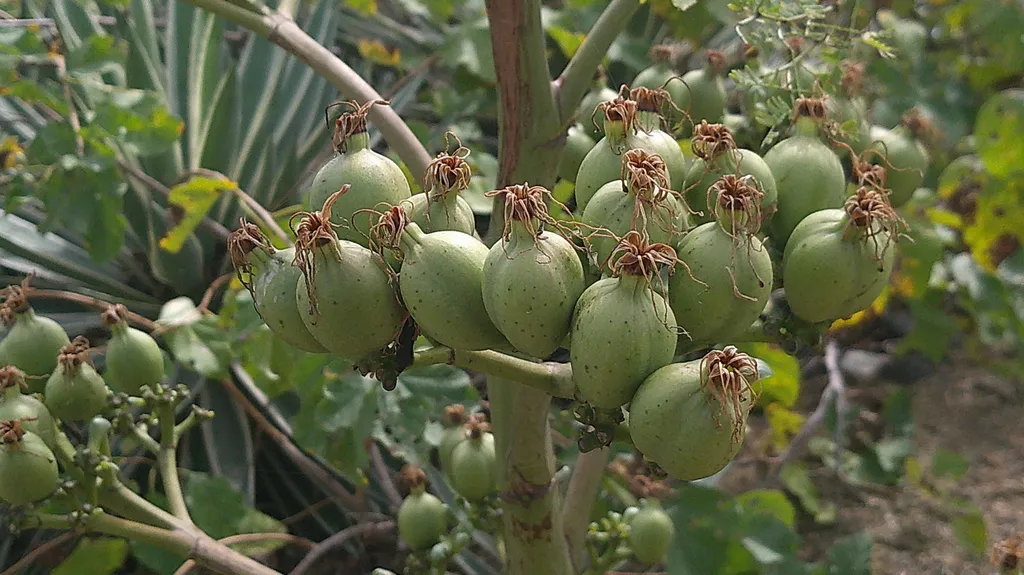
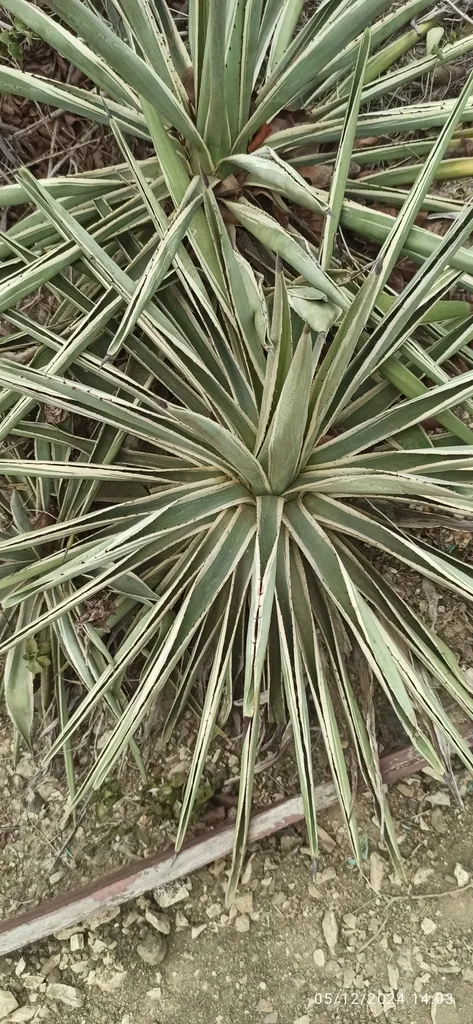
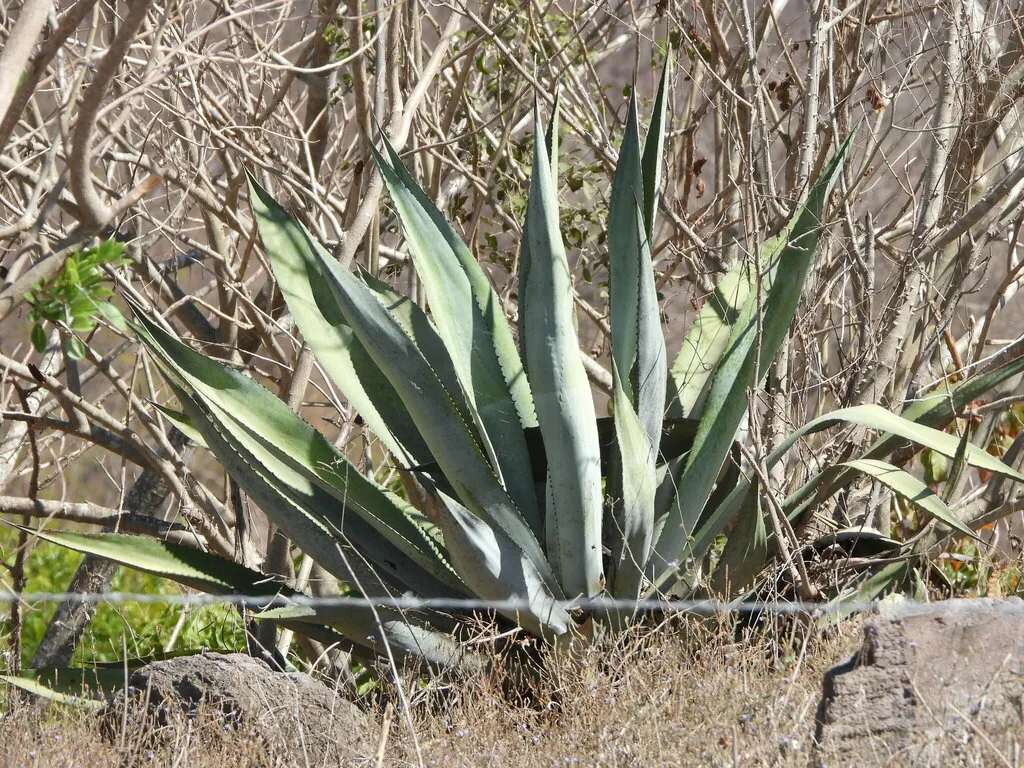
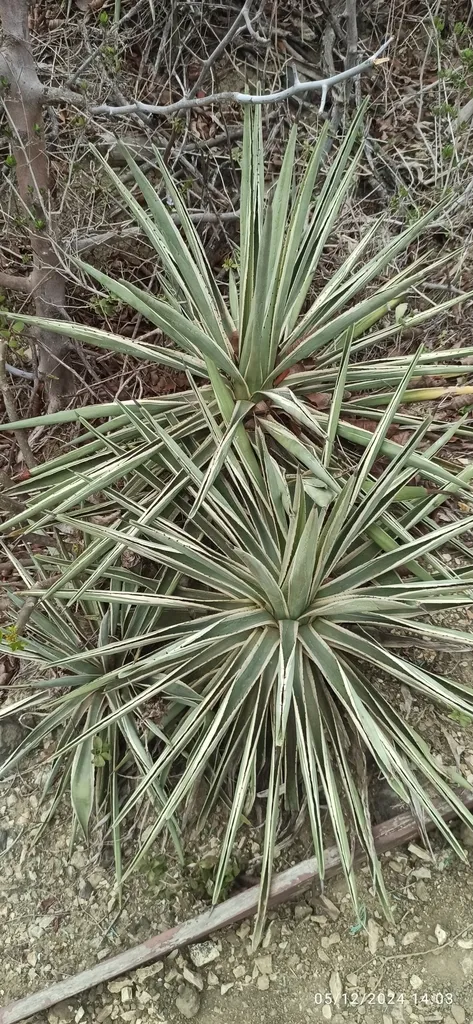
A large, perennial succulent, usually stemless but sometimes with a short stem to 50cm, forming a rosette up to 2m across of stiff, linear to lance-shaped, green or grey-green leaves, with fine teeth along the edges and spines at the tips. Mature plants produce a tall, branching spike of small yellow-green flowers; the main rosette will die off after flowering, but plants often produce offsets
Scientific classification
- Species
- Agave angustifolia (Agave angustifolia)
- Genus
- Agave
- Family
- Asparagaceae
- Skin irritant. Wear gloves and other protective equipment when handling
- Toxicity
- Cactus Succulent
- Plant type
- Information to be completed
- Height
- Information to be completed
- Spread
- Evergreen
- Foliage
- Clump forming
- Habit
- Spring · Summer · Autumn · Winter
- Season of interest
- Full sun
- Sunlight
- Information to be completed
- Ideal temperature









Agave angustifolia pictures
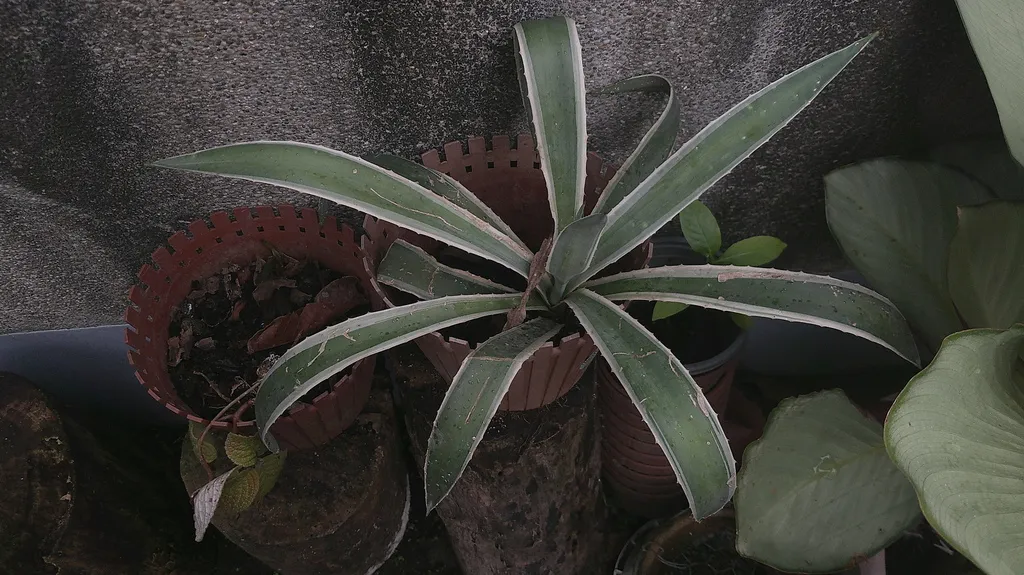
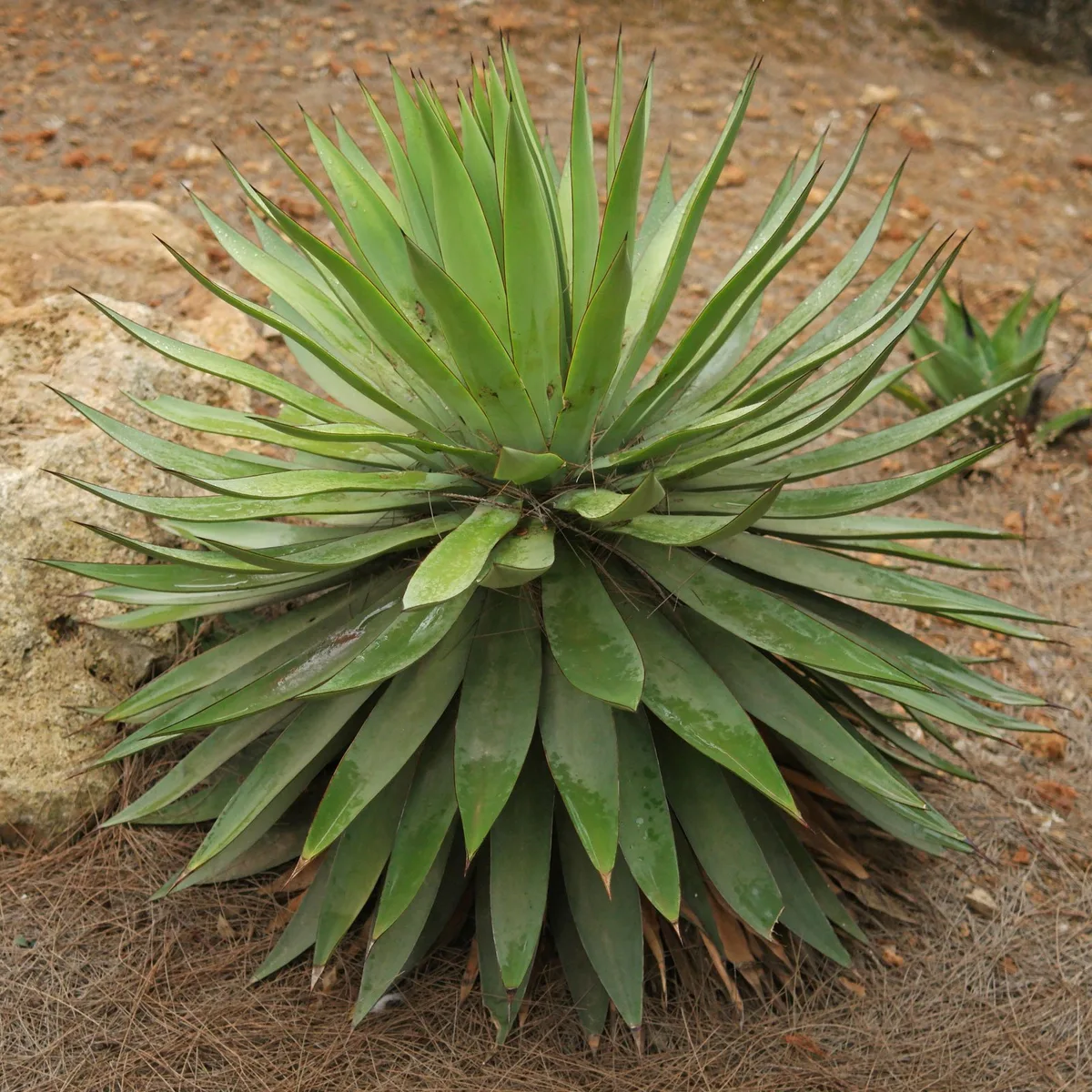
Distribution of Agave angustifolia
Distribution map
Mexico to Central America
Information to be completed
Culture
Information to be completed
Toxicity
Skin irritant. Wear gloves and other protective equipment when handling
Quick identification of Agave angustifolia
Information to be completed
Agave angustifolia care guide
- Water sparingly and only when the soil is completely dry; avoid overwatering.
- Watering
- Full sun
- Sunlight
- Information to be completed
- Ideal temperature

Watering
Water sparingly and only when the soil is completely dry; avoid overwatering.
Fertilizing
 Fertilizing
Apply a cactus fertilizer at half-strength once in early summer.
Pruning
 Pruning
No pruning required
Propagation
 Propagation
Propagate by seed, or by removing offsets in spring or autumn
Growing
 Growing
Grow under glass in cactus compost, water freely when in growth, but keep almost dry over winter. Apply a dilute, liquid fertiliser 3 or 4 times during the growing season. Can be moved onto the patio during the summer months, but needs to overwinter in a greenhouse or conservatory. See hardy cacti and succulent cultivation for further advice
People also ask
Information to be completed
Common pests and diseases
Diseases
Generally disease-free
Pests
May be susceptible to scale insects
Explore the plant health library →




