
Cape blue waterlily
Also known as: shield-leaved water lily
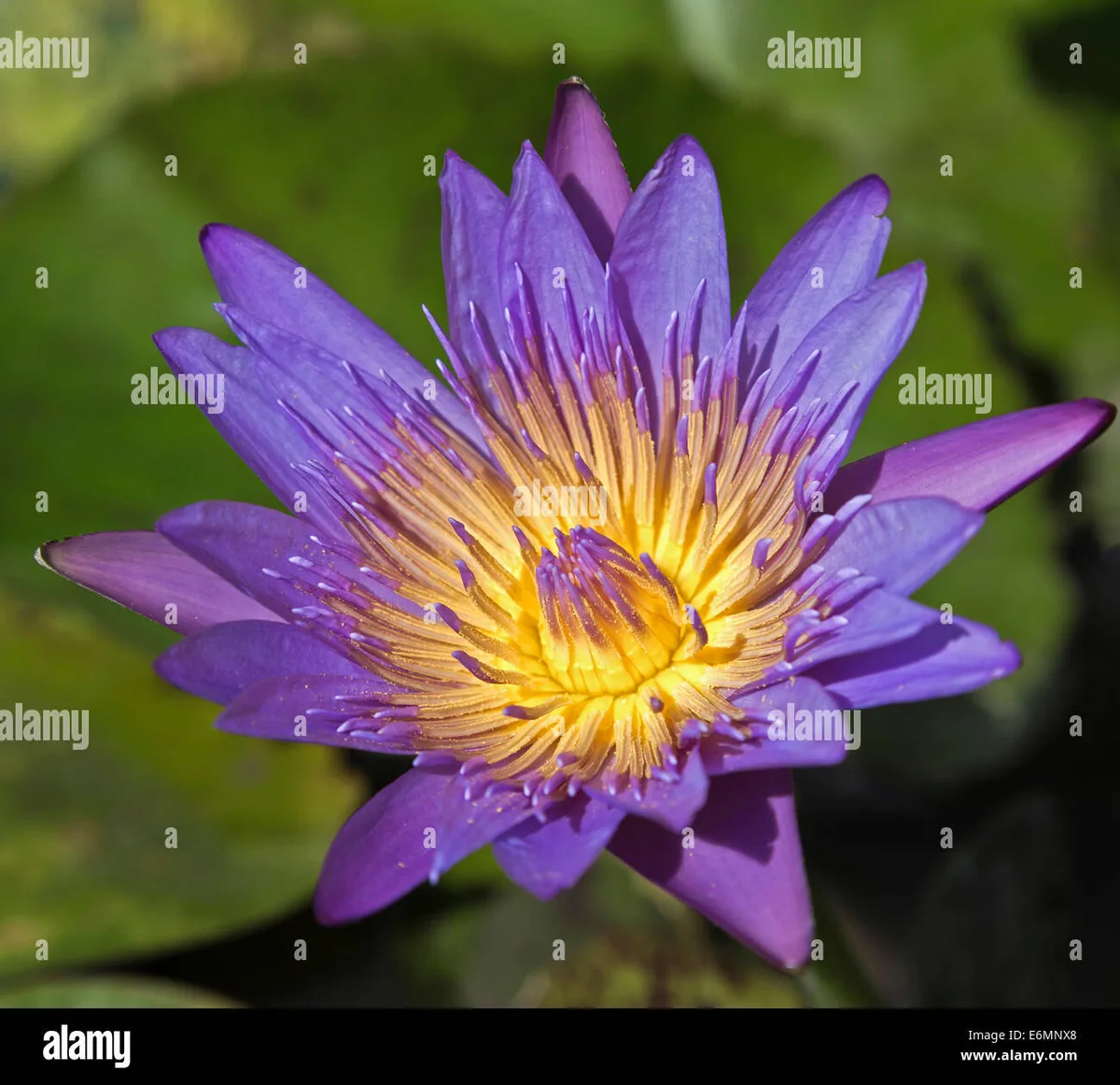
A tropical, deciduous aquatic perennial with oval-shaped, glossy green leaves. Star-shaped lavender blue or purple flowers with yellow centres appear on tall, strong stems from summer through until the autumn. Tropical waterlillies can be grown in milder areas within the UK but should be lifted and stored over winter in a warm greenhouse
Scientific classification
- Species
- Cape blue waterlily (Nymphaea capensis)
- Genus
- Nymphaea
- Family
- Nymphaeaceae
- Information to be completed
- Toxicity
- Aquatic
- Plant type
- 0.1-0.5 metres
- Height
- 0.1-0.5 metres
- Spread
- Deciduous
- Foliage
- Submerged
- Habit
- Spring · Summer · Autumn
- Season of interest
- Full sun
- Sunlight
- Information to be completed
- Ideal temperature









Cape blue waterlily pictures
Distribution of Cape blue waterlily
Distribution map
Tanzania
Information to be completed
Culture
Information to be completed
Toxicity
Information to be completed
Quick identification of Cape blue waterlily
Information to be completed
Cape blue waterlily care guide
- Keep roots in shallow water or permanently saturated aquatic soil
- Watering
- Full sun
- Sunlight
- Information to be completed
- Ideal temperature

Watering
Keep roots in shallow water or permanently saturated aquatic soil
Fertilizing
 Fertilizing
Use aquatic fertilizer lightly during warm active growth season
Pruning
 Pruning
Deadhead and remove yellow leaves regularly
Propagation
 Propagation
Propagate by division of rhizomes or offsets in summer, place pots in shallow water until established
Growing
 Growing
Grow in undisturbed water in full sun. Plant in baskets in loamy soil with crowns just below soil surface and covered with pea shingle. Position basket so that it is covered by 15-25cm of water; as the plants establish gradually lower the plants to a depth of 50-70cm. Feed during the growing season with aquatic fertiliser at the manufacturer's recommended rate. Lift and store in a warm greenhouse over winter. See waterlily cultivation for more advice
People also ask
Information to be completed
Common pests and diseases
Diseases
May be susceptible to brown spot, crown rot and water lily leaf spot
Pests
May be susceptible to brown china-mark moth, false leaf-mining midge, water lily beetle and water lily aphid. See waterlily pests for more details
Explore the plant health library →




