
Lyall’s parahebe
Also known as: Information to be completed
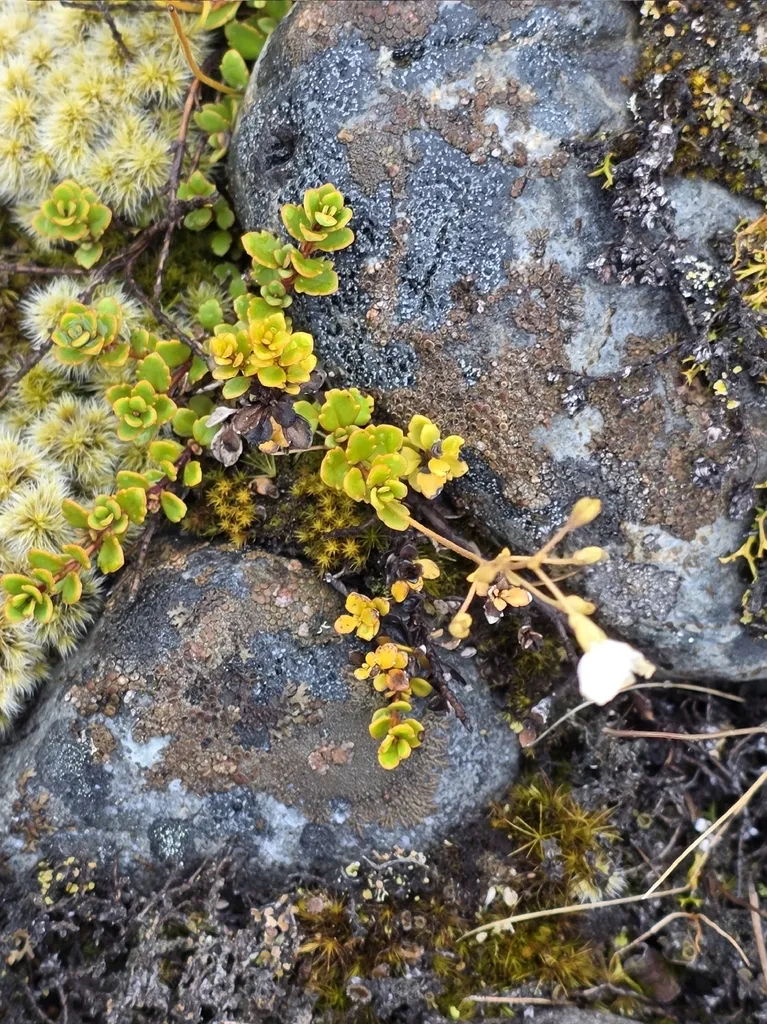
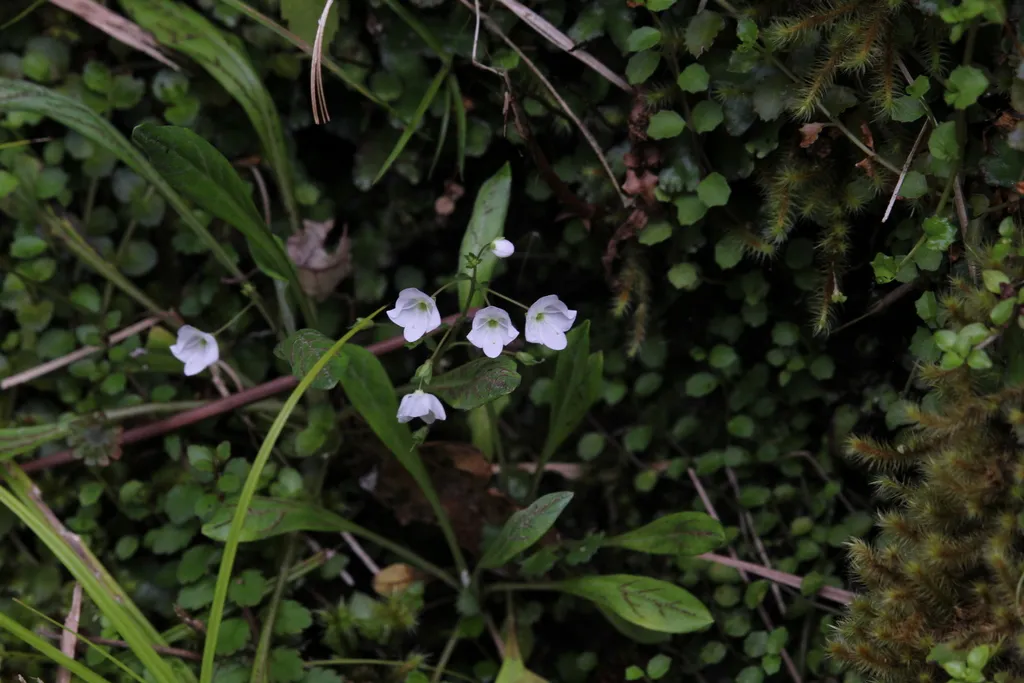
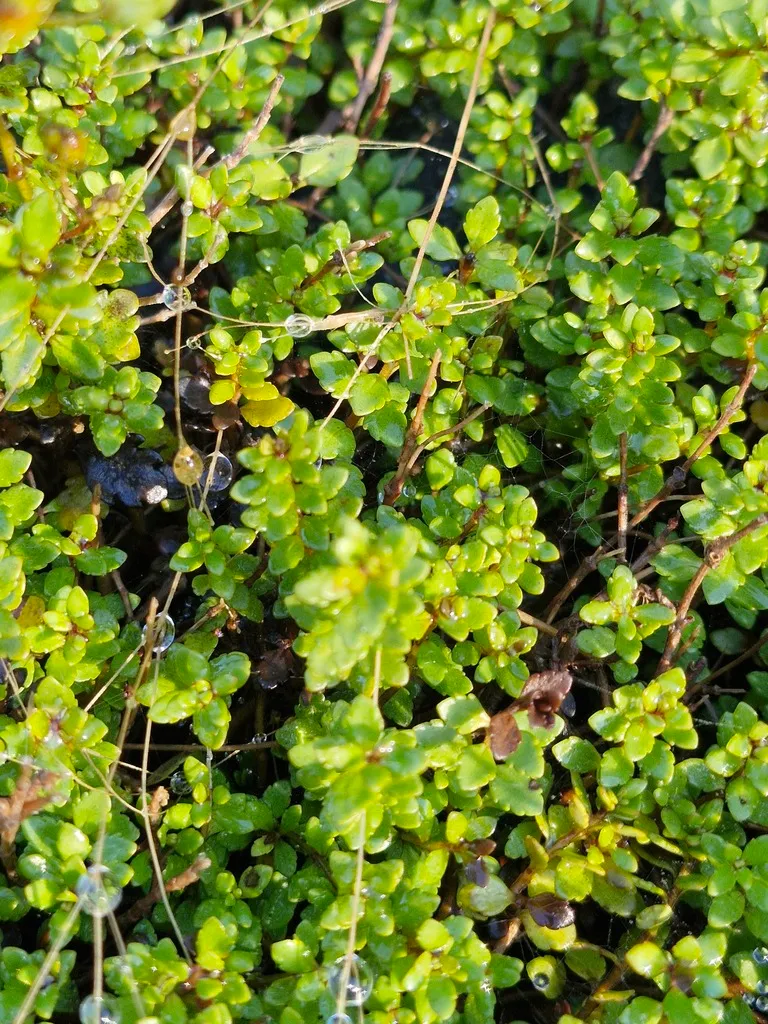
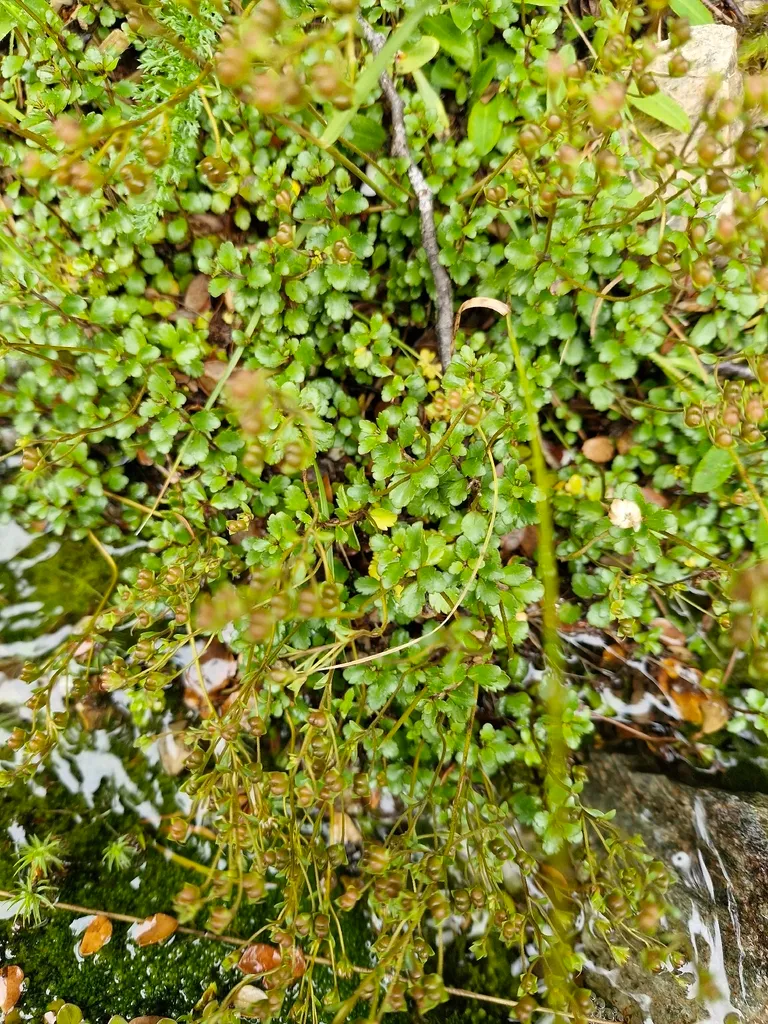
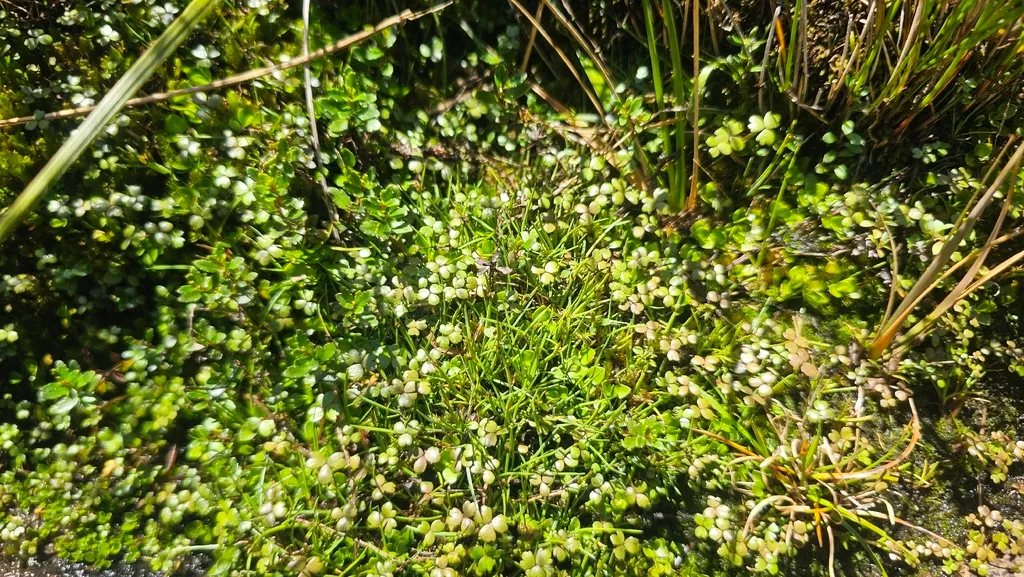
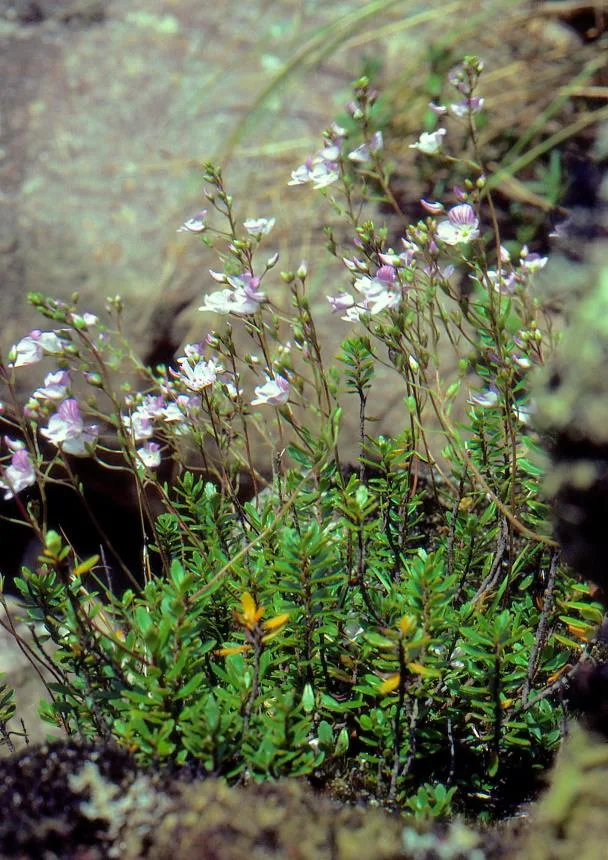
An evergreen subshrub to around 30cm high, with a prostrate habit, slender, branching stems that root as they spread, and small, leathery, toothed green leaves with paler undersides. Clusters of saucer-shaped white flowers with pink veining are produced from mid to late summer
Scientific classification
- Species
- Lyall’s parahebe (Veronica lyallii)
- Genus
- Veronica
- Family
- Plantaginaceae
- Information to be completed
- Toxicity
- Shrubs
- Plant type
- 0.1-0.5 metres
- Height
- 0.5-1 metres
- Spread
- Evergreen
- Foliage
- Matforming
- Habit
- Spring · Summer · Autumn · Winter
- Season of interest
- Full sun
- Sunlight
- Information to be completed
- Ideal temperature









Lyall’s parahebe pictures
Distribution of Lyall’s parahebe
Distribution map
New Zealand
Information to be completed
Culture
Information to be completed
Toxicity
Information to be completed
Quick identification of Lyall’s parahebe
Information to be completed
Lyall’s parahebe care guide
- Moderate regular watering, allowing brief slight drying between soakings
- Watering
- Full sun
- Sunlight
- Information to be completed
- Ideal temperature

Watering
Moderate regular watering, allowing brief slight drying between soakings
Fertilizing
 Fertilizing
Balanced perennial feed every four weeks from spring through summer
Pruning
 Pruning
No pruning required
Propagation
 Propagation
Propagate by seed, or by semi-ripe cuttings in early or midsummer
Growing
 Growing
Grow in poor to moderately fertile, well-drained soil, in a sunny position with shelter from cold, drying winds. May need protection in cold winters
People also ask
Information to be completed
Common pests and diseases
Diseases
May be susceptible to downy mildews, fungal leaf spot, fungal rot, Phytophthora and sometimes honey fungus
Pests
May be susceptible to aphids
Explore the plant health library →




