
small-headed knotweed
Also known as: Information to be completed
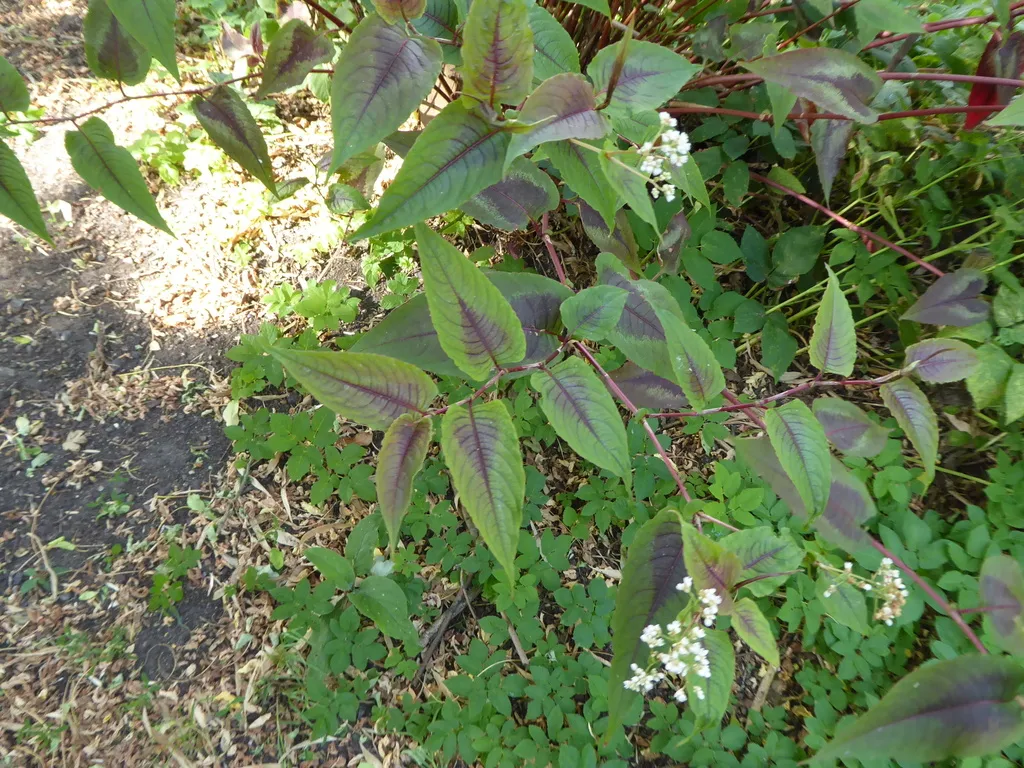
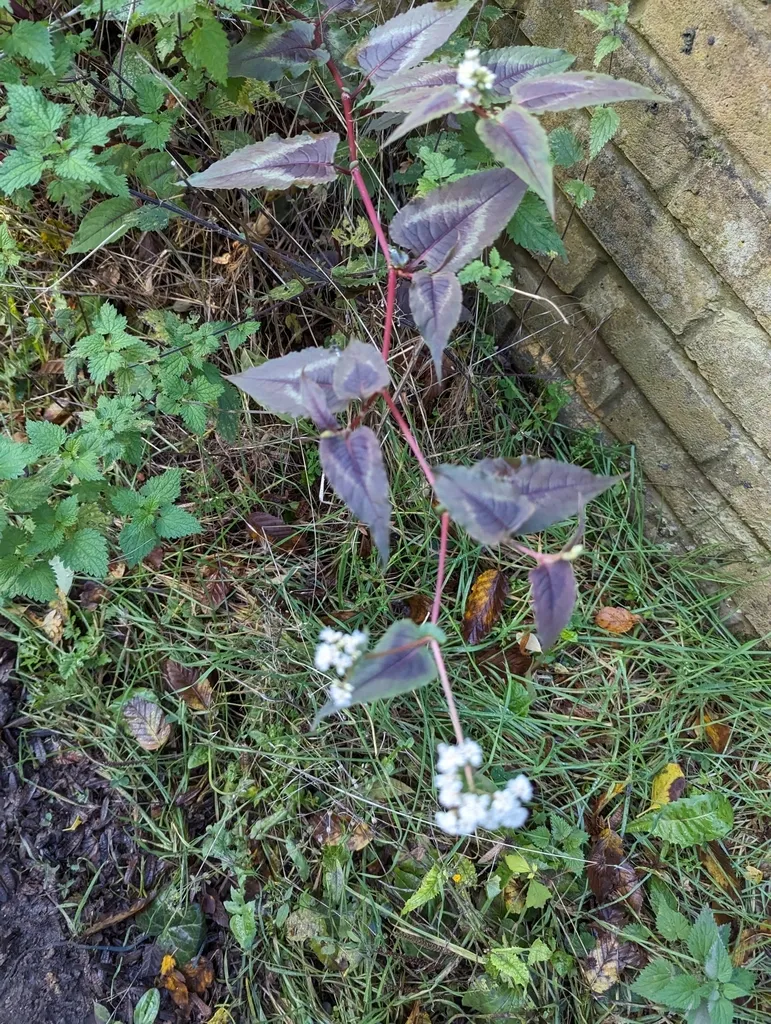
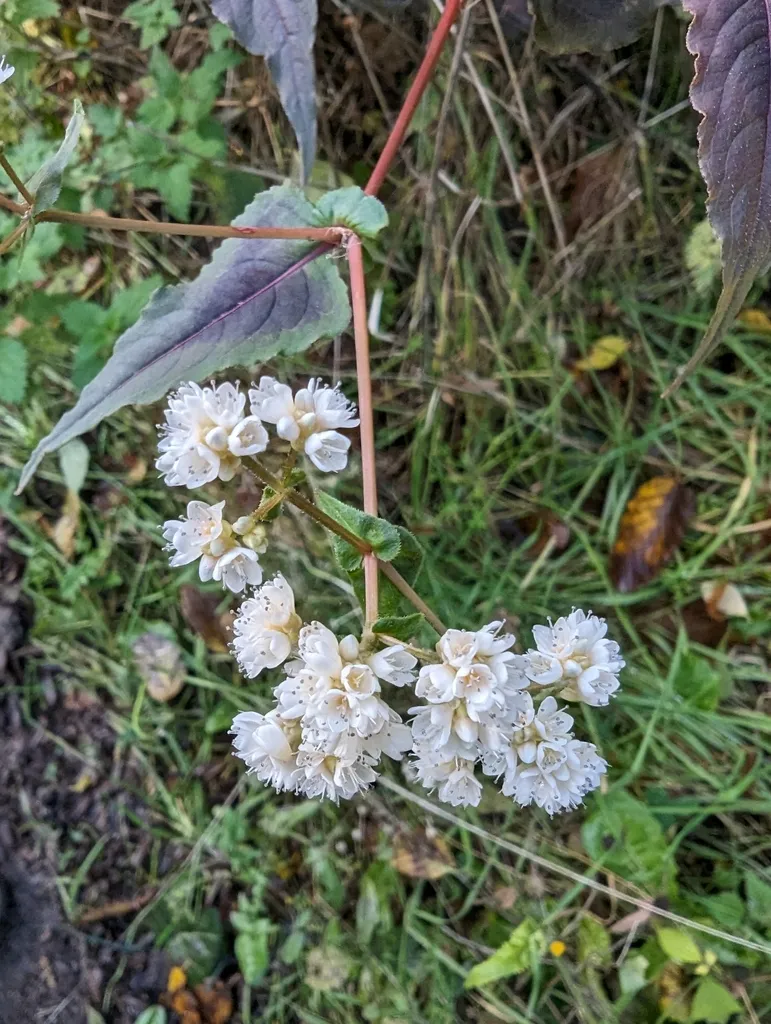
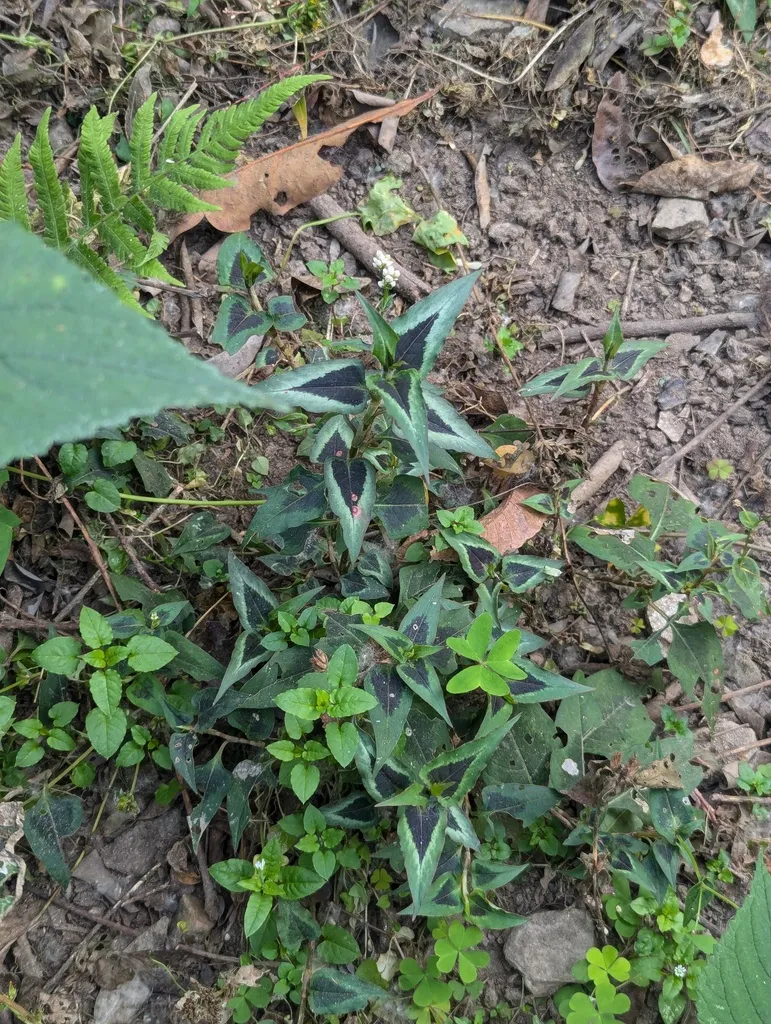
P. microcephala densely covers the ground with distinctively-patterned ,reddish to dark green foliage spreading from stout rhizomes. The broadly oval leaves with distinctive brown and grey markings are held on short, winged stalks. Small, rounded heads of tiny white or pinkish flowers top branching stems to 60cm high, from midsummer to autumn
Scientific classification
- Species
- small-headed knotweed (Persicaria microcephala)
- Genus
- Persicaria
- Family
- Polygonaceae
- Contact with all parts may irritate skin, the sap may cause mild stomach upset if ingested. Wear gloves and other protective equipment when handling]
- Toxicity
- Bogs · Herbaceous Perennial
- Plant type
- 0.5-1 metres
- Height
- 1.5-2.5 metres
- Spread
- Semi evergreen
- Foliage
- Trailing
- Habit
- Spring · Summer · Autumn · Winter
- Season of interest
- Full sun · Partial shade
- Sunlight
- Information to be completed
- Ideal temperature









small-headed knotweed pictures
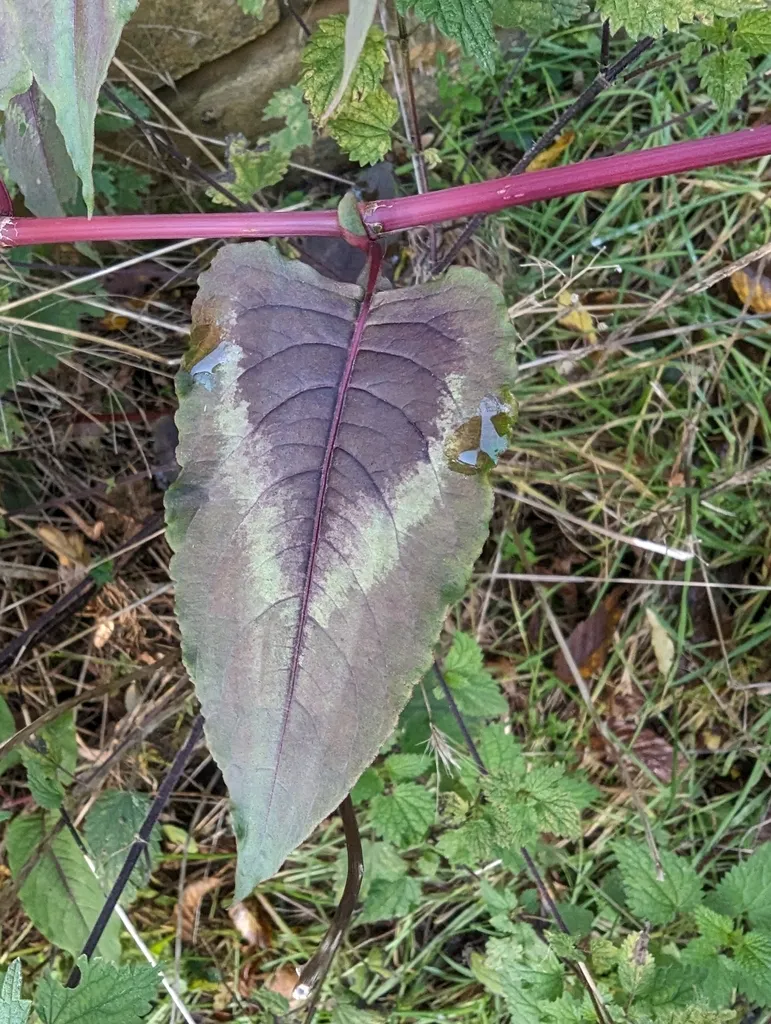
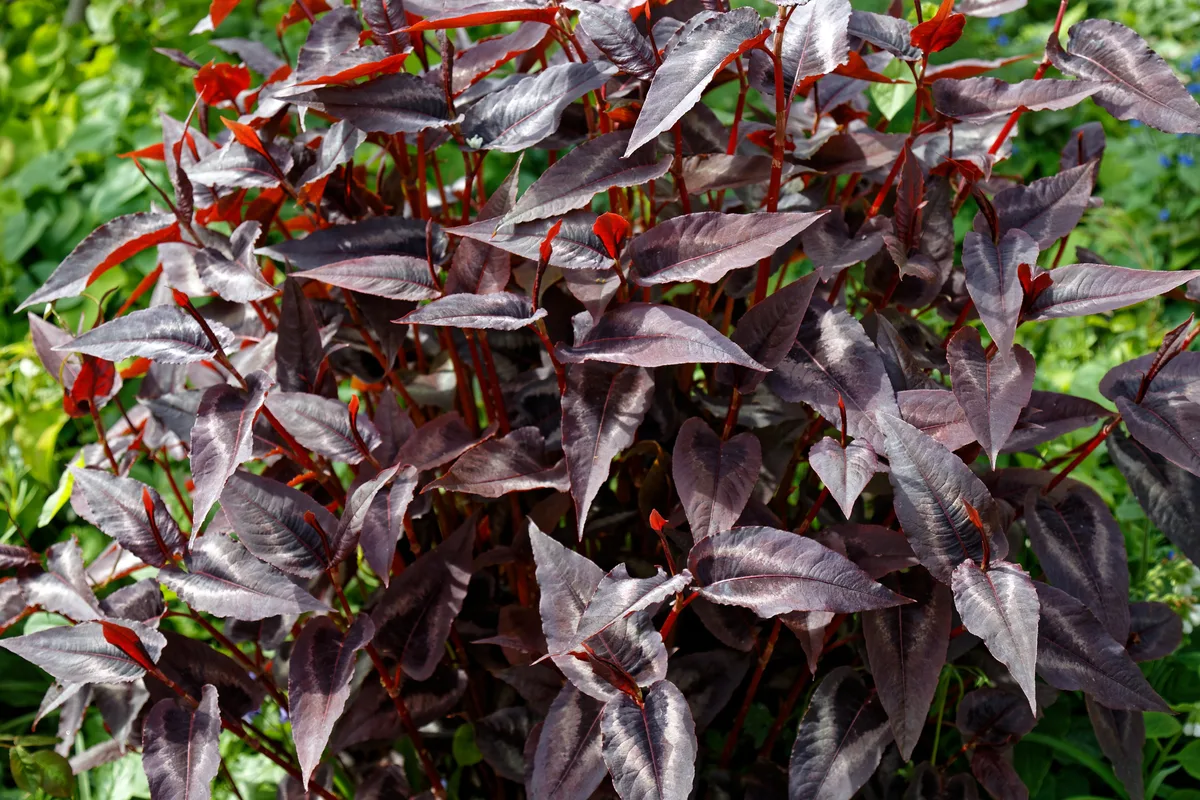
Distribution of small-headed knotweed
Distribution map
Information to be completed
Information to be completed
Culture
Information to be completed
Toxicity
Contact with all parts may irritate skin, the sap may cause mild stomach upset if ingested. Wear gloves and other protective equipment when handling]
Quick identification of small-headed knotweed
Information to be completed
small-headed knotweed care guide
- Moderate regular watering, avoid prolonged drought and stagnant waterlogging
- Watering
- Full sun · Partial shade
- Sunlight
- Information to be completed
- Ideal temperature

Watering
Moderate regular watering, avoid prolonged drought and stagnant waterlogging
Fertilizing
 Fertilizing
Balanced perennial feed every four weeks spring through summer growth
Pruning
 Pruning
Cut back in autumn
Propagation
 Propagation
Propagate by seed in spring, or propagate by stem tip cuttings of non flowering shoots or by division
Growing
 Growing
Grow in well-drained or moisture retentive soil in sun or part-shade. Dense groundcover, can be invasive so needs careful siting
People also ask
Information to be completed
Common pests and diseases
Diseases
Usually trouble free
Pests
Usually trouble free
Explore the plant health library →




