
Kishtvar cranesbill
Also known as: Information to be completed
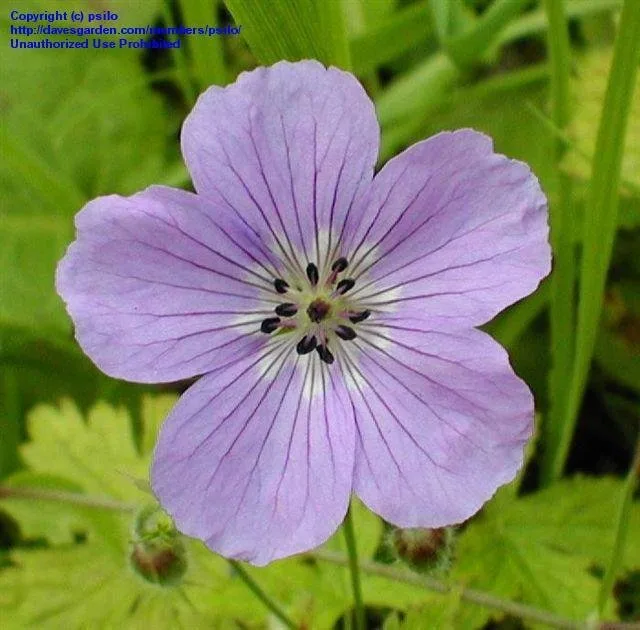
A rhizomatous herbaceous perennial, 30cm high, with deciduous, five-lobed, finely toothed, wrinkled, bright green leaves, 4-9cm across, and upward-facing, shallowly cup-shaped flowers, 4cm across, with dark, almost black anthers and stigmas, and petals which are rich purple or intensely rich pink, with fine purple veins, and with a small white V-shaped patch at the base of each petal, over a long flowering period throughout summer
Scientific classification
- Species
- Kishtvar cranesbill (Geranium kishtvariense)
- Genus
- Geranium
- Family
- Geraniaceae
- Information to be completed
- Toxicity
- Herbaceous Perennial
- Plant type
- 0.1-0.5 metres
- Height
- 0.5-1 metres
- Spread
- Deciduous
- Foliage
- Clump forming
- Habit
- Spring · Summer · Autumn
- Season of interest
- Full sun · Partial shade
- Sunlight
- Information to be completed
- Ideal temperature









Kishtvar cranesbill pictures
Distribution of Kishtvar cranesbill
Distribution map
Western Himalaya
Information to be completed
Culture
Information to be completed
Toxicity
Information to be completed
Quick identification of Kishtvar cranesbill
Information to be completed
Kishtvar cranesbill care guide
- Moderate regular watering, allowing brief slight drying between soakings
- Watering
- Full sun · Partial shade
- Sunlight
- Information to be completed
- Ideal temperature

Watering
Moderate regular watering, allowing brief slight drying between soakings
Fertilizing
 Fertilizing
Balanced perennial feed every four weeks from spring through summer
Pruning
 Pruning
No pruning required
Propagation
 Propagation
Propagate by seed, sown in containers outdoors as soon as seed is ripe or in spring, or by division in spring
Growing
 Growing
Grow in partial shade, or in sun if in a cool position, in humus-rich, moist but well-drained soil
People also ask
Information to be completed
Common pests and diseases
Diseases
May be susceptible to rust, a downy mildew, leafy gall, and virus diseases; may also be affected powdery mildews in dry conditions. Generally disease-free
Pests
May be susceptible to capsid bug, geranium sawfly, vine weevil, slugs and snails. Generally pest-free
Explore the plant health library →




