
shining cranesbill
Also known as: Information to be completed
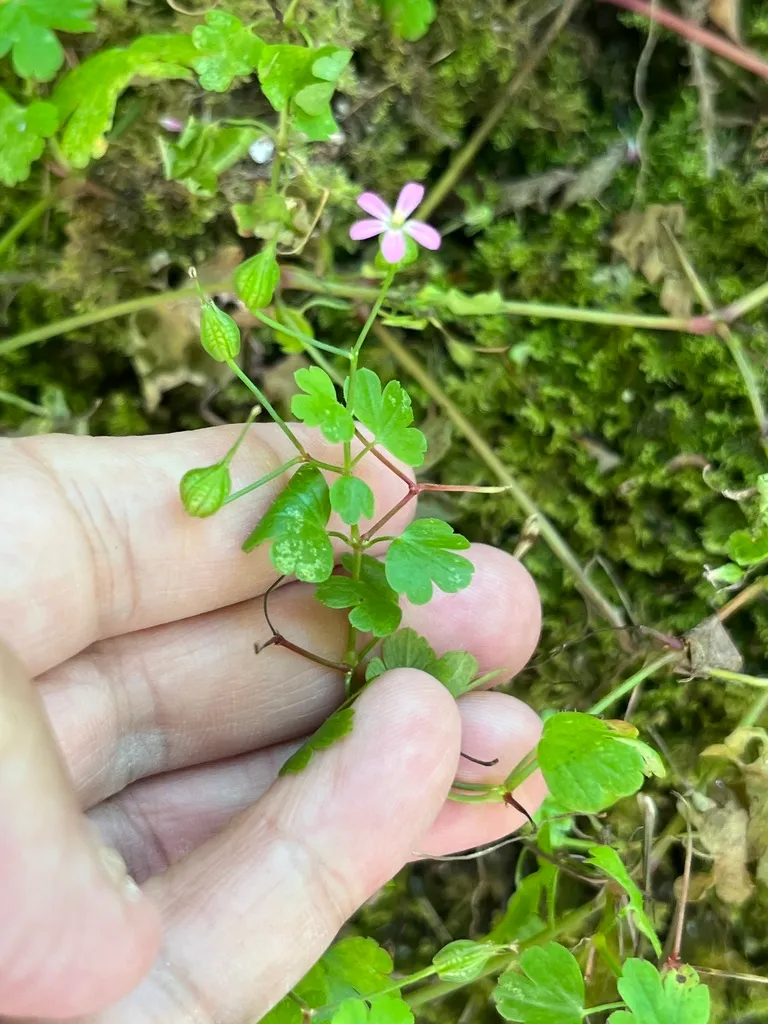
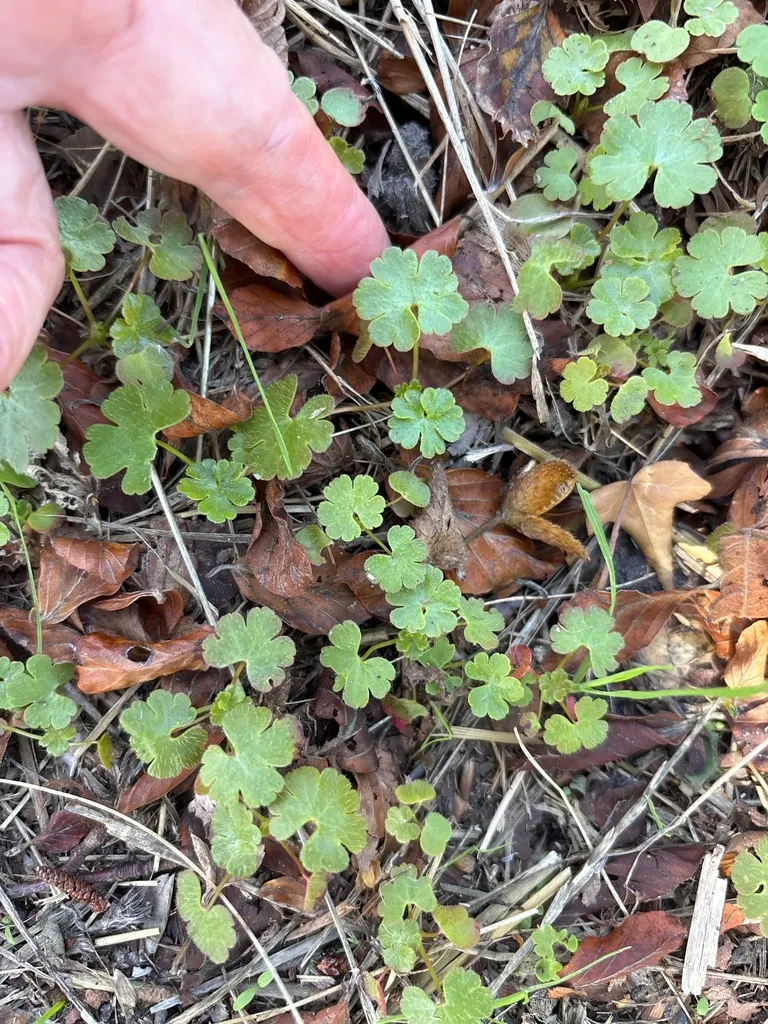
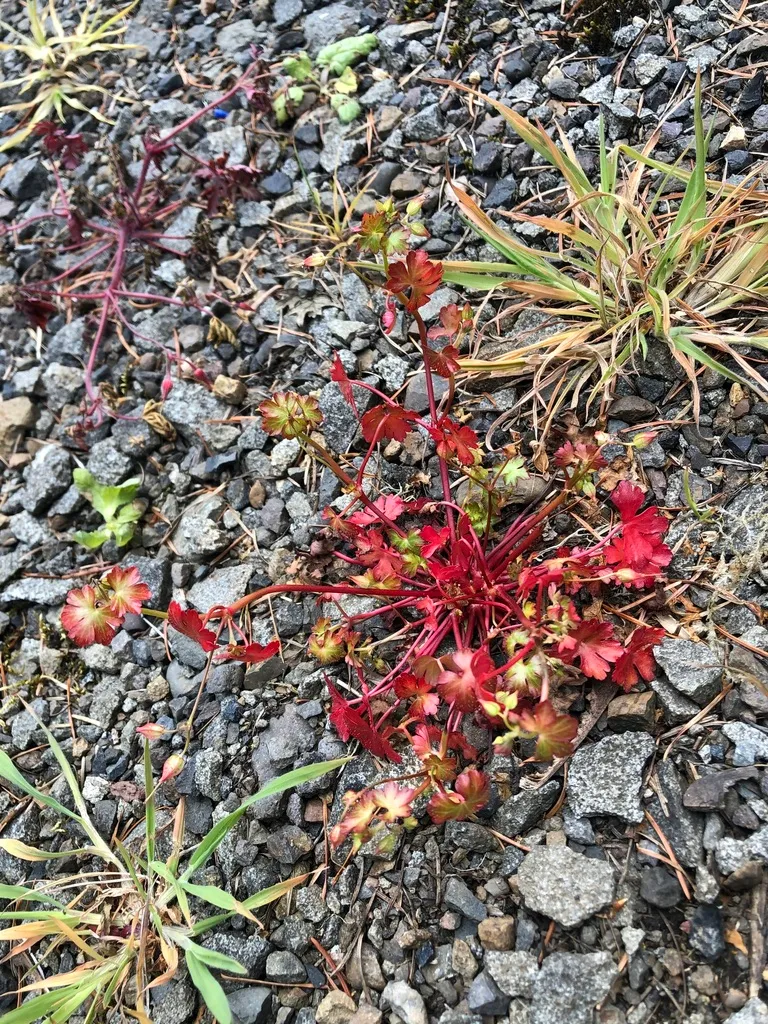
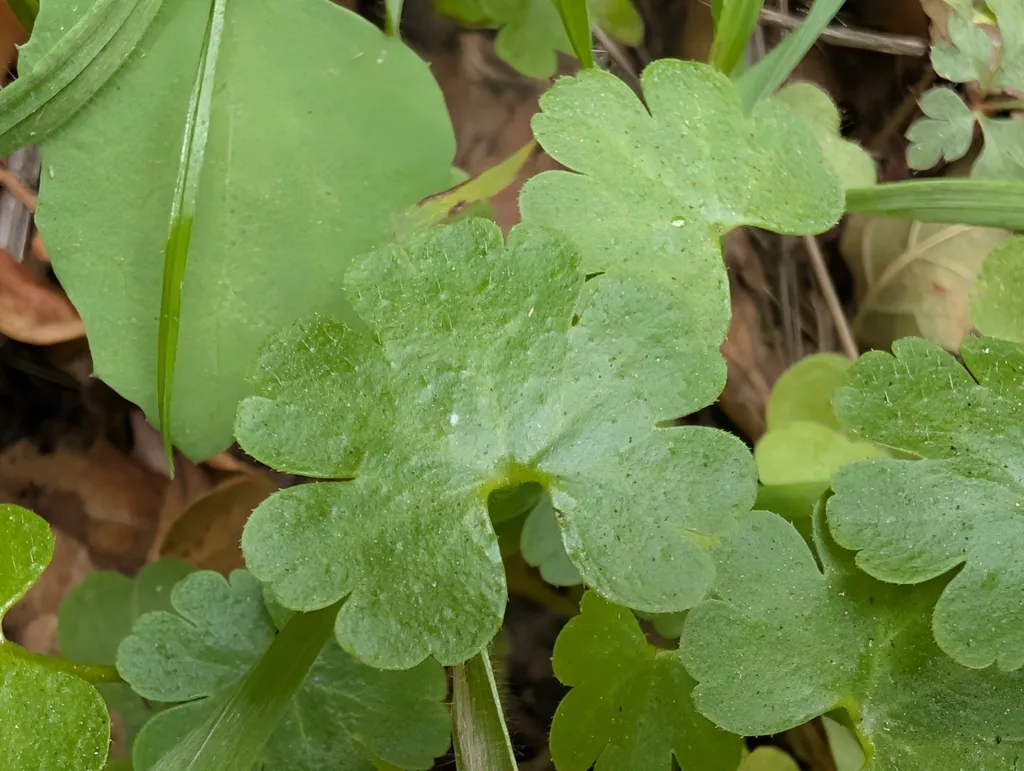
An annual to 40cm tall with branched, ascending, brittle and fleshy stems and glossy green, red-tinged leaves that are rounded to kidney-shaped with five to seven lobes and blunt teeth. Tiny pink flowers are borne in pairs from spring into summer
Scientific classification
- Species
- shining cranesbill (Geranium lucidum)
- Genus
- Geranium
- Family
- Geraniaceae
- Information to be completed
- Toxicity
- Annual Biennial
- Plant type
- 0.1-0.5 metres
- Height
- 0.1-0.5 metres
- Spread
- Deciduous
- Foliage
- Clump forming · Matforming
- Habit
- Spring · Summer · Autumn
- Season of interest
- Full sun · Partial shade
- Sunlight
- Information to be completed
- Ideal temperature









shining cranesbill pictures
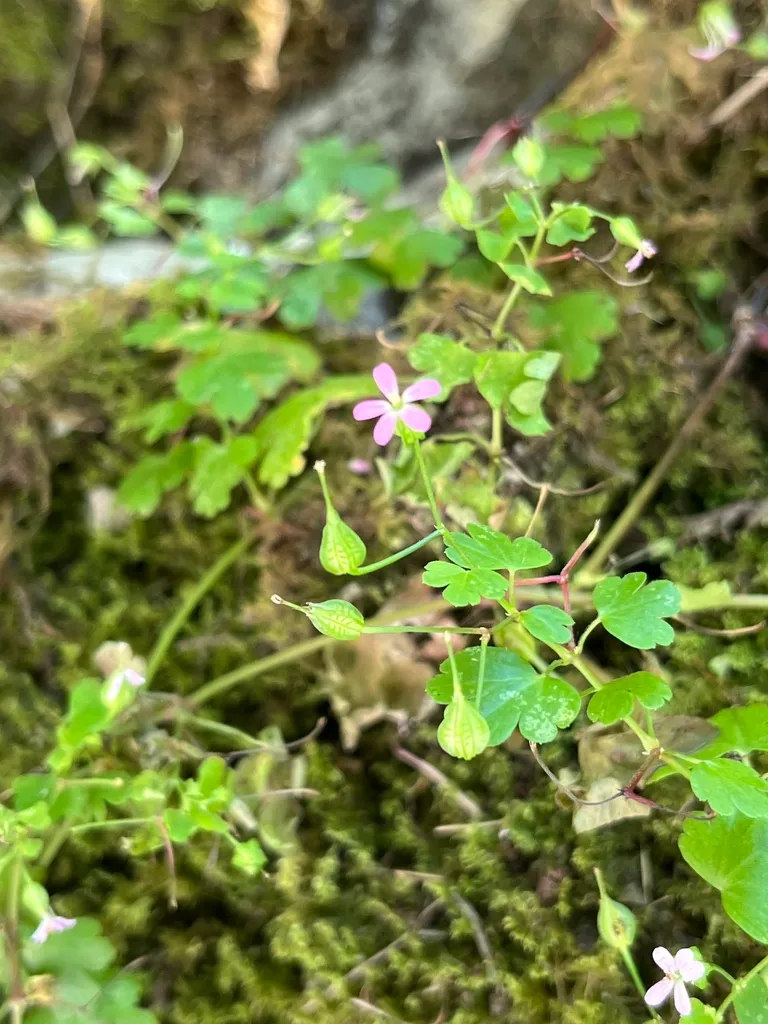
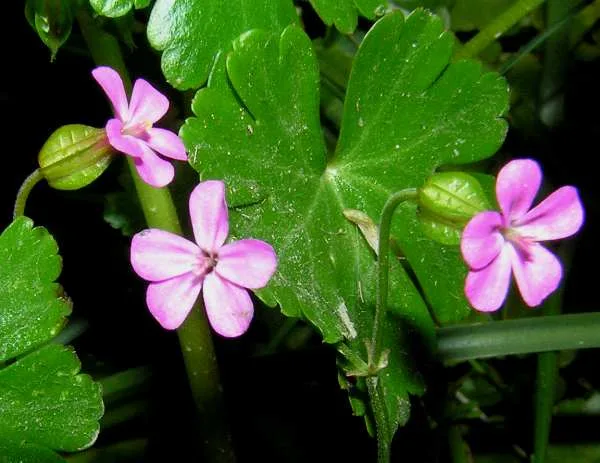
Distribution of shining cranesbill
Distribution map
Information to be completed
Information to be completed
Culture
Information to be completed
Toxicity
Information to be completed
Quick identification of shining cranesbill
Information to be completed
shining cranesbill care guide
- Moderate regular watering, allowing brief slight drying between soakings
- Watering
- Full sun · Partial shade
- Sunlight
- Information to be completed
- Ideal temperature

Watering
Moderate regular watering, allowing brief slight drying between soakings
Fertilizing
 Fertilizing
Balanced perennial feed every four weeks from spring through summer
Pruning
 Pruning
No pruning required
Propagation
 Propagation
Spreads readily by seed
Growing
 Growing
Grows naturally in well-drained, alkaline soils in full sun or partial shade and often found on limestone rocks and walls; also grows on verges, banks, in gardens and on uncultivated land
People also ask
Information to be completed
Common pests and diseases
Diseases
May be susceptible to powdery mildews
Pests
Generally pest-free
Explore the plant health library →




