
smilax asparagus
Also known as: florists' smilax; baby smilax; Boston smilax; florist's asparagus; smilax; wreath lily
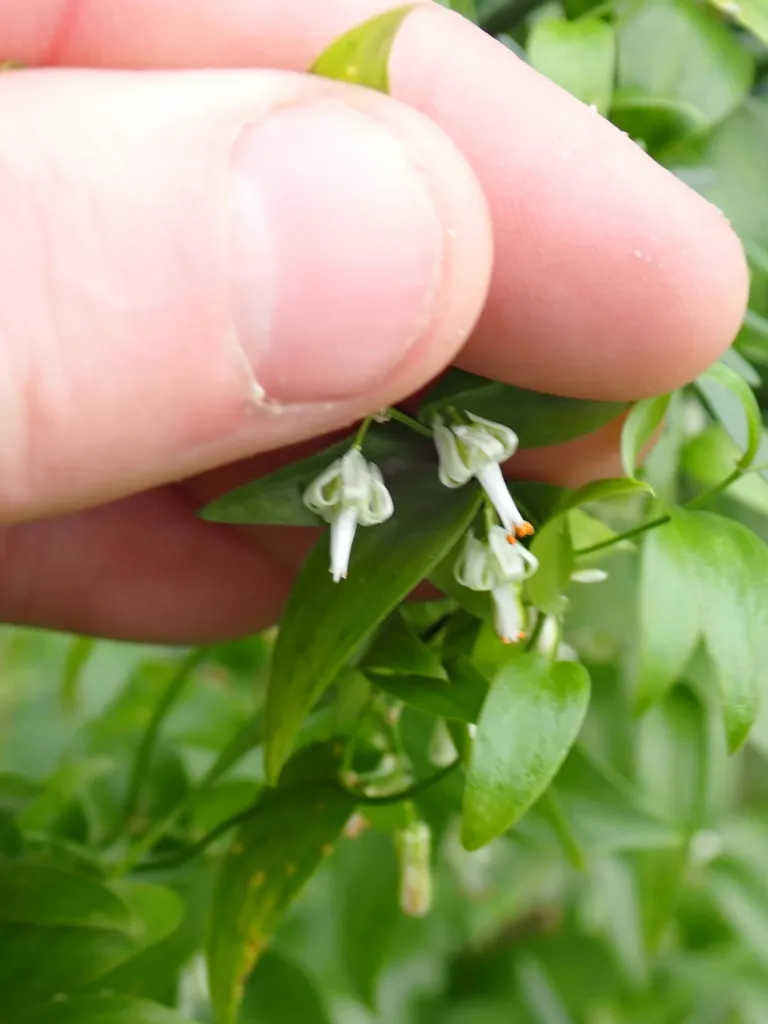
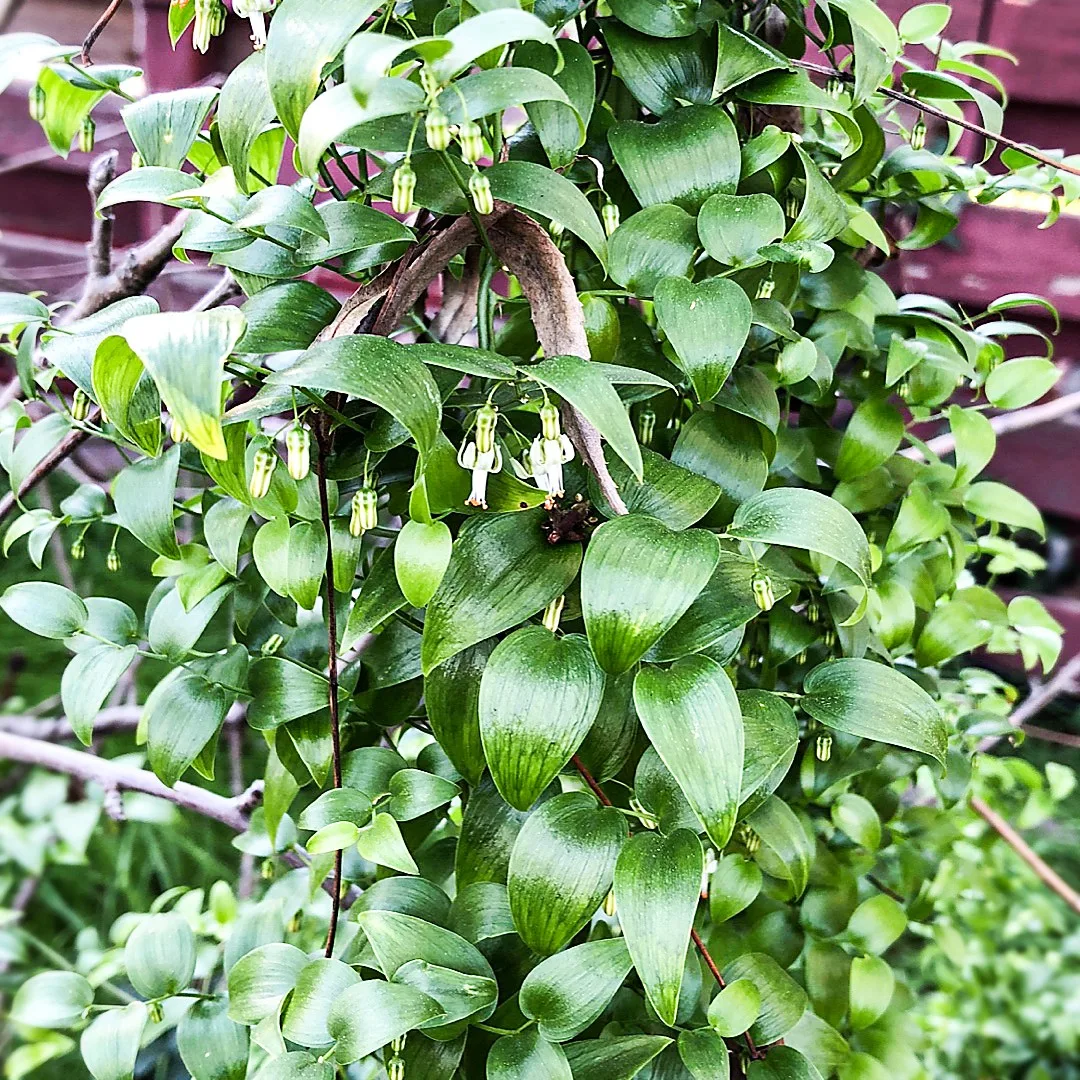
A scrambling, herbaceous, twining climber with stems reaching up to 3m, spreading by seed and tubers. Glossy green, sometimes heart shaped leaves, with white flowers in spring. Considered invasive in Australia and parts of North America.
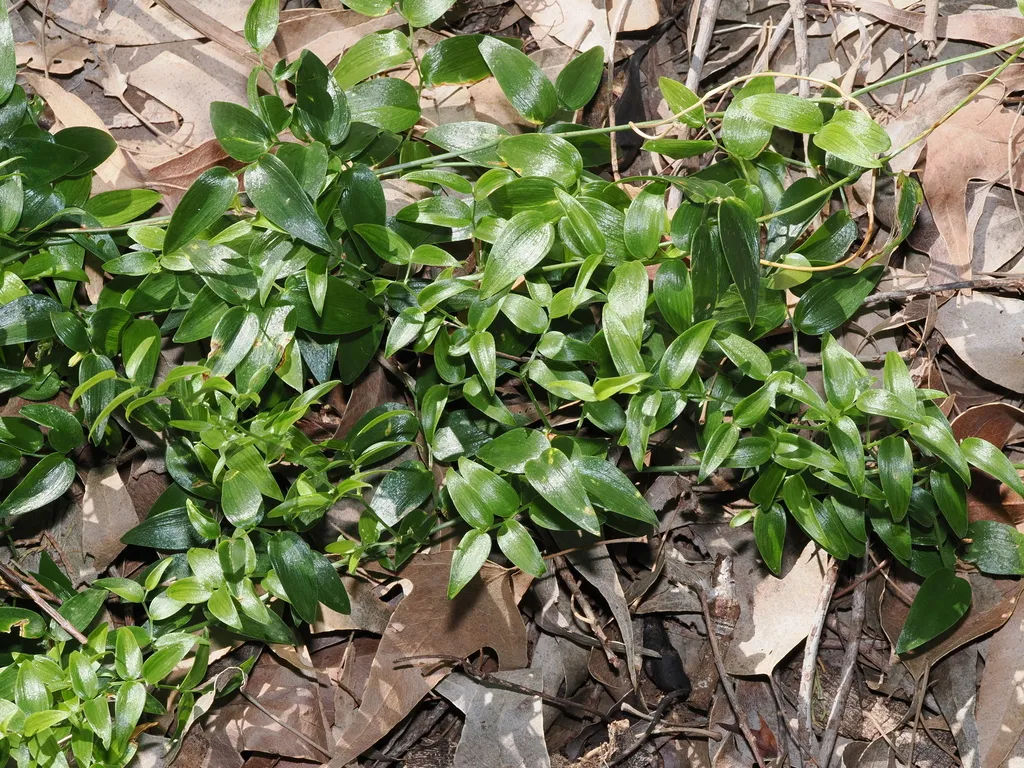
Scientific classification
- Species
- smilax asparagus (Asparagus asparagoides)
- Genus
- Asparagus
- Family
- Asparagaceae
- Order
- Asparagales
- Class
- Liliopsida
- Phylum
- Magnoliophyta
- Skin allergen, fruits harmful if eaten. Wear gloves and other protective equipment when handling]
- Toxicity
- Climber Wall Shrub · Conservatory Greenhouse
- Plant type
- 2.5-4 metres
- Height
- 1.5-2.5 metres
- Spread
- Deciduous
- Foliage
- Climbing
- Habit
- Spring · Summer · Autumn
- Season of interest
- Full sun · Partial shade
- Sunlight
- Information to be completed
- Ideal temperature









smilax asparagus pictures
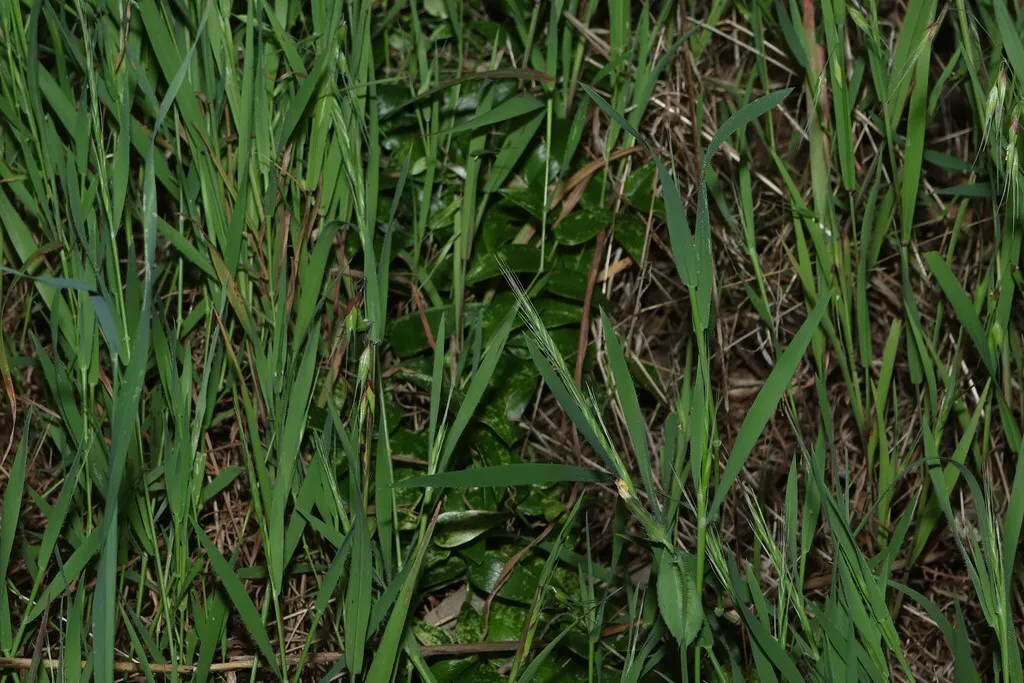
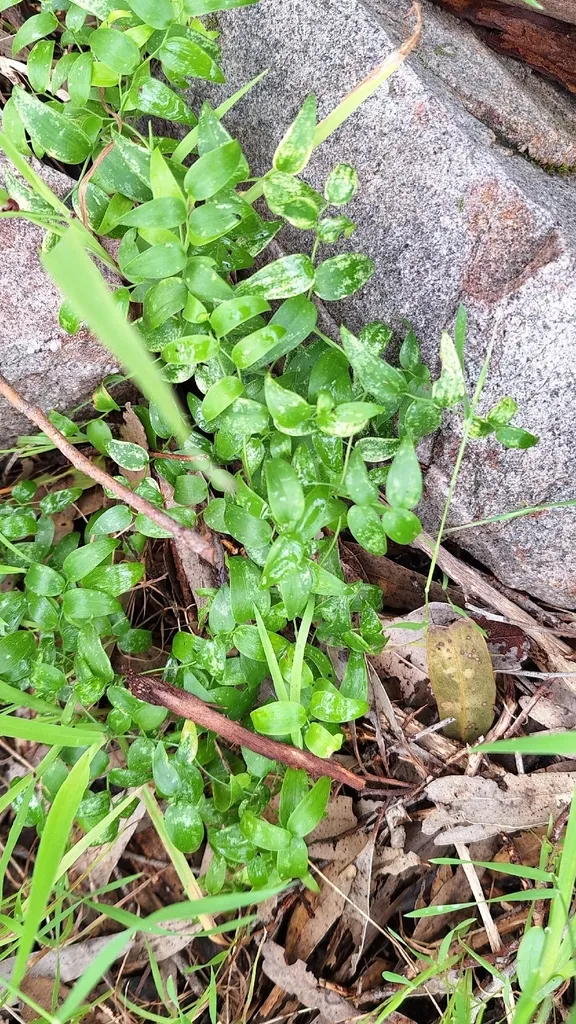
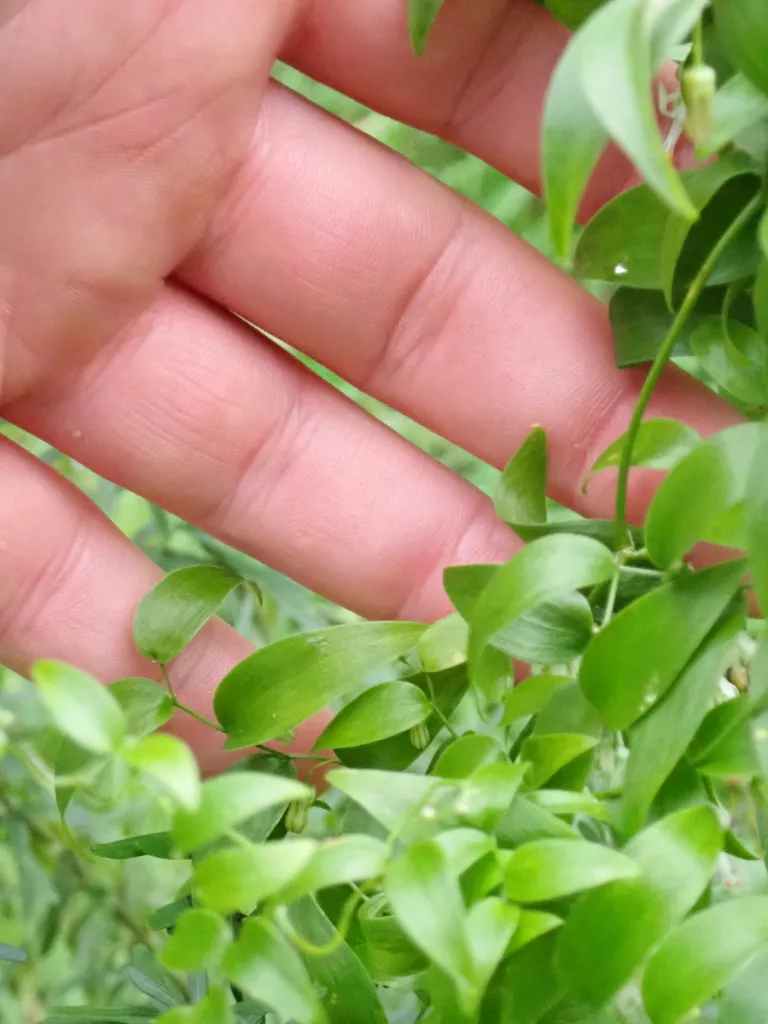
Distribution of smilax asparagus
Distribution map
- Native
- Introduced
- Cultivated
Source:WCVP v16 · Royal Botanic Gardens, Kew · CC BY 3.0 · Boundaries:WGSRPD / TDWG
Toxicity
Skin allergen, fruits harmful if eaten. Wear gloves and other protective equipment when handling]
smilax asparagus care guide
- Moderate regular watering, avoid prolonged drought or waterlogging
- Watering
- Full sun · Partial shade
- Sunlight

Watering
Moderate regular watering, avoid prolonged drought or waterlogging
Fertilizing
 Fertilizing
Balanced feed in spring and light repeat in growth season
Pruning
 Pruning
Cut back stems that die down after flowering
Propagation
 Propagation
Propagate by seed. Divide tubers when dormant.
Growing
 Growing
Grow in well-drained soil as tender perennial or conservatory plant.
Common pests and diseases
Diseases
Generally disease-free
Pests
Generally pest-free
Explore the plant health library →




