
dove's foot cranesbill
Also known as: culver root; dove's foot; starlight
An annual to about 30cm with hairy, grey-green, deeply lobed leaves and tiny, dark pink to white notched flowers from spring to autumn followed by explosive seed pods. Mainly found in dry, poorly growing garden lawns. Despite the potential to become a nuisance, it can be a useful addition to a wildlife garden or meadow for attracting bees
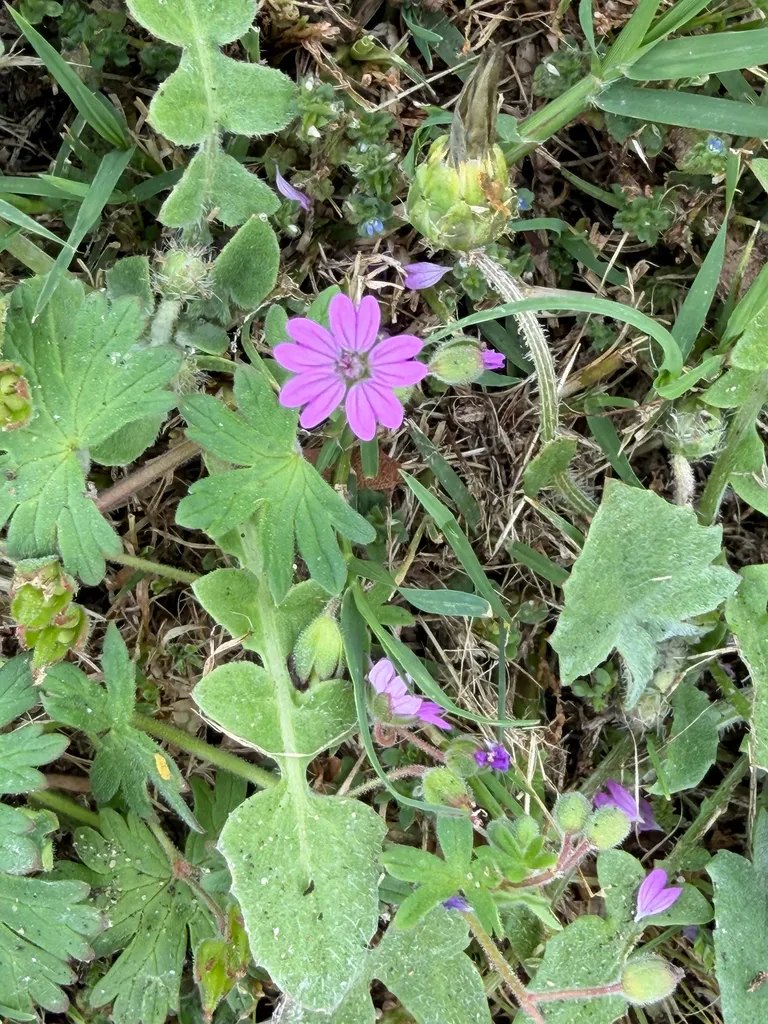
Scientific classification
- Species
- dove's foot cranesbill (Geranium molle)
- Genus
- Geranium
- Family
- Geraniaceae
- Information to be completed
- Toxicity
- Annual Biennial
- Plant type
- 0.1-0.5 metres
- Height
- 0.1-0.5 metres
- Spread
- Deciduous
- Foliage
- Clump forming
- Habit
- Spring · Summer · Autumn
- Season of interest
- Full sun · Partial shade
- Sunlight
- Information to be completed
- Ideal temperature









dove's foot cranesbill pictures
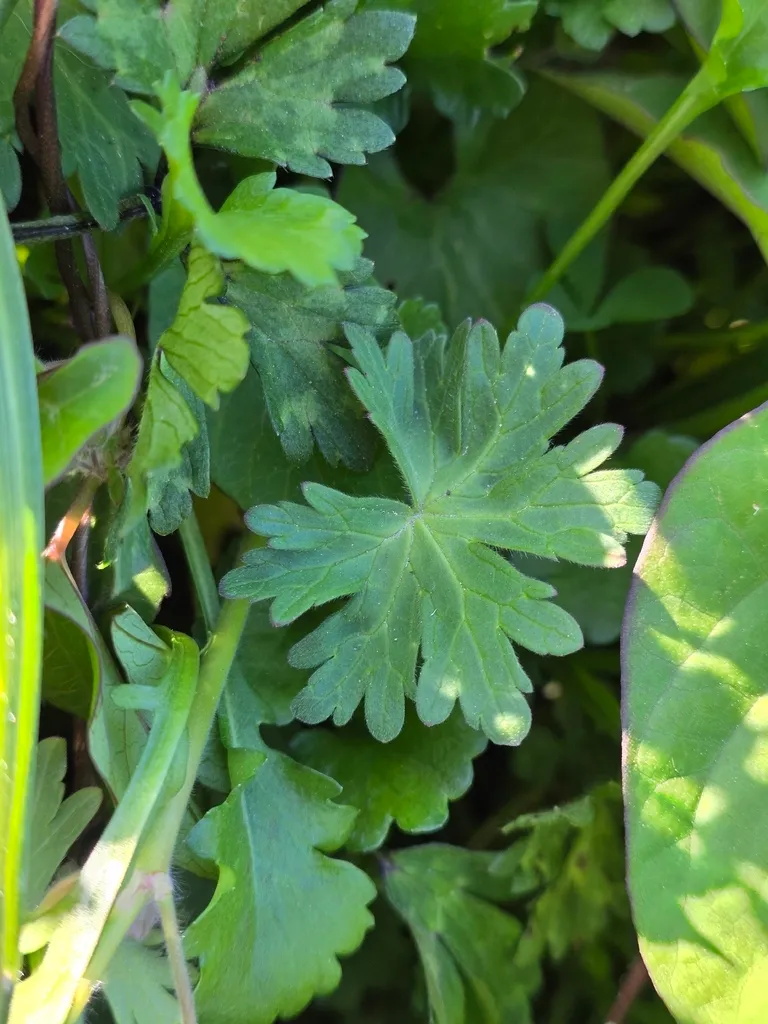
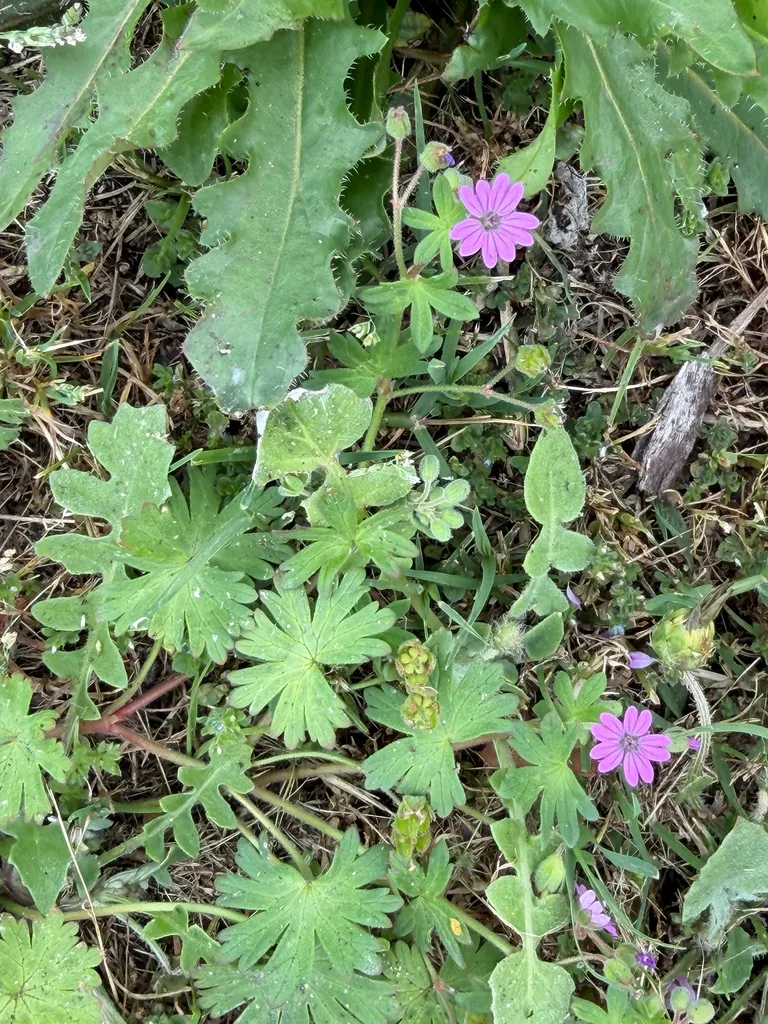
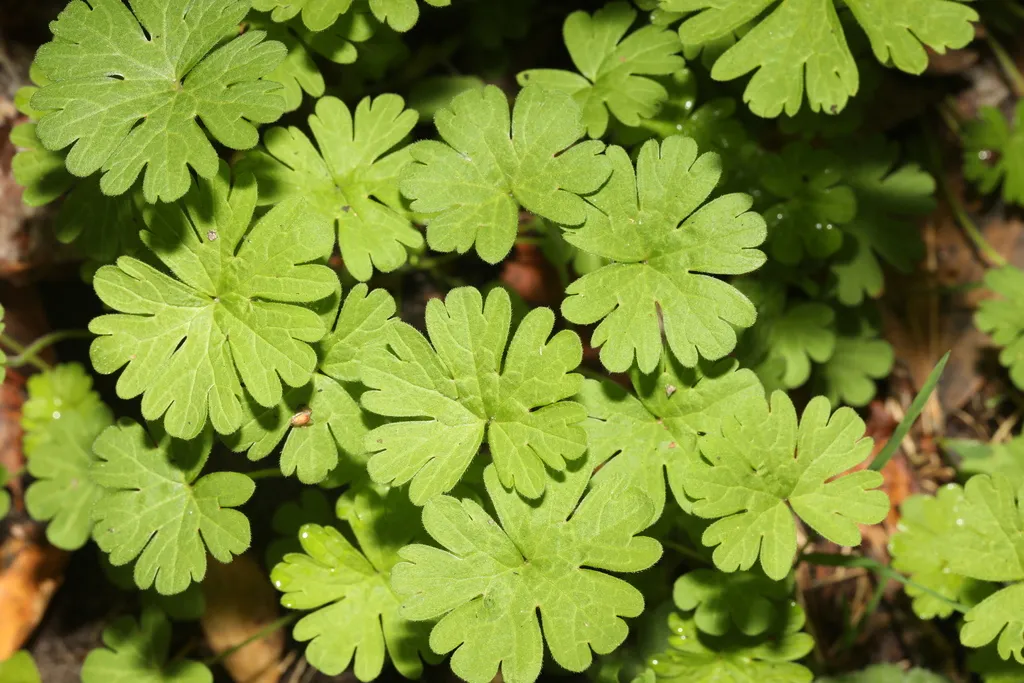
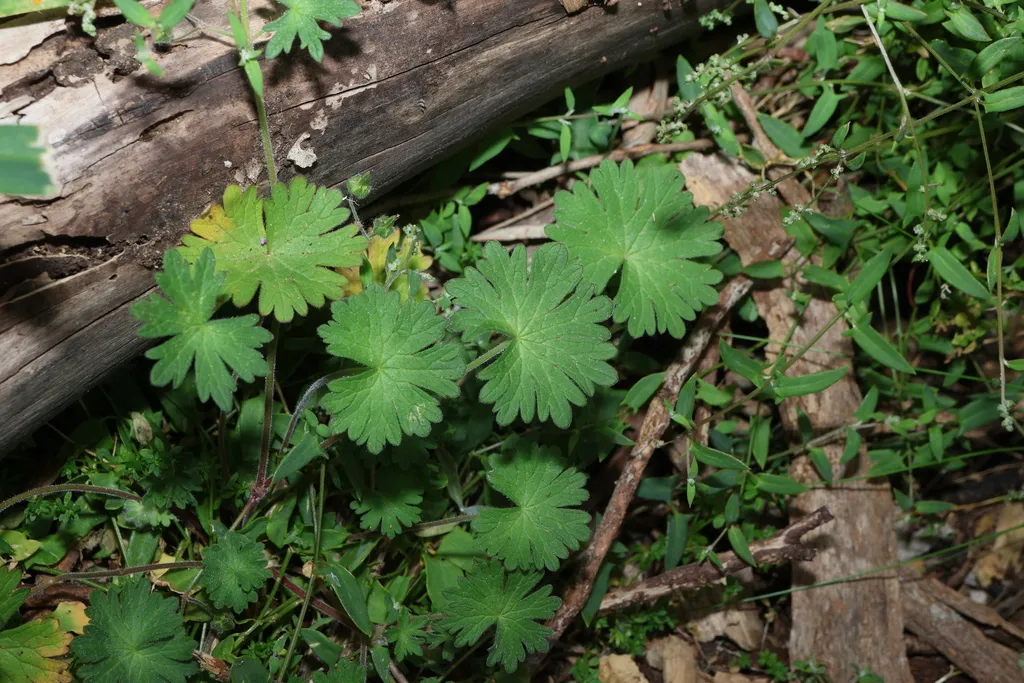
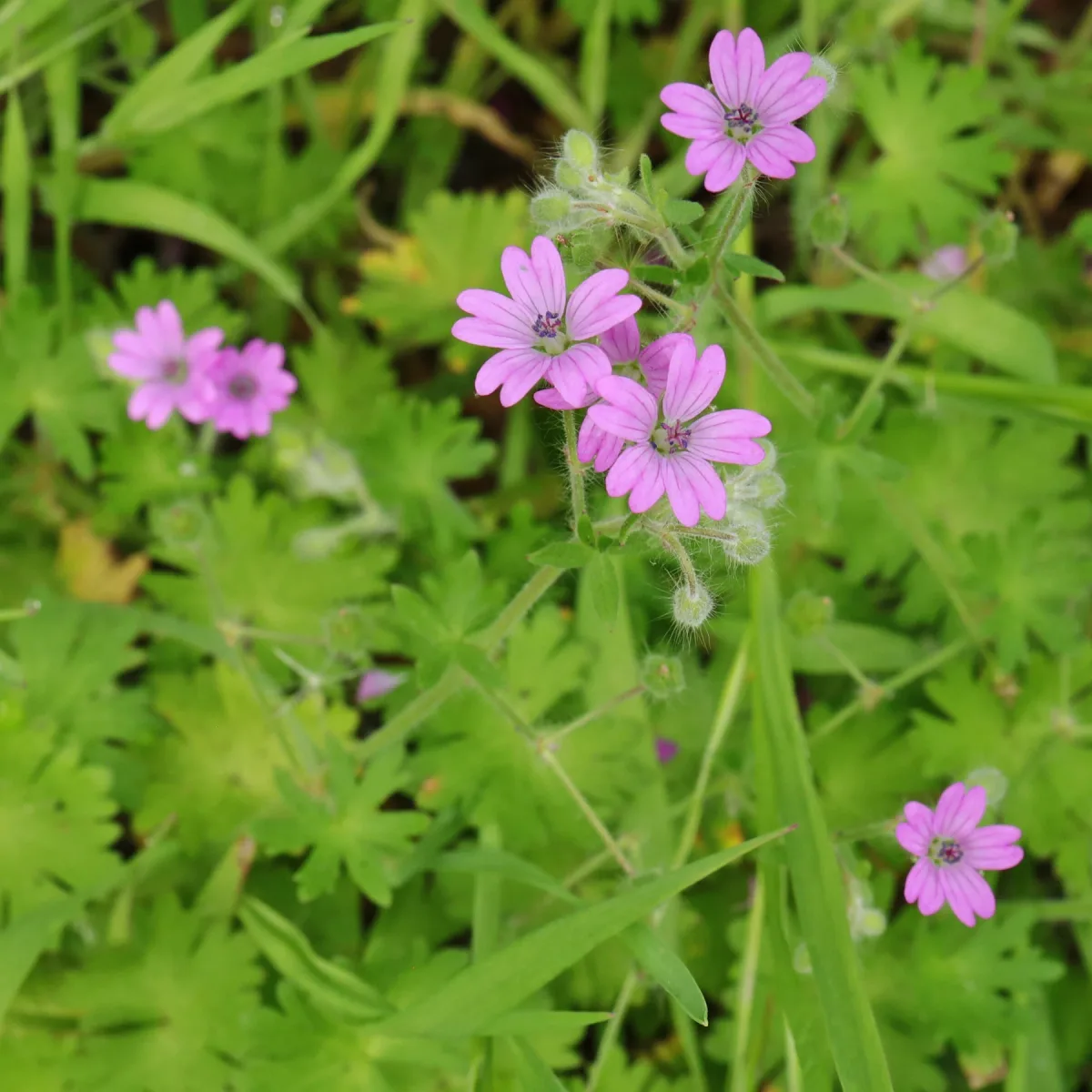
Distribution of dove's foot cranesbill
Distribution map
Europe, Northern Africa, Southwestern Asia
Information to be completed
Culture
Information to be completed
Toxicity
Information to be completed
Quick identification of dove's foot cranesbill
Information to be completed
dove's foot cranesbill care guide
- Moderate regular watering, allowing brief slight drying between soakings
- Watering
- Full sun · Partial shade
- Sunlight
- Information to be completed
- Ideal temperature

Watering
Moderate regular watering, allowing brief slight drying between soakings
Fertilizing
 Fertilizing
Balanced perennial feed every four weeks from spring through summer
Pruning
 Pruning
No pruning required
Propagation
 Propagation
Explosive seed pods mean this annual can spread rapidly across a lawn if allowed to flower
Growing
 Growing
Grows naturally in dryish soils in cultivated and waste areas, and grassland, and may appear as a lawn weed. See dove's foot cranebill for further advice
People also ask
Information to be completed
Common pests and diseases
Diseases
May be susceptible to powdery mildews
Pests
Generally pest-free
Explore the plant health library →




