
herb robert
Also known as: death-comes-quickly; dragon's blood; fox geranium; fox grass; Jenny Wren; kiss-me-quick; knife and fork; little bachelor's buttons; little red robin; nightingales; pink bird's eye; pink pinafore; red bird's eye; red robin; redshanks; St Robert's herb; stinking Robert; wren flower
An annual or biennial to 30cm, forming a rosette of deeply dissected, strongly aromatic leaves. Large, open sprays of pale pink flowers to 1cm across appear in summer and autumn. It can be found in woodland, hedgerows and coastal locations and be useful for ground cover in shaded areas, but self-seeds readily, with the potential to become a nuisance if not kept in check. Despite this, it can be a useful plant for hoverflies when grown within a wildlife garden
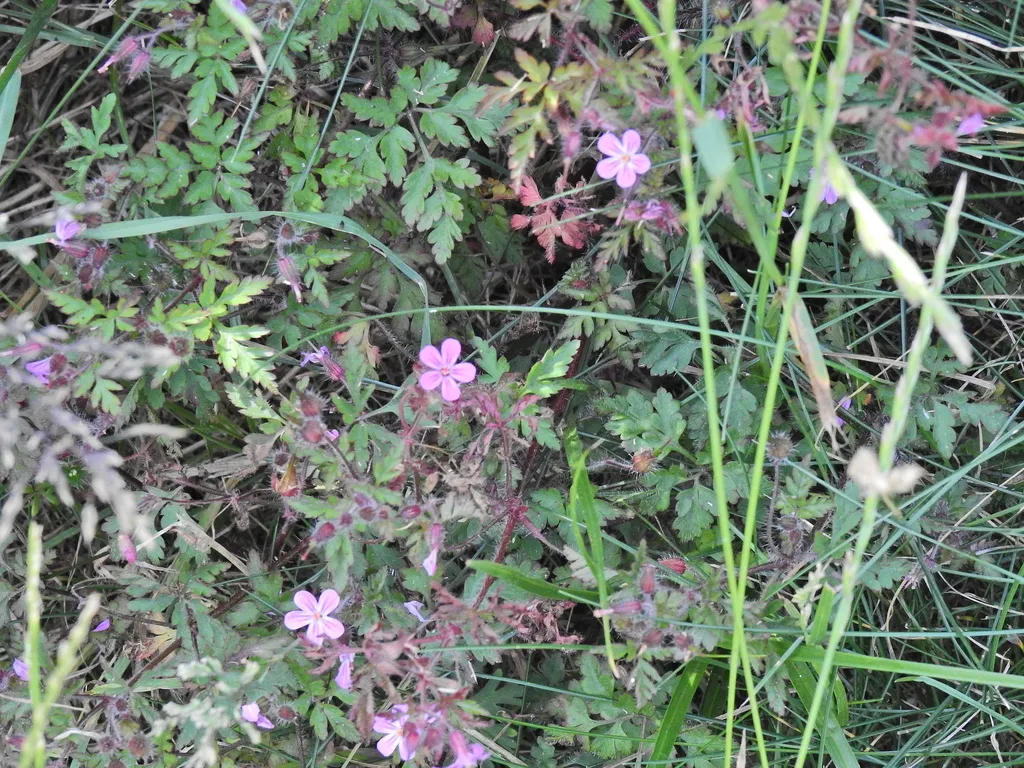
Scientific classification
- Species
- herb robert (Geranium robertianum)
- Genus
- Geranium
- Family
- Geraniaceae
- Information to be completed
- Toxicity
- Annual Biennial
- Plant type
- 0.1-0.5 metres
- Height
- 0.1-0.5 metres
- Spread
- Deciduous
- Foliage
- Information to be completed
- Habit
- Spring · Summer · Autumn
- Season of interest
- Full sun · Partial shade
- Sunlight
- Information to be completed
- Ideal temperature









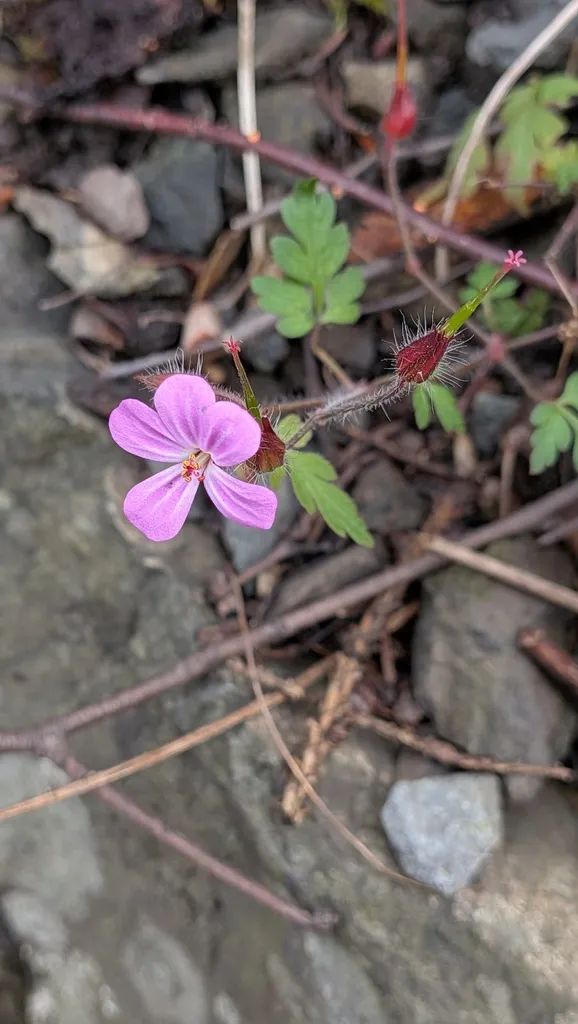
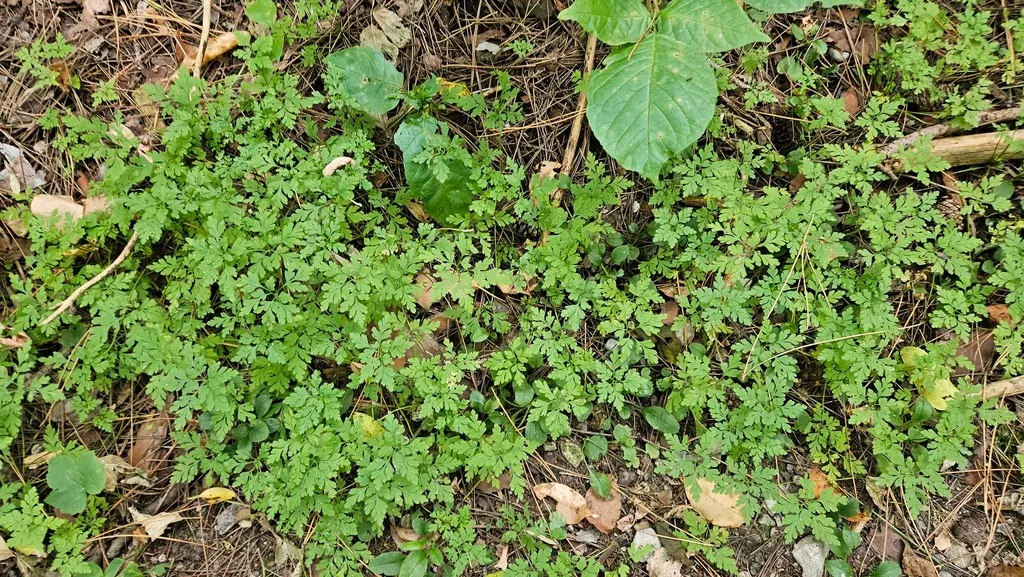
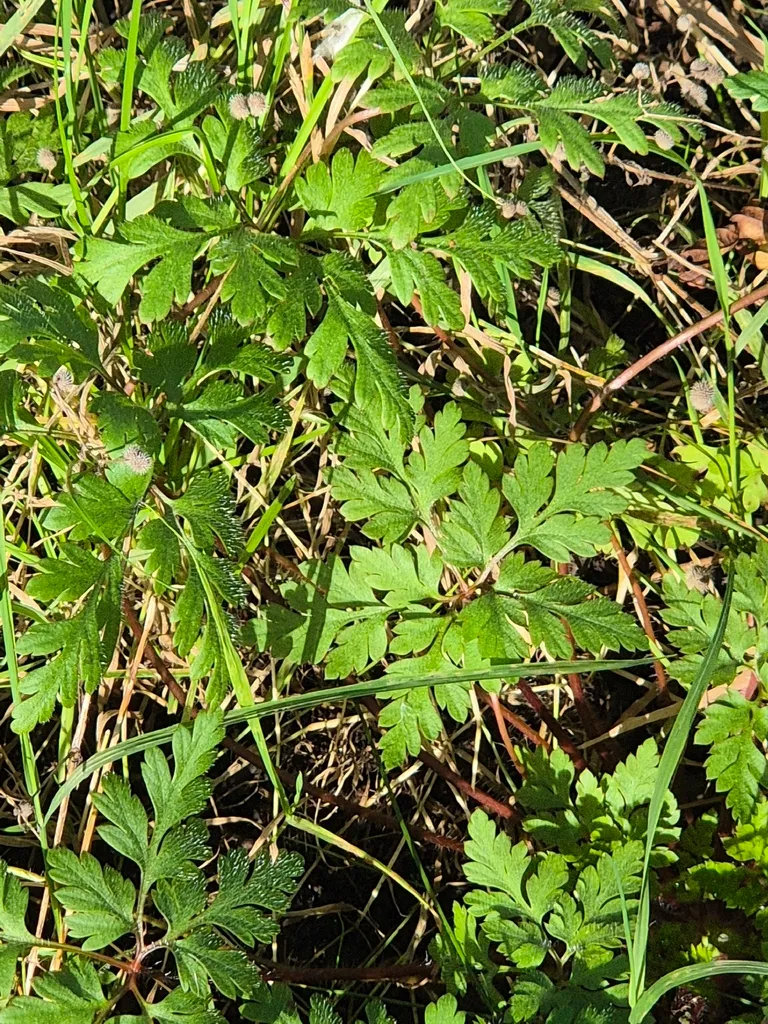
herb robert pictures
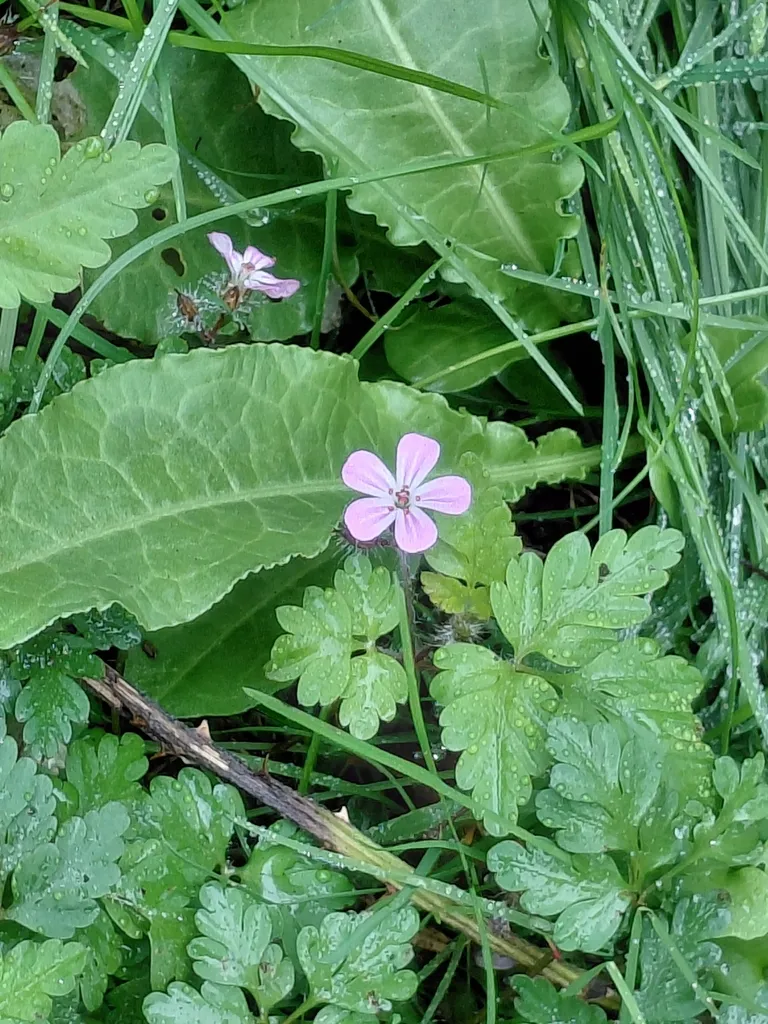
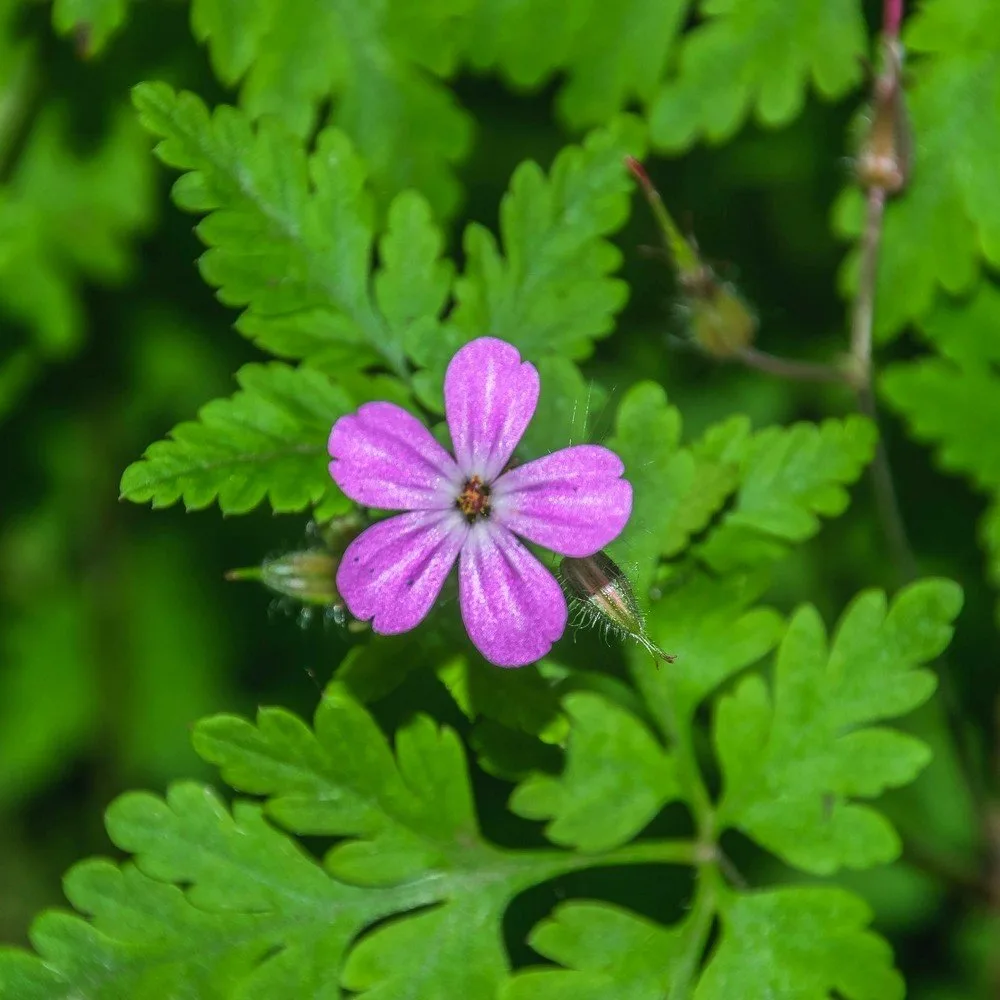
Distribution of herb robert
Distribution map
Temperate N. Hemisphere
Information to be completed
Culture
Information to be completed
Toxicity
Information to be completed
Quick identification of herb robert
Information to be completed
herb robert care guide
- Moderate watering, allow slight drying between soakings
- Watering
- Full sun · Partial shade
- Sunlight
- Information to be completed
- Ideal temperature

Watering
Moderate watering, allow slight drying between soakings
Fertilizing
 Fertilizing
Light balanced feed in spring and midsummer
Pruning
 Pruning
No pruning required
Propagation
 Propagation
Self-seeds freely with the potential to become a nuisance
Growing
 Growing
Thrives in sun or part shade in any well-drained soil. See herb robert for further advice
People also ask
Information to be completed
Common pests and diseases
Diseases
May be susceptible to downy mildew and powdery mildews
Pests
Generally pest-free
Explore the plant health library →




