
Wlassov's cranesbill
Also known as: Information to be completed
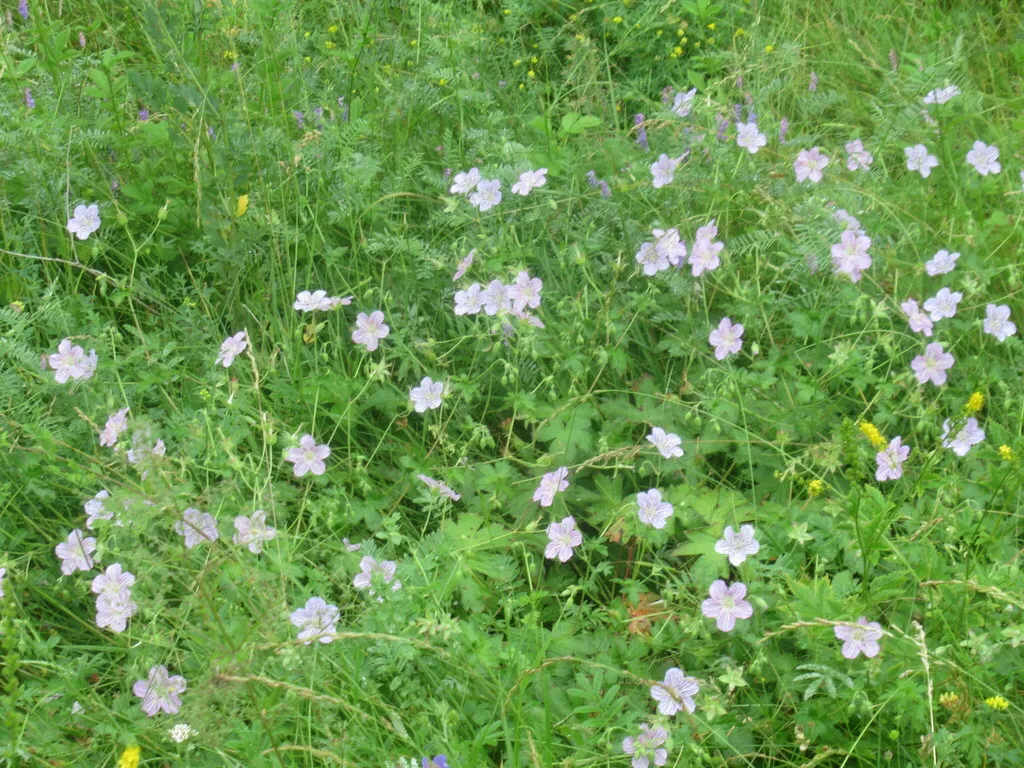
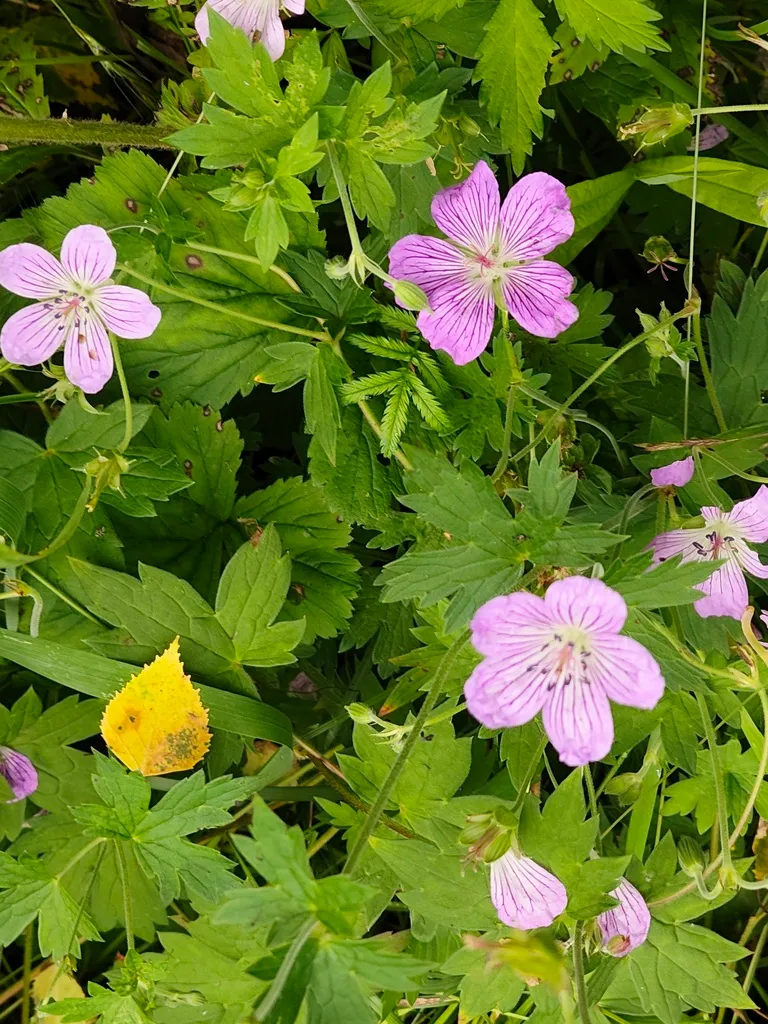
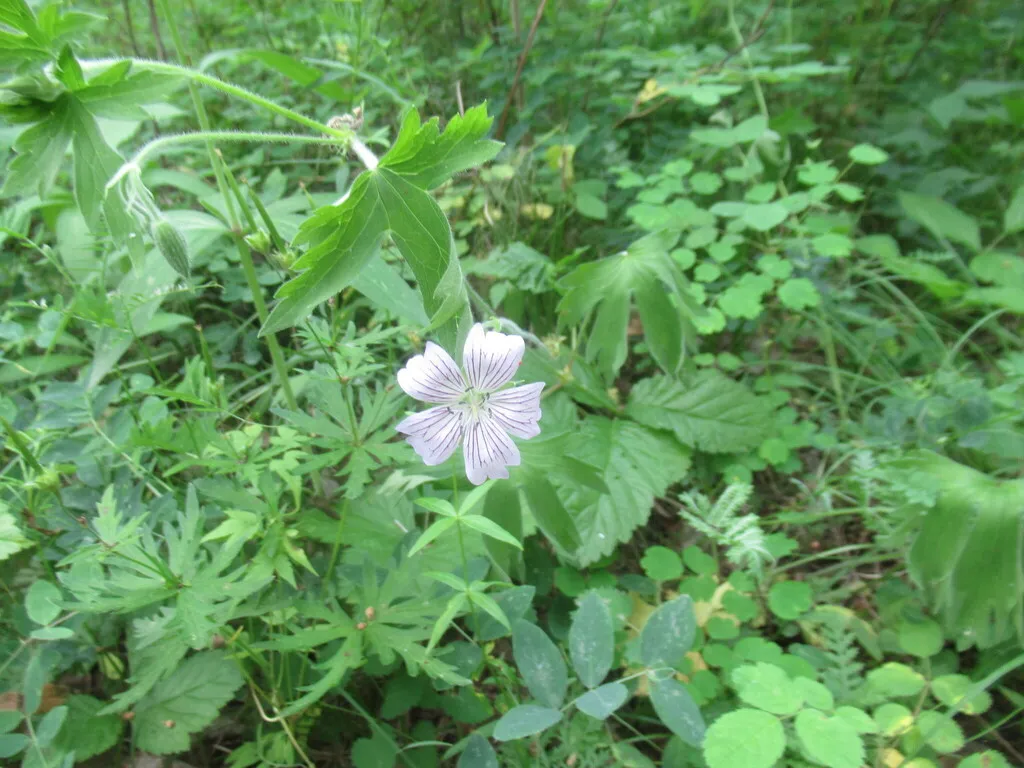
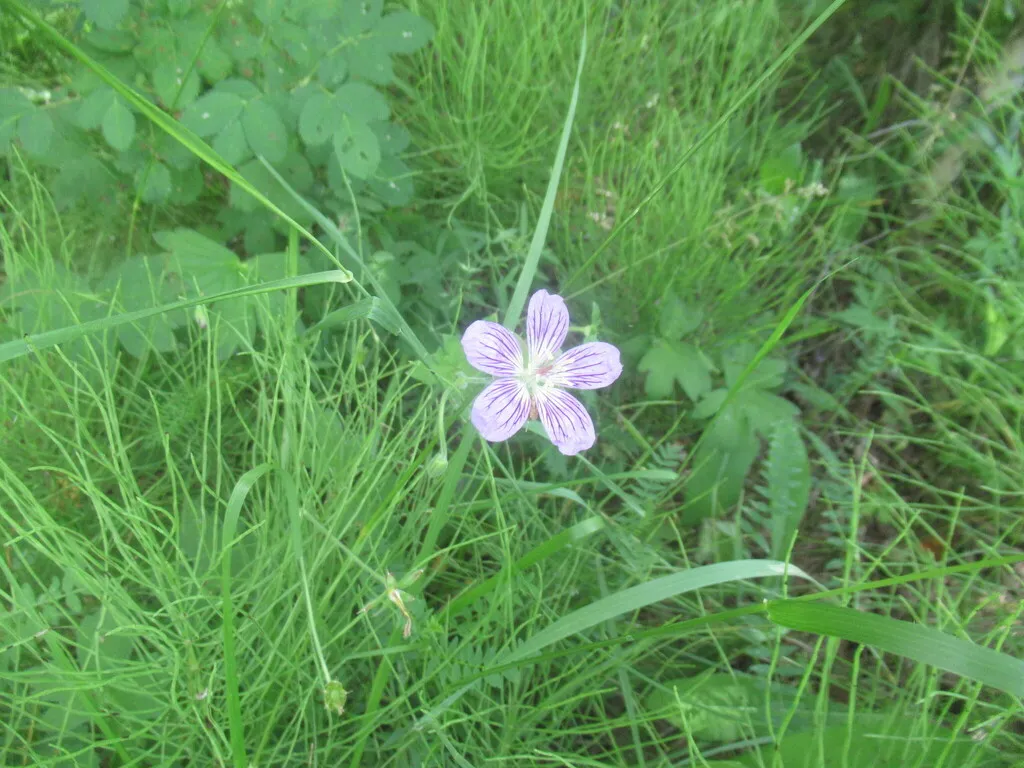
A clump-forming, softly hairy, herbaceous perennial growing to about 60cm in height and spread. The leaves are flushed with purple-bronze in spring and summer and red in autumn. Bears loose sprays of long-lasting, purple-pink or pink flowers with five distinct petals, from midsummer to early autumn
Scientific classification
- Species
- Wlassov's cranesbill (Geranium wlassovianum)
- Genus
- Geranium
- Family
- Geraniaceae
- Information to be completed
- Toxicity
- Herbaceous Perennial
- Plant type
- 0.5-1 metres
- Height
- 0.5-1 metres
- Spread
- Deciduous
- Foliage
- Bushy
- Habit
- Autumn · Spring · Summer
- Season of interest
- Full sun · Partial shade
- Sunlight
- Information to be completed
- Ideal temperature









Wlassov's cranesbill pictures
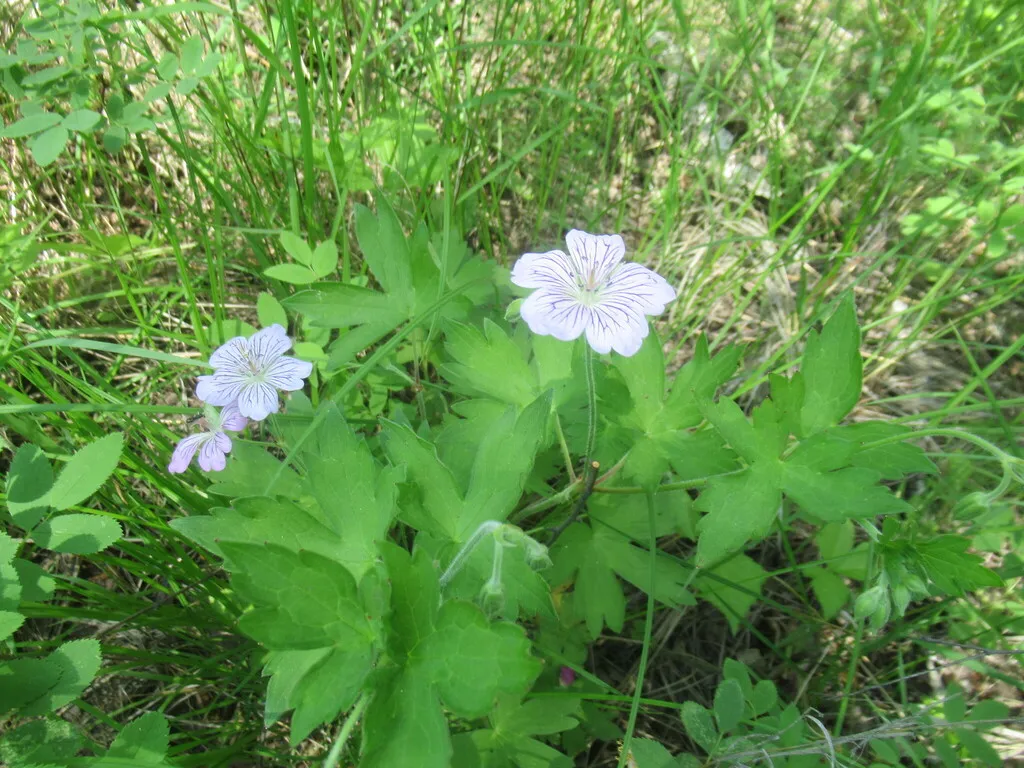
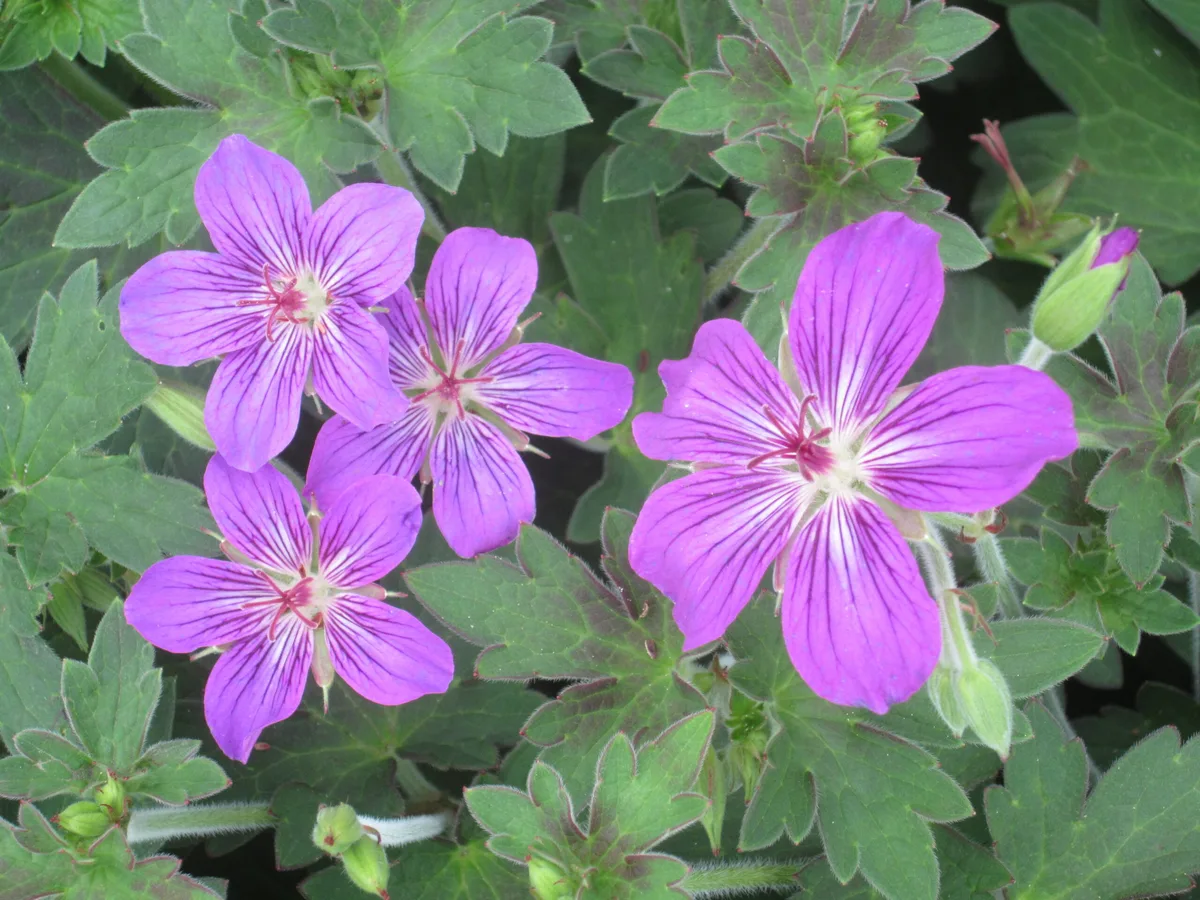
Distribution of Wlassov's cranesbill
Distribution map
Eastern Russia to China
Information to be completed
Culture
Information to be completed
Toxicity
Information to be completed
Quick identification of Wlassov's cranesbill
Information to be completed
Wlassov's cranesbill care guide
- Moderate regular watering, allowing brief slight drying between soakings
- Watering
- Full sun · Partial shade
- Sunlight
- Information to be completed
- Ideal temperature

Watering
Moderate regular watering, allowing brief slight drying between soakings
Fertilizing
 Fertilizing
Balanced perennial feed every four weeks from spring through summer
Pruning
 Pruning
No pruning needed
Propagation
 Propagation
Divide in spring or take basal, softwood cuttings in early or mid spring and root with bottom heat
Growing
 Growing
Generally easy to grow but prefers a moist soil
People also ask
Information to be completed
Common pests and diseases
Diseases
Occasionally affected by a virus or a downy mildew. Powdery mildews may develop in dry conditions
Pests
May be damaged by vine weevil larvae, sawfly larvae, capsid bug, slugs and snails
Explore the plant health library →




