
maidenhair tree
Also known as: fossil tree; icho
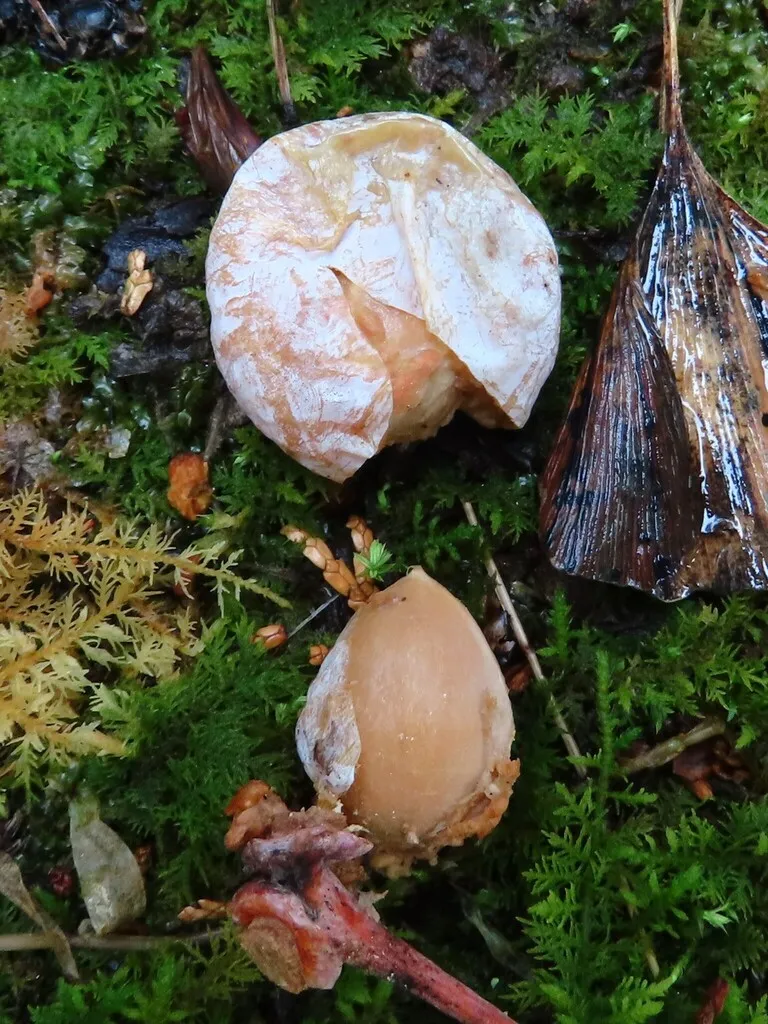
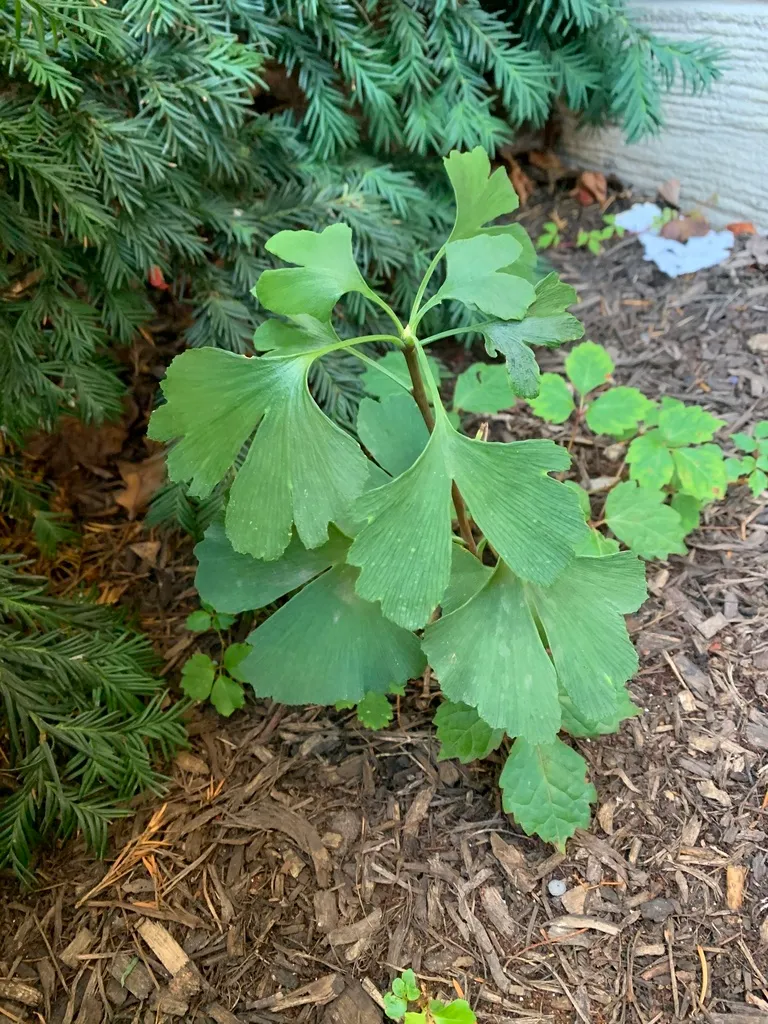
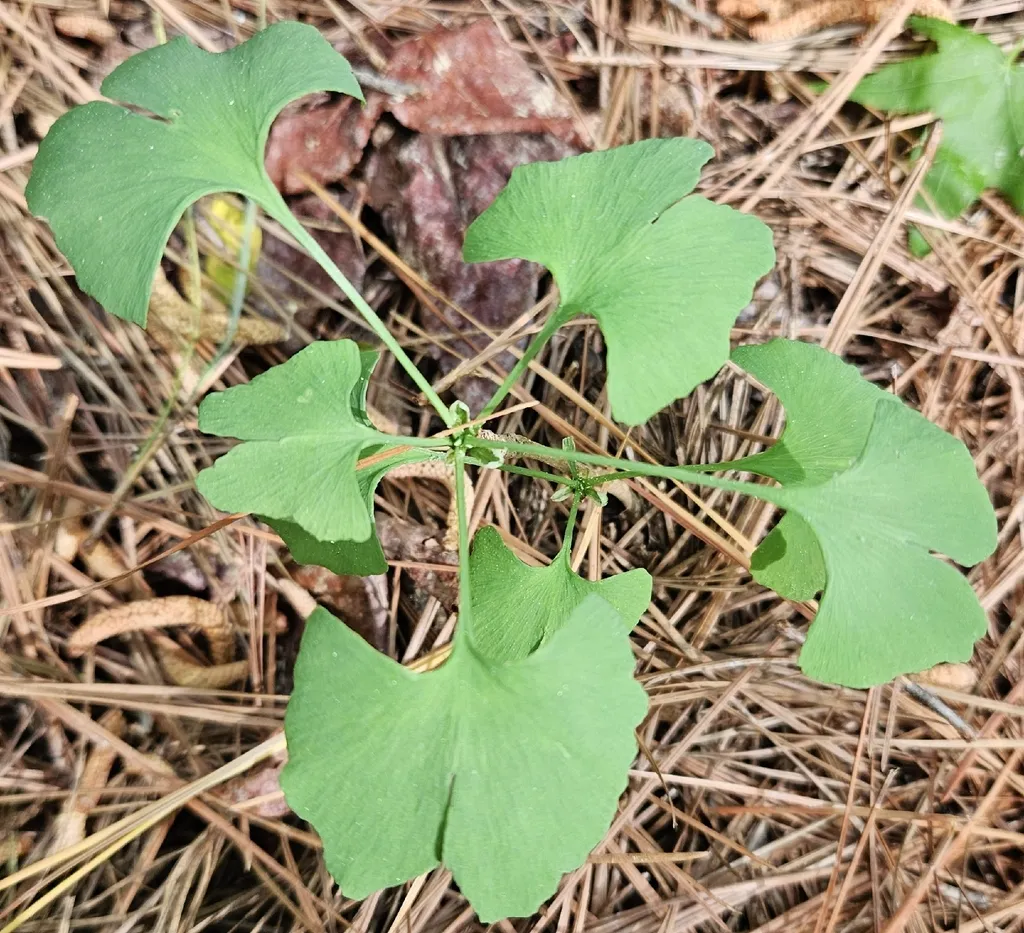
A deciduous tree to 25m, conical when young, becoming more irregular with age. Leaves to 12cm in width, fan-shaped and often bilobed, turning clear yellow in autumn. Unpleasantly scented dull yellow fruits in autumn on female plants
Scientific classification
- Species
- maidenhair tree (Ginkgo biloba)
- Genus
- Ginkgo
- Family
- Ginkgoaceae
- Order
- Ginkgoales
- Class
- Ginkgoopsida
- Phylum
- Ginkgophyta
- Seeds harmful if eaten. Wear gloves and other protective equipment when handling
- Toxicity
- Conifers · Trees
- Plant type
- Higher than 12 metres
- Height
- 4-8 metres
- Spread
- Deciduous
- Foliage
- Columnar upright
- Habit
- Autumn · Spring · Summer
- Season of interest
- Full sun
- Sunlight
- Information to be completed
- Ideal temperature









maidenhair tree pictures
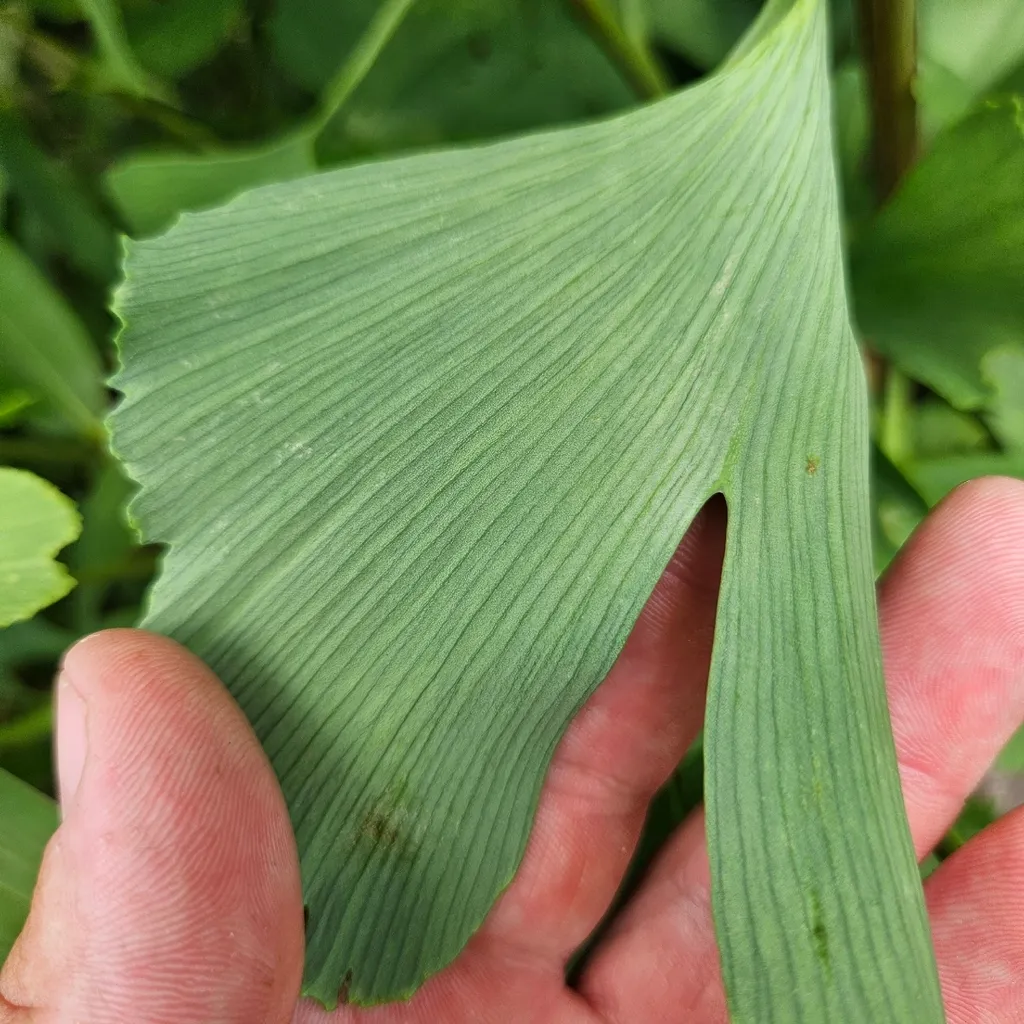
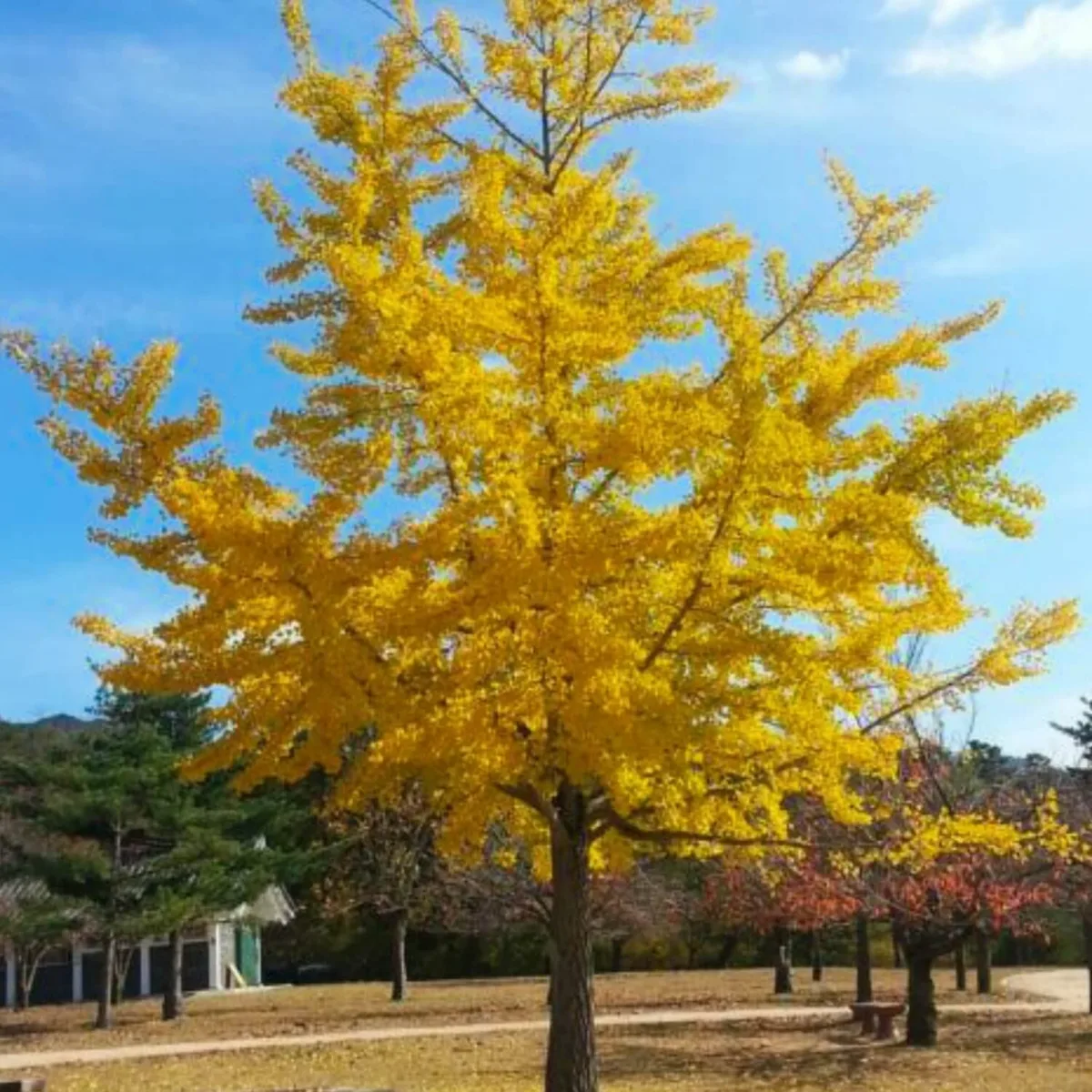
Distribution of maidenhair tree
Distribution map
- Native
- Introduced
- Cultivated
Source:WCVP v16 · Royal Botanic Gardens, Kew · CC BY 3.0 · Boundaries:WGSRPD / TDWG
Toxicity
Seeds harmful if eaten. Wear gloves and other protective equipment when handling
maidenhair tree care guide
- Moderate regular watering, avoid prolonged drought and stagnant waterlogging
- Watering
- Full sun
- Sunlight

Watering
Moderate regular watering, avoid prolonged drought and stagnant waterlogging
Fertilizing
 Fertilizing
Balanced perennial feed every four weeks spring through summer growth
Pruning
 Pruning
No pruning required
Propagation
 Propagation
Propagate by seed or semi-hardwood cuttings
Growing
 Growing
Grow in well-drained soil in full sun. Tolerant of atmospheric pollution. Excellent specimen tree
Common pests and diseases
Diseases
May be susceptible to honey fungus (rarely)
Pests
Generally pest-free
Explore the plant health library →




