
waterfall gladiolus
Also known as: cardinal red sword lily; corn-flag; New Year lily; superb gladiolus
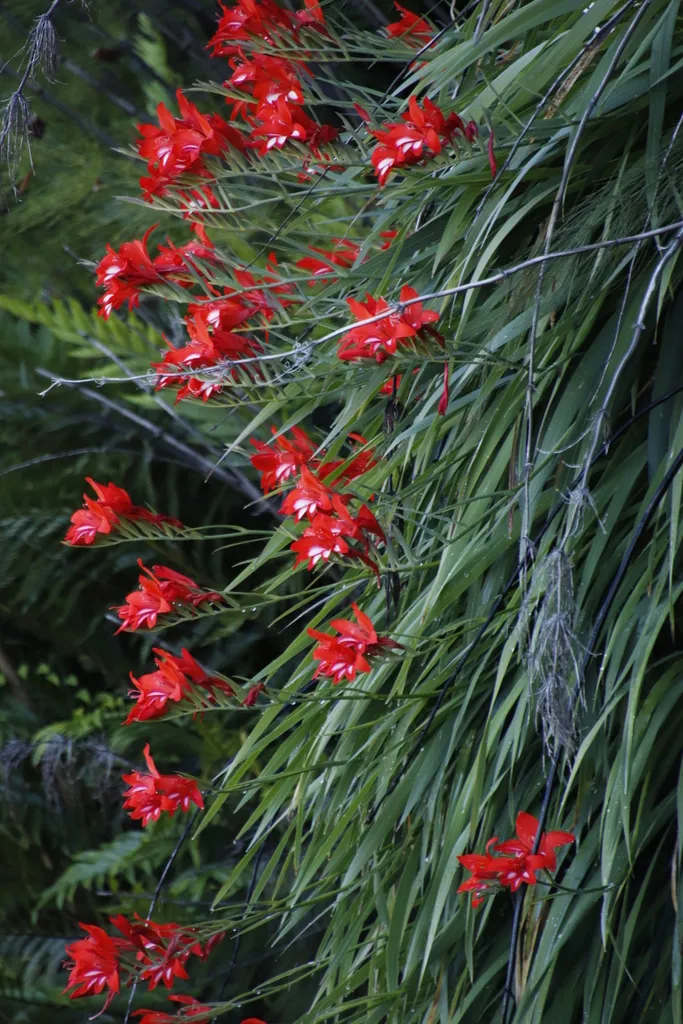
A cormous perennial to 70cm tall with upright, sword-shaped leaves and arching stems bearing a spike of up to twelve flowers in late spring and early summer. Each flower is up to 8cm long and bright red with white markings on the lower three petals
Scientific classification
- Species
- waterfall gladiolus (Gladiolus cardinalis)
- Genus
- Gladiolus
- Family
- Iridaceae
- Ornamental bulbs, not to be eaten. Wear gloves and other protective equipment when handling]
- Toxicity
- Bulbs
- Plant type
- 0.5-1 metres
- Height
- 0.1-0.5 metres
- Spread
- Deciduous
- Foliage
- Columnar upright
- Habit
- Spring · Summer
- Season of interest
- Full sun
- Sunlight
- Information to be completed
- Ideal temperature









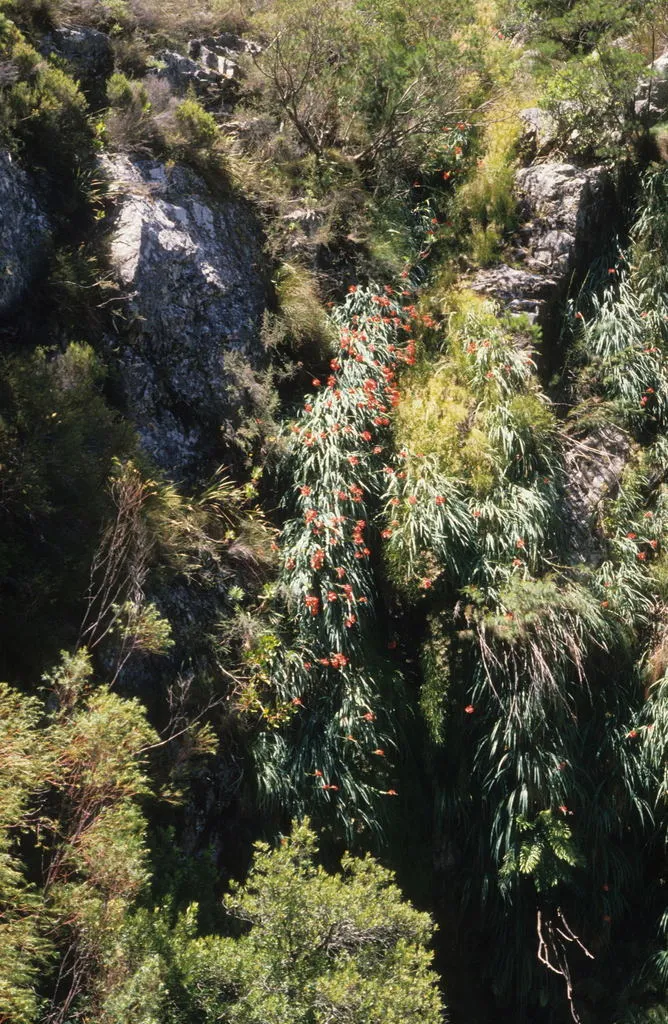
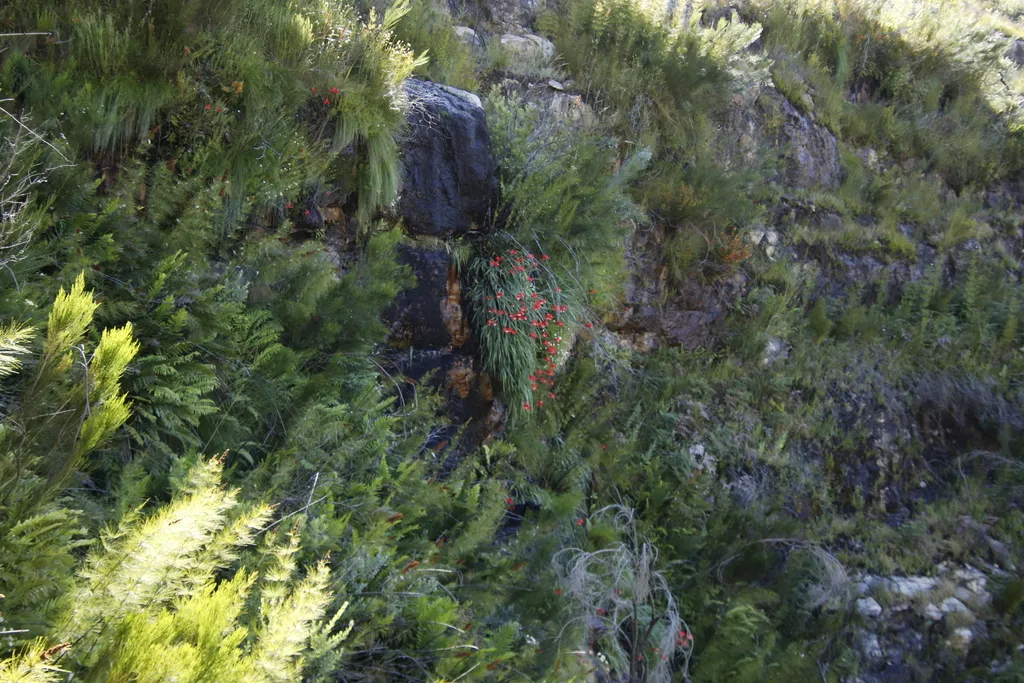
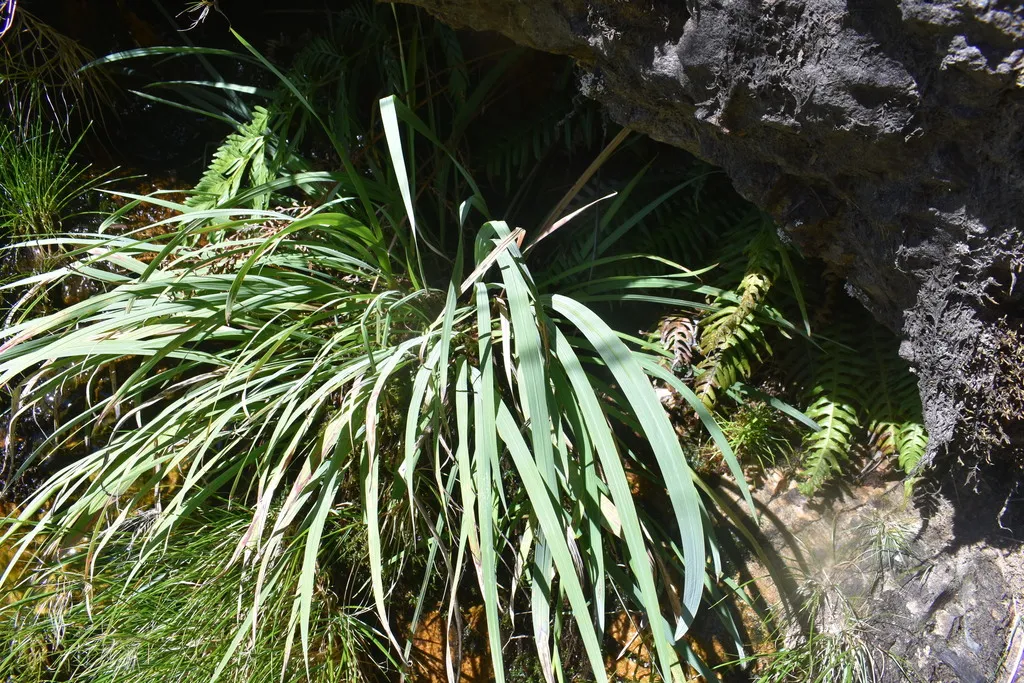
waterfall gladiolus pictures
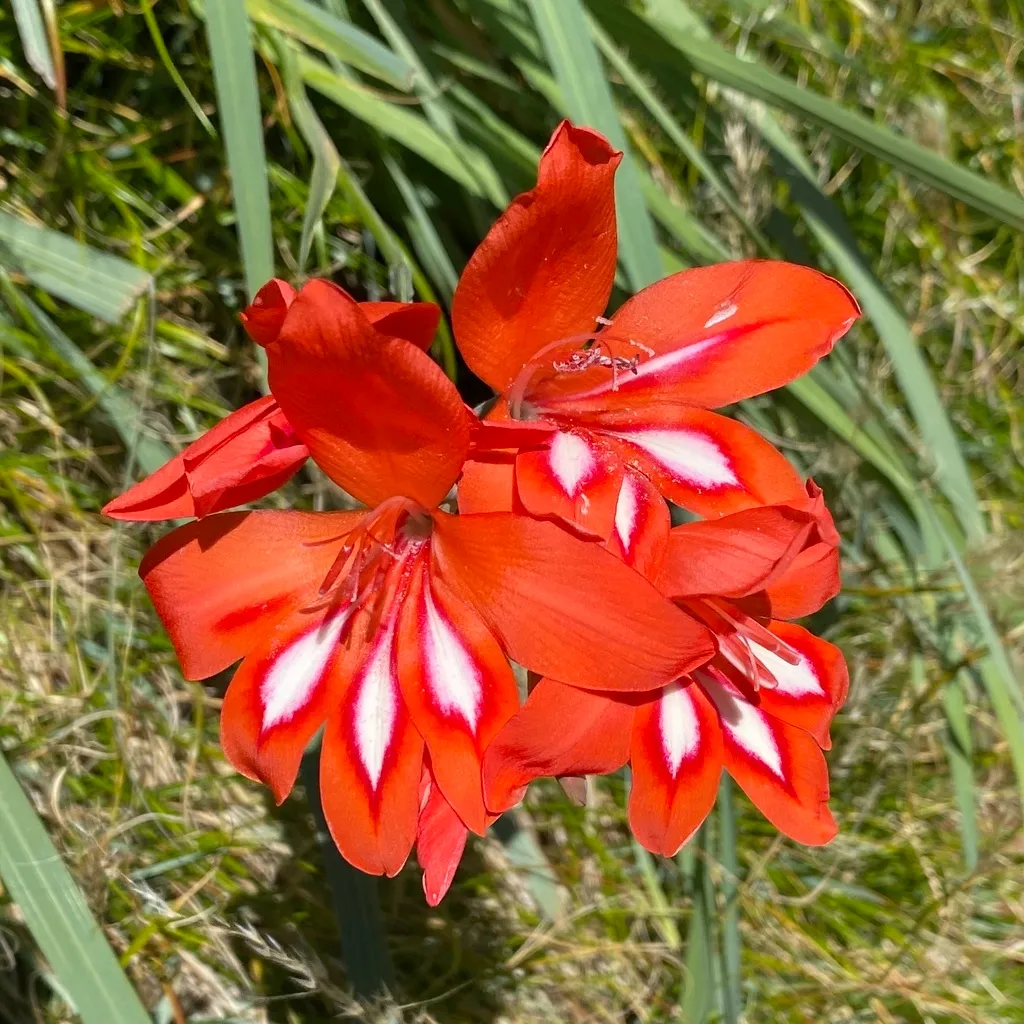
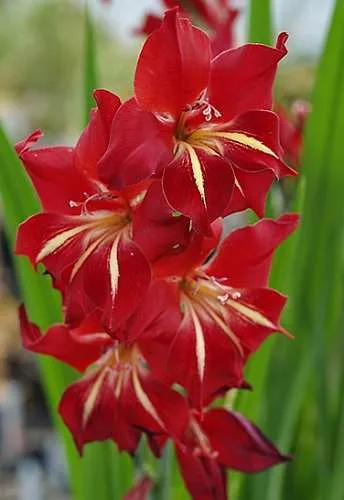
Distribution of waterfall gladiolus
Distribution map
Southern Africa (Cape)
Information to be completed
Culture
Information to be completed
Toxicity
Ornamental bulbs, not to be eaten. Wear gloves and other protective equipment when handling]
Quick identification of waterfall gladiolus
Information to be completed
waterfall gladiolus care guide
- Keep soil damp during foliage growth, cut water back at dormancy
- Watering
- Full sun
- Sunlight
- Information to be completed
- Ideal temperature

Watering
Keep soil damp during foliage growth, cut water back at dormancy
Fertilizing
 Fertilizing
Diluted bulb nutrient mix every two weeks before flower buds open
Pruning
 Pruning
No pruning required
Propagation
 Propagation
Propagate by seed or by separating cormlets when dormant
Growing
 Growing
Grow in a well-drained soil, or pots of free-draining compost, in a sunny, sheltered position; best lifted and allowed to dry off in late summer after flowering. Repot in autumn and place in a cool but frost-free greenhouse; plant out after all risk of frost has passed
People also ask
Information to be completed
Common pests and diseases
Diseases
May be susceptible to gladiolus corm rot, grey moulds (Botrytis), Fusarium bulb rot, gladiolus core rot, gladiolus dry rot, gladiolus scab and neck rot, fungal leaf spot, and virus diseases
Pests
May be susceptible to gladiolus thrip, aphids and slugs
Explore the plant health library →




