
yellow horned poppy
Also known as: bruisewort; caillichín na trá; horned poppy; sea poppy; seaside poppy
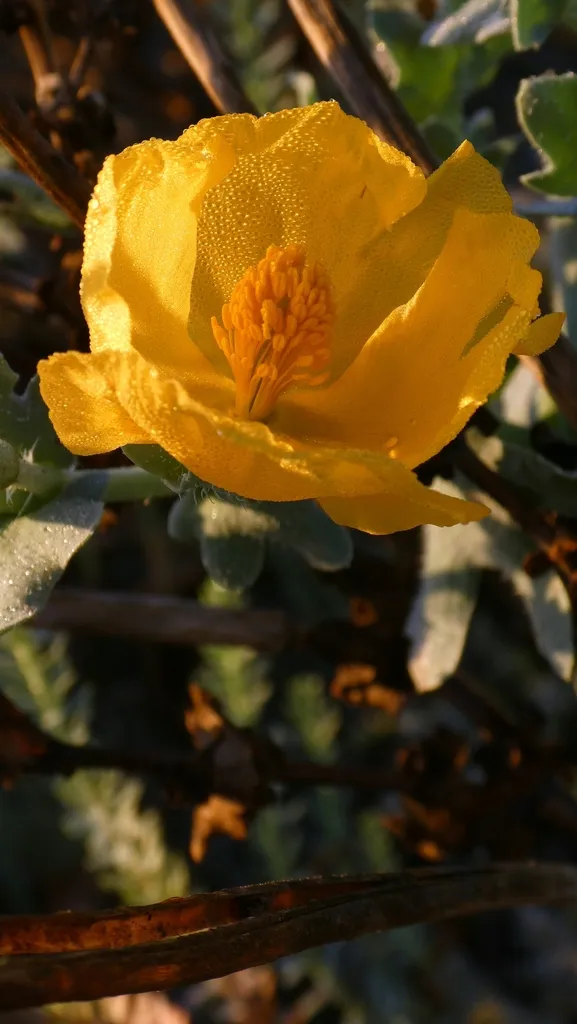
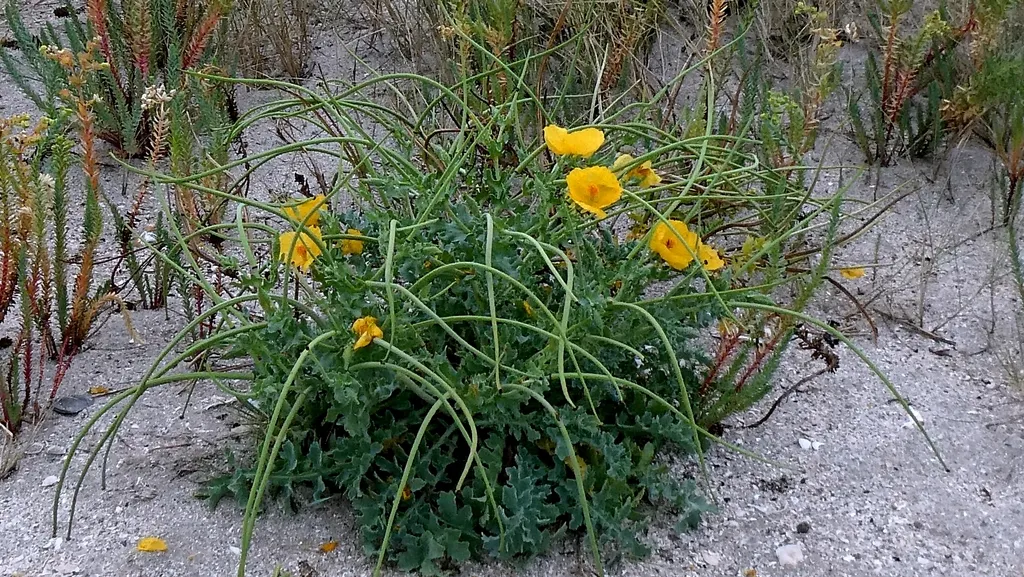
A short-lived perennial, usually grown as a biennial, forming a rosette of deeply-lobed, blue-green leaves. Branched, grey stems carry bright yellow or orange poppy flowers in summer, followed by long, narrow, upright seed pods
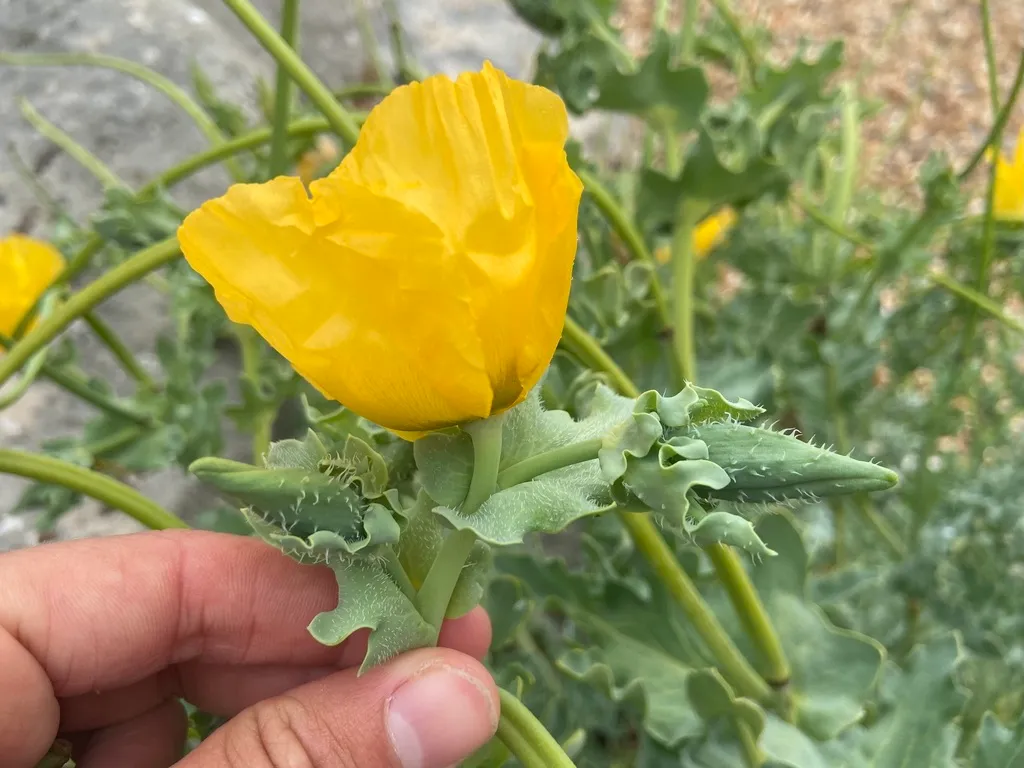
Scientific classification
- Species
- yellow horned poppy (Glaucium flavum)
- Genus
- Glaucium
- Family
- Papaveraceae
- Roots are toxic if ingested. Wear gloves and wash hands after handling
- Toxicity
- Herbaceous Perennial · Annual Biennial
- Plant type
- 0.5-1 metres
- Height
- 0.1-0.5 metres
- Spread
- Deciduous
- Foliage
- Bushy
- Habit
- Spring · Summer · Autumn
- Season of interest
- Full sun
- Sunlight
- Information to be completed
- Ideal temperature









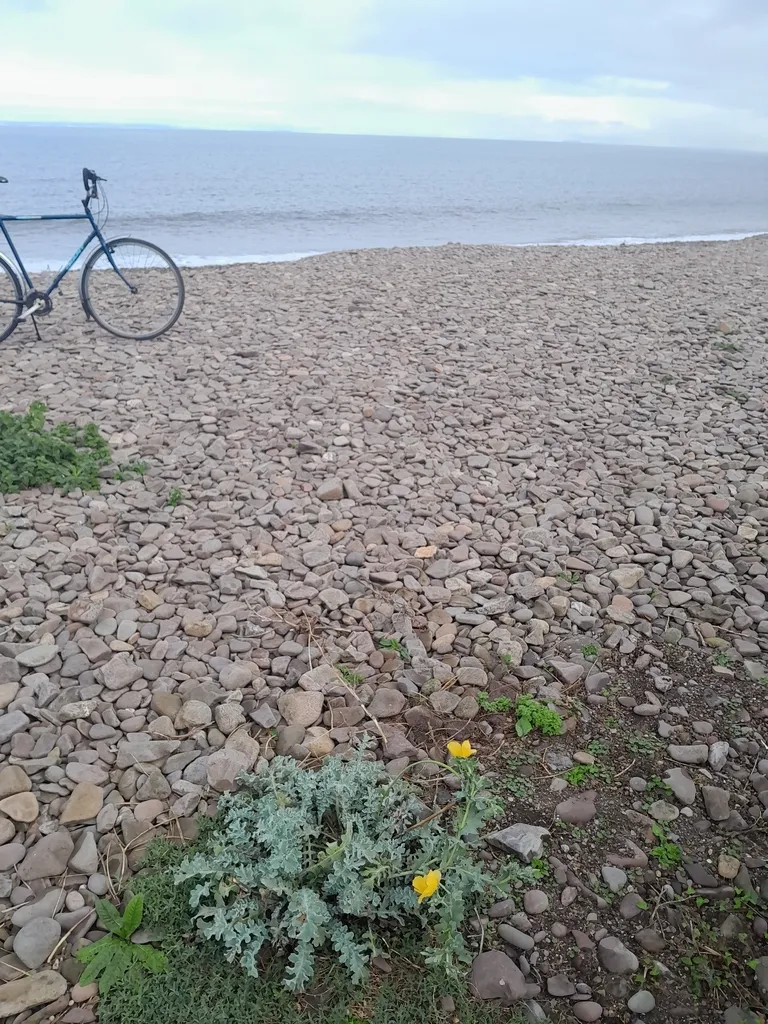
yellow horned poppy pictures
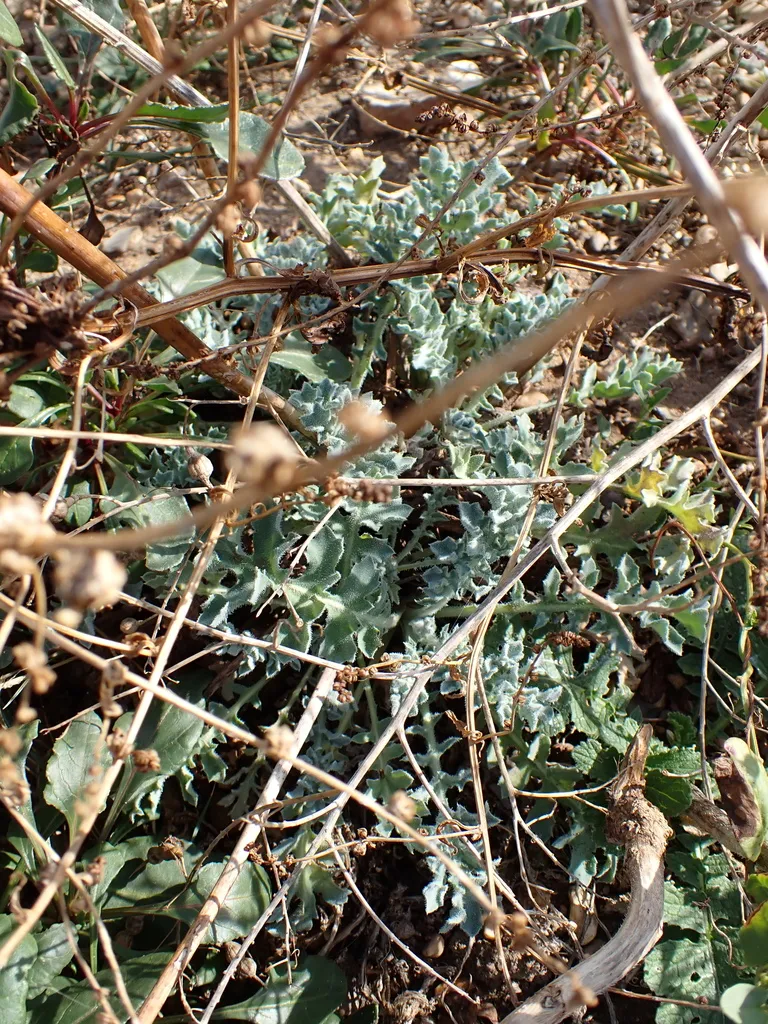
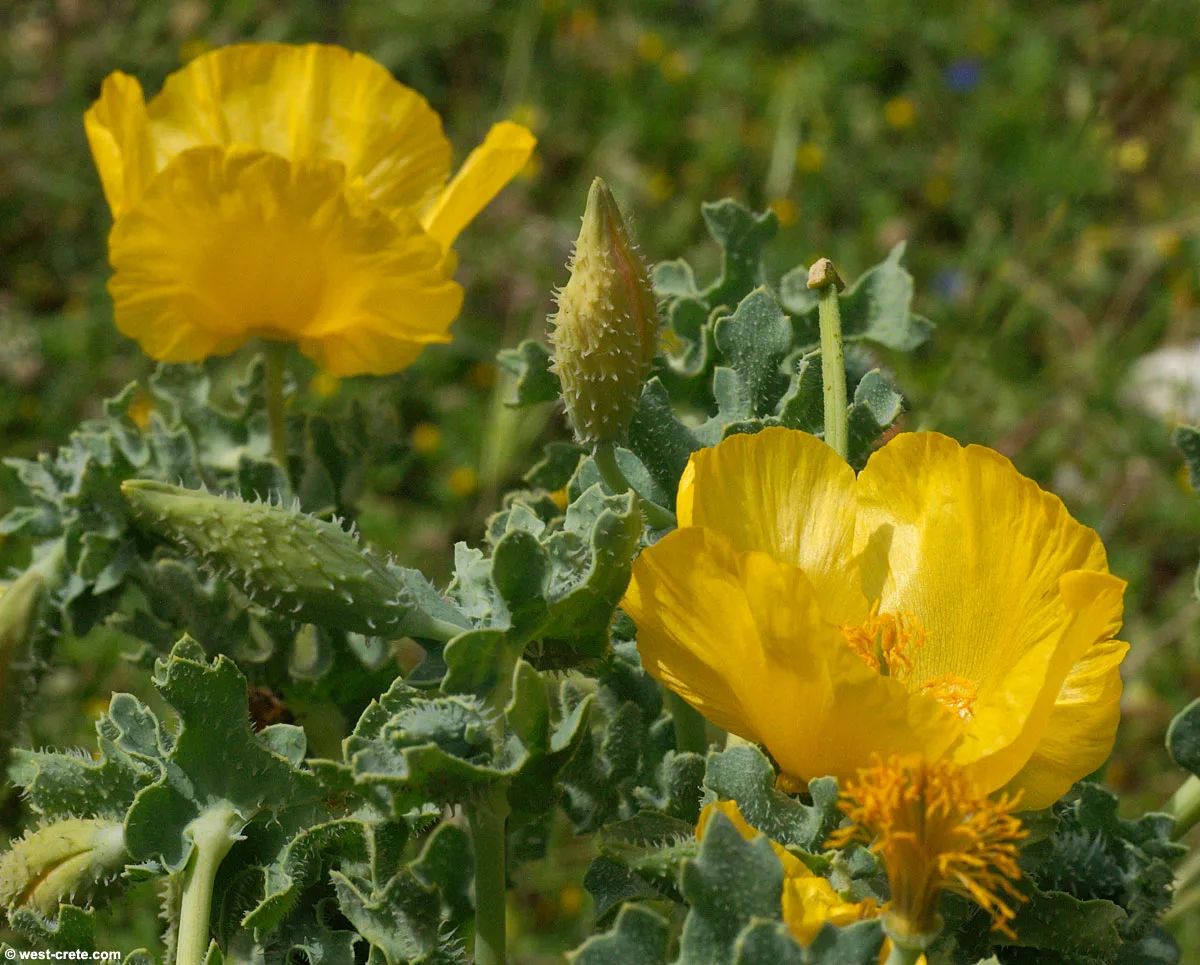
Distribution of yellow horned poppy
Distribution map
- Native
- Introduced
- Cultivated
Source:WCVP v16 · Royal Botanic Gardens, Kew · CC BY 3.0 · Boundaries:WGSRPD / TDWG
Culture
Information to be completed
Toxicity
Roots are toxic if ingested. Wear gloves and wash hands after handling
Quick identification of yellow horned poppy
Information to be completed
yellow horned poppy care guide
- Moderate regular watering, allowing brief slight drying between soakings
- Watering
- Full sun
- Sunlight
- Information to be completed
- Ideal temperature

Watering
Moderate regular watering, allowing brief slight drying between soakings
Fertilizing
 Fertilizing
Balanced perennial feed every four weeks from spring through summer
Pruning
 Pruning
No pruning needed
Propagation
 Propagation
Sow seed in situ in spring or autumn
Growing
 Growing
Grow in poor to moderately fertile, well-drained soil in full sun. Resents root disturbance
People also ask
Information to be completed
Common pests and diseases
Diseases
Generally trouble free
Pests
Generally trouble free
Explore the plant health library →




