
ground ivy
Also known as: ale gill; alehoof; blue runner; candlesticks; cat's foot; cat's paws; creeping Charlie; creeping Jenny; crow victuals; crow's guts; devil's candlestick; field balm; field balsam; Gill; Gill-go-by-the-street; Gill-over-the-ground; Gill-run-over; hay maids; hayfoot; hayhoof; hedge maids; hen and chickens; hove; Jill-on-the-ground; purple chickweed; Robin-run-away; Robin-run-in-the-hedge; runaway Robin; tunhoof; turnhoof; wandering Jenny; wild snakeroot
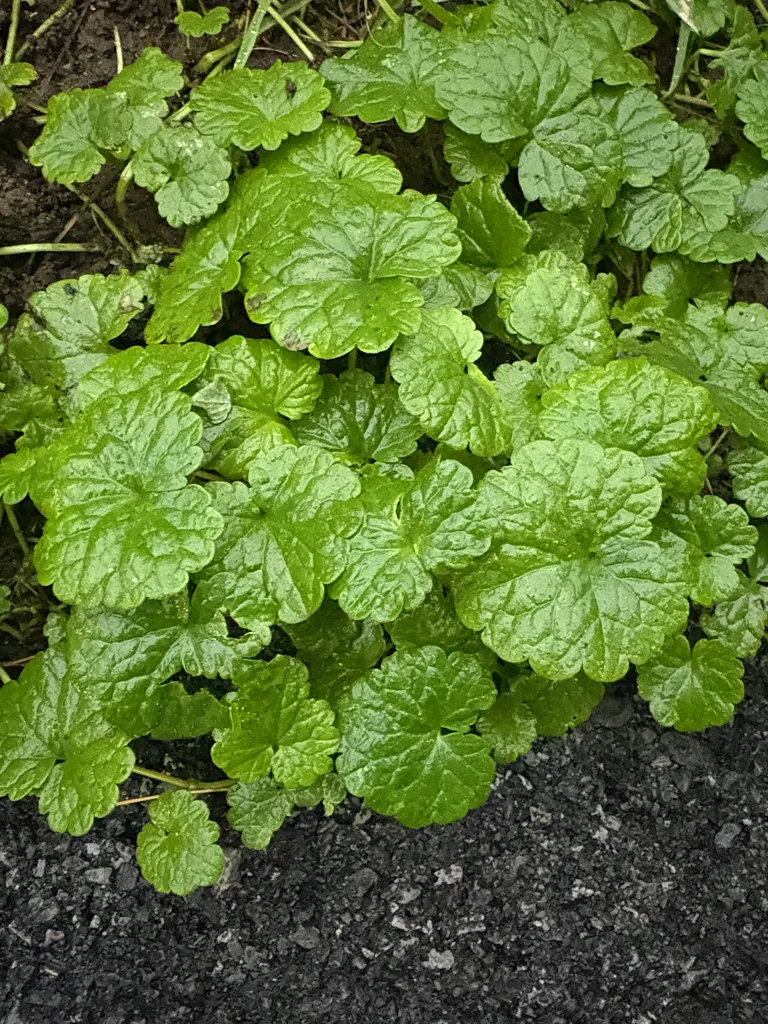
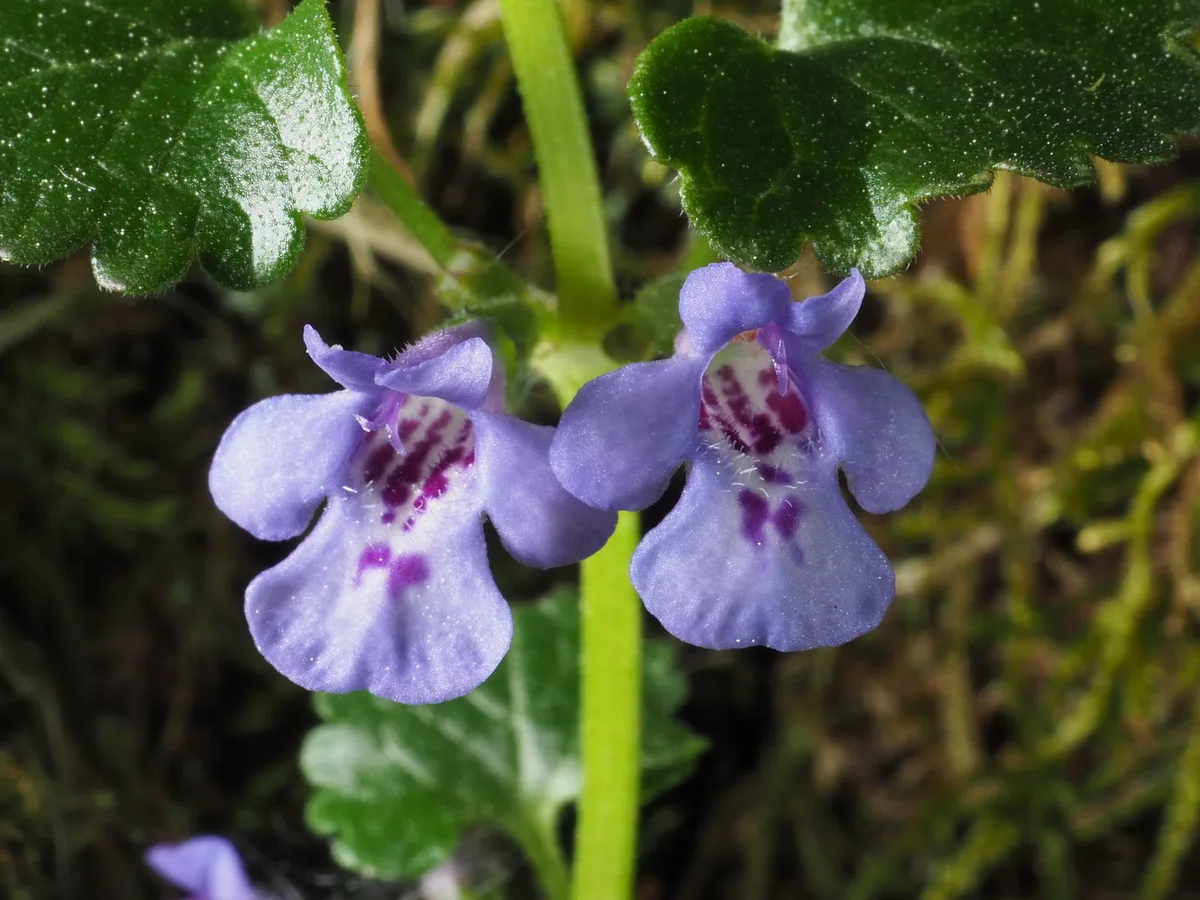
A vigorous spreading, mat-forming evergreen perennial, creeping by prostrate stolons. Flowering stems sub-erect, to 10cm. Flowers are commonly violet-blue, but pink and white forms also occur
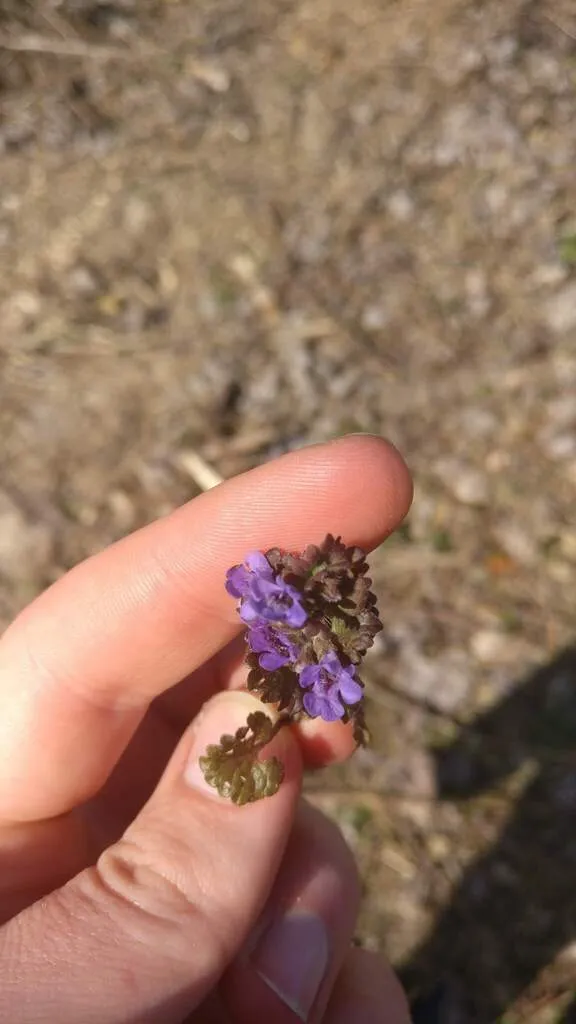
Scientific classification
- Species
- ground ivy (Glechoma hederacea)
- Genus
- Glechoma
- Family
- Lamiaceae
- Information to be completed
- Toxicity
- Herbaceous Perennial
- Plant type
- 0.1-0.5 metres
- Height
- 0.1-0.5 metres
- Spread
- Evergreen
- Foliage
- Matforming
- Habit
- Spring · Summer · Autumn · Winter
- Season of interest
- Full sun · Partial shade
- Sunlight
- Information to be completed
- Ideal temperature









ground ivy pictures
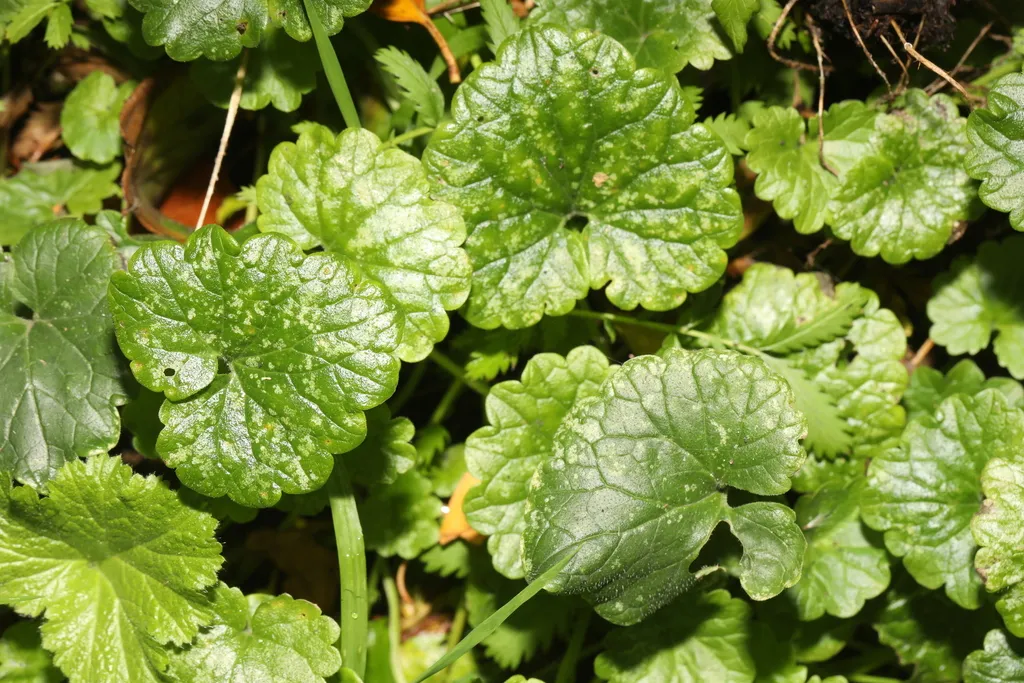
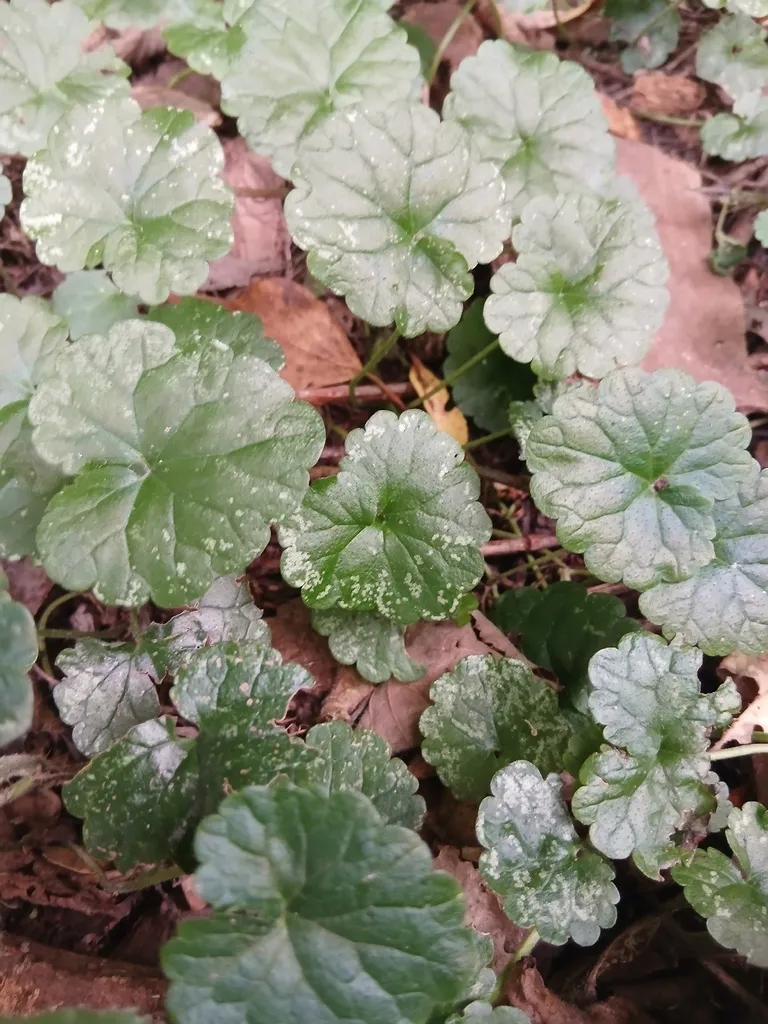
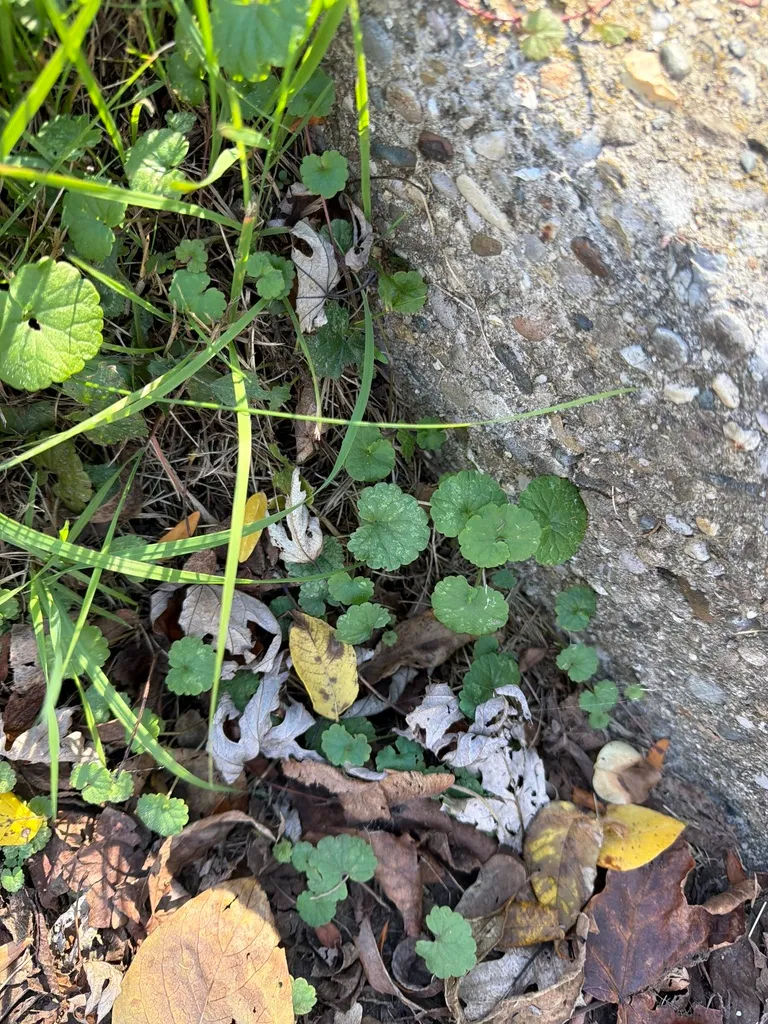
Distribution of ground ivy
Distribution map
Eurasia
Information to be completed
Culture
Information to be completed
Toxicity
Information to be completed
Quick identification of ground ivy
Information to be completed
ground ivy care guide
- Moderate regular watering, allowing brief slight drying between soakings
- Watering
- Full sun · Partial shade
- Sunlight
- Information to be completed
- Ideal temperature

Watering
Moderate regular watering, allowing brief slight drying between soakings
Fertilizing
 Fertilizing
Balanced perennial feed every four weeks from spring through summer
Pruning
 Pruning
Prune as required to keep under control
Propagation
 Propagation
Propagate by division in spring or autumn, or by softwood cuttings in late spring
Growing
 Growing
Grow in moderately fertile, moist but well-drained soil in full sun or partial shade. Tolerates a range of soils and positions
People also ask
Information to be completed
Common pests and diseases
Diseases
Generally disease-free
Pests
May be susceptible to slugs and snails
Explore the plant health library →




