
yatay palm
Also known as: jelly palm
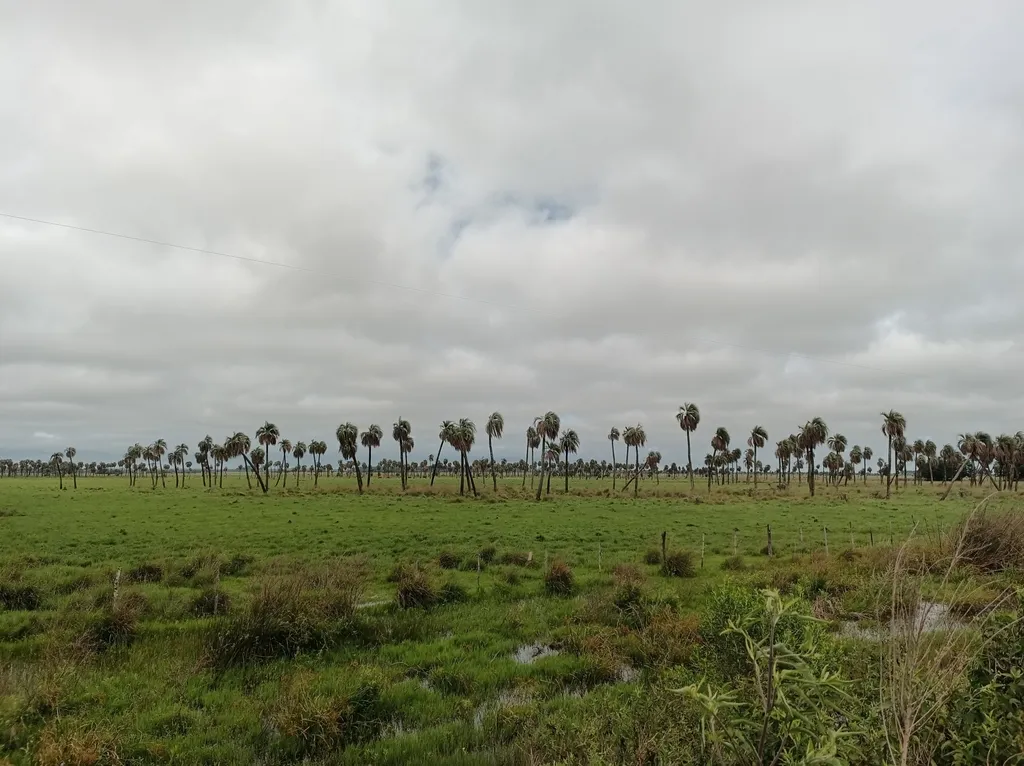
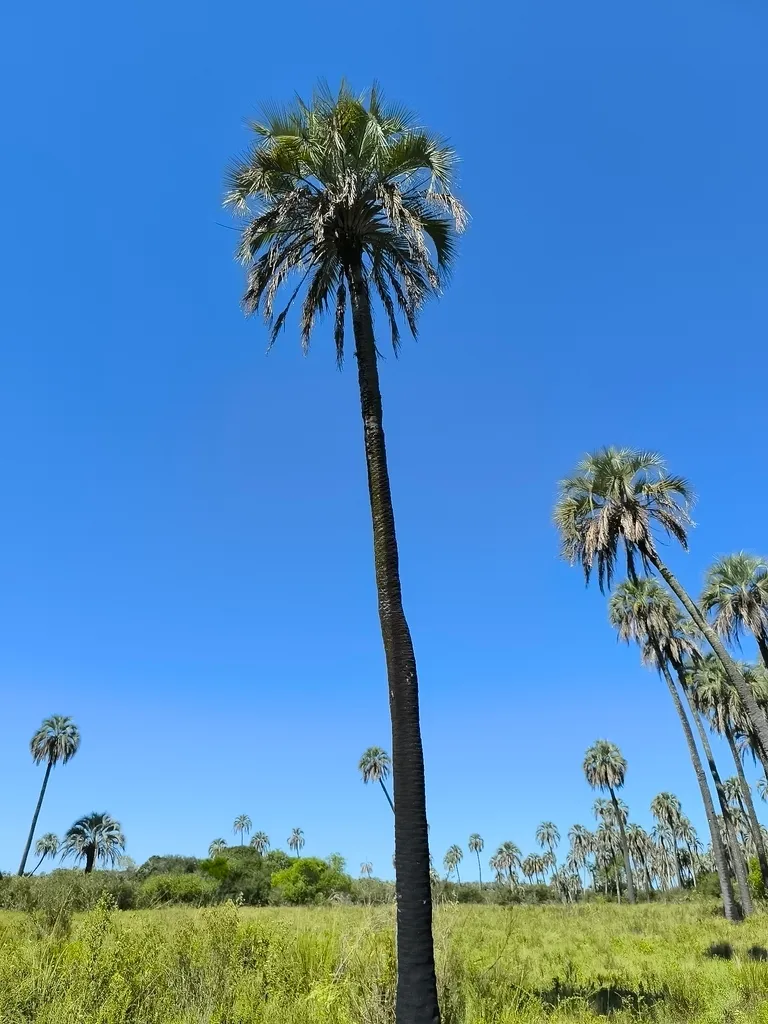
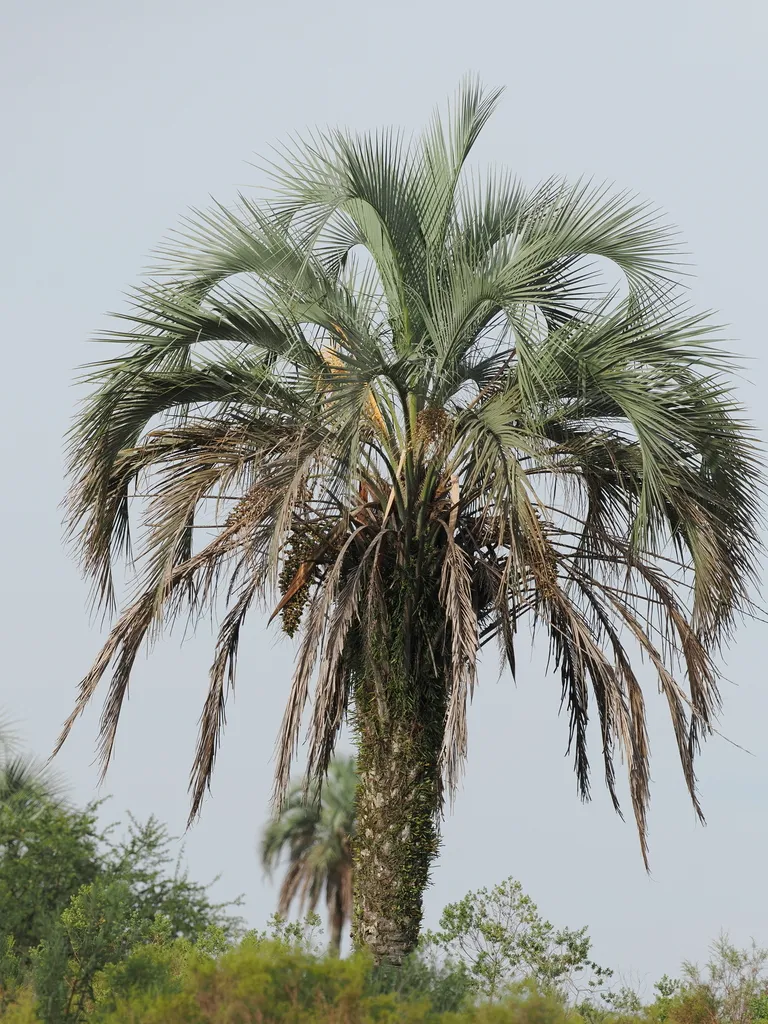
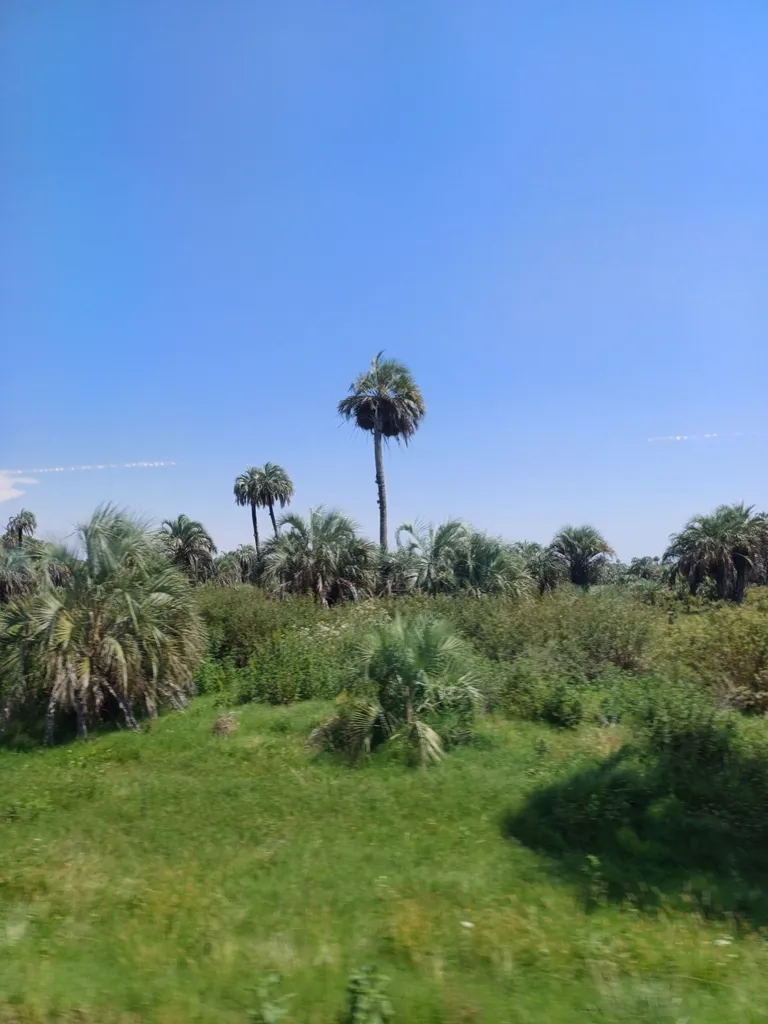
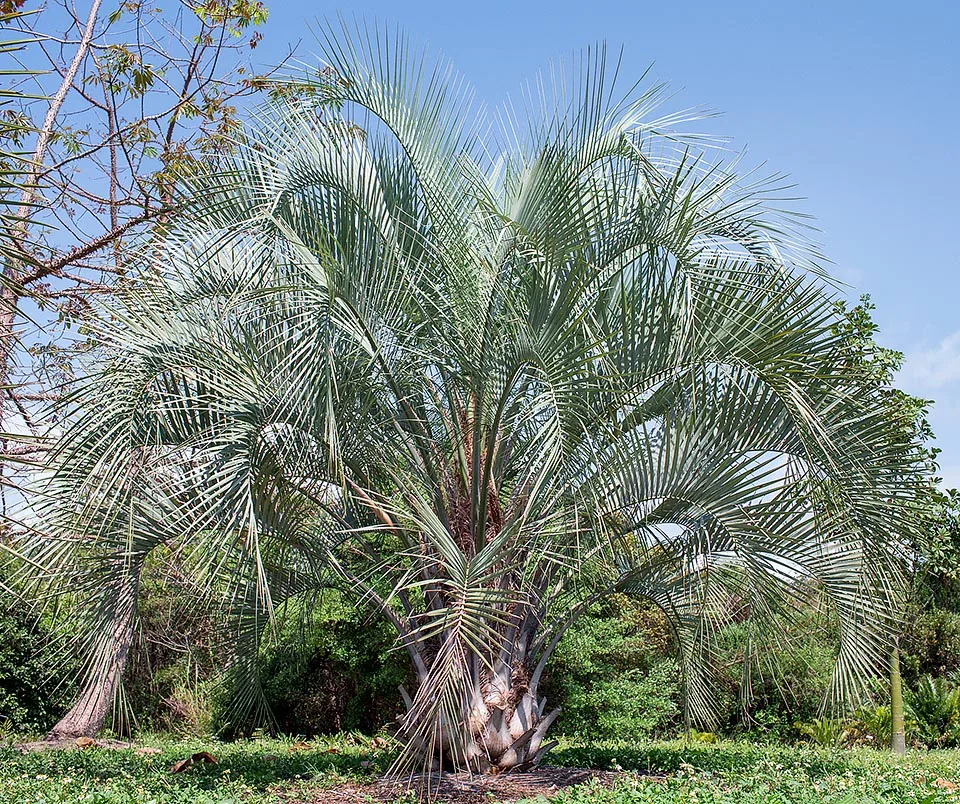
An elegant, single-stemmed palm tree to 10m tall, with strongly arching leaves divided into numerous slender, grey-green leaflets. In summer it produces a long, branched cluster of yellow flowers; these are followed by conical, green to purple fruits. Hardy to around -10°C given a very free-draining soil
Scientific classification
- Species
- yatay palm (Butia yatay)
- Genus
- Butia
- Family
- Arecaceae
- Order
- Arecales
- Class
- Liliopsida
- Phylum
- Magnoliophyta
- Information to be completed
- Toxicity
- Palms
- Plant type
- 8-12 metres
- Height
- 1.5-2.5 metres
- Spread
- Evergreen
- Foliage
- Columnar upright
- Habit
- Spring · Summer · Autumn · Winter
- Season of interest
- Full sun · Partial shade
- Sunlight
- Information to be completed
- Ideal temperature









yatay palm pictures

Distribution of yatay palm
Distribution map
- Native
- Introduced
- Cultivated
Source:WCVP v16 · Royal Botanic Gardens, Kew · CC BY 3.0 · Boundaries:WGSRPD / TDWG
yatay palm care guide
- Moderate regular watering, avoid prolonged drought and stagnant waterlogging
- Watering
- Full sun · Partial shade
- Sunlight

Watering
Moderate regular watering, avoid prolonged drought and stagnant waterlogging
Fertilizing
 Fertilizing
Balanced perennial feed every four weeks spring through summer growth
Pruning
 Pruning
No pruning required
Propagation
 Propagation
Propagate by seed; germination may be slow and erratic
Growing
 Growing
Outdoors grow in deep, well-drained soil in full sun or partial shade. Hardiness is dependent on the ground being dry in very cold spells. See palm cultivation outdoors. Under glass grow in loam-based potting compost in bright, filtered light. When in growth, water moderately and apply a balanced liquid fertiliser monthly; keep just moist in winter. Pot on or top-dress in spring. See palm cultivation indoors
Common pests and diseases
Diseases
Generally disease-free
Pests
May be susceptible to glasshouse red spider mite and scale insects when grown under glass
Explore the plant health library →




