
Canterbury bells
Also known as: Information to be completed
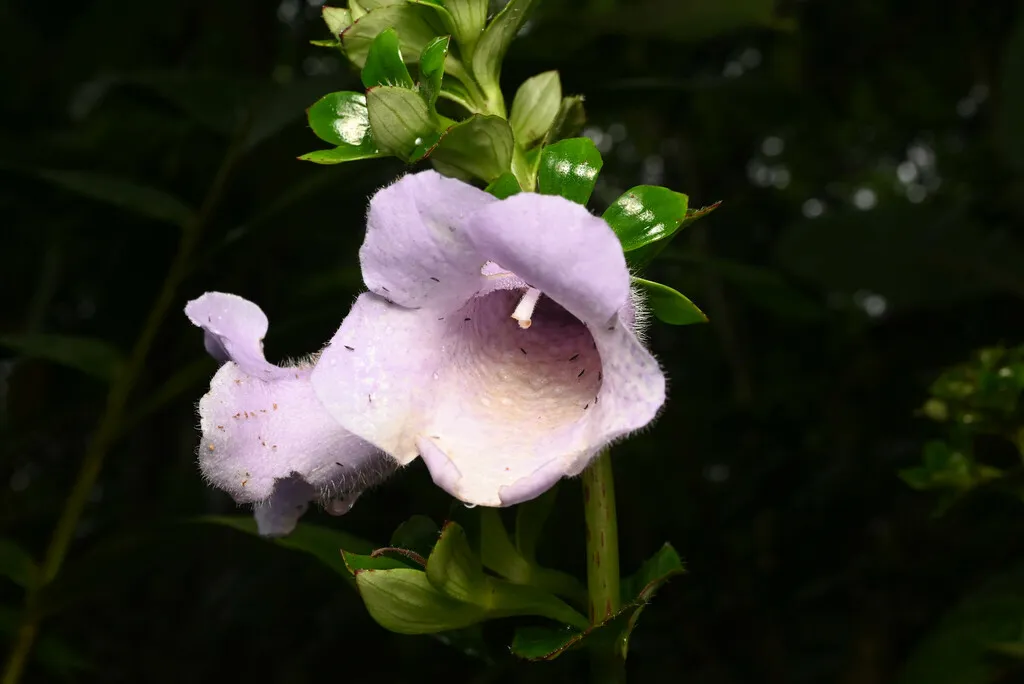
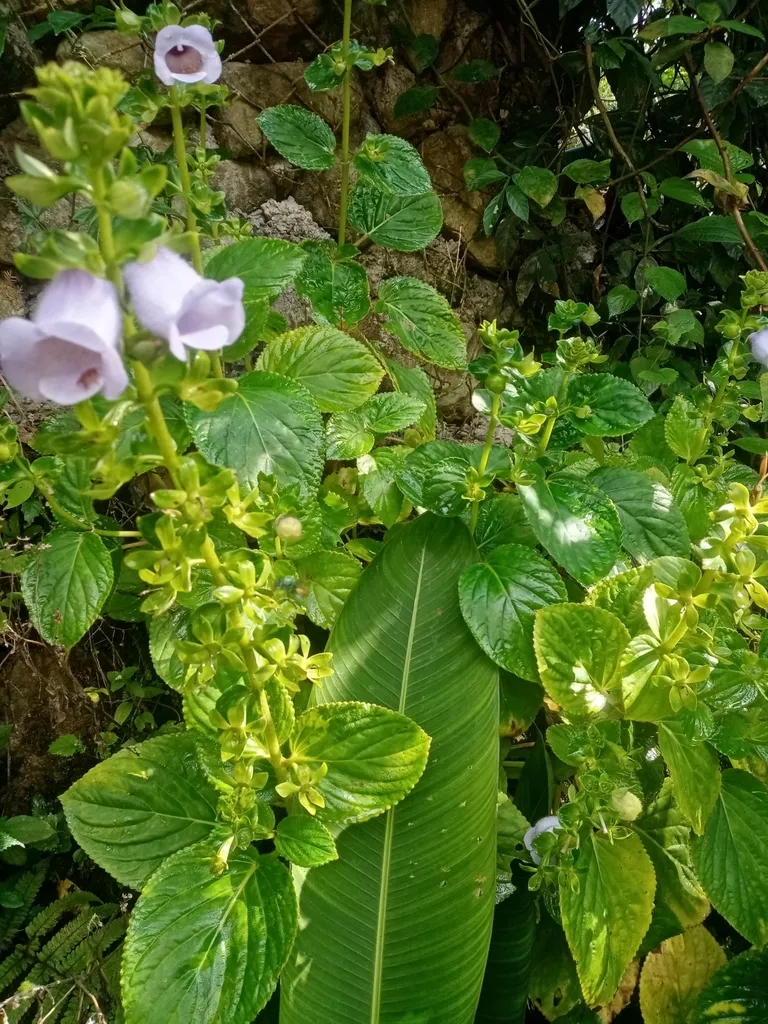
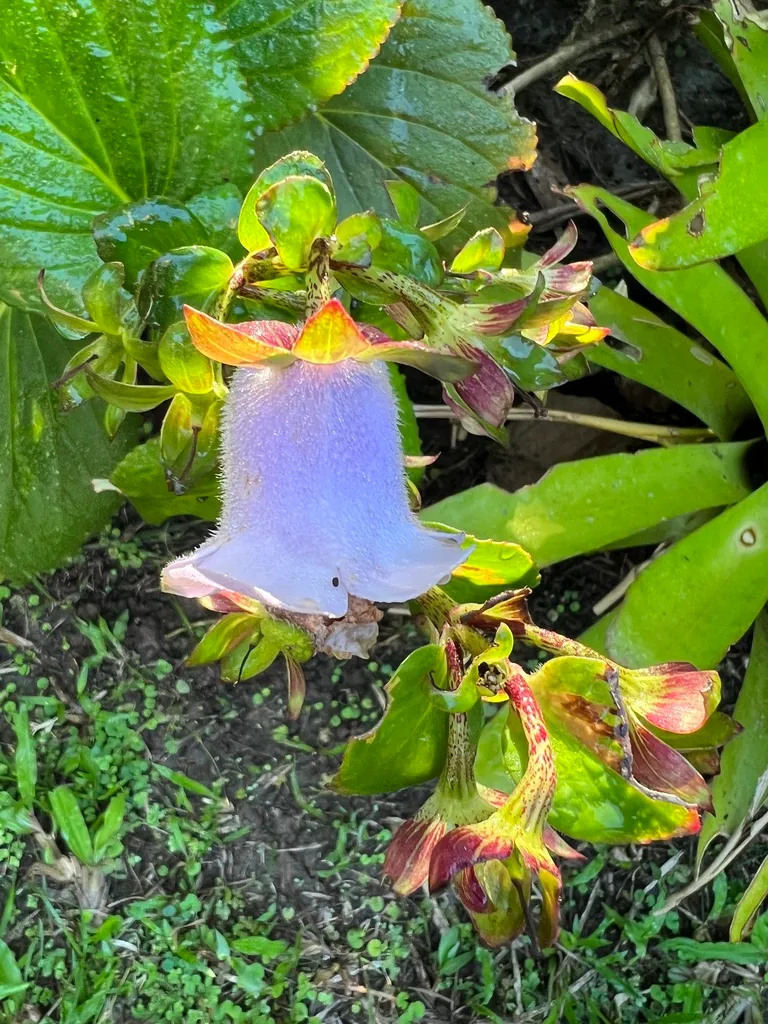
A bushy, tender, rhizomatous perennial to 1.2m, bearing glossy, toothed leaves to 20cm long, suffused red below. From early summer to mid-autumn it produces purple-blue, bell-shaped flowers with violet bases
Scientific classification
- Species
- Canterbury bells (Gloxinia perennis)
- Genus
- Gloxinia
- Family
- Gesneriaceae
- Order
- Lamiales
- Class
- Magnoliopsida
- Phylum
- Tracheophyta
- Information to be completed
- Toxicity
- Shrubs · Conservatory Greenhouse
- Plant type
- 1-1.5 metres
- Height
- 1-1.5 metres
- Spread
- Evergreen
- Foliage
- Bushy
- Habit
- Spring · Summer · Autumn · Winter
- Season of interest
- Partial shade
- Sunlight
- Information to be completed
- Ideal temperature









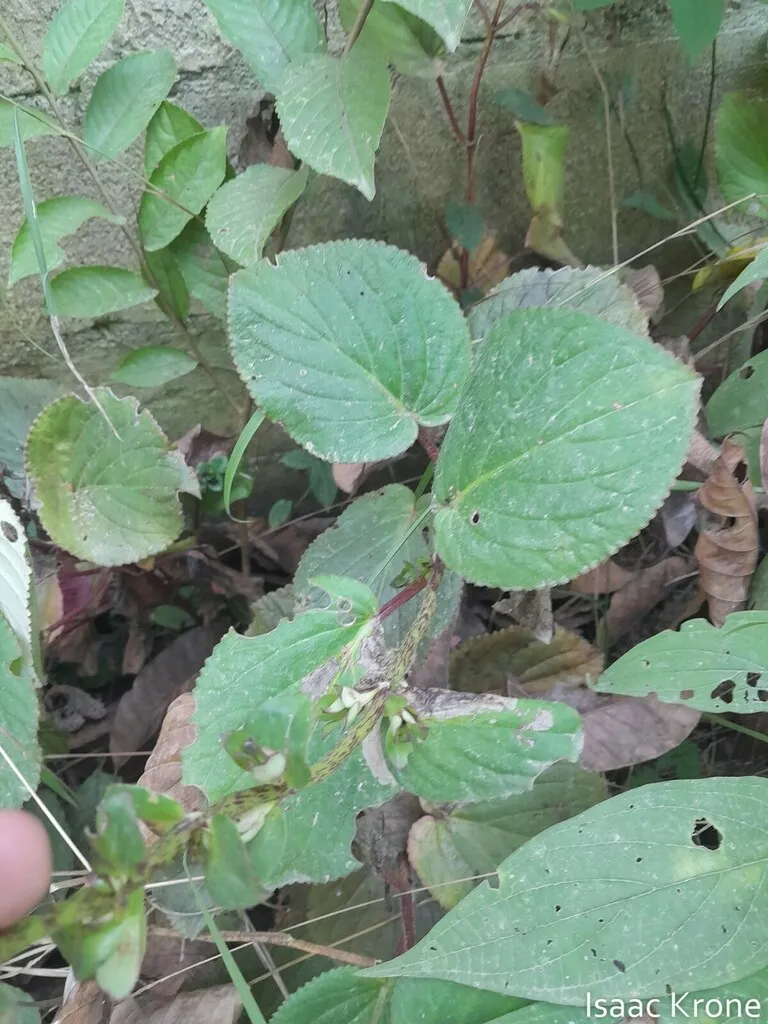
Canterbury bells pictures
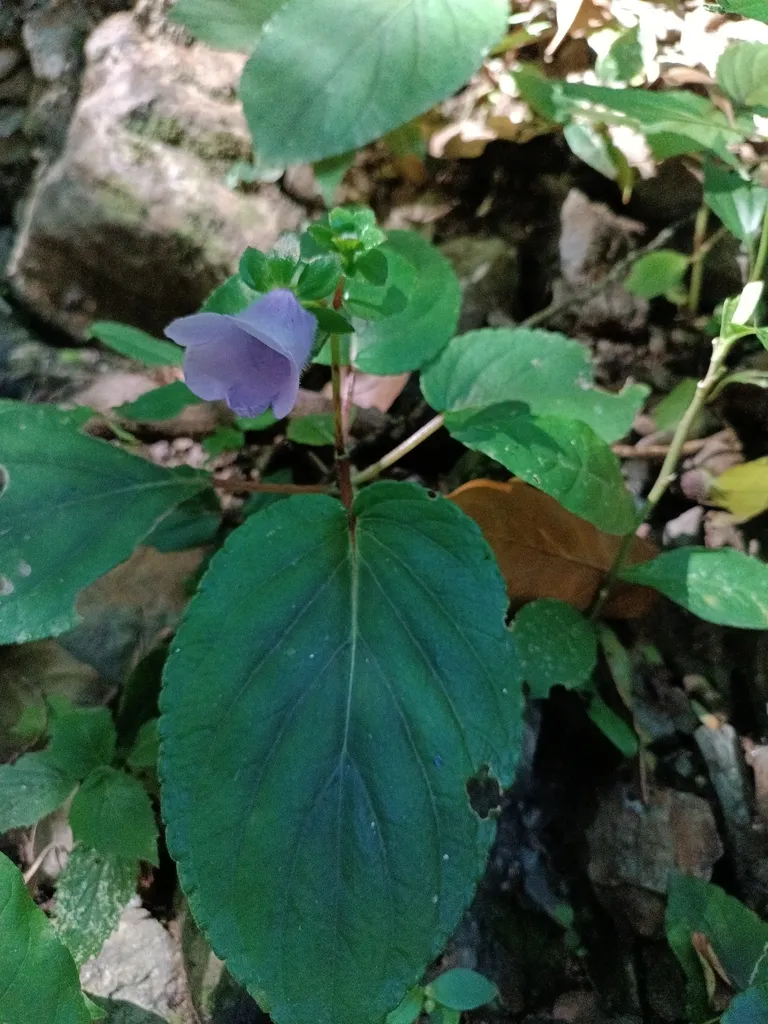
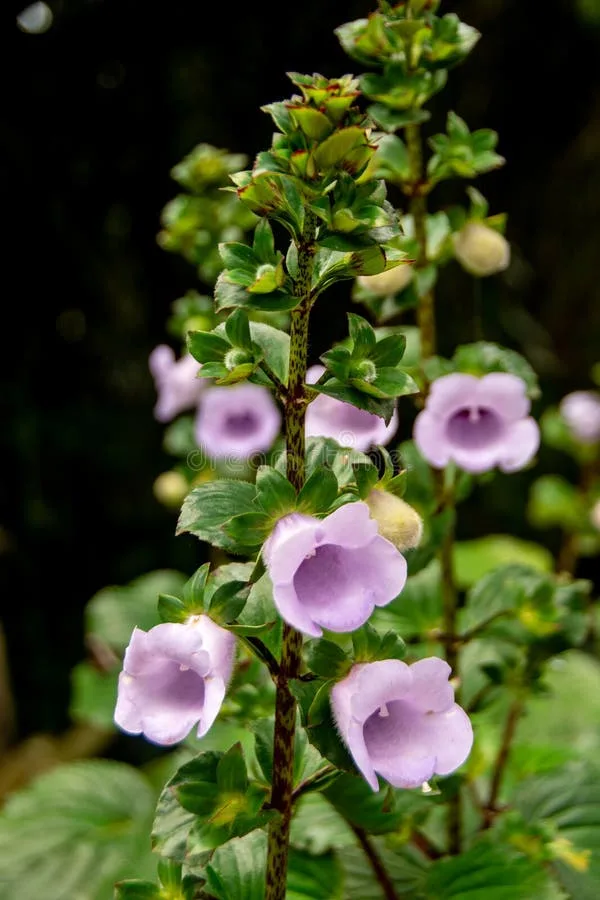
Distribution of Canterbury bells
Distribution map
- Native
- Introduced
- Cultivated
Source:WCVP v16 · Royal Botanic Gardens, Kew · CC BY 3.0 · Boundaries:WGSRPD / TDWG
Canterbury bells care guide
- Moderate regular watering, allowing brief slight drying between soakings
- Watering
- Partial shade
- Sunlight

Watering
Moderate regular watering, allowing brief slight drying between soakings
Fertilizing
 Fertilizing
Balanced perennial feed every four weeks from spring through summer
Pruning
 Pruning
No pruning required
Propagation
 Propagation
Propagate by sowing seed at 19-24°C in spring, or by division in spring
Growing
 Growing
Under glass grow in a humus-rich potting compost in bright indirect light with high humidity. When in growth water freely and apply a balanced liquid fertiliser every 2 or 3 weeks.
Common pests and diseases
Diseases
May be susceptible to powdery mildews
Pests
May be susceptible to vine weevil, tarsonemid mite and western flower thrips
Explore the plant health library →




