
reed sweet grass
Also known as: leed; meadow reed grass; reed meadow grass
A strong-growing, aquatic, rhizomatous perennial grass up to 1m tall, capable of spreading almost indefinitely. The narrow, strap-shaped leaves are dark green, tinged pink in spring; purplish-green flowering panicles are produced in late summer
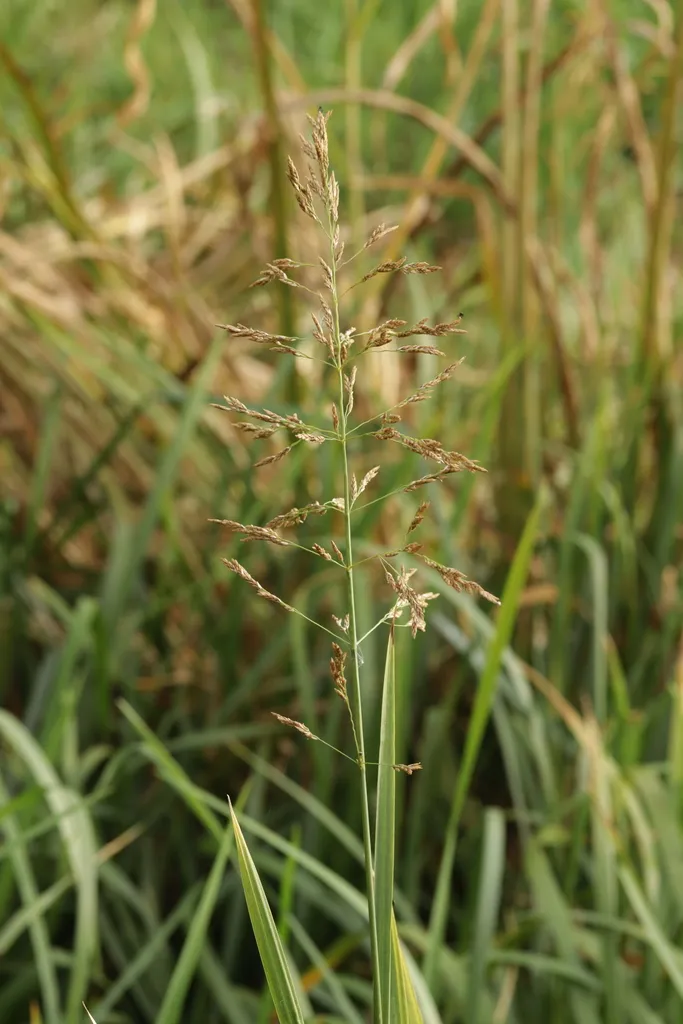
Scientific classification
- Species
- reed sweet grass (Glyceria maxima)
- Genus
- Glyceria
- Family
- Poaceae
- Information to be completed
- Toxicity
- Aquatic · Grass Like
- Plant type
- 0.5-1 metres
- Height
- 1.5-2.5 metres
- Spread
- Deciduous
- Foliage
- Suckering
- Habit
- Spring · Summer · Autumn
- Season of interest
- Full sun
- Sunlight
- Information to be completed
- Ideal temperature









reed sweet grass pictures
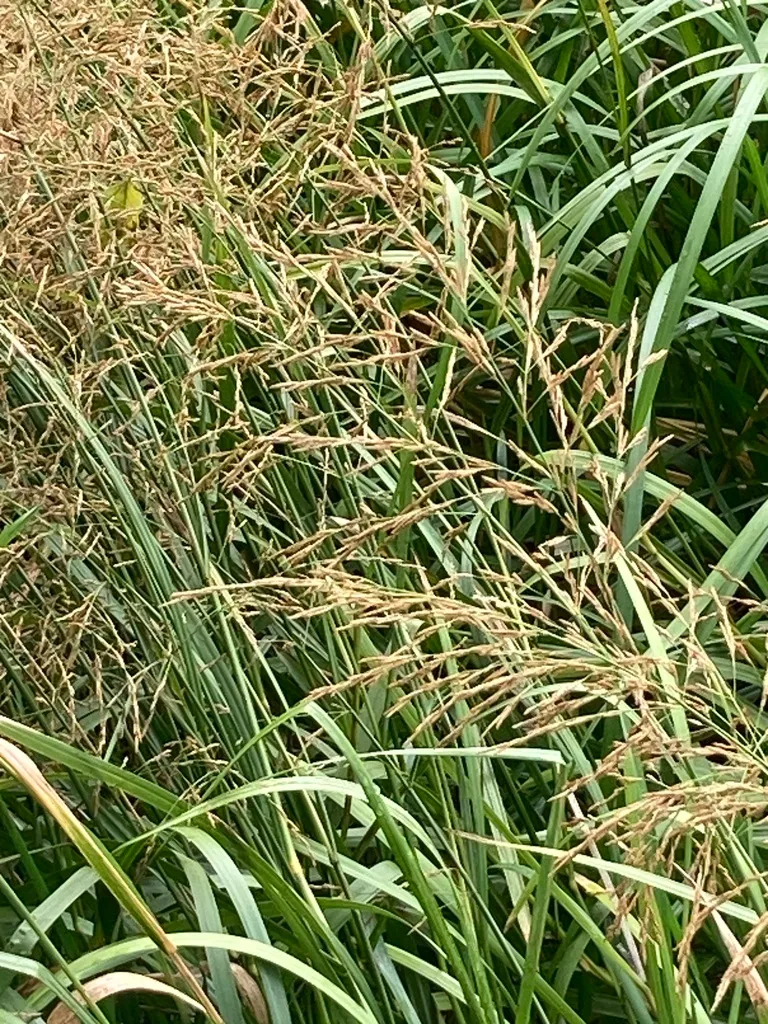
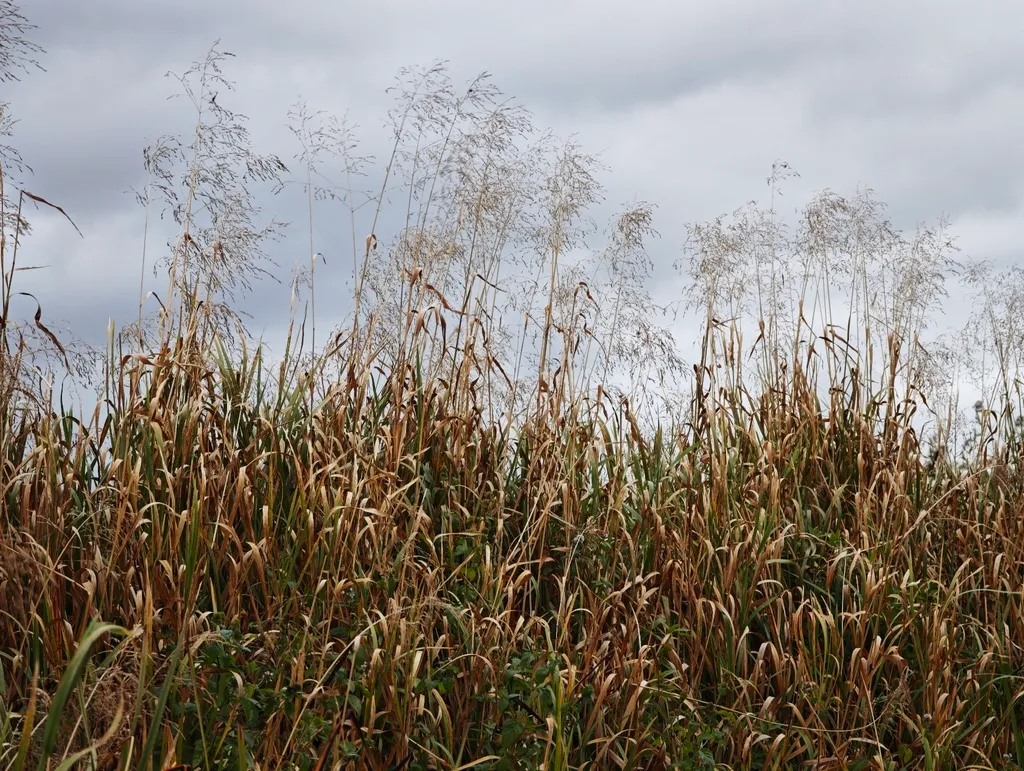
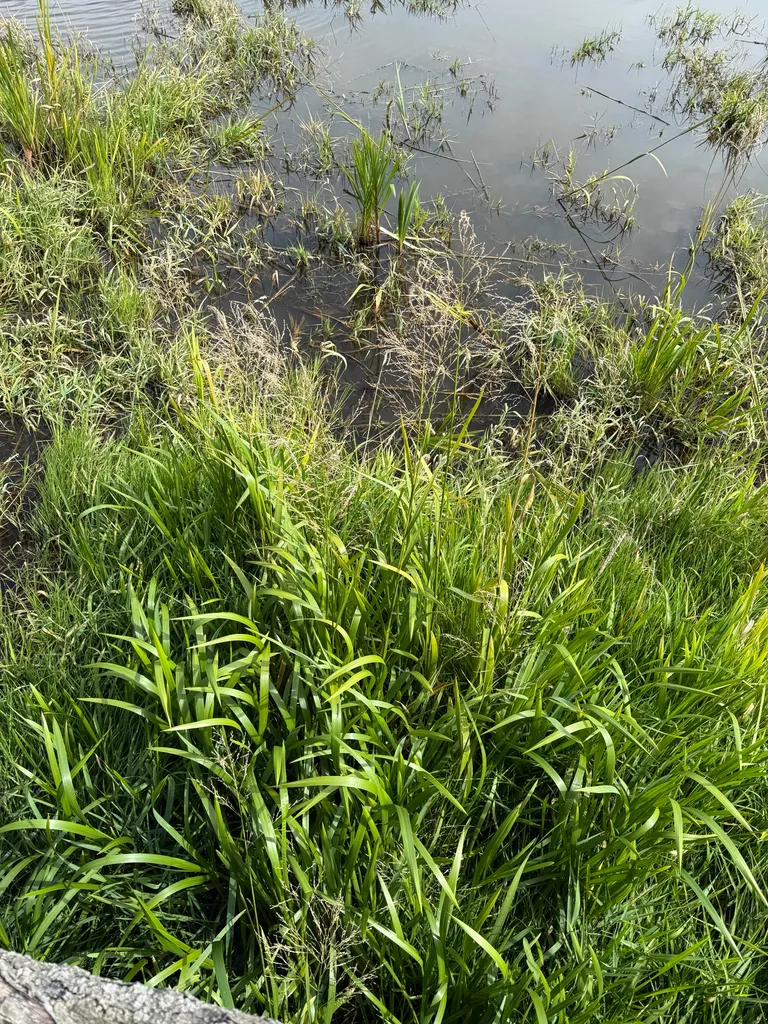
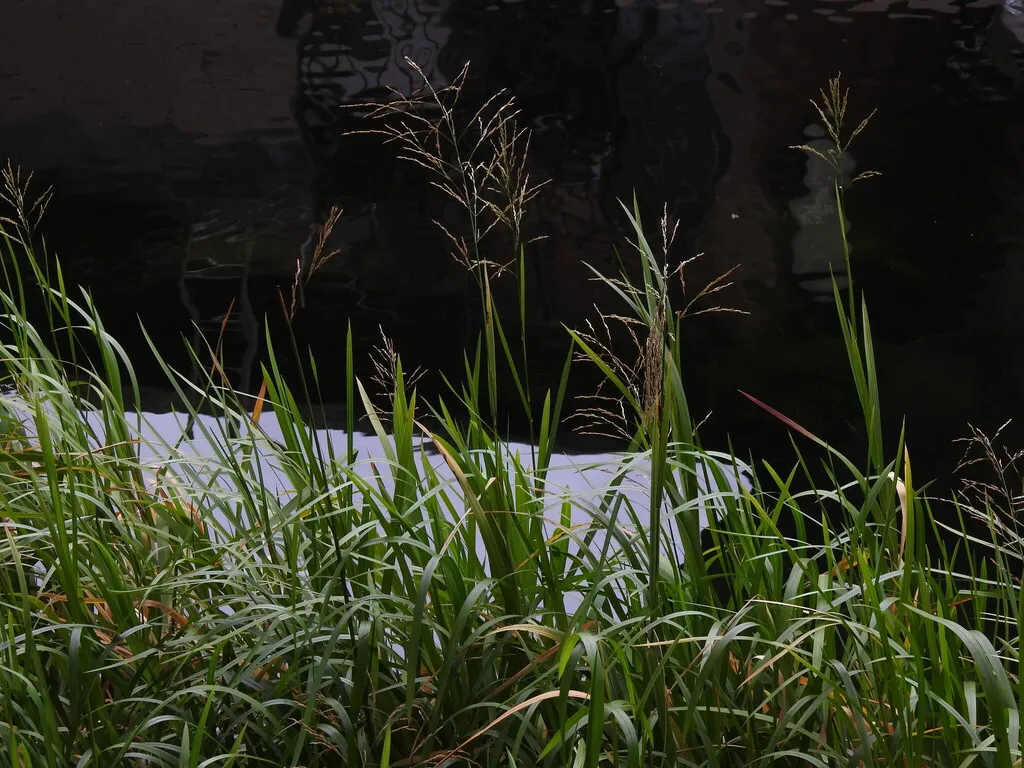
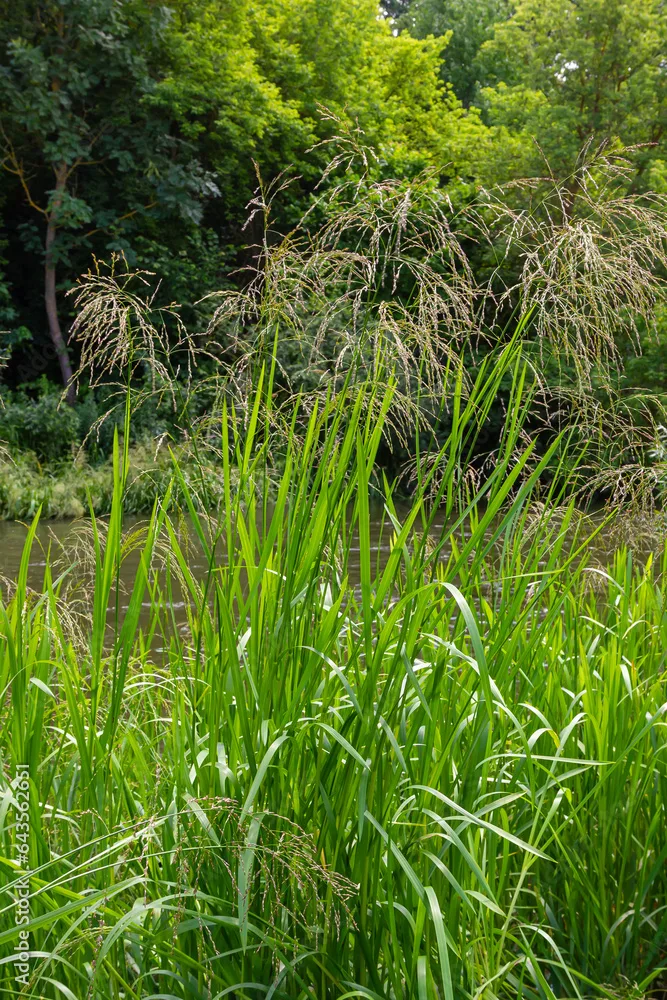
Distribution of reed sweet grass
Distribution map
Europe to China (Xinjiang)
Information to be completed
Culture
Information to be completed
Toxicity
Information to be completed
Quick identification of reed sweet grass
Information to be completed
reed sweet grass care guide
- Moderate regular watering, avoid prolonged drought or waterlogging
- Watering
- Full sun
- Sunlight
- Information to be completed
- Ideal temperature

Watering
Moderate regular watering, avoid prolonged drought or waterlogging
Fertilizing
 Fertilizing
Balanced feed in spring and light repeat in growth season
Pruning
 Pruning
Leaves can be cut back when they die off in late autumn
Propagation
 Propagation
Propagate by division in spring
Growing
 Growing
Grow in any reliably moist, fertile soil or in water up to 15cm deep, in full sun. Divide every few years to prevent congestion; can be invasive
People also ask
Information to be completed
Common pests and diseases
Diseases
Generally disease-free
Pests
Generally pest-free
Explore the plant health library →




