
liquorice
Also known as: licorice; Spanish juice plant; Spanish liquorice; sweetwood
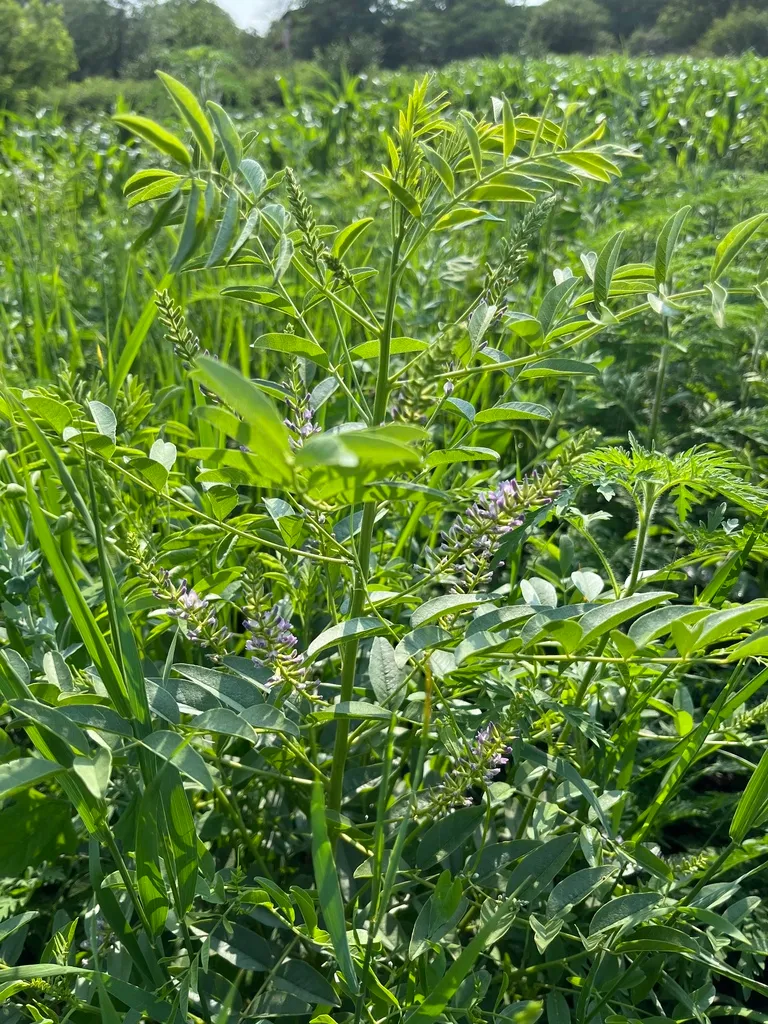
A woody-based perennial to 1.2m tall, with upright stems bearing sticky leaves to 20cm long, formed of numerous opposite pairs of leaflets. Pale blue to violet flowers are produced in loose, upright spikes in late summer. The roots, which are best harvested in the autumn, are the source of liquorice. An interesting plant for a wild garden or informal border
Scientific classification
- Species
- liquorice (Glycyrrhiza glabra)
- Genus
- Glycyrrhiza
- Family
- Fabaceae
- Order
- Fabales
- Class
- Magnoliopsida
- Phylum
- Tracheophyta
- Information to be completed
- Toxicity
- Shrubs
- Plant type
- 1-1.5 metres
- Height
- 0.5-1 metres
- Spread
- Deciduous
- Foliage
- Bushy
- Habit
- Spring · Summer · Autumn
- Season of interest
- Full sun
- Sunlight
- Information to be completed
- Ideal temperature









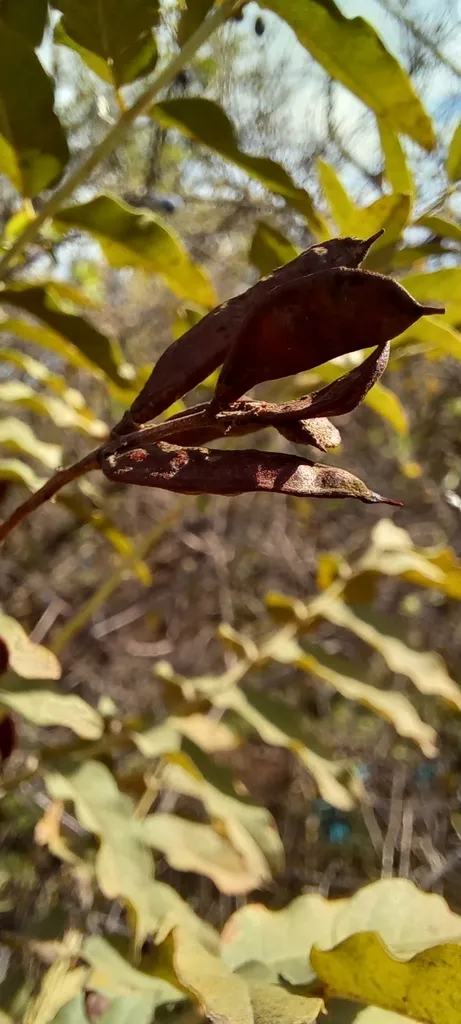
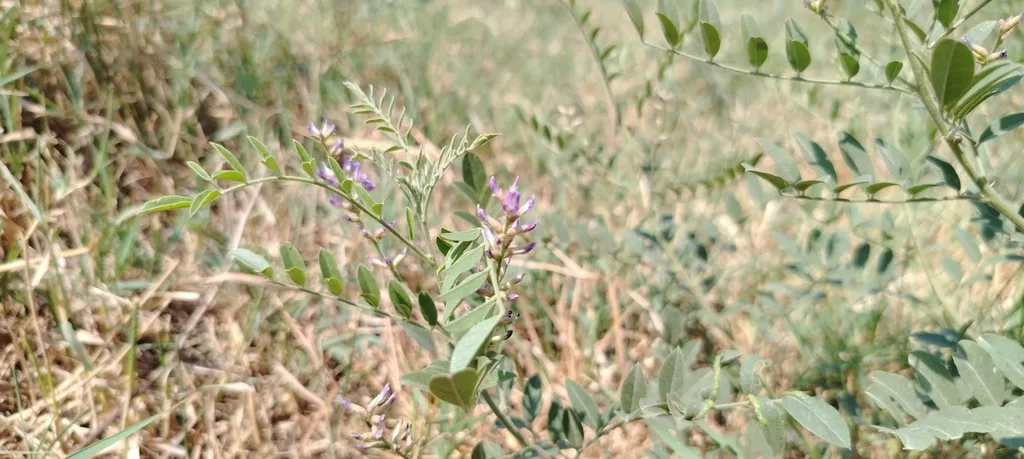
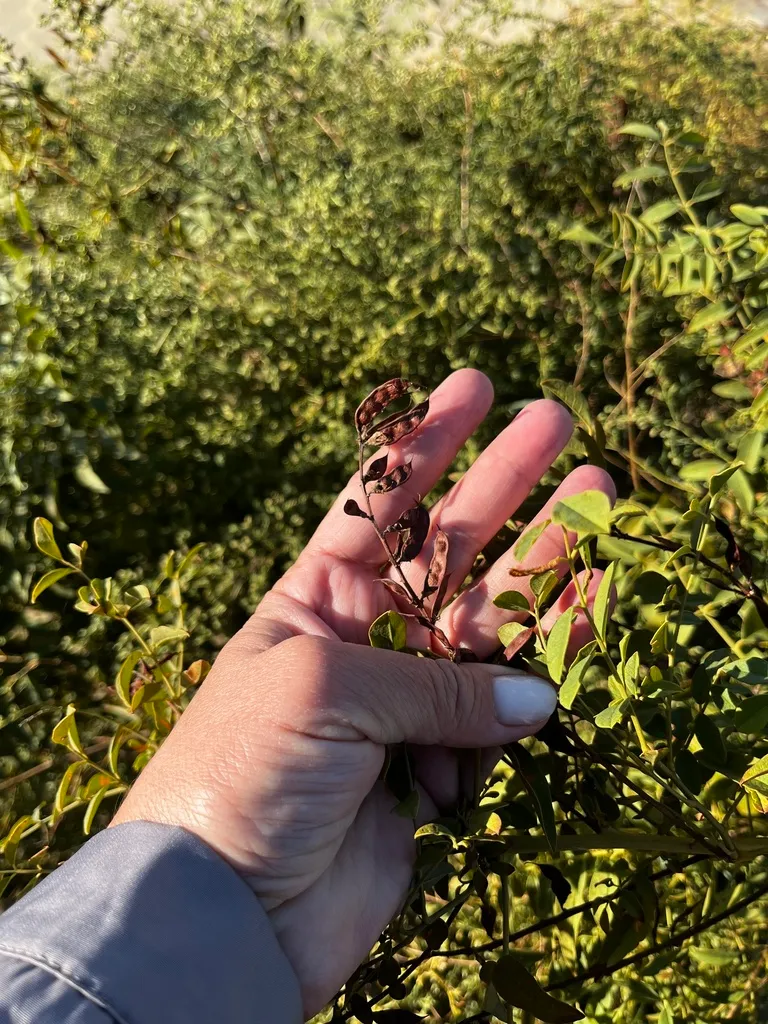
liquorice pictures
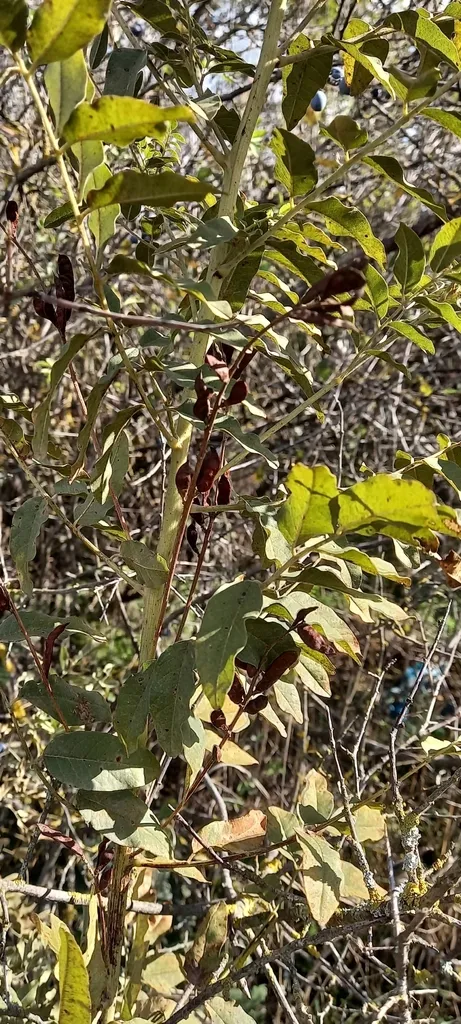
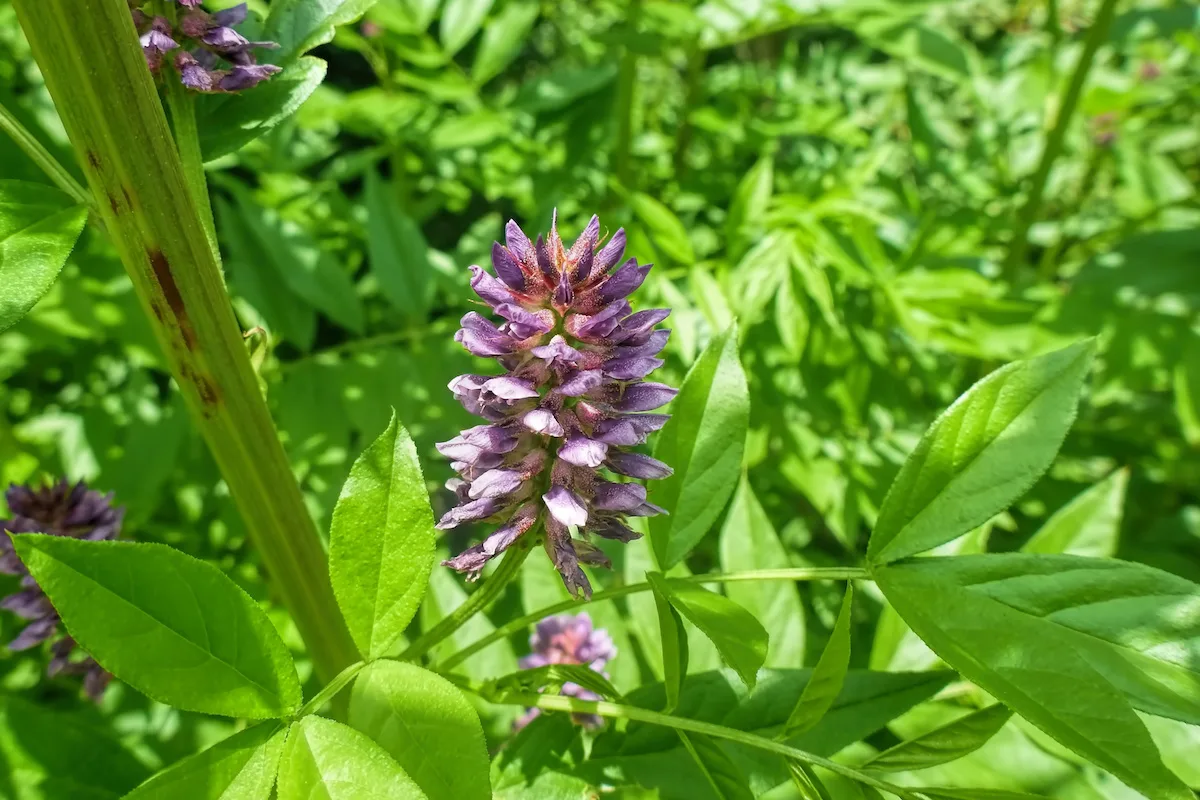
Distribution of liquorice
Distribution map
- Native
- Introduced
- Cultivated
Locally extinct or doubtful records are excluded from native and introduced layers.
Source:WCVP v16 · Royal Botanic Gardens, Kew · CC BY 3.0 · Boundaries:WGSRPD / TDWG
liquorice care guide
- Moderate regular watering, allowing brief slight drying between soakings
- Watering
- Full sun
- Sunlight

Watering
Moderate regular watering, allowing brief slight drying between soakings
Fertilizing
 Fertilizing
Balanced perennial feed every four weeks from spring through summer
Pruning
 Pruning
No pruning required
Propagation
 Propagation
Propagate by sowing seed in containers in a coldframe in spring or autumn. Divide roots, each with one or more growth buds, in early spring
Growing
 Growing
Grow in deep, fertile, moist soil in full sun. Plants should be at least three years old before the roots are harvested
Common pests and diseases
Diseases
Generally disease-free
Pests
Generally pest-free
Explore the plant health library →




