
silky oak
Also known as: silk oak; silky-bark oak
A fast-growing evergreen tree to 20m or more, but is usually grown as an annual for foliage effect making a bushy shrub to 3m. Olive-green, fern-like leaves to 30cm in length, paler beneath. Racemes of tubular yellow flowers are produced only by mature plants

Scientific classification
- Species
- silky oak (Grevillea robusta)
- Genus
- Grevillea
- Family
- Proteaceae
- Skin irritant/allergen. Wear gloves and other protective equipment when handling
- Toxicity
- Bedding · Conservatory Greenhouse · Trees
- Plant type
- Higher than 12 metres
- Height
- 4-8 metres
- Spread
- Evergreen
- Foliage
- Bushy
- Habit
- Spring · Summer · Autumn · Winter
- Season of interest
- Full sun
- Sunlight
- Information to be completed
- Ideal temperature









silky oak pictures


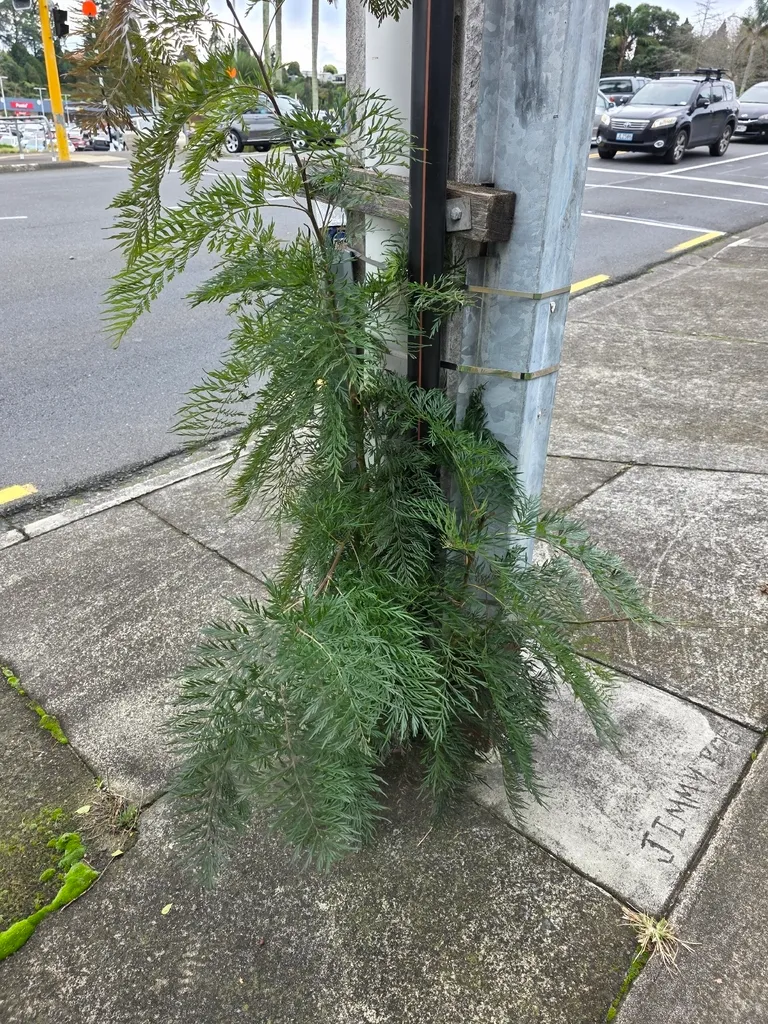
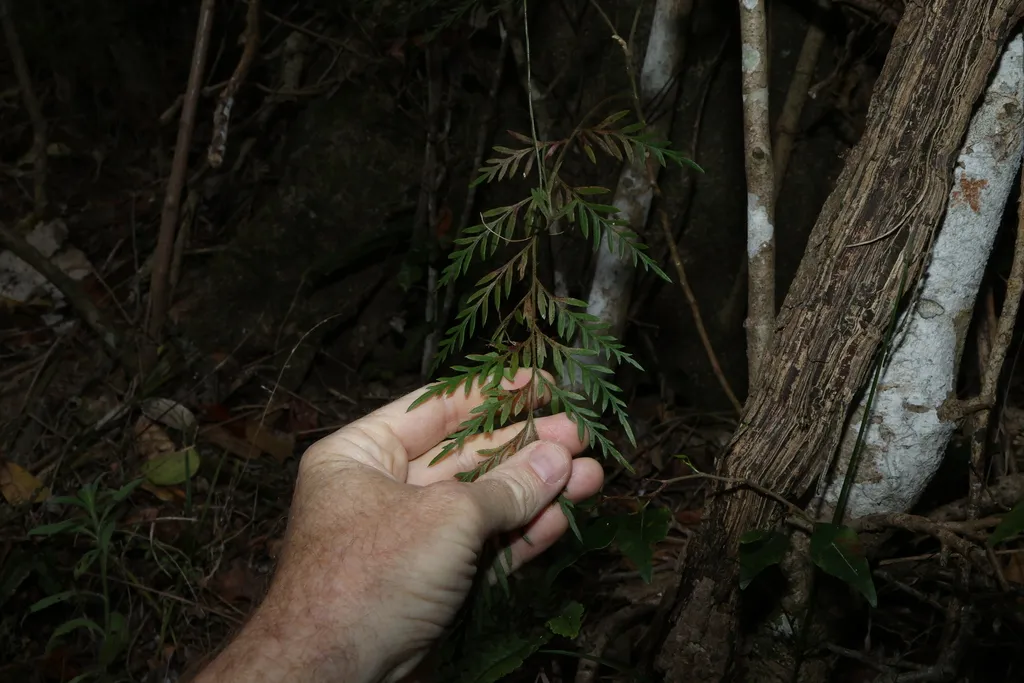
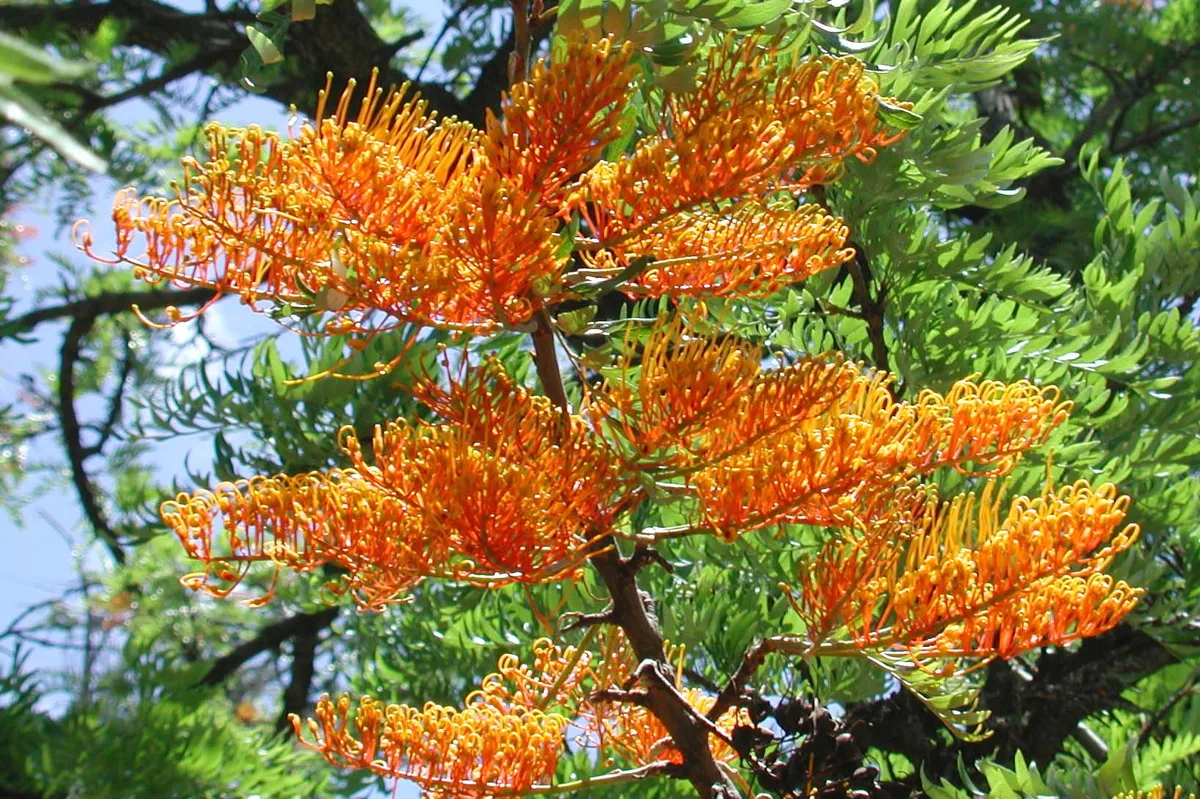
Distribution of silky oak
Distribution map
Eastern Australia
Information to be completed
Culture
Information to be completed
Toxicity
Skin irritant/allergen. Wear gloves and other protective equipment when handling
Quick identification of silky oak
Information to be completed
silky oak care guide
- Moderate regular watering, allowing brief slight drying between soakings
- Watering
- Full sun
- Sunlight
- Information to be completed
- Ideal temperature

Watering
Moderate regular watering, allowing brief slight drying between soakings
Fertilizing
 Fertilizing
Balanced perennial feed every four weeks from spring through summer
Pruning
 Pruning
Little pruning is needed. Remove diseased, damaged, crowded or crossing shoots and unwanted growth. Timing depends on the plant: generally late winter or early spring; plants prone to bleeding and deciduous magnolias need different timing, and deciduous azaleas and lilacs are pruned after flowering.
Propagation
 Propagation
Propagate by seed, semi-hardwood cuttings or graft
Growing
 Growing
Grow outdoors in acid to neutral well-drained soil in a frost-free area or as part of a summer bedding scheme. Grow under glass in lime-free compost with added grit in full light. May need restrictive pruning under glass
People also ask
Information to be completed
Common pests and diseases
Diseases
May be susceptible to honey fungus (rarely)
Pests
Generally pest-free
Explore the plant health library →




