
giant rhubarb
Also known as: Chilean rhubarb; prickly rhubarb
A very robust herbaceous perennial, forming a spreading clump of lobed, rounded, rough-textured leaves with spiny stems 1-2m in width. Tiny red-brown flowers are borne in erect panicles to 1m in height
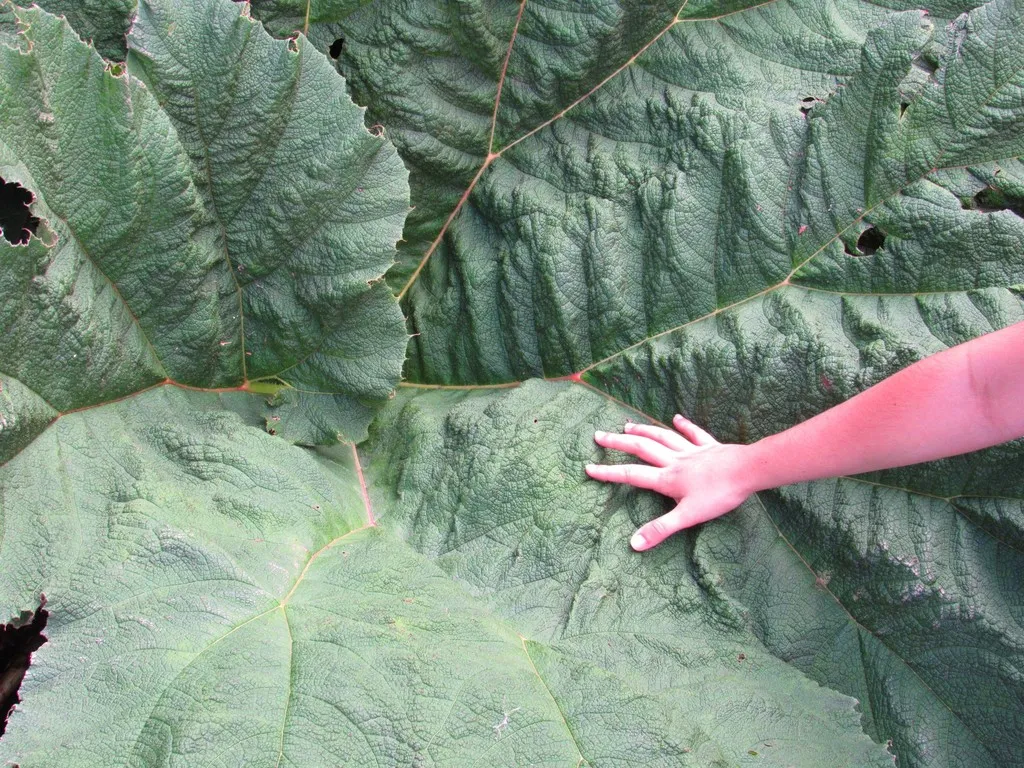
Scientific classification
- Species
- giant rhubarb (Gunnera manicata)
- Genus
- Gunnera
- Family
- Gunneraceae
- Information to be completed
- Toxicity
- Bogs · Herbaceous Perennial
- Plant type
- 1.5-2.5 metres
- Height
- 2.5-4 metres
- Spread
- Deciduous
- Foliage
- Clump forming
- Habit
- Spring · Summer · Autumn
- Season of interest
- Full sun · Partial shade
- Sunlight
- Information to be completed
- Ideal temperature









giant rhubarb pictures
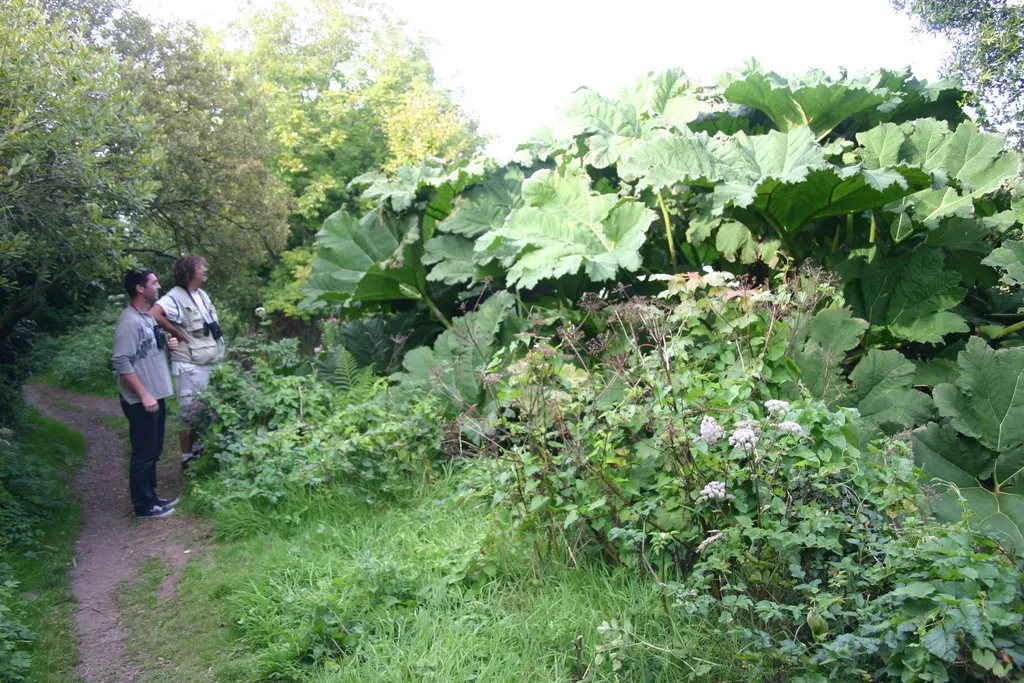
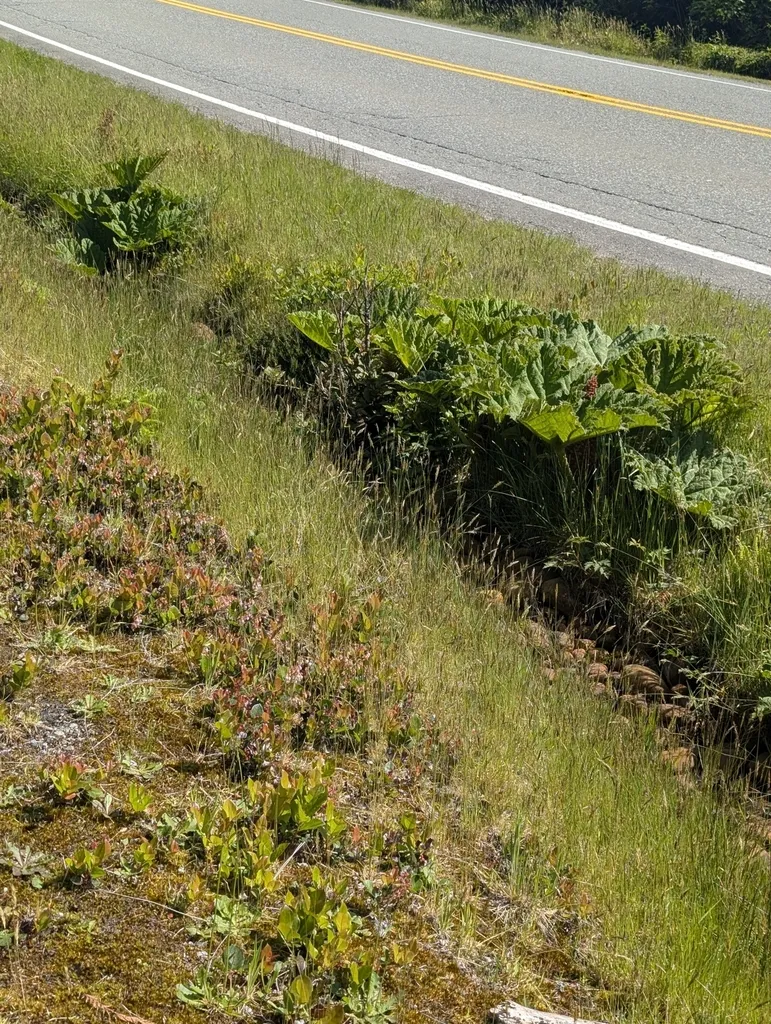
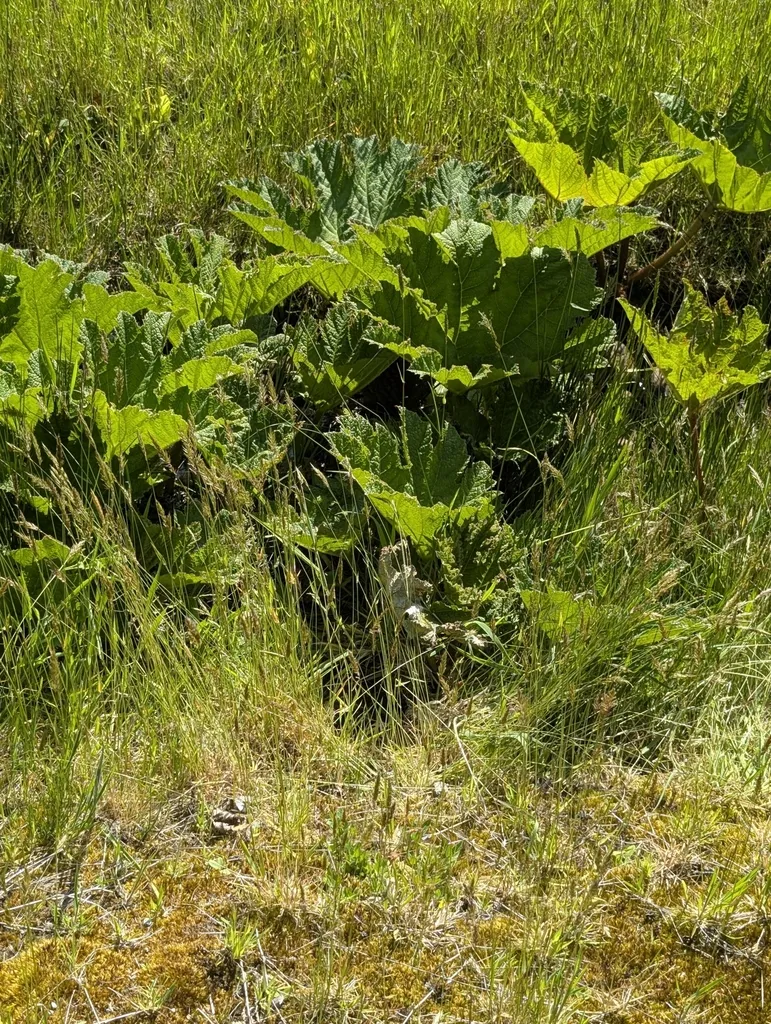
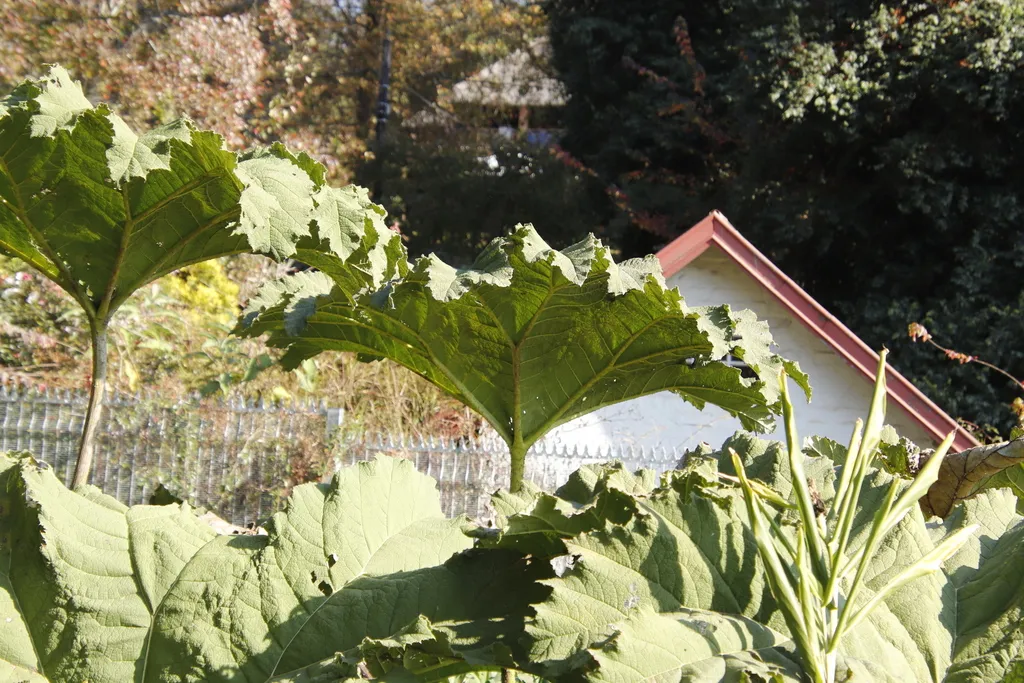
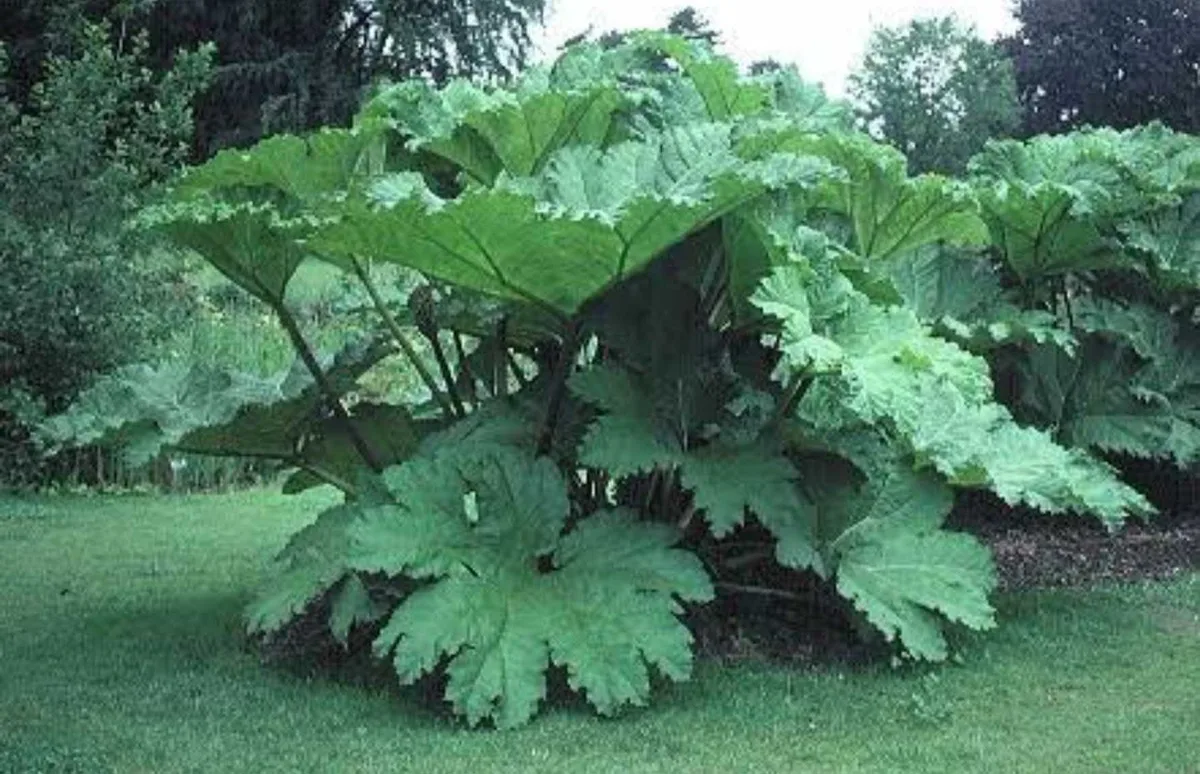
Distribution of giant rhubarb
Distribution map
Brazil
Information to be completed
Culture
Information to be completed
Toxicity
Information to be completed
Quick identification of giant rhubarb
Information to be completed
giant rhubarb care guide
- Moderate regular watering, avoid prolonged drought or waterlogging
- Watering
- Full sun · Partial shade
- Sunlight
- Information to be completed
- Ideal temperature

Watering
Moderate regular watering, avoid prolonged drought or waterlogging
Fertilizing
 Fertilizing
Balanced feed in spring and light repeat in growth season
Pruning
 Pruning
Cut back after flowering
Propagation
 Propagation
Propagate by seed sown in gentle heat as soon as ripe, seed quickly loses viability. Propagate by cuttings of leafy, basal buds in spring
Growing
 Growing
Grow in permanently moist, humus-rich soil in full sun or partial shade. Shelter from cold drying winds. Protect crowns by mulching during the winter months. This plant is listed on Schedule 3 of the EU (Birds and Natural Habitats) Regulations 2011 in the Republic of Ireland as an invasive non-native species. While this does not prevent it from being sold or from being grown in gardens in the Republic of Ireland, the RHS encourages those that do grow it to take great care with managing it and with disposing of unwanted material. The RHS also encourages gardeners in the Republic of Ireland to find alternative plants to grow to those listed on Schedule 3
People also ask
Information to be completed
Common pests and diseases
Diseases
Generally disease free
Pests
Generally pest-free
Explore the plant health library →




