
star of Persia
Also known as: Information to be completed
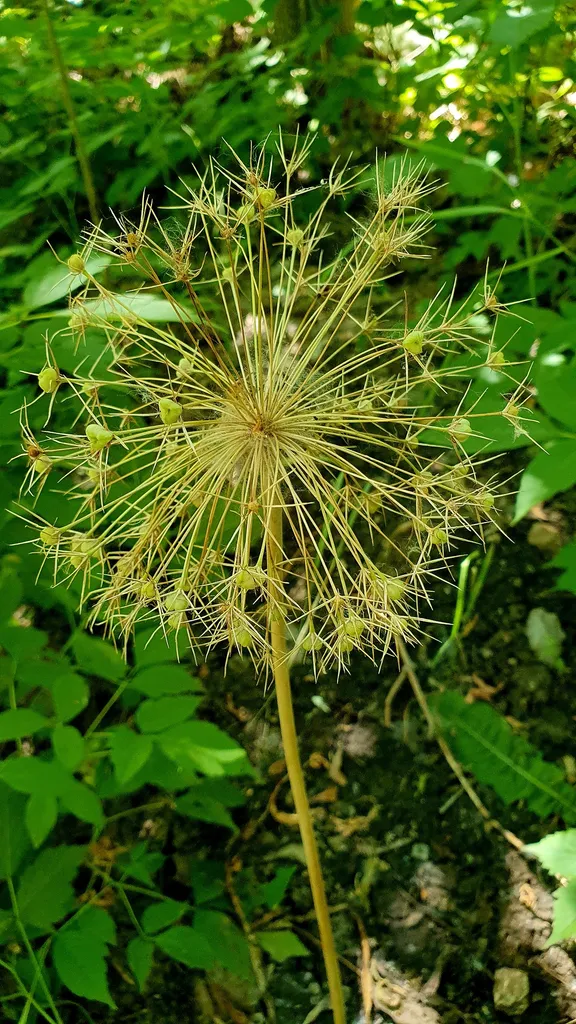
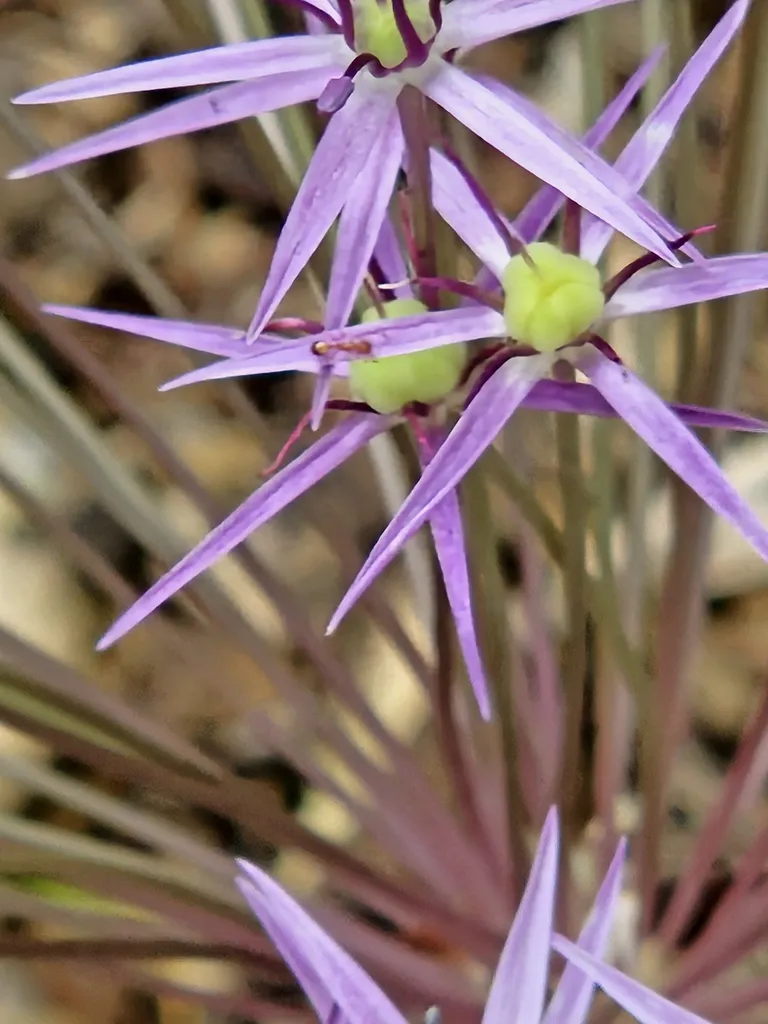
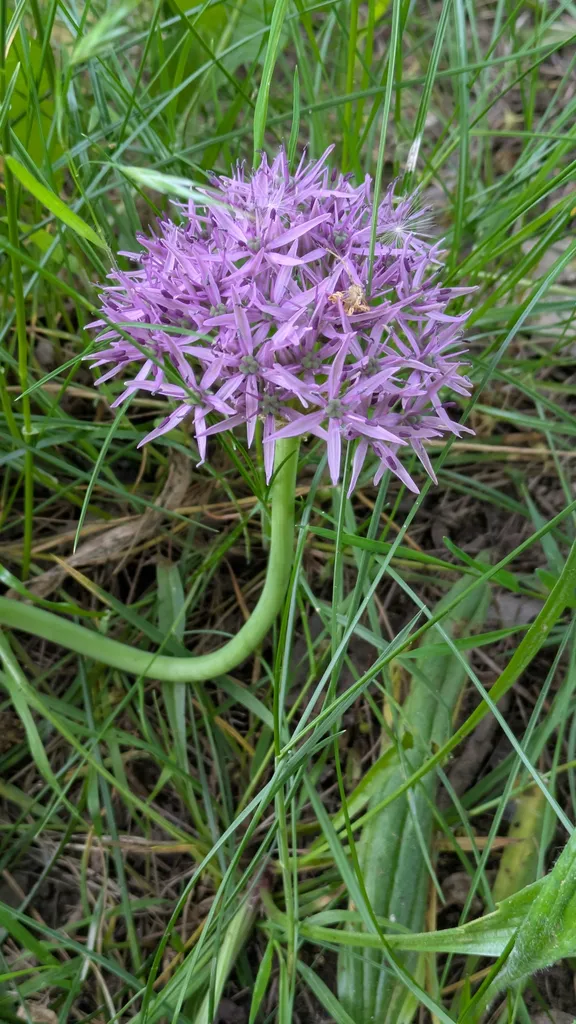
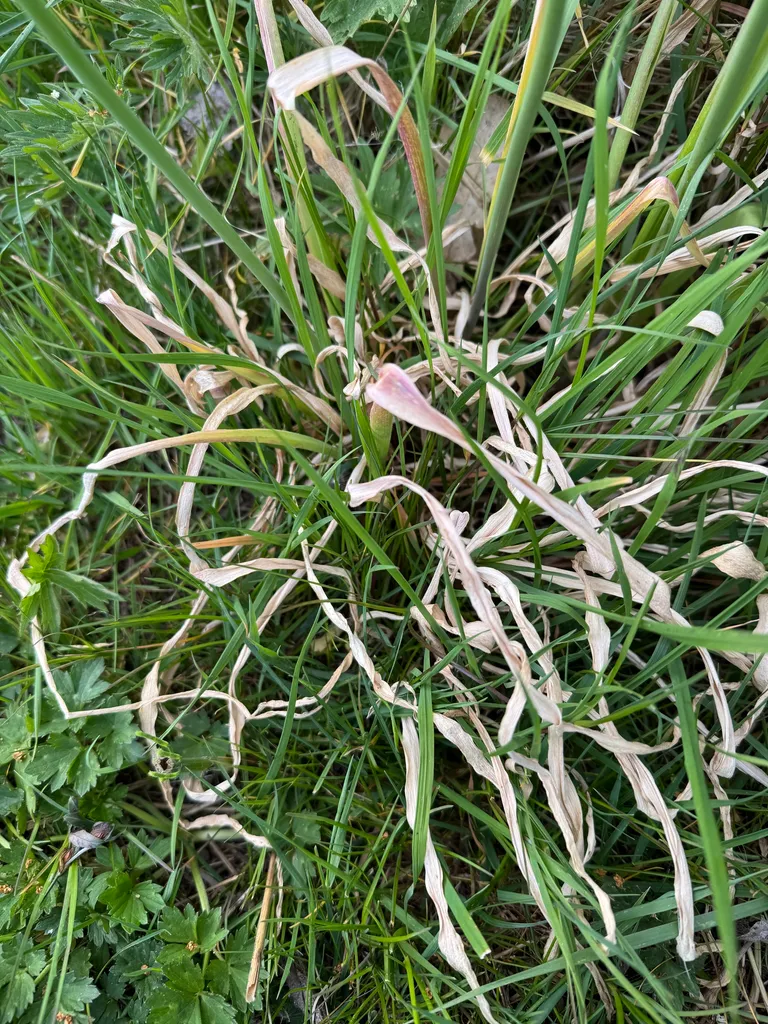
Bulbous perennial to 60cm tall, with strap-shaped, slightly glaucous leaves withering by flowering time. Star-shaped, rosy-violet flowers with a metallic sheen in globose heads to 20cm in width in early summer, are followed by attractive seed-heads; good for drying
Scientific classification
- Species
- star of Persia (Allium cristophii)
- Genus
- Allium
- Family
- Amaryllidaceae
- Order
- Asparagales
- Class
- Liliopsida
- Phylum
- Magnoliophyta
- Information to be completed
- Toxicity
- Bulbs
- Plant type
- 0.1-0.5 metres
- Height
- 0.1-0.5 metres
- Spread
- Deciduous
- Foliage
- Clump forming
- Habit
- Spring · Summer
- Season of interest
- Full sun
- Sunlight
- Information to be completed
- Ideal temperature









star of Persia pictures
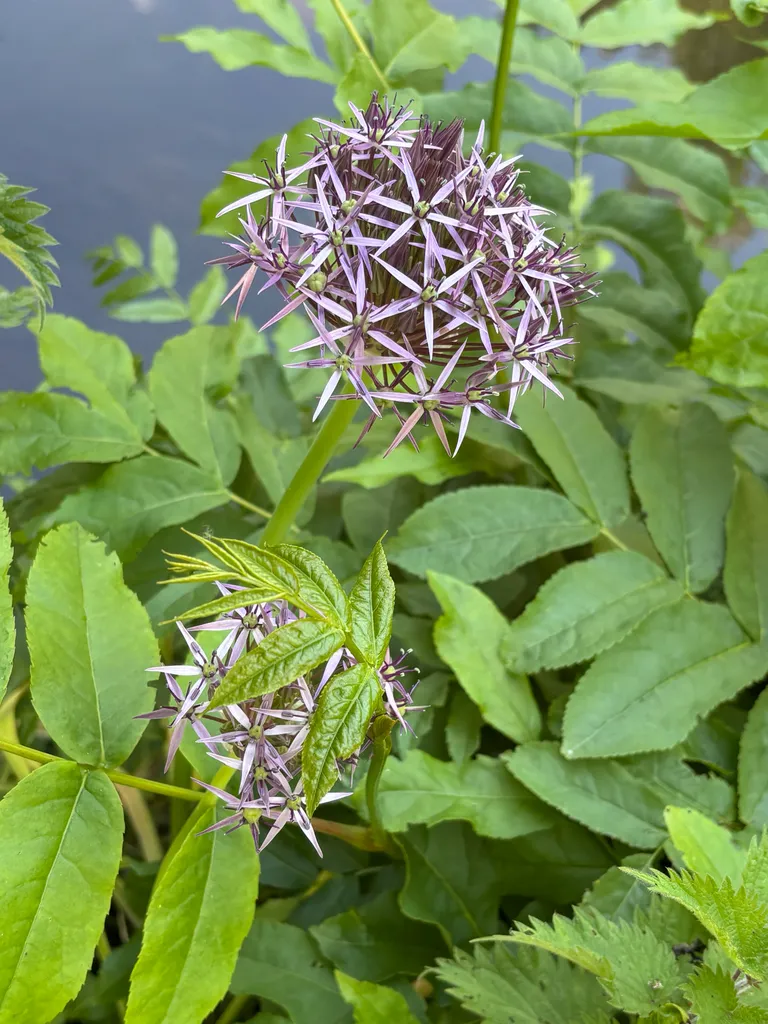
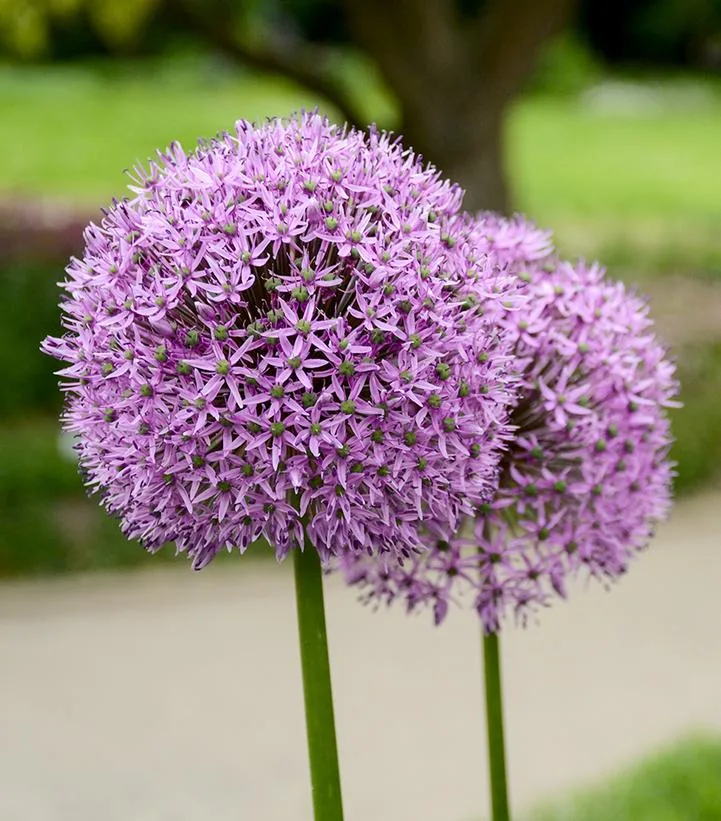
Distribution of star of Persia
Distribution map
- Native
- Introduced
- Cultivated
Source:WCVP v16 · Royal Botanic Gardens, Kew · CC BY 3.0 · Boundaries:WGSRPD / TDWG
star of Persia care guide
- Moist soil during active growth, then reduce watering after foliage yellows
- Watering
- Full sun
- Sunlight

Watering
Moist soil during active growth, then reduce watering after foliage yellows
Fertilizing
 Fertilizing
Light bulb fertilizer at emergence and again after flowering
Pruning
 Pruning
No pruning required, other than to remove old flowered stems and foliage
Propagation
 Propagation
Propagate by seed when just ripe or in spring; or propagate by offsets which can be carefully detached by lifting the bulb after flowering has finished. See bulb propagation
Growing
 Growing
Grow in full sun and fertile well-drained soil. It is best to grow in containers where garden soil is heavy clay and prone to saturation over winter. See allium cultivation
Common pests and diseases
Diseases
May be susceptible to onion white rot, and onion downy mildew
Pests
May be susceptible to allium leaf miner and onion fly
Explore the plant health library →




