
strawberry 'Elsanta'
Also known as: Information to be completed
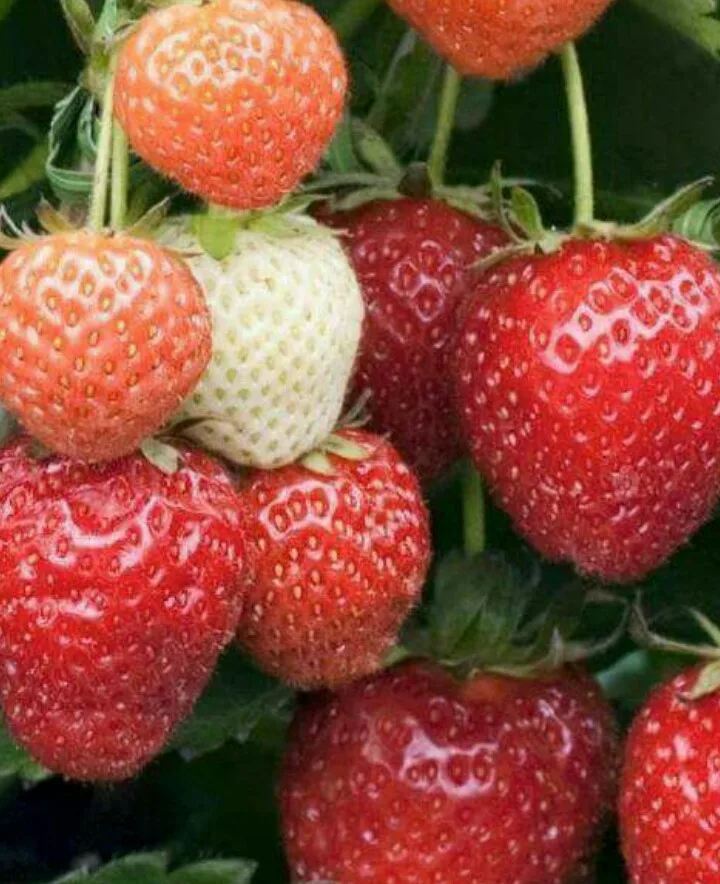
Elsanta' is mid-season, widely-grown commercial cultivar. It has superb flavour and large yields of glossy, red fruit
Scientific classification
- Species
- strawberry 'Elsanta' (Fragaria × ananassa 'Elsanta')
- Genus
- Fragaria
- Family
- Rosaceae
- Order
- Rosales
- Class
- Magnoliopsida
- Phylum
- Tracheophyta
- Information to be completed
- Toxicity
- Fruit Edible
- Plant type
- 0.1-0.5 metres
- Height
- 0.1-0.5 metres
- Spread
- Deciduous
- Foliage
- Trailing
- Habit
- Spring · Summer · Autumn
- Season of interest
- Full sun
- Sunlight
- Information to be completed
- Ideal temperature









strawberry 'Elsanta' pictures
Distribution of strawberry 'Elsanta'
Distribution map
- Native
- Introduced
- Cultivated
Source:WCVP v16 · Royal Botanic Gardens, Kew · CC BY 3.0 · Boundaries:WGSRPD / TDWG
strawberry 'Elsanta' care guide
- Moderate regular watering, allowing brief slight drying between soakings
- Watering
- Full sun
- Sunlight

Watering
Moderate regular watering, allowing brief slight drying between soakings
Fertilizing
 Fertilizing
Balanced perennial feed every four weeks from spring through summer
Pruning
 Pruning
Remove excess runners. Remove old foliage when fruiting is finished
Propagation
 Propagation
Remove and transplant runners
Growing
 Growing
Grow in fertile, moist but well-drained soil in full sun. Plant in single or double rows with 30-45cm between plants and 75cm between rows. Plant through black polythene or apply straw to keep strawberries clean. Can be successfully grown in a container, including growbags. See strawberry cultivation for further details
Common pests and diseases
Diseases
May be affected by strawberry viruses, strawberry black eye, powdery mildews and root rot. Fruit prone to grey moulds
Pests
Can get aphids, slugs, glasshouse red spider mite and vine weevil
Explore the plant health library →




