
pennyroyal 'Upright'
Also known as: upright pennyroyal
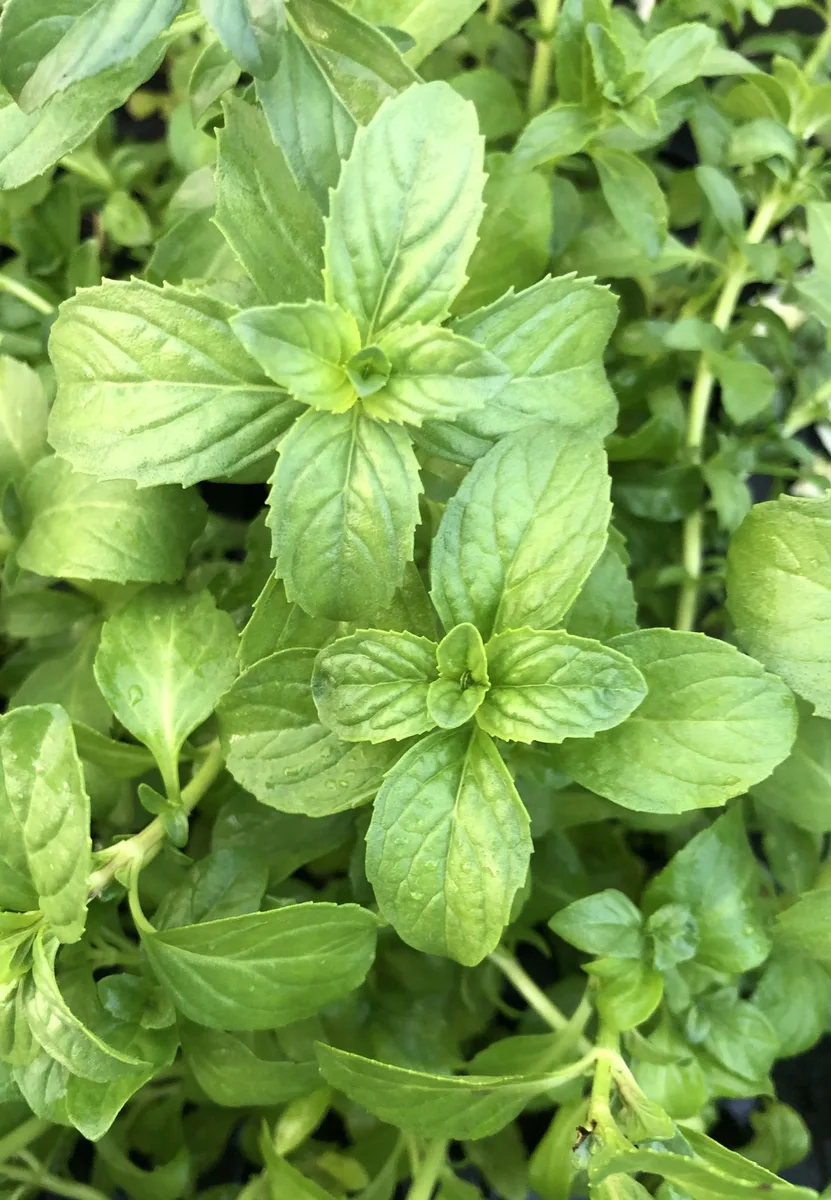
A herbaceous perennial 30cm or more high with mostly upright stems and some prostrate spreading stems, narrowly elliptic to rounded, sharply aromatic, slightly toothed, bright green leaves, to 3cm long, and whorled spikes of lilac flowers in summer. This variety of mint is not edible
Scientific classification
- Species
- pennyroyal 'Upright' (Mentha pulegium 'Upright')
- Genus
- Mentha
- Family
- Lamiaceae
- Order
- Lamiales
- Class
- Magnoliopsida
- Phylum
- Tracheophyta
- Harmful if eaten. Wear gloves and other protective equipment when handling
- Toxicity
- Herbaceous Perennial
- Plant type
- 0.1-0.5 metres
- Height
- 0.1-0.5 metres
- Spread
- Deciduous
- Foliage
- Clump forming
- Habit
- Spring · Summer · Autumn
- Season of interest
- Full sun · Partial shade
- Sunlight
- Information to be completed
- Ideal temperature









pennyroyal 'Upright' pictures
Distribution of pennyroyal 'Upright'
Distribution map
- Native
- Introduced
- Cultivated
Source:WCVP v16 · Royal Botanic Gardens, Kew · CC BY 3.0 · Boundaries:WGSRPD / TDWG
Toxicity
Harmful if eaten. Wear gloves and other protective equipment when handling
pennyroyal 'Upright' care guide
- Constantly damp growing medium, water frequently under hot weather
- Watering
- Full sun · Partial shade
- Sunlight

Watering
Constantly damp growing medium, water frequently under hot weather
Fertilizing
 Fertilizing
Mild general liquid feed every three weeks during active leaf growth
Pruning
 Pruning
No pruning required
Propagation
 Propagation
Propagate by division in spring or autumn, or by softwood cuttings, which will root at the nodes if placed in moist compost or water, during the growing season; it may be short-lived, so it is helpful to propagate reserve plants every year
Growing
 Growing
Grow in sun or partial shade in rich, moist, and preferably sandy, acidic soil
Common pests and diseases
Diseases
May be susceptible to powdery mildews and mint rust
Pests
May be susceptible to caterpillars and leafhoppers
Explore the plant health library →




