
Arctic sage
Also known as: pasture sagebrush; silky wormwood; mountain sage; wild sage
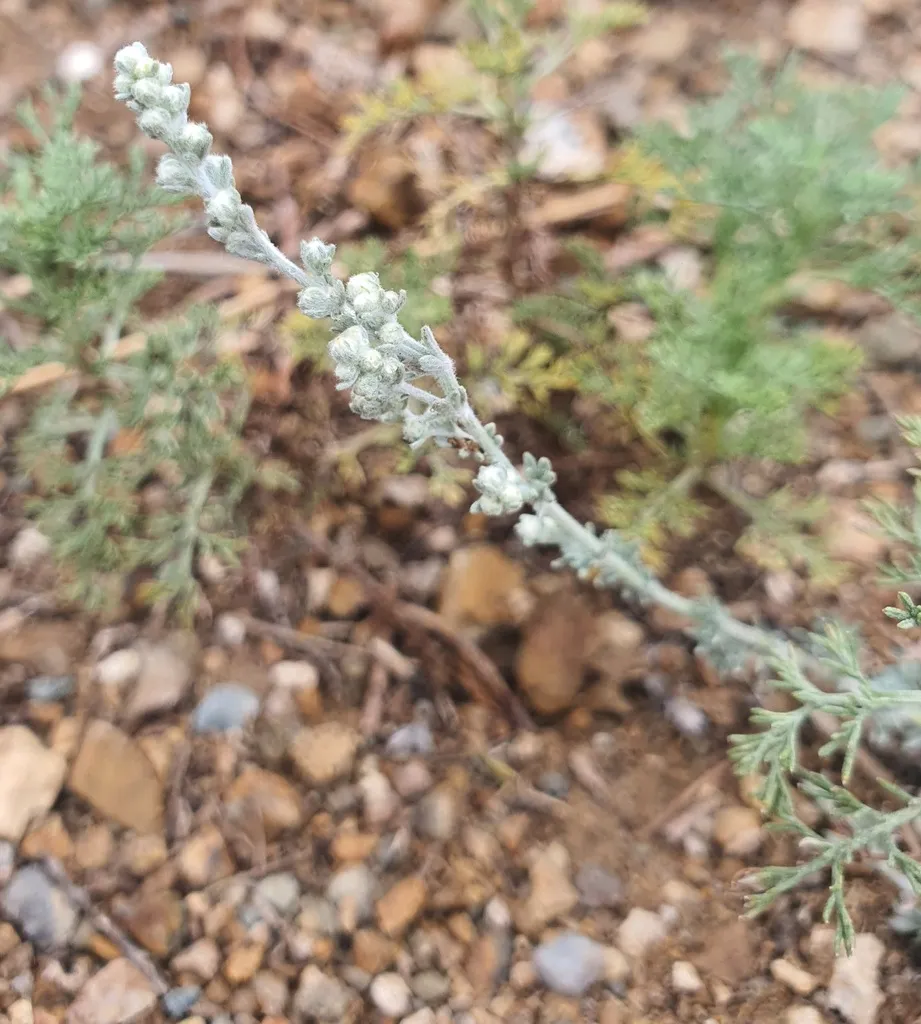
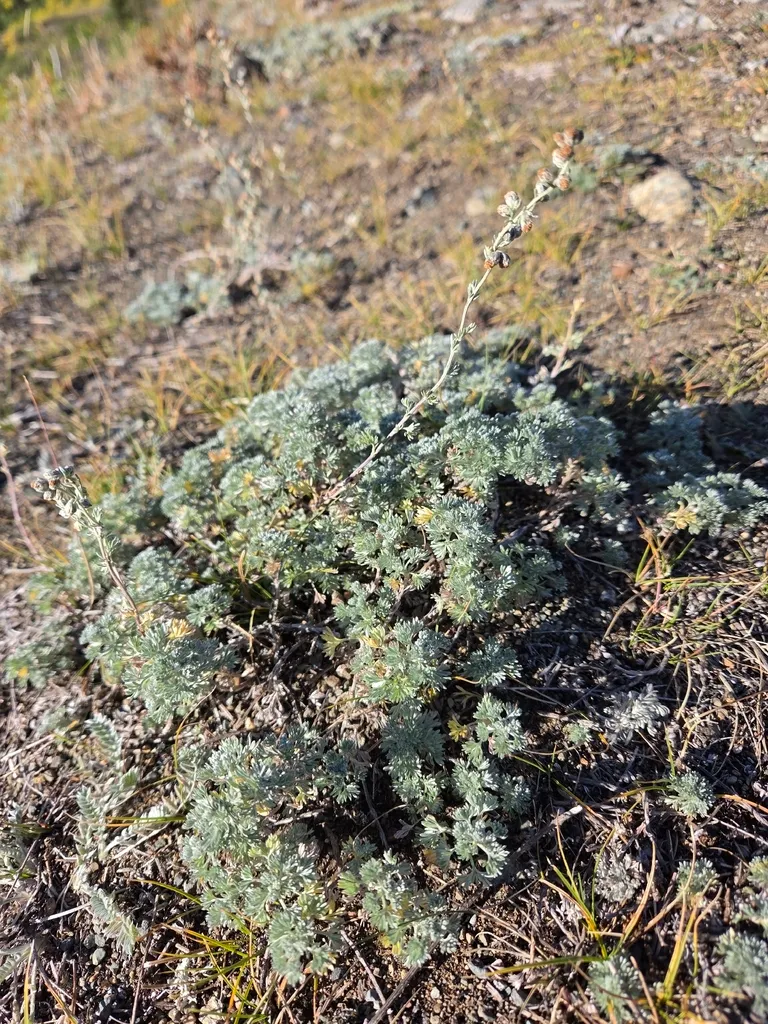
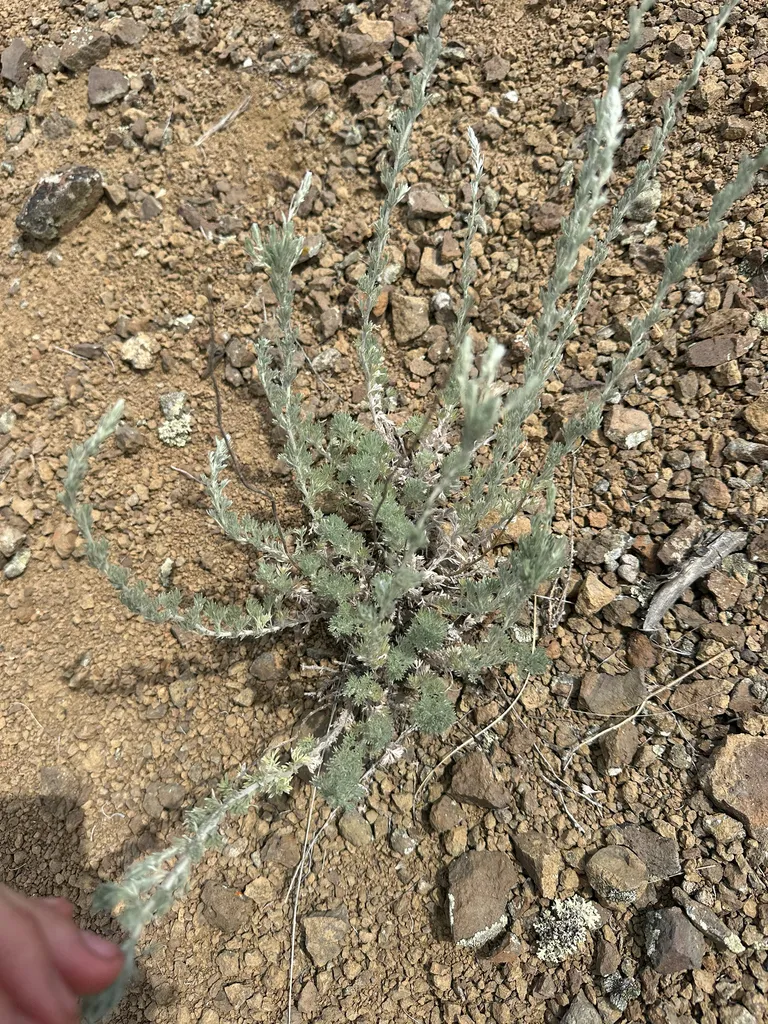
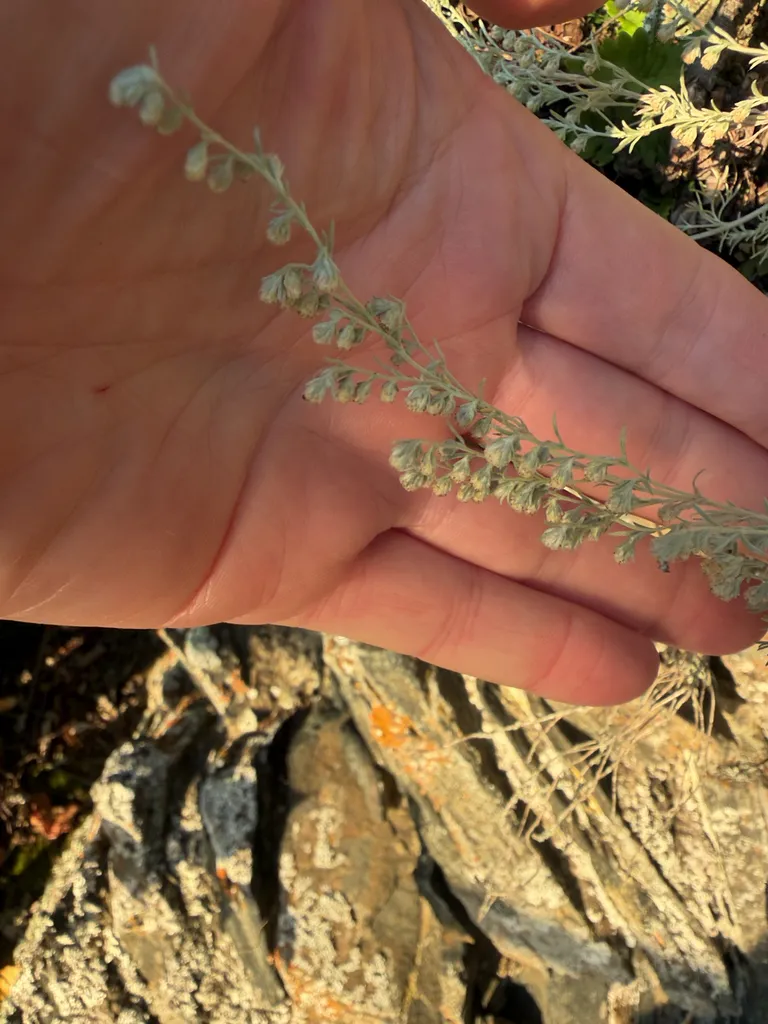
A tufted perennial to 30cm, woody at the base, with semi-evergreen, silky, light grey leaves divided into thread-like lobes and small yellow flower-heads in panicles
Scientific classification
- Species
- Arctic sage (Artemisia frigida)
- Genus
- Artemisia
- Family
- Asteraceae
- Order
- Asterales
- Class
- Magnoliopsida
- Phylum
- Magnoliophyta
- Information to be completed
- Toxicity
- Alpine Rockery
- Plant type
- 0.1-0.5 metres
- Height
- 0.1-0.5 metres
- Spread
- Semi evergreen
- Foliage
- Bushy
- Habit
- Spring · Summer · Autumn · Winter
- Season of interest
- Full sun
- Sunlight
- Information to be completed
- Ideal temperature









Arctic sage pictures
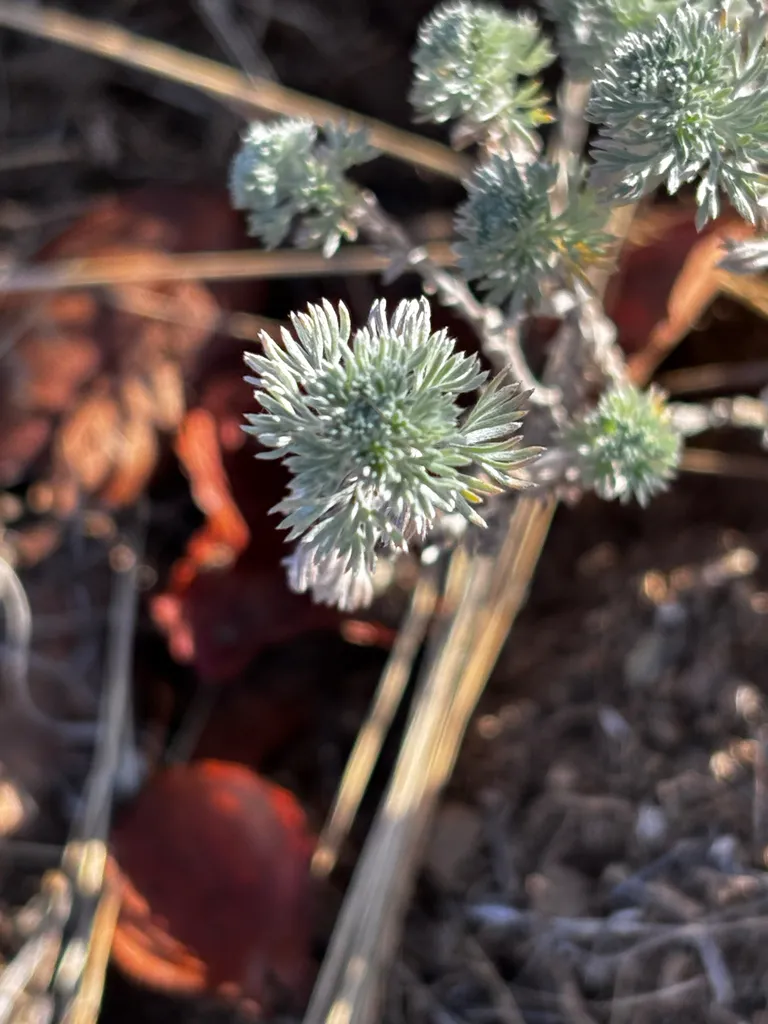
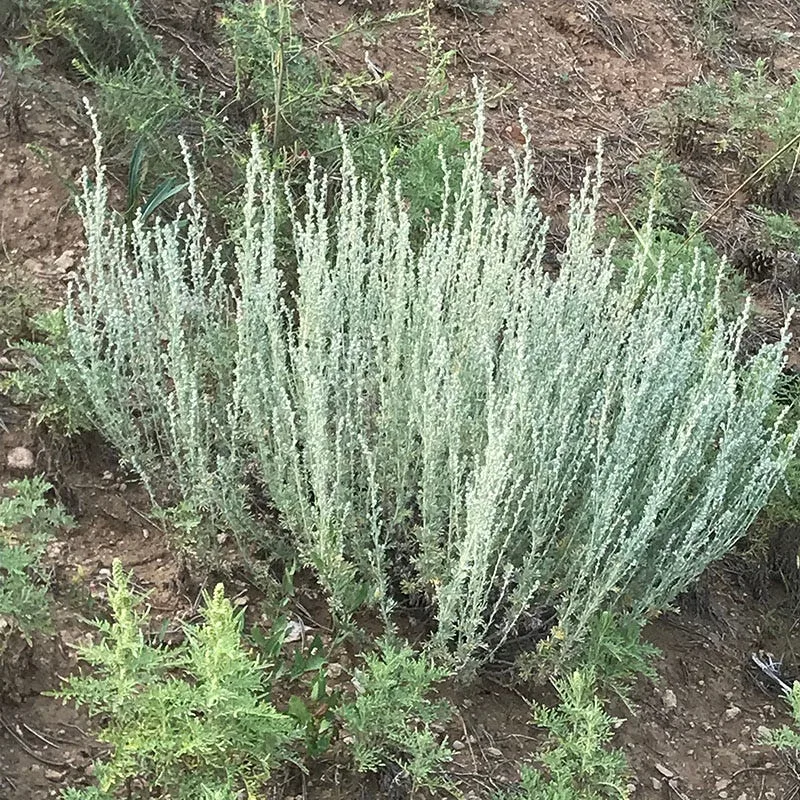
Distribution of Arctic sage
Distribution map
- Native
- Introduced
- Cultivated
Source:WCVP v16 · Royal Botanic Gardens, Kew · CC BY 3.0 · Boundaries:WGSRPD / TDWG
Arctic sage care guide
- Water sparingly once established, with excellent drainage
- Watering
- Full sun
- Sunlight

Watering
Water sparingly once established, with excellent drainage
Fertilizing
 Fertilizing
Light low nitrogen feed in spring
Pruning
 Pruning
Remove any dead stems and shoots in spring
Propagation
 Propagation
Propagate by seed. Insert softwood or greenwood stem-tip cuttings in spring in a free-draining compost under plastic film. Take semi-ripe stem-tip cuttings
Growing
 Growing
Grow in fertile well-drained soil in sun. Can die back in heavy, poorly-drained soil
Common pests and diseases
Diseases
May be susceptible to honey fungus
Pests
Generally pest-free
Explore the plant health library →




