
Rhodope haberlea
Also known as: Information to be completed
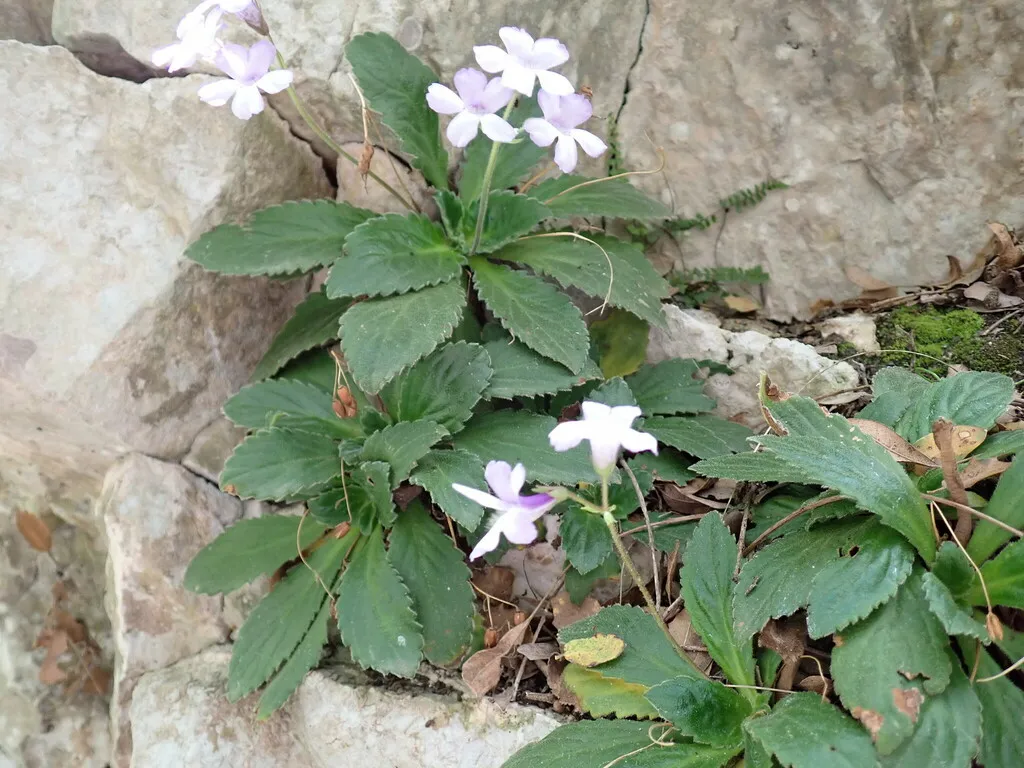
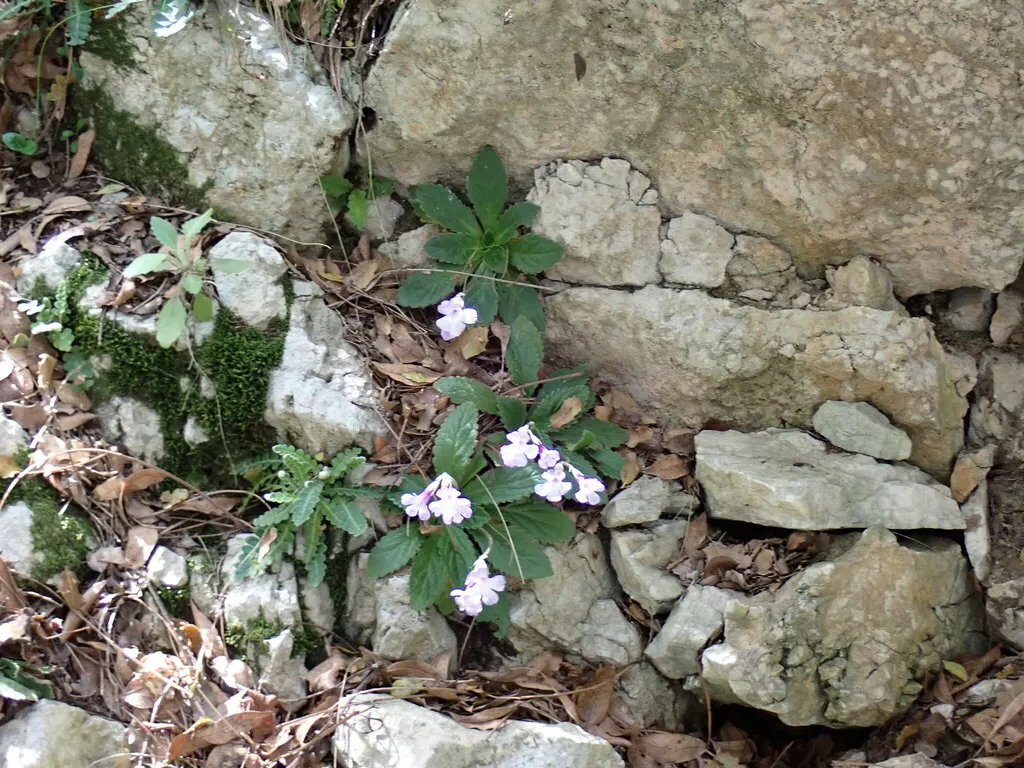
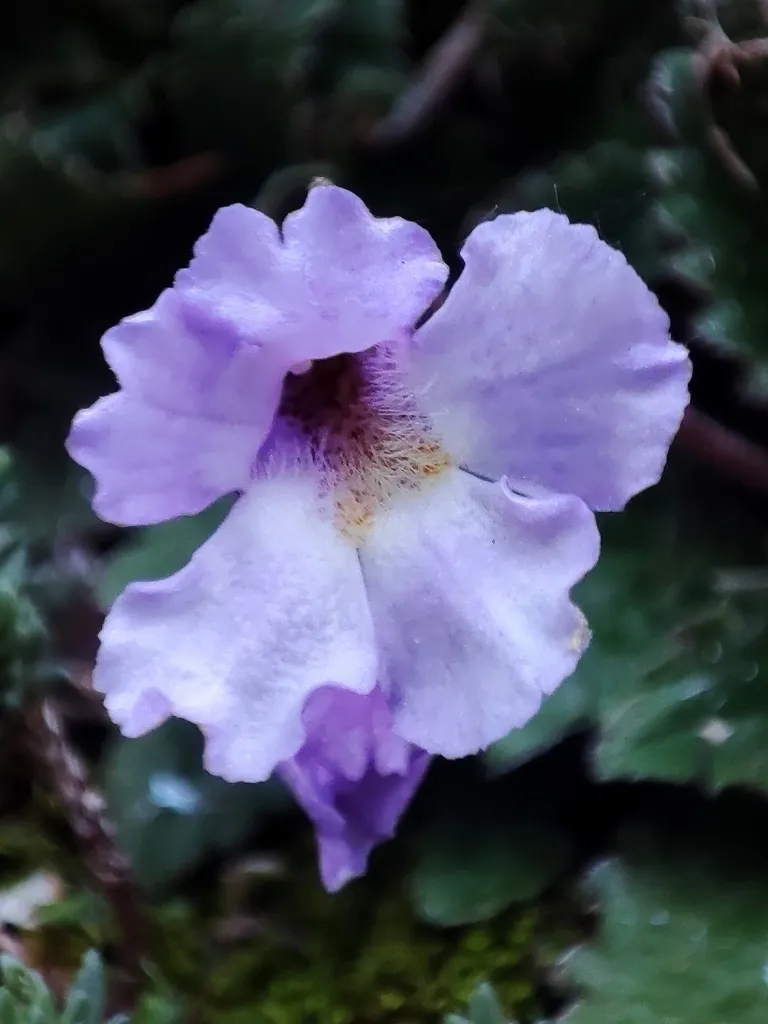
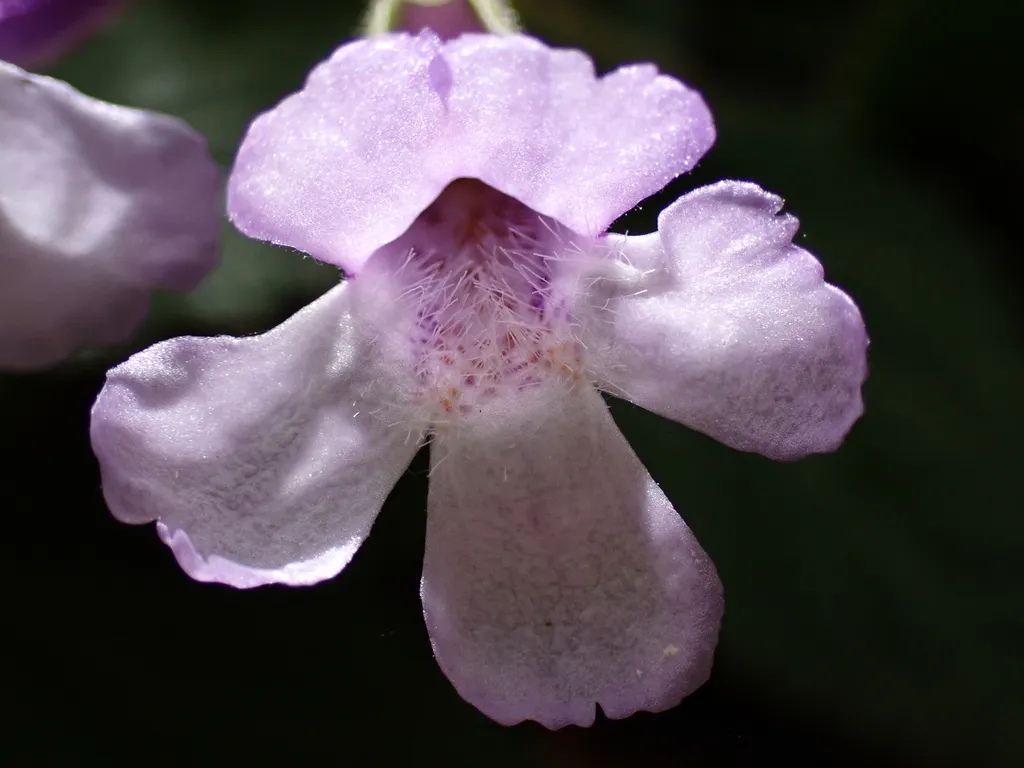
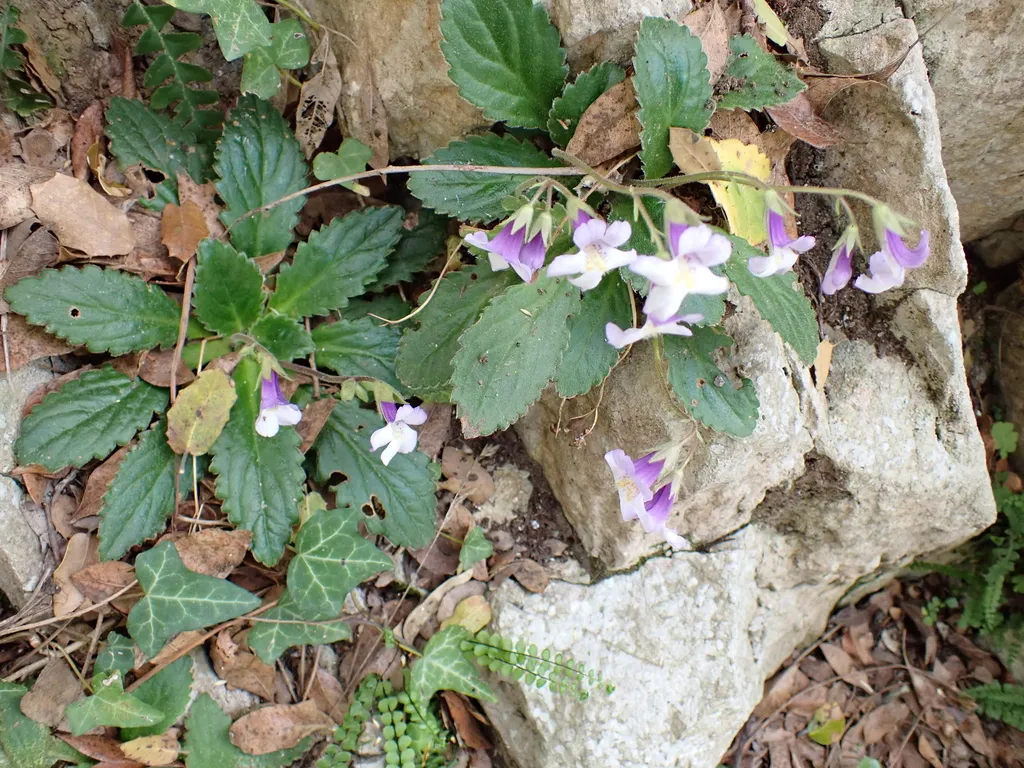
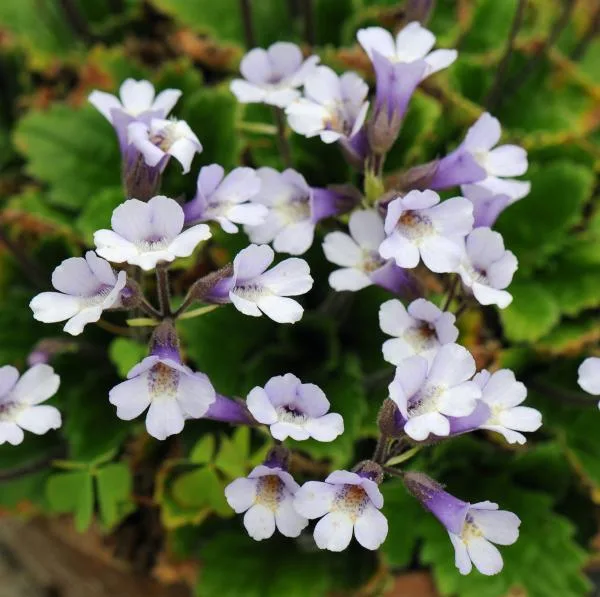
H. rhodopensis is a perennial to 15cm in height, forming a rosette of hairy, dark green, obovate leaves to 8cm in length, with scalloped edges, and with 2-lipped, light violet flowers 2.5cm in width, marked orange on the white throat
Scientific classification
- Species
- Rhodope haberlea (Haberlea rhodopensis)
- Genus
- Haberlea
- Family
- Gesneriaceae
- Order
- Lamiales
- Class
- Magnoliopsida
- Phylum
- Magnoliophyta
- Information to be completed
- Toxicity
- Alpine Rockery
- Plant type
- 0.1-0.5 metres
- Height
- 0.1-0.5 metres
- Spread
- Evergreen
- Foliage
- Clump forming
- Habit
- Spring · Summer · Autumn
- Season of interest
- Full shade · Partial shade
- Sunlight
- Information to be completed
- Ideal temperature









Rhodope haberlea pictures
Distribution of Rhodope haberlea
Distribution map
- Native
- Introduced
- Cultivated
Source:WCVP v16 · Royal Botanic Gardens, Kew · CC BY 3.0 · Boundaries:WGSRPD / TDWG
Rhodope haberlea care guide
- Moderate regular watering, avoid prolonged drought and stagnant waterlogging
- Watering
- Full shade · Partial shade
- Sunlight

Watering
Moderate regular watering, avoid prolonged drought and stagnant waterlogging
Fertilizing
 Fertilizing
Balanced perennial feed every four weeks spring through summer growth
Pruning
 Pruning
No pruning required
Propagation
 Propagation
Propagate by seed or root leaf cuttings in spring
Growing
 Growing
Grow in a moist but well-drained, humus-rich, gritty, acid to neutral soil in full or partial shade. Protect from excessive winter wet and cold winds. Best grown in vertical rock crevices to avoid the accumulation of water in foliage rosettes. Root disturbance is resented
Common pests and diseases
Diseases
Generally disease free
Pests
Prone to slugs and snails
Explore the plant health library →




