
Argentine rain lily
Also known as: Information to be completed
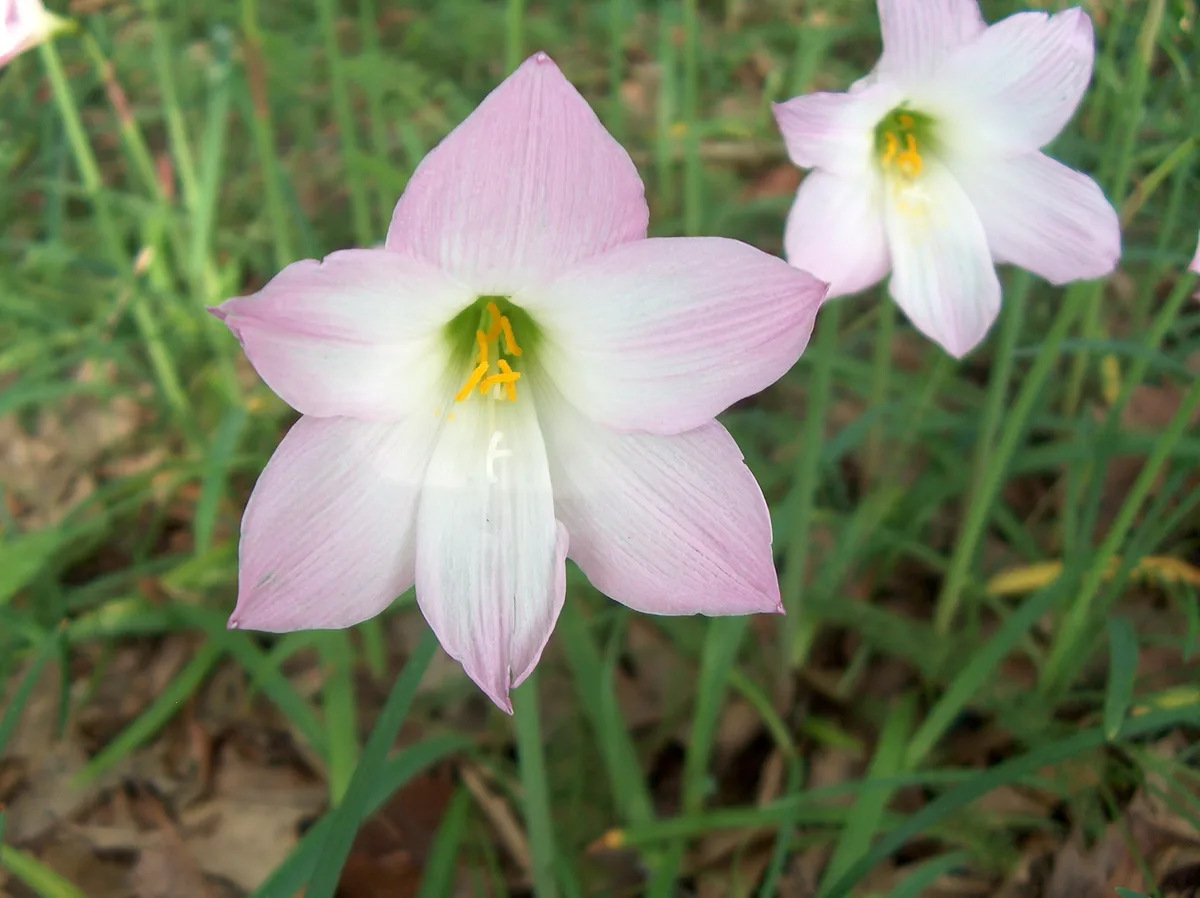
H. robustus is a bulbous perennial with narrow, arching leaves and erect stems to 30cm tall, bearing solitary, funnel-shaped light pink flowers 6cm across in summer
Scientific classification
- Species
- Argentine rain lily (Habranthus robustus)
- Genus
- Habranthus
- Family
- Amaryllidaceae
- All parts of the plant are mildly toxic if ingested. Sap can cause skin irritation. Wear gloves and other protective equipment when handling
- Toxicity
- Bulbs · Conservatory Greenhouse
- Plant type
- 0.1-0.5 metres
- Height
- 0-0.1 metre
- Spread
- Deciduous
- Foliage
- Bushy
- Habit
- Summer
- Season of interest
- Full sun · Partial shade
- Sunlight
- Information to be completed
- Ideal temperature









Argentine rain lily pictures
Distribution of Argentine rain lily
Distribution map
Brazil to Argentina
Information to be completed
Culture
Information to be completed
Toxicity
All parts of the plant are mildly toxic if ingested. Sap can cause skin irritation. Wear gloves and other protective equipment when handling
Quick identification of Argentine rain lily
Information to be completed
Argentine rain lily care guide
- Moderate regular watering, avoid prolonged drought or waterlogging
- Watering
- Full sun · Partial shade
- Sunlight
- Information to be completed
- Ideal temperature

Watering
Moderate regular watering, avoid prolonged drought or waterlogging
Fertilizing
 Fertilizing
Balanced feed in spring and light repeat in growth season
Pruning
 Pruning
no pruning required
Propagation
 Propagation
Propagate by seed sown in containers at 16-18C as soon as ripe. Bulb propagation by the removal of offsets and potting them up separately, may be done in spring
Growing
 Growing
Grow under glass in loam-based compost (JI No2) with added grit, in bright, but filtered light. Provide a balanced liquid feed monthly during the growing period. Reduce watering in winter but do not allow to become completely dry
People also ask
Information to be completed
Common pests and diseases
Diseases
Generally trouble free
Pests
Generally trouble free
Explore the plant health library →




