
penstemon 'Southgate Gem'
Also known as: Information to be completed
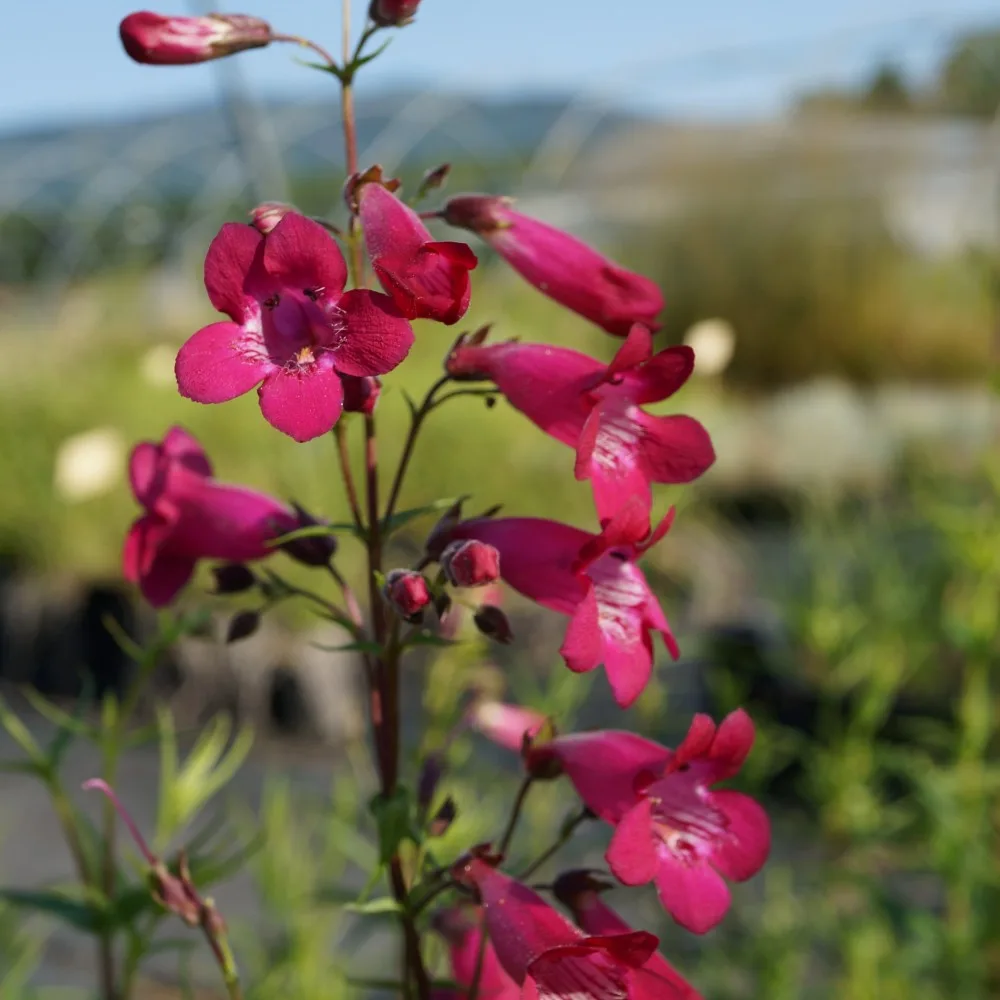
Southgate Gem' is a herbaceous perennial 70-75cm high with semi-evergreen leaves and deep pink-red flowers with burgundy and white throats from midsummer to midautumn
Scientific classification
- Species
- penstemon 'Southgate Gem' (Penstemon 'Southgate Gem')
- Genus
- Penstemon
- Family
- Plantaginaceae
- Information to be completed
- Toxicity
- Herbaceous Perennial
- Plant type
- 0.5-1 metres
- Height
- 0.1-0.5 metres
- Spread
- Semi evergreen
- Foliage
- Clump forming
- Habit
- Spring · Summer · Autumn · Winter
- Season of interest
- Full sun
- Sunlight
- Information to be completed
- Ideal temperature









penstemon 'Southgate Gem' pictures
Distribution of penstemon 'Southgate Gem'
Distribution map
Information to be completed
Information to be completed
Culture
Information to be completed
Toxicity
Information to be completed
Quick identification of penstemon 'Southgate Gem'
Information to be completed
penstemon 'Southgate Gem' care guide
- Moderate regular watering, allowing brief slight drying between soakings
- Watering
- Full sun
- Sunlight
- Information to be completed
- Ideal temperature

Watering
Moderate regular watering, allowing brief slight drying between soakings
Fertilizing
 Fertilizing
Balanced perennial feed every four weeks from spring through summer
Pruning
 Pruning
Deadhead to encourage a longer flowering season; in autumn, cut plants down to about a third of their height to prevent windrock but leave some protection from frosts; in late spring or early summer after new growth appears and after frosts are over, cut out old stems
Propagation
 Propagation
Propagate by softwood cuttings in early summer or semi-ripe cuttings in midsummer, by division in spring, or by layering
Growing
 Growing
Grow in fertile, moist but well-drained soil in full sun in a position sheltered from frosts and drying winds; in autumn, cut plants down by two-thirds of their height and protect with a dry mulch; for more advice, see penstemon cultivation
People also ask
Information to be completed
Common pests and diseases
Diseases
May be susceptible to powdery mildews and grey moulds but generally disease-free
Pests
May be susceptible to slugs and snails and chrysanthemum eelworm
Explore the plant health library →




