
Cape tulip
Also known as: African tulip; April fool; blood flower; blood lily; red Cape flower; red Cape tulip
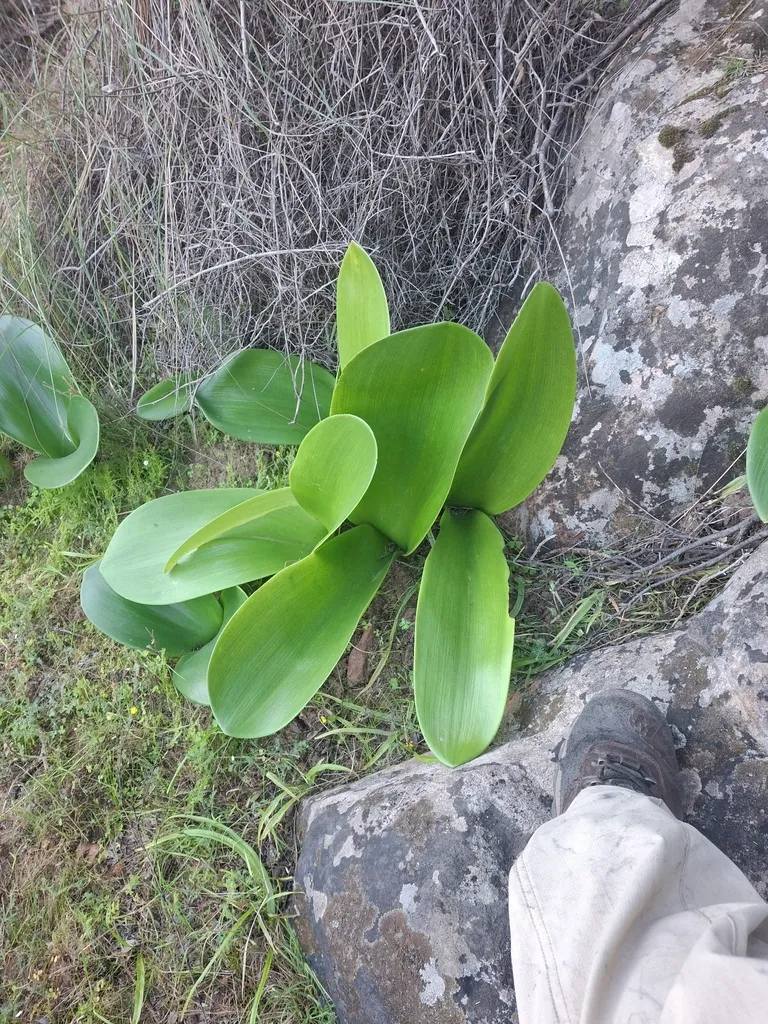
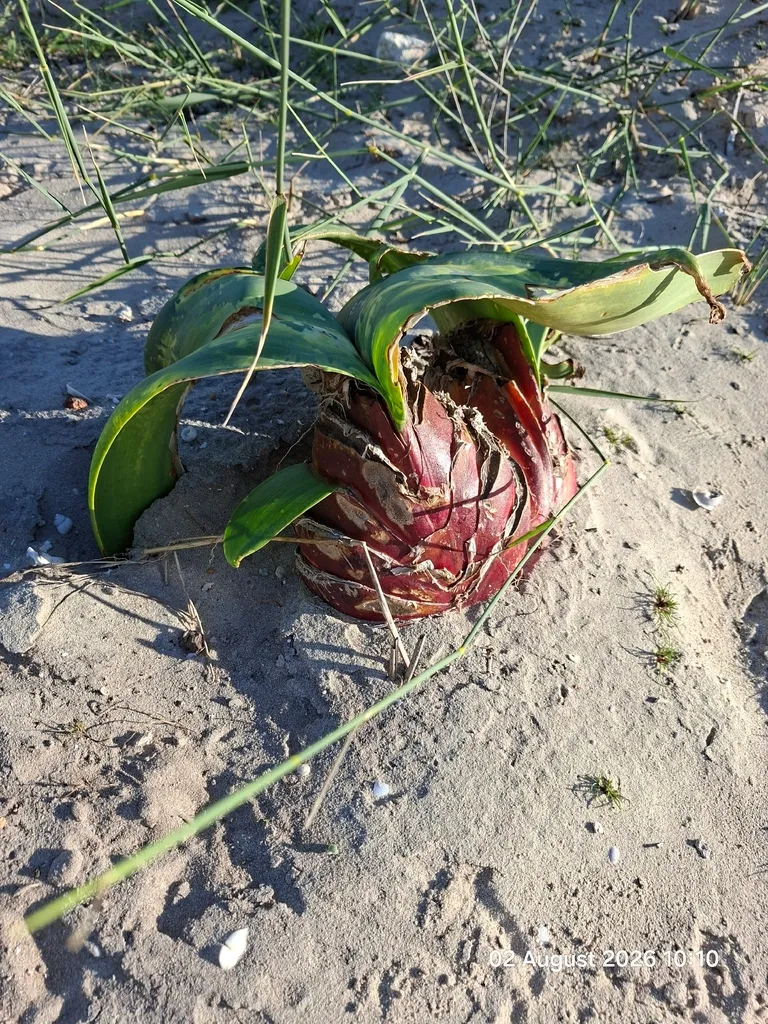
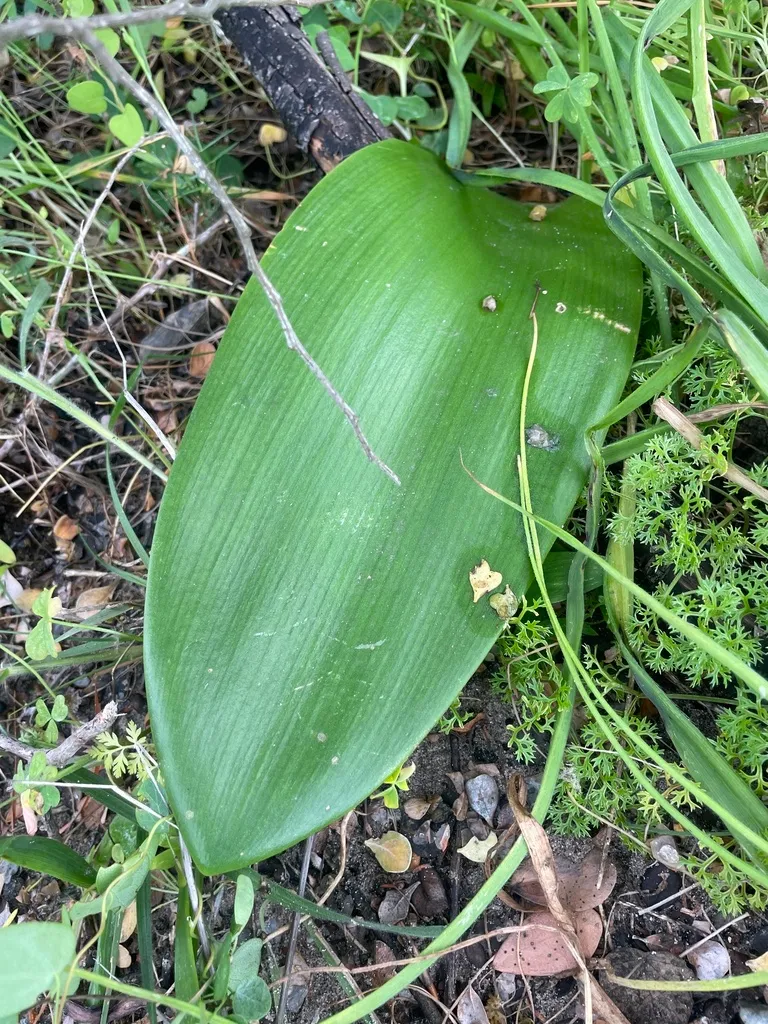
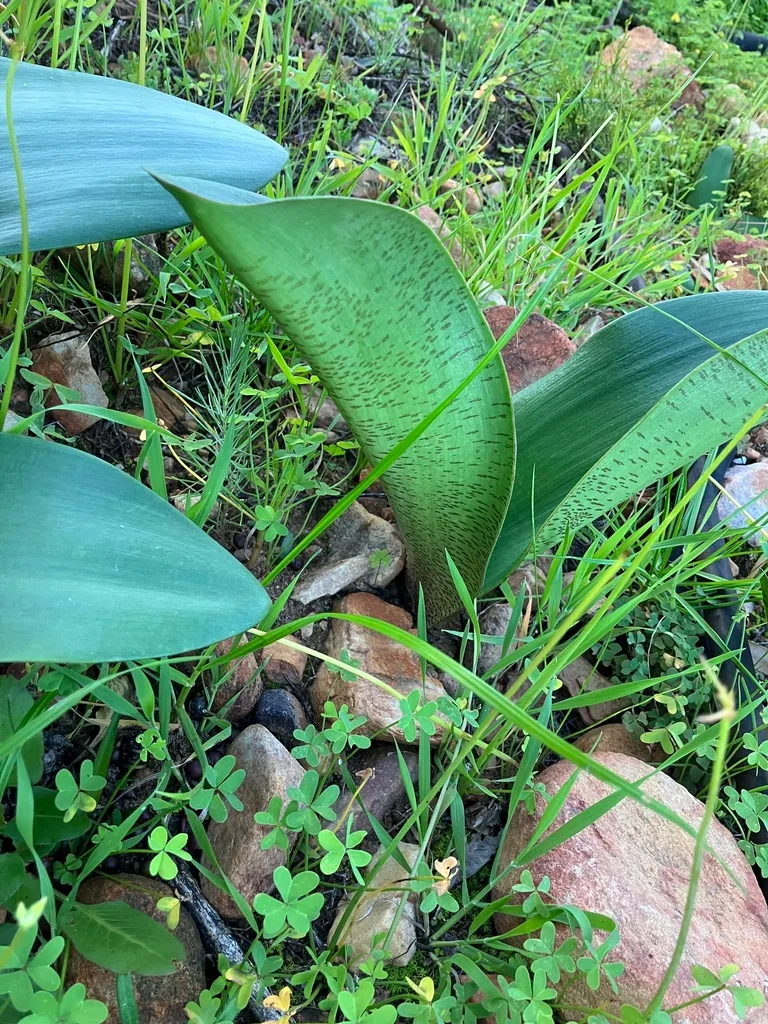
A perennial bulb to 35cm, with stout brownish stems each bearing an umbel of small red flowers, surrounded by showy scarlet bracts; fruits fleshy, white to red. Strap-shaped leaves appear after the flowers
Scientific classification
- Species
- Cape tulip (Haemanthus coccineus)
- Genus
- Haemanthus
- Family
- Amaryllidaceae
- Ornamental bulbs - not to be eaten. Wear gloves and other protective equipment when handling
- Toxicity
- Bulbs · Conservatory Greenhouse
- Plant type
- 0.1-0.5 metres
- Height
- 0.1-0.5 metres
- Spread
- Deciduous
- Foliage
- Tufted
- Habit
- Spring · Summer · Autumn
- Season of interest
- Full sun · Partial shade
- Sunlight
- Information to be completed
- Ideal temperature









Cape tulip pictures
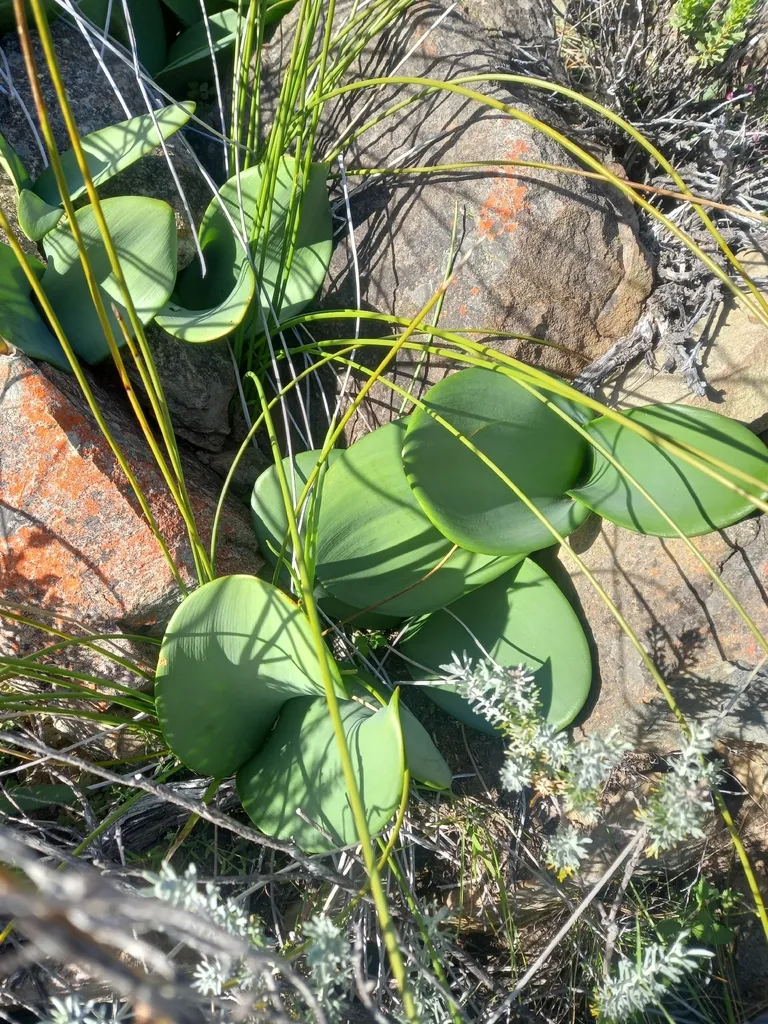
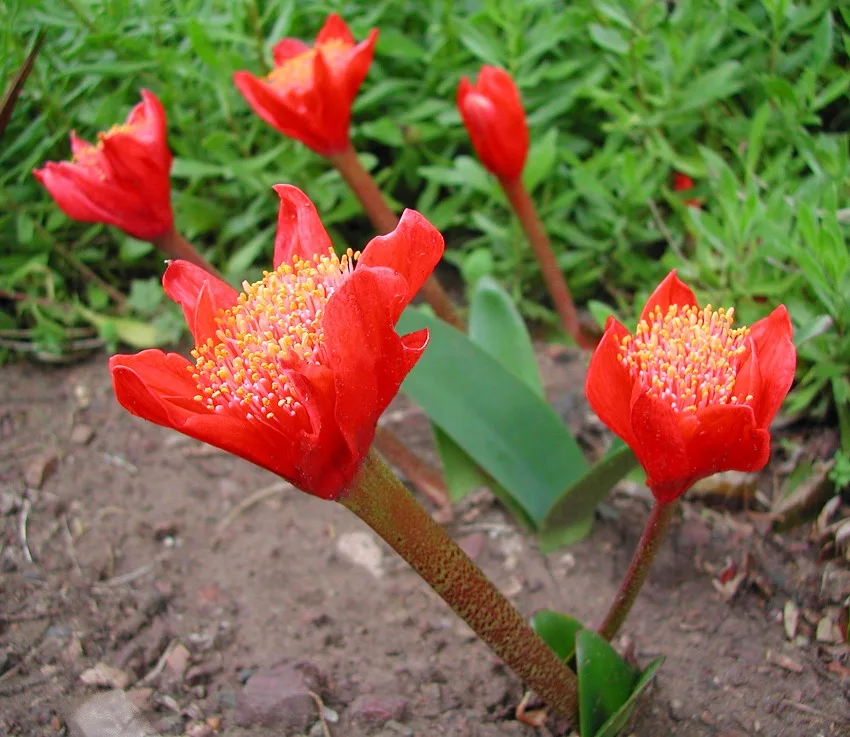
Distribution of Cape tulip
Distribution map
Southern Africa
Information to be completed
Culture
Information to be completed
Toxicity
Ornamental bulbs - not to be eaten. Wear gloves and other protective equipment when handling
Quick identification of Cape tulip
Information to be completed
Cape tulip care guide
- Moderate regular watering, avoid prolonged drought or waterlogging
- Watering
- Full sun · Partial shade
- Sunlight
- Information to be completed
- Ideal temperature

Watering
Moderate regular watering, avoid prolonged drought or waterlogging
Fertilizing
 Fertilizing
Balanced feed in spring and light repeat in growth season
Pruning
 Pruning
No pruning required
Propagation
 Propagation
Propagate by seed or remove offsets in early spring
Growing
 Growing
Plant bulbs with the necks just above the surface, when dormant, in moderately fertile soil. Under glass grow in loam-based potting compost with added leaf mould and grit in full light. Flowering will be prolonged if light levels are reduced when the buds open. Water freely when in growth and apply a dilute balanced liquid fertiliser monthly. Keep just moist when dormant and do not pot on regularly as flowering is best when congested
People also ask
Information to be completed
Common pests and diseases
Diseases
Generally disease-free
Pests
Generally pest-free
Explore the plant health library →




