
skirret
Also known as: crummock; jellico; sardia
A herbaceous perennial that was a popular root vegetable before potatoes where introduced into Britain. The white roots are harvested when the plant is dormant (autumn to early spring) and taste like a mixture of sweet carrots and parsnips. It can also also be used as an ornamental plant, with umbels of small white flowers in summer
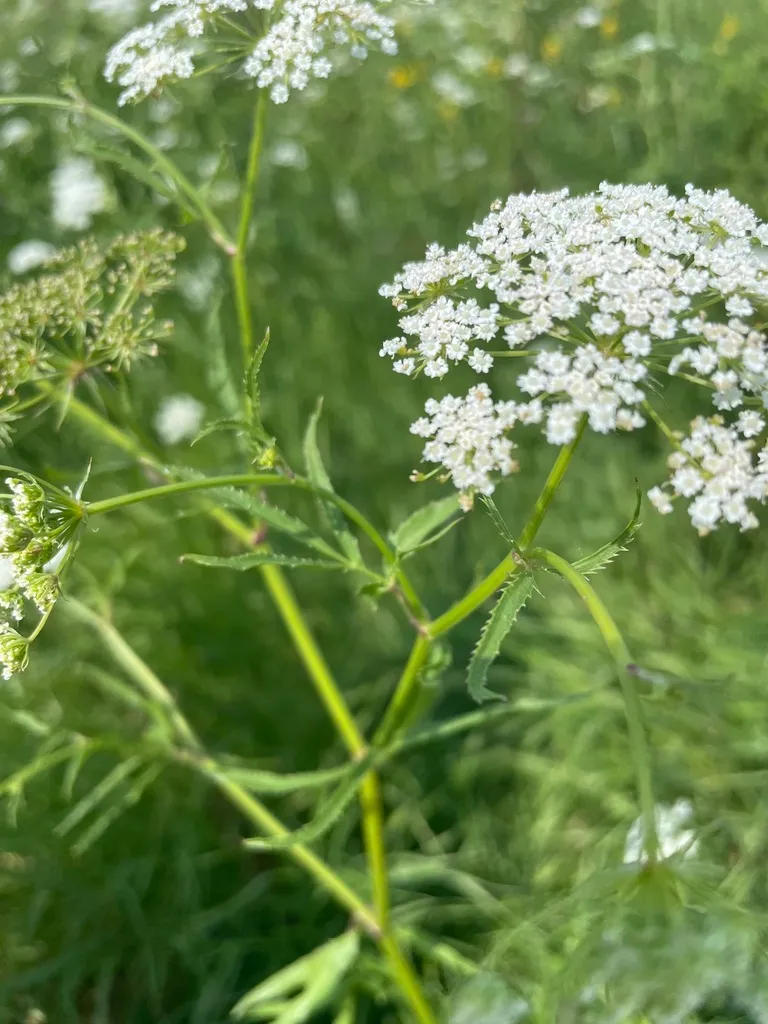
Scientific classification
- Species
- skirret (Sium sisarum)
- Genus
- Sium
- Family
- Apiaceae
- Information to be completed
- Toxicity
- Herbaceous Perennial
- Plant type
- 1-1.5 metres
- Height
- 0.1-0.5 metres
- Spread
- Deciduous
- Foliage
- Clump forming
- Habit
- Spring · Summer · Autumn
- Season of interest
- Full sun
- Sunlight
- Information to be completed
- Ideal temperature









skirret pictures
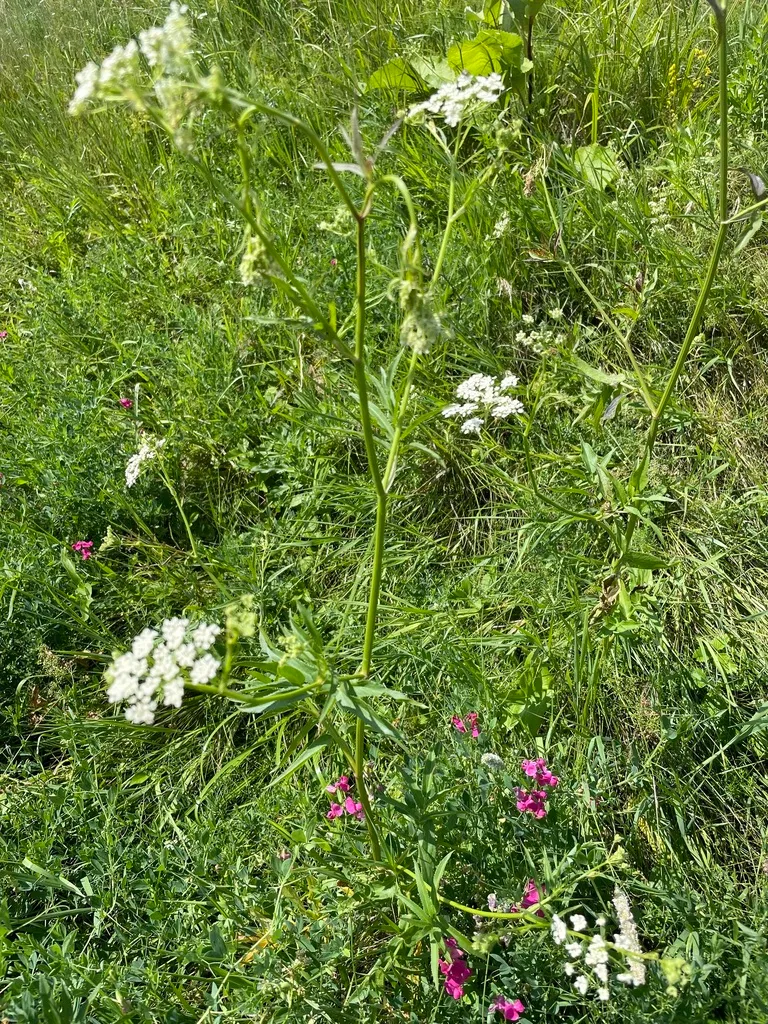
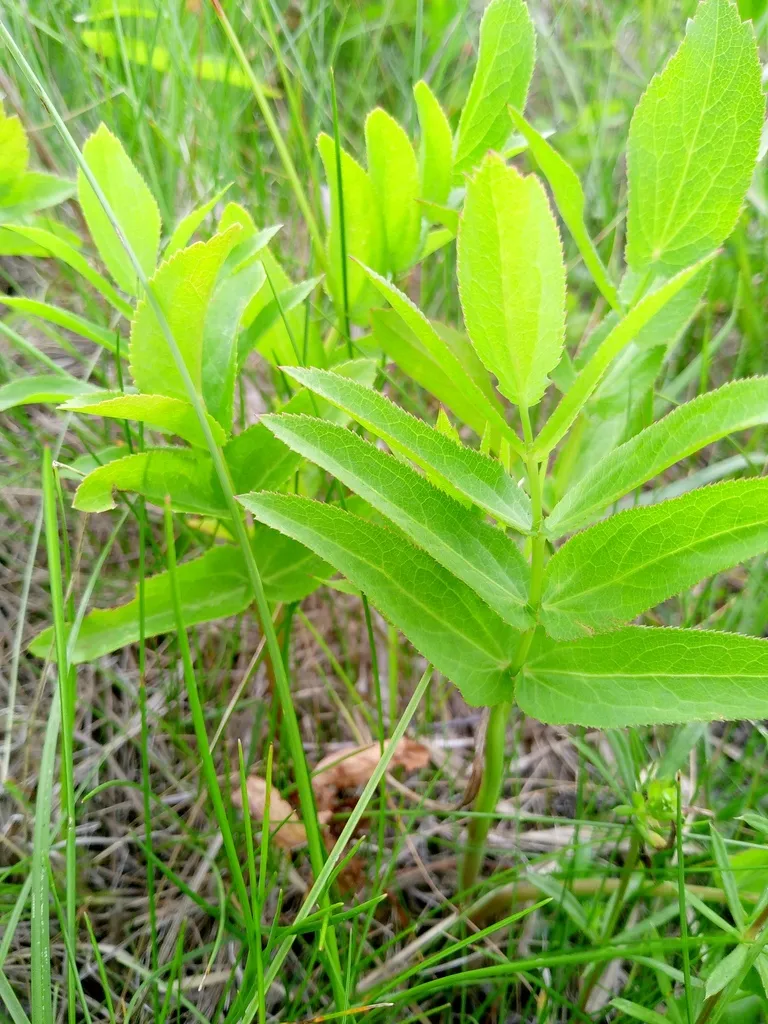
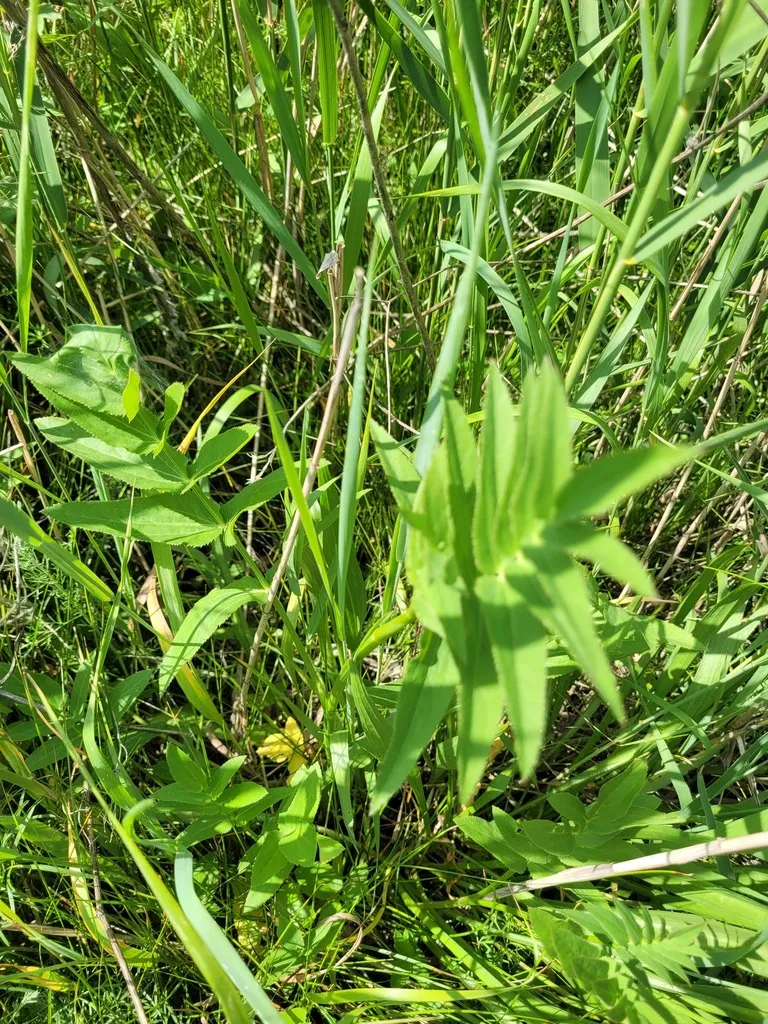
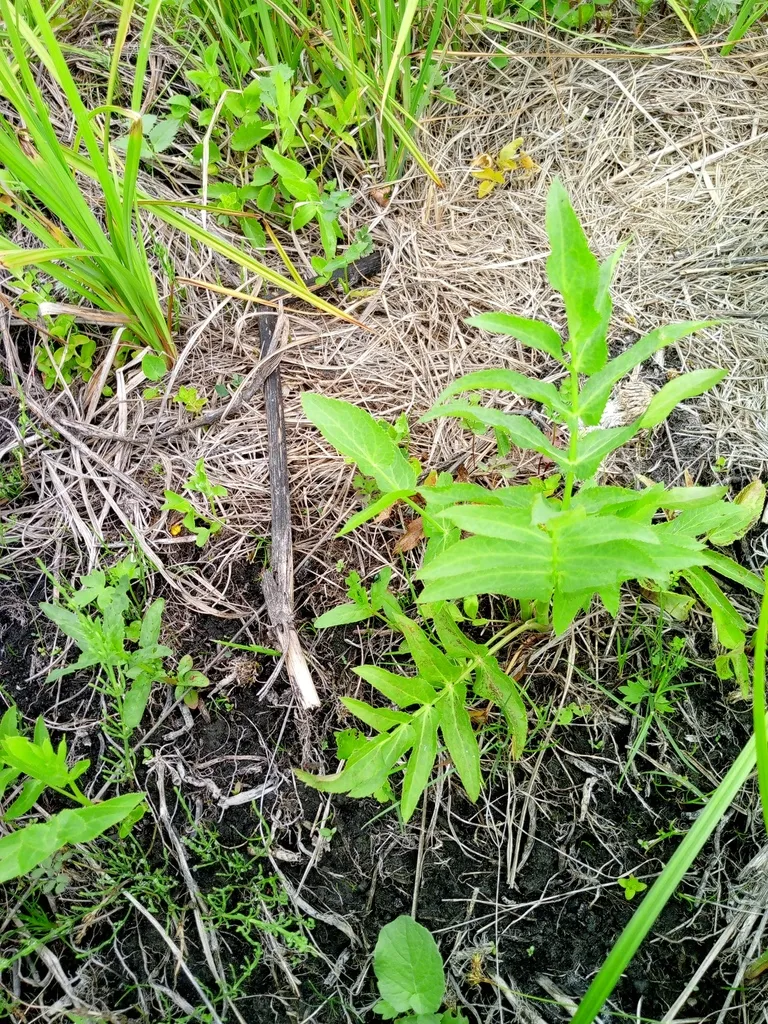
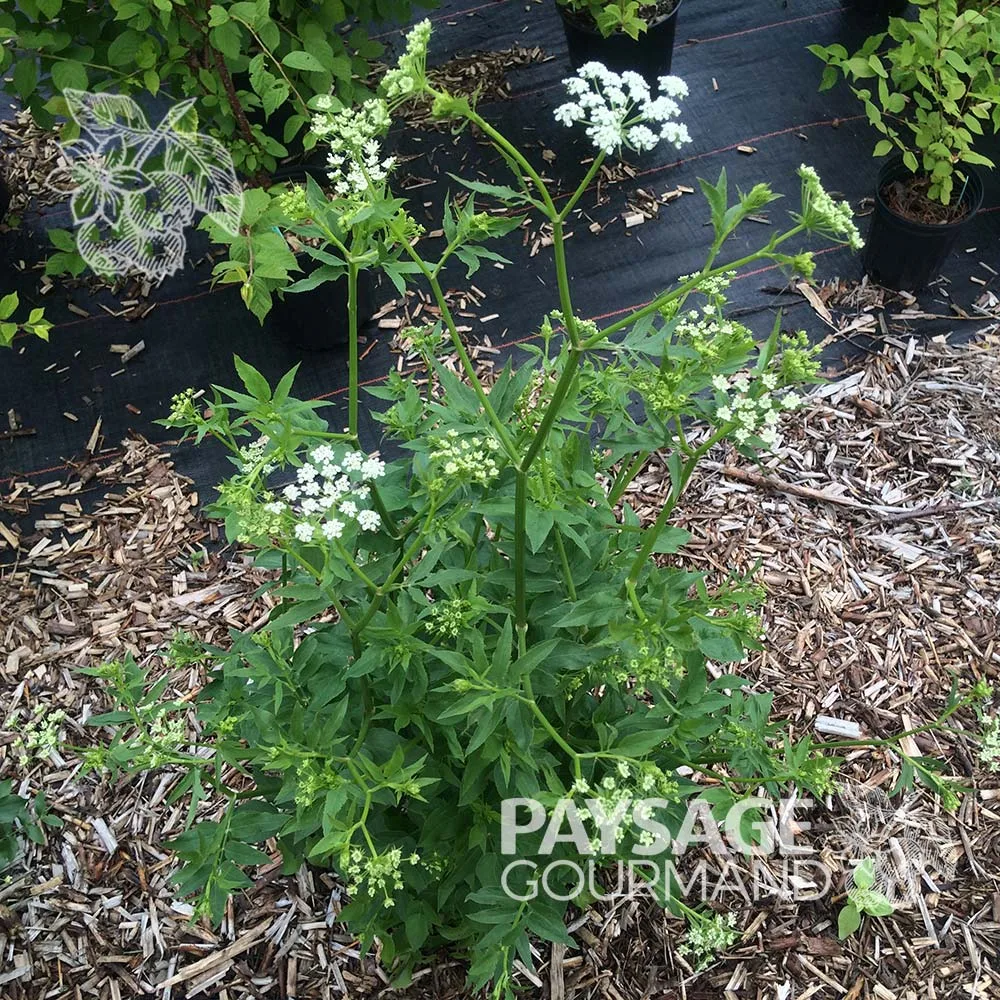
Distribution of skirret
Distribution map
- Native
- Introduced
- Cultivated
Source:WCVP v16 · Royal Botanic Gardens, Kew · CC BY 3.0 · Boundaries:WGSRPD / TDWG
Culture
Information to be completed
Toxicity
Information to be completed
Quick identification of skirret
Information to be completed
skirret care guide
- Maintain evenly moist soil, add extra water during hot summer weather
- Watering
- Full sun
- Sunlight
- Information to be completed
- Ideal temperature

Watering
Maintain evenly moist soil, add extra water during hot summer weather
Fertilizing
 Fertilizing
Balanced vegetable root feed every four weeks in growing months
Pruning
 Pruning
Cut back stems before lifting to harvest roots, or in early spring
Propagation
 Propagation
Propagate by seed. See sowing vegetable seeds
Growing
 Growing
Grow in moisture-retentive, deep, fertile soil in a sunny position. Water during dry spells if roots are to be harvested and eaten. Lift and divide clumps when dormant (between November and March), replanting some sections and keeping the rest to eat
People also ask
Information to be completed
Common pests and diseases
Diseases
Generally disease-free
Pests
May be susceptible to stem and bulb eelworm. Roots may be eaten by voles
Explore the plant health library →




