
Brazilian monkey-puzzle
Also known as: Brazilian pine tree; Paraná pine; candelabra tree
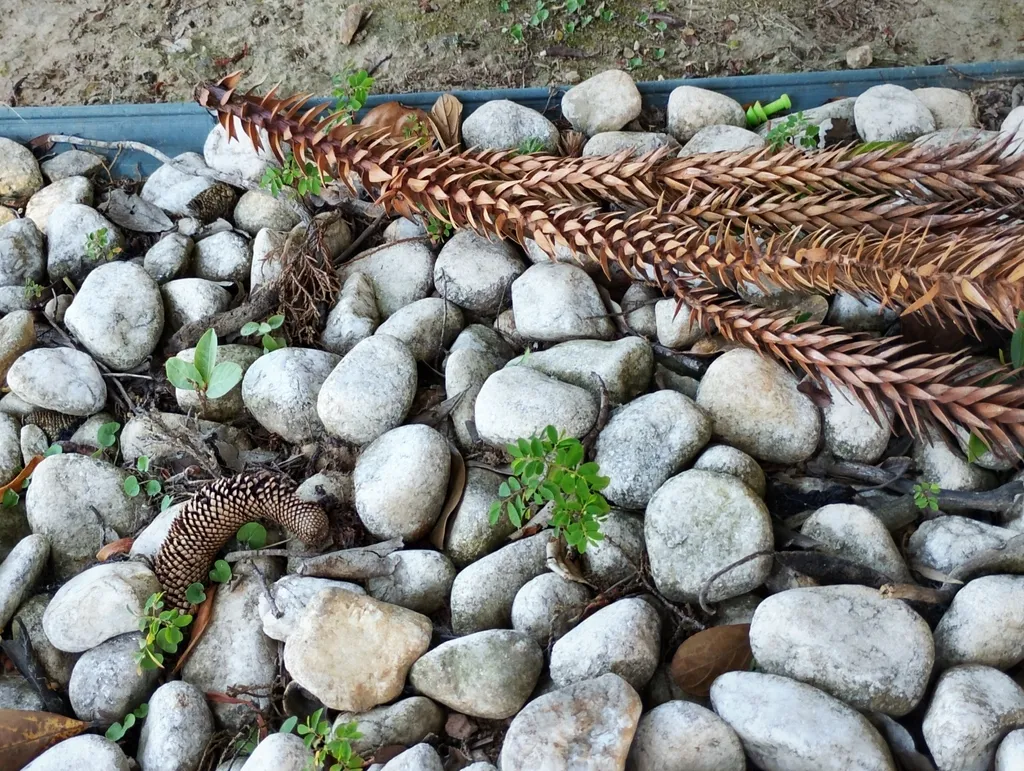
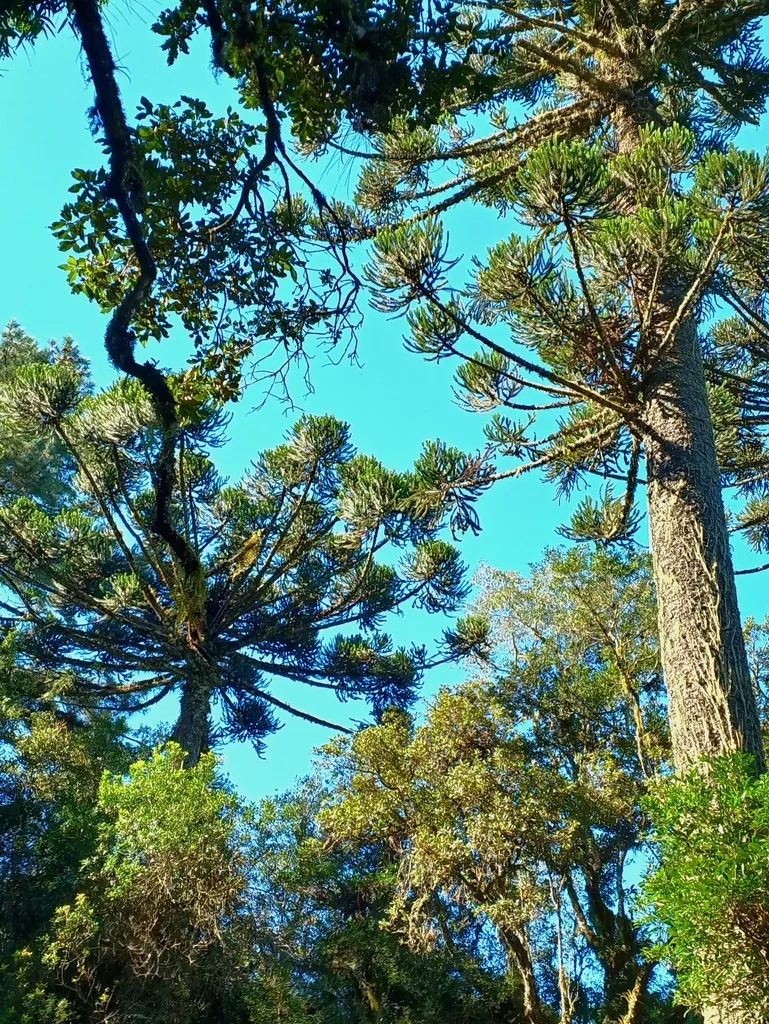
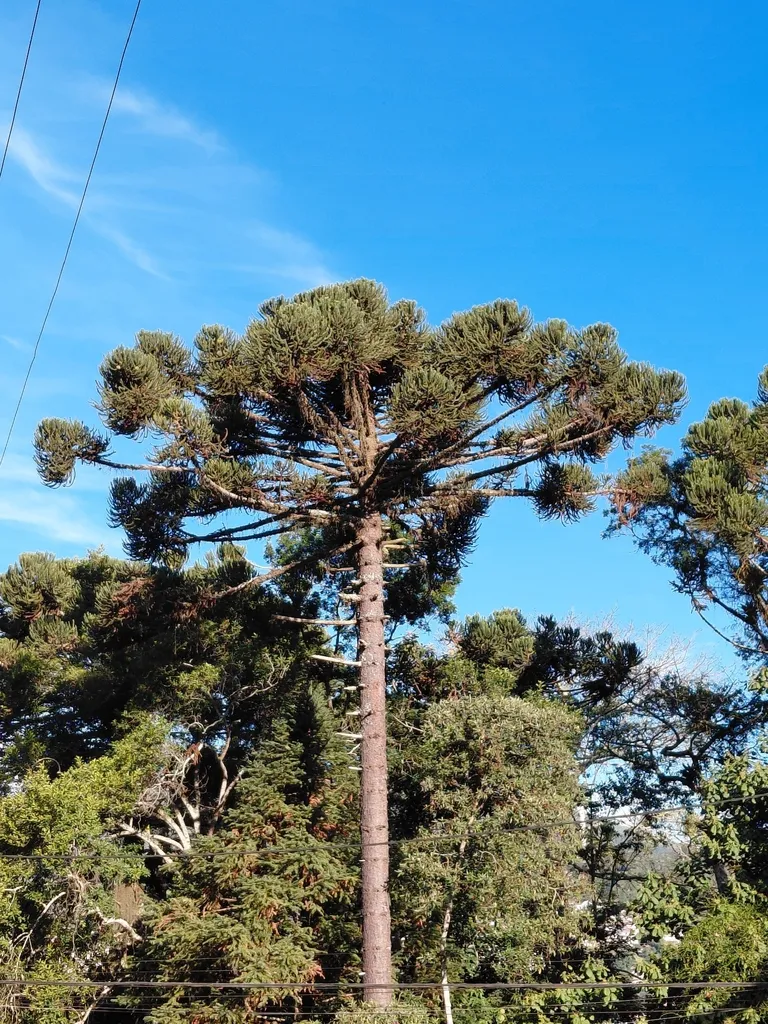
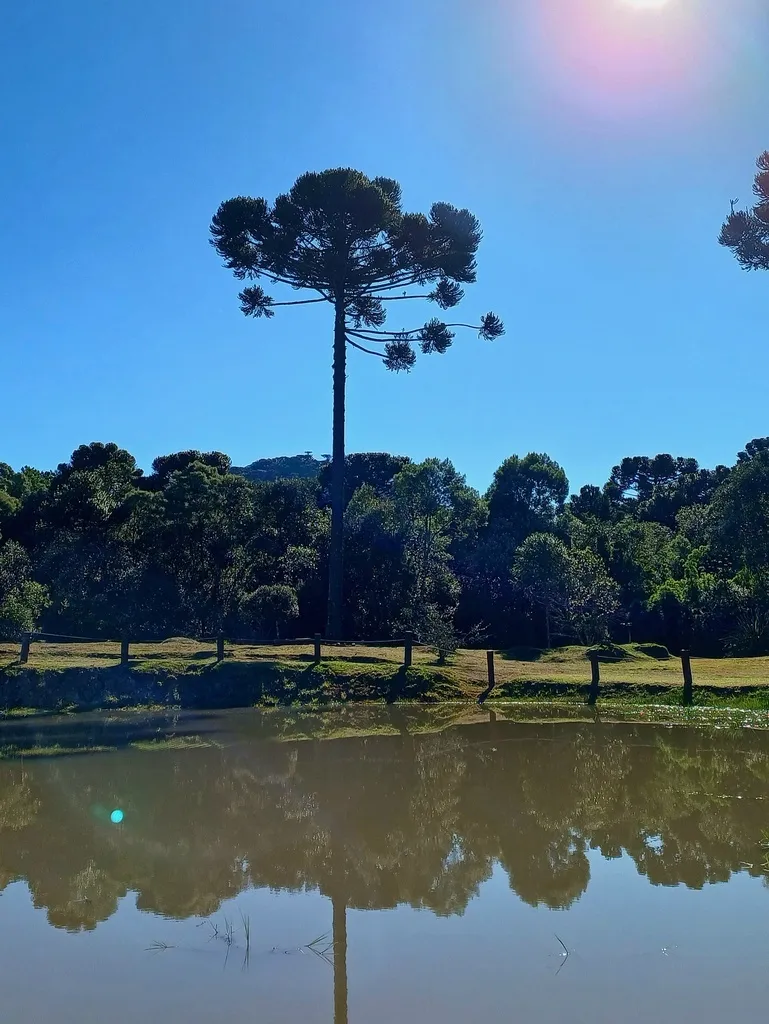
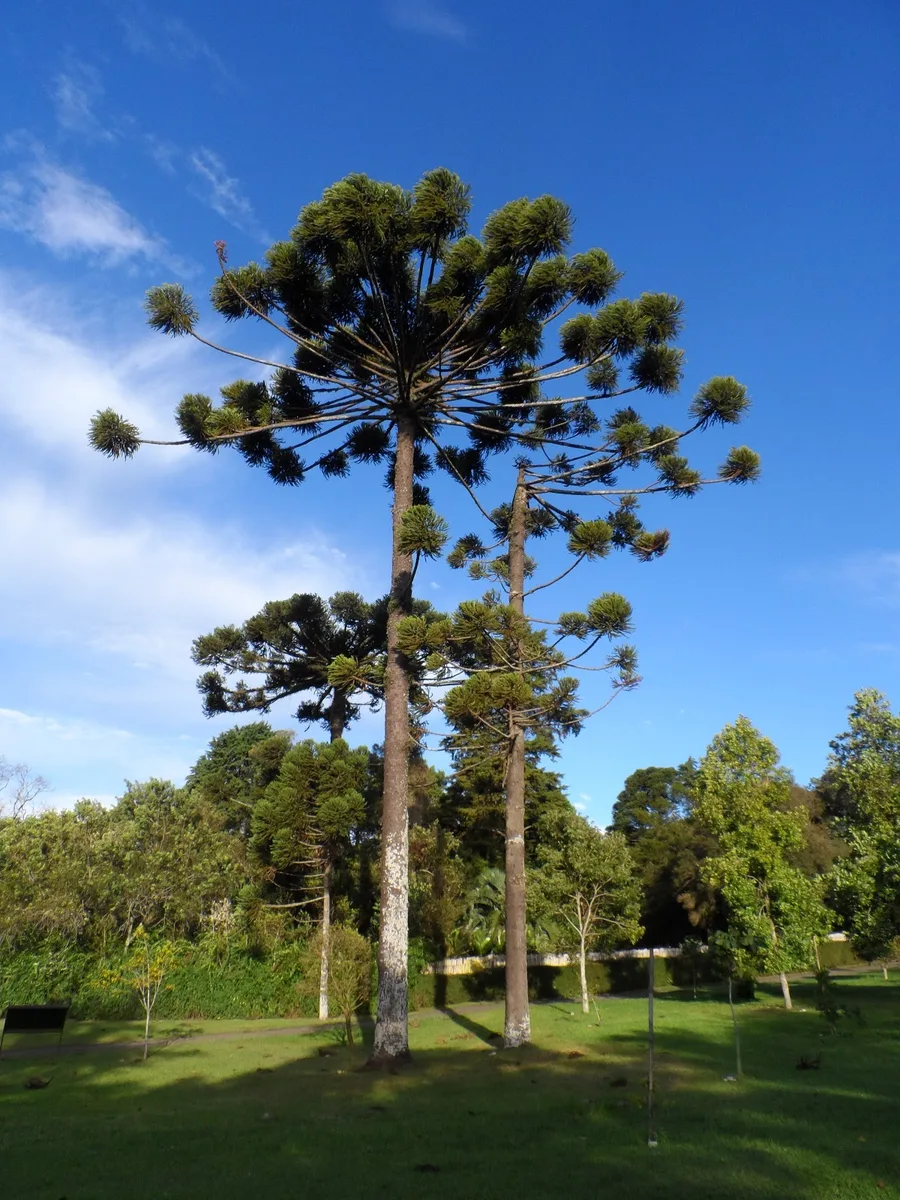
A large, evergreen tree with a narrow, pyramidal habit when young, becoming more dome-shaped with age. Thick, triangular leaves, 3-6cm long with sharp edges and tips are arranged spirally on branchlets with those at the outer ends tending to be tufted. Male and female cones are usually borne on separate trees; the male cones are oblong and up to 18cm long whilst the female cones are globular in shape, 18-25cm in diameter, and remain maturing on the tree for up to three years after pollination
Scientific classification
- Species
- Brazilian monkey-puzzle (Araucaria angustifolia)
- Genus
- Araucaria
- Family
- Araucariaceae
- Order
- Araucariales
- Class
- Pinopsida
- Phylum
- Pinophyta
- Information to be completed
- Toxicity
- Conifers · Trees
- Plant type
- Higher than 12 metres
- Height
- wider than 8 metres
- Spread
- Evergreen
- Foliage
- Bushy
- Habit
- Spring · Summer · Autumn · Winter
- Season of interest
- Full sun · Partial shade
- Sunlight
- Information to be completed
- Ideal temperature









Brazilian monkey-puzzle pictures

Distribution of Brazilian monkey-puzzle
Distribution map
- Native
- Introduced
- Cultivated
Source:WCVP v16 · Royal Botanic Gardens, Kew · CC BY 3.0 · Boundaries:WGSRPD / TDWG
Brazilian monkey-puzzle care guide
- Moderate regular watering, avoid prolonged drought or waterlogging
- Watering
- Full sun · Partial shade
- Sunlight

Watering
Moderate regular watering, avoid prolonged drought or waterlogging
Fertilizing
 Fertilizing
Balanced feed in spring and light repeat in growth season
Pruning
 Pruning
Little pruning is needed. Remove diseased, damaged, crowded or crossing shoots and unwanted growth. Timing depends on the plant: generally late winter or early spring; plants prone to bleeding and deciduous magnolias need different timing, and deciduous azaleas and lilacs are pruned after flowering.
Propagation
 Propagation
Propagate by seed sown in seedbed as soon as ripe; take semi-ripe cuttings of vertical shoot tips in midsummer and root in a cold frame, cuttings of horizontal side branches will not form an upright tree
Growing
 Growing
Grow in moderately fertile, moist but well drained soil; prefers a slightly acidic soil
Common pests and diseases
Diseases
May be susceptible to honey fungus
Pests
Generally pest-free
Explore the plant health library →




