
American flytrap
Also known as: American ipecac; black Indian hemp; buckbrush; common dogbane; honeybloom; spreading dogbane; wandering milkweed; western wallflower; wild ipecac; American ipecacuanha; bitter root; catchfly; milkweed; rheumatism root
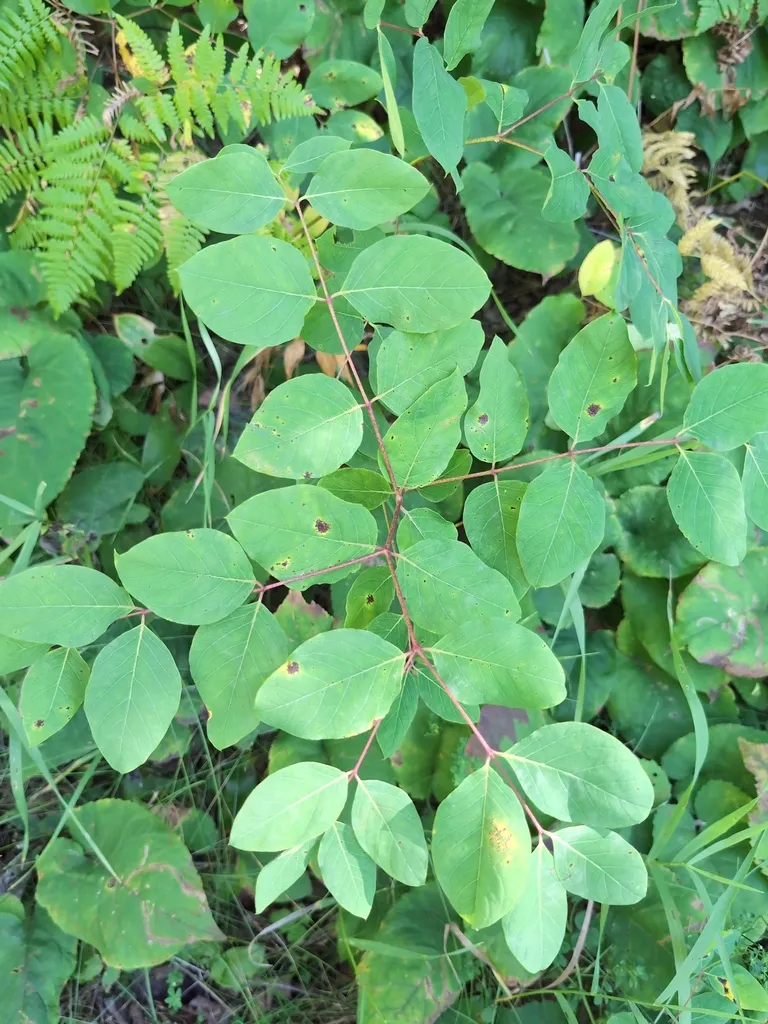
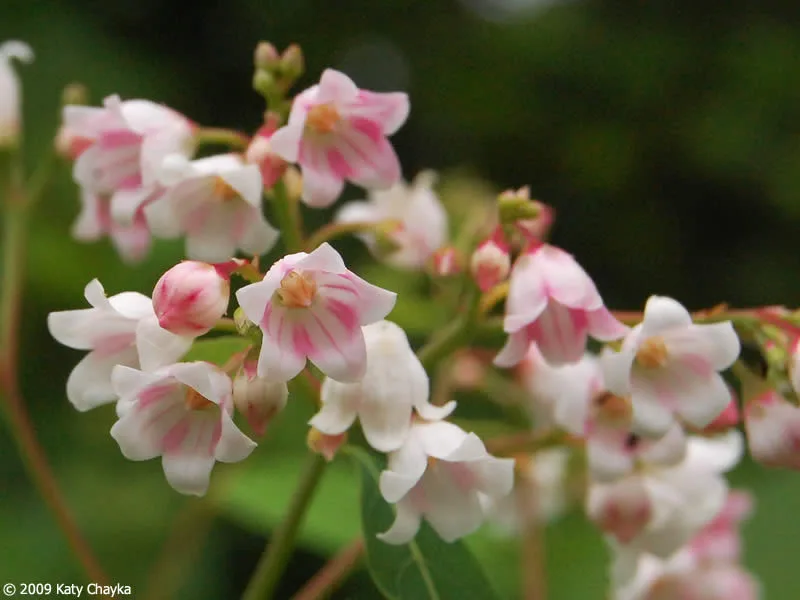
Bushy, branching perennial about 75cm tall, the spreading dogbane, native to North American wild areas. Opposite, oval, mid-green leaves and small clusters of fragrant, small, pink, bell-shaped flowers striped inside with darker pink, borne near the branch tips during summer are followed by seed pods containing silky-haired seeds
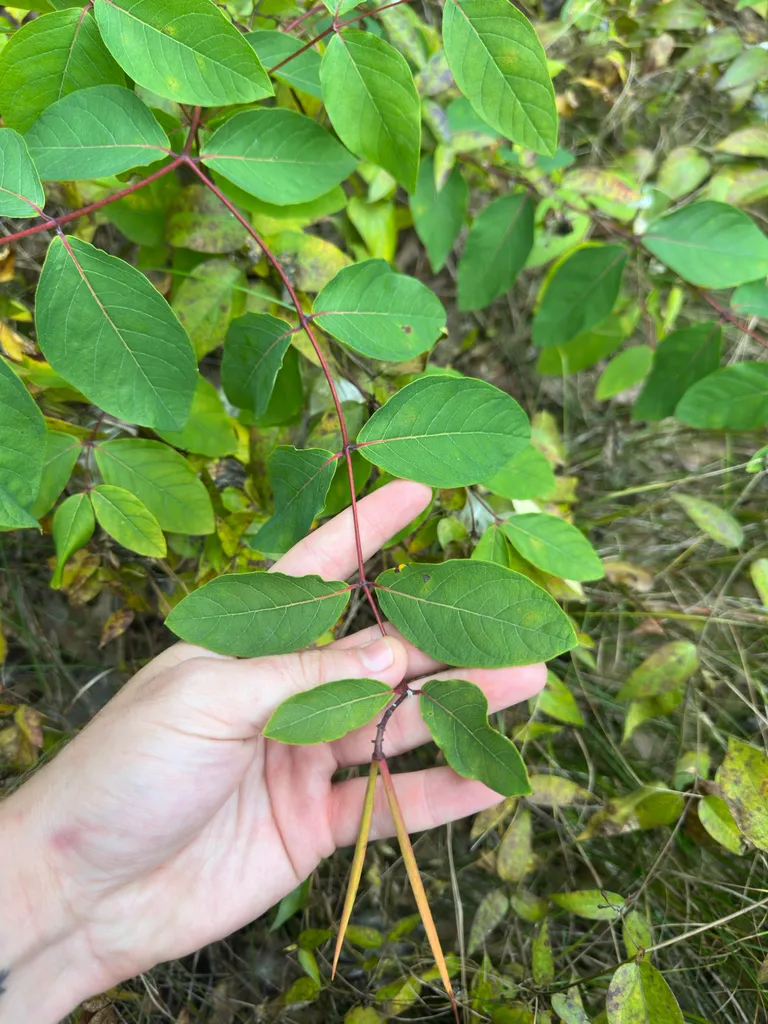
Scientific classification
- Species
- American flytrap (Apocynum androsaemifolium)
- Genus
- Apocynum
- Family
- Apocynaceae
- Order
- Gentianales
- Class
- Magnoliopsida
- Phylum
- Magnoliophyta
- All parts of the plant are highly toxic if eaten and toxins may be absorbed through skin contact with the milky sap, wear gloves and other protective equipment when handling]
- Toxicity
- Herbaceous Perennial
- Plant type
- 0.5-1 metres
- Height
- 0.1-0.5 metres
- Spread
- Deciduous
- Foliage
- Bushy
- Habit
- Spring · Summer · Autumn
- Season of interest
- Full sun · Partial shade
- Sunlight
- Information to be completed
- Ideal temperature









American flytrap pictures
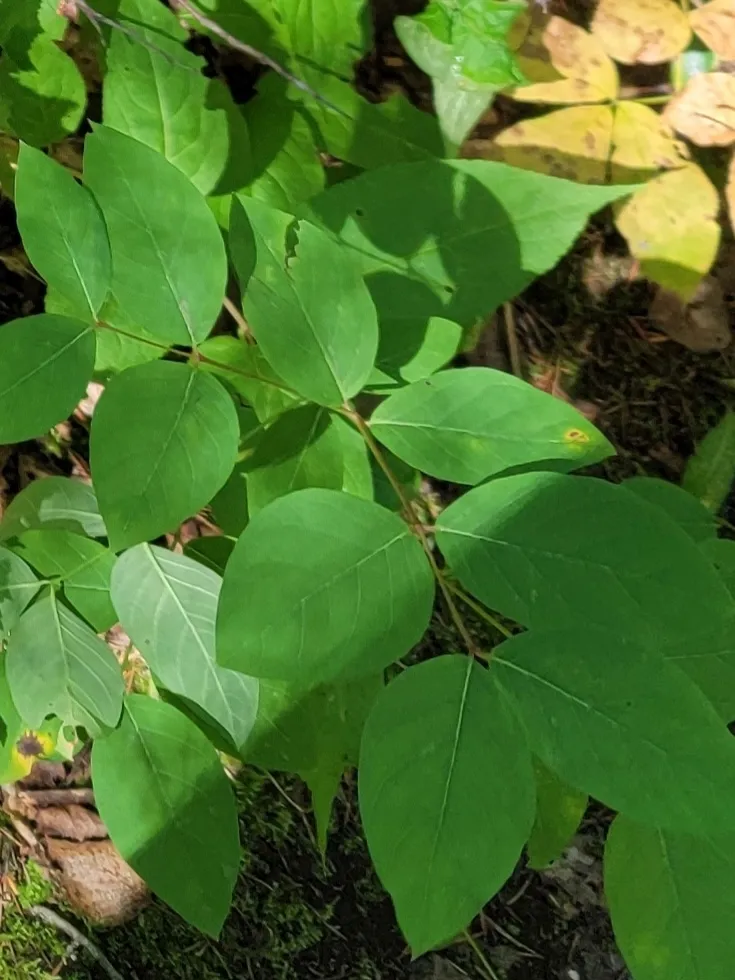
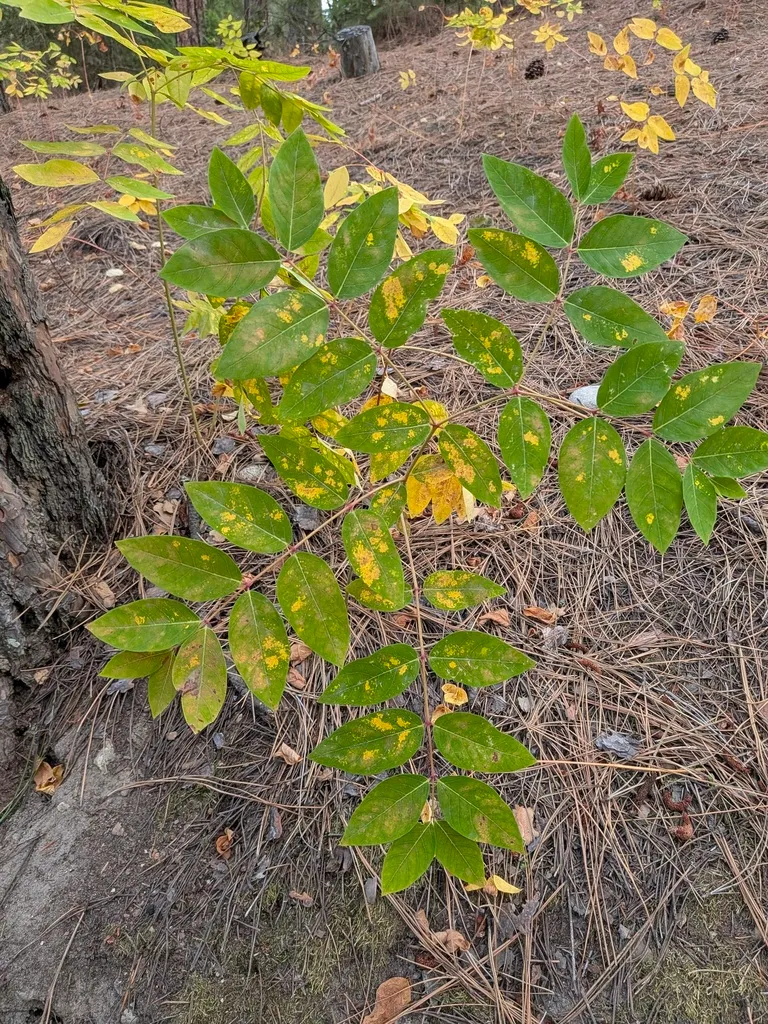
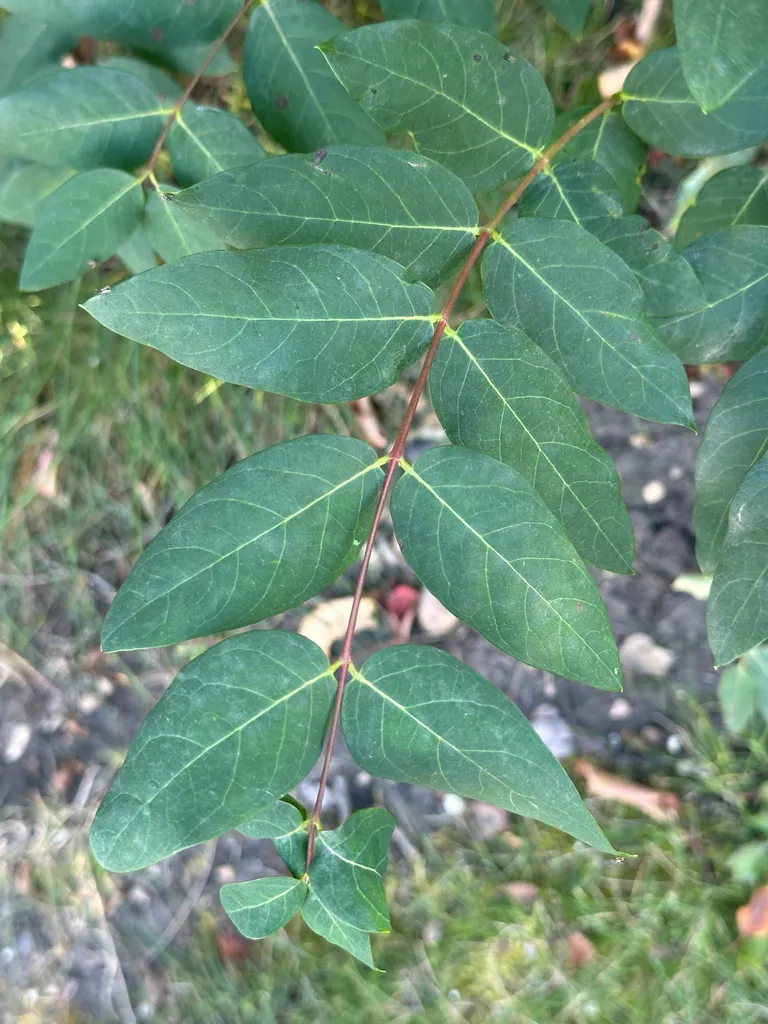
Distribution of American flytrap
Distribution map
- Native
- Introduced
- Cultivated
Source:WCVP v16 · Royal Botanic Gardens, Kew · CC BY 3.0 · Boundaries:WGSRPD / TDWG
Toxicity
All parts of the plant are highly toxic if eaten and toxins may be absorbed through skin contact with the milky sap, wear gloves and other protective equipment when handling]
American flytrap care guide
- Moderate regular watering, allowing brief slight drying between soakings
- Watering
- Full sun · Partial shade
- Sunlight

Watering
Moderate regular watering, allowing brief slight drying between soakings
Fertilizing
 Fertilizing
Balanced perennial feed every four weeks from spring through summer
Pruning
 Pruning
No pruning required
Propagation
 Propagation
Propagate by seed
Growing
 Growing
Widely distributed through North America where it can be invasive in some instances, Grow in any well-drained soil in full sun or part shade
Common pests and diseases
Diseases
Generally disease-free
Pests
Generally pest-free
Explore the plant health library →




