
bitter pecan
Also known as: water hickory; swamp hickory
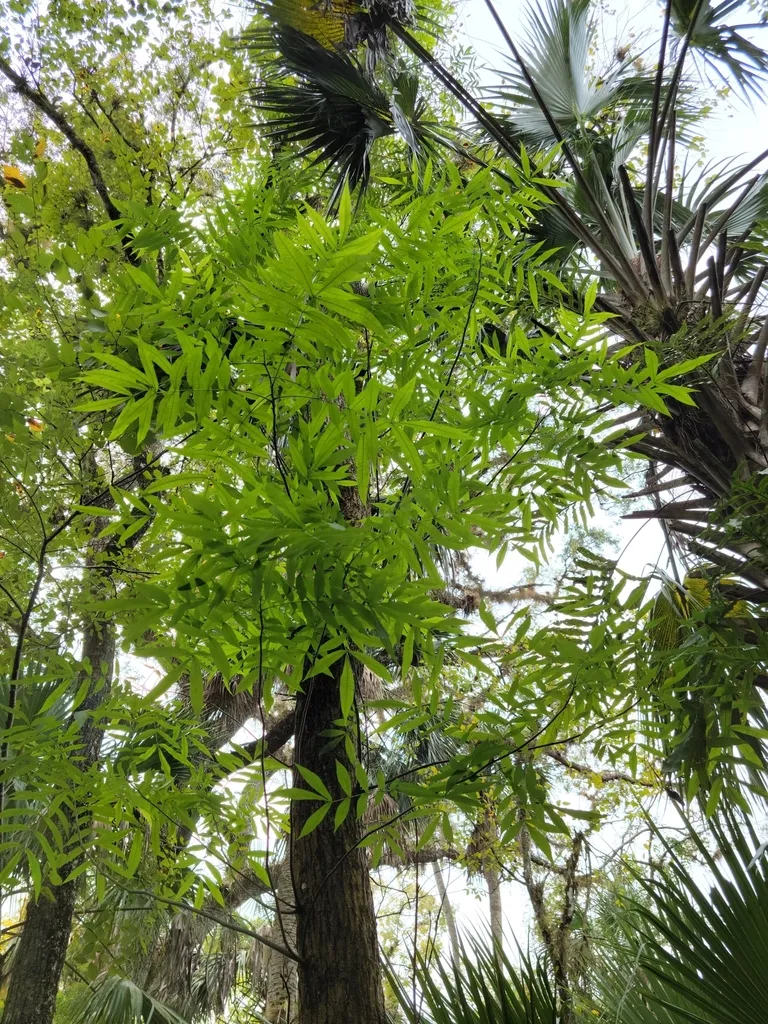
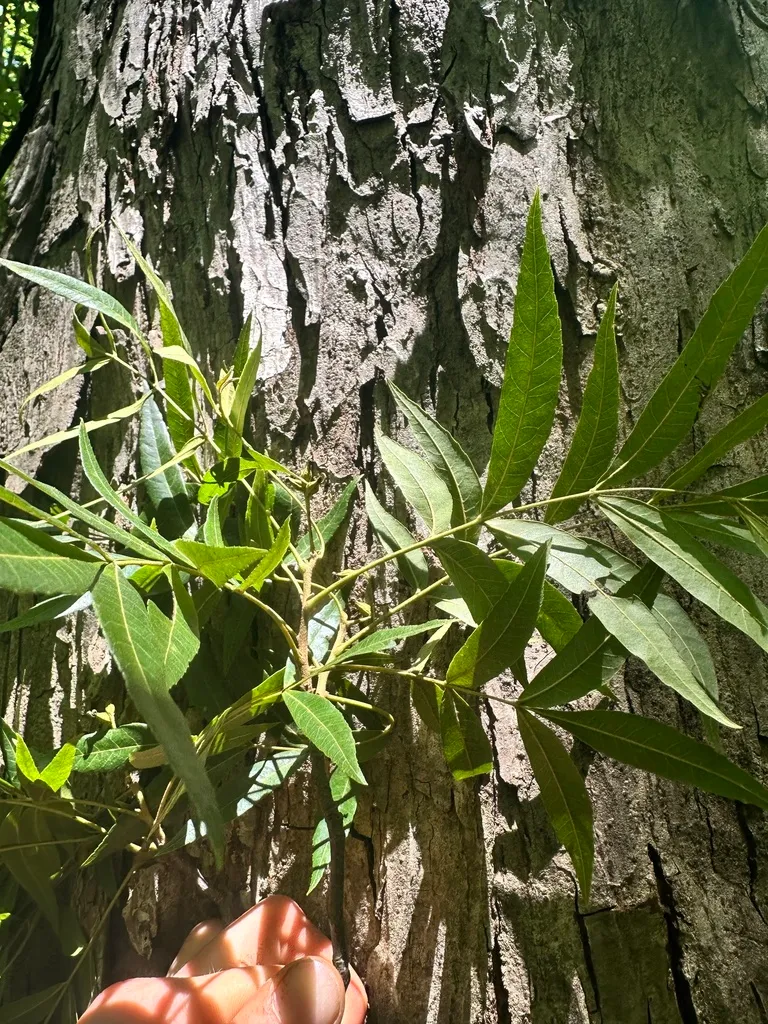
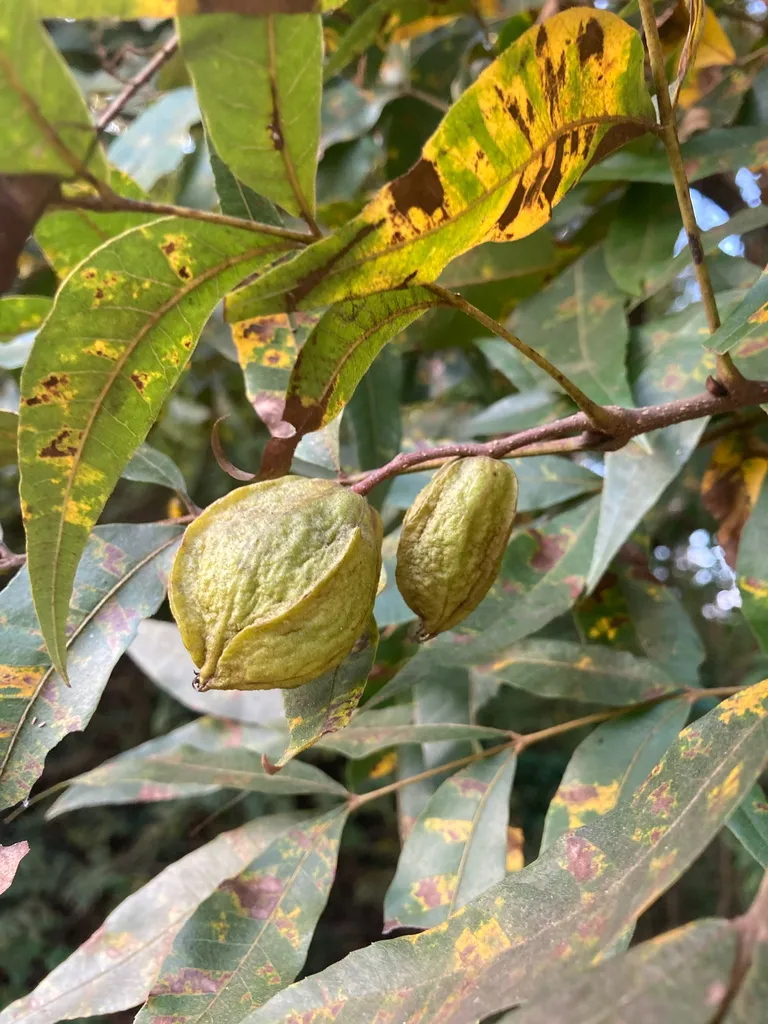
A slow growing, deciduous tree with mid-green, pinnate leaves (several leaflets on one leaf stalk) that enjoys moist or boggy soil conditions. When mature, they have grey-brown peeling bark and a widely spreading, well-branched canopy that casts heavy shade. Trees are slow to mature, taking around 20 years to produce clusters of yellow-green, ribbed, oval-shaped fruits containing a hard seed/nut. Fruiting occurs best in hot summers.
Scientific classification
- Species
- bitter pecan (Carya aquatica)
- Genus
- Carya
- Family
- Juglandaceae
- Information to be completed
- Toxicity
- Trees
- Plant type
- Higher than 12 metres
- Height
- 4-8 metres
- Spread
- Deciduous
- Foliage
- Information to be completed
- Habit
- Autumn · Spring · Summer
- Season of interest
- Full sun
- Sunlight
- Information to be completed
- Ideal temperature









bitter pecan pictures
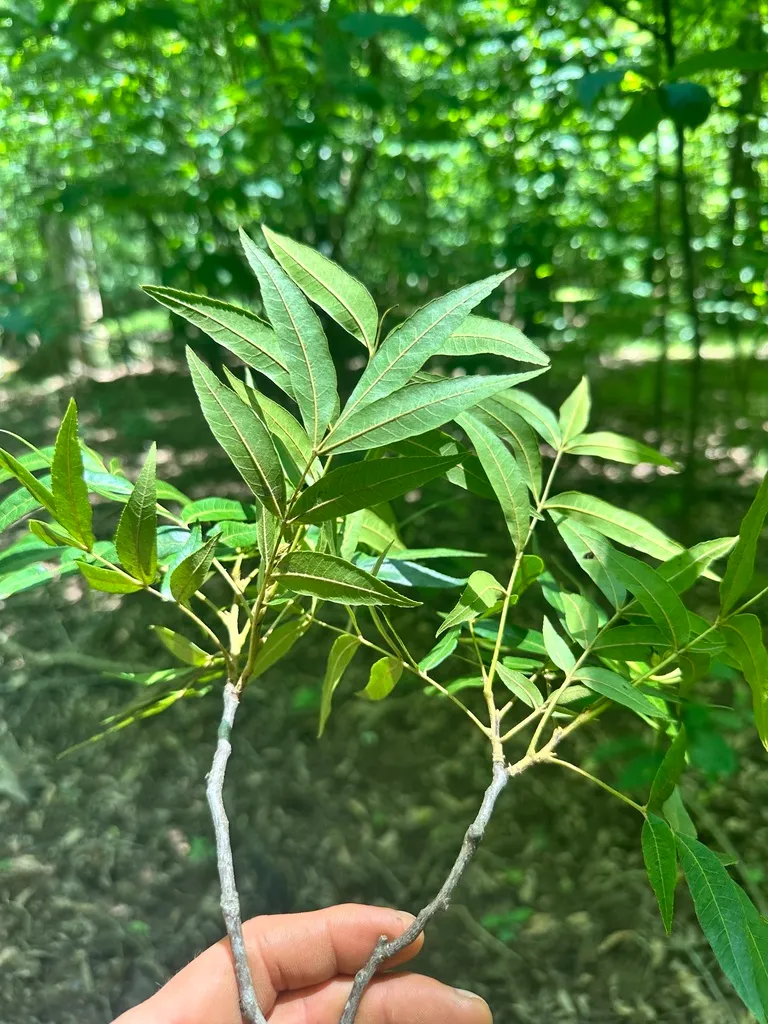
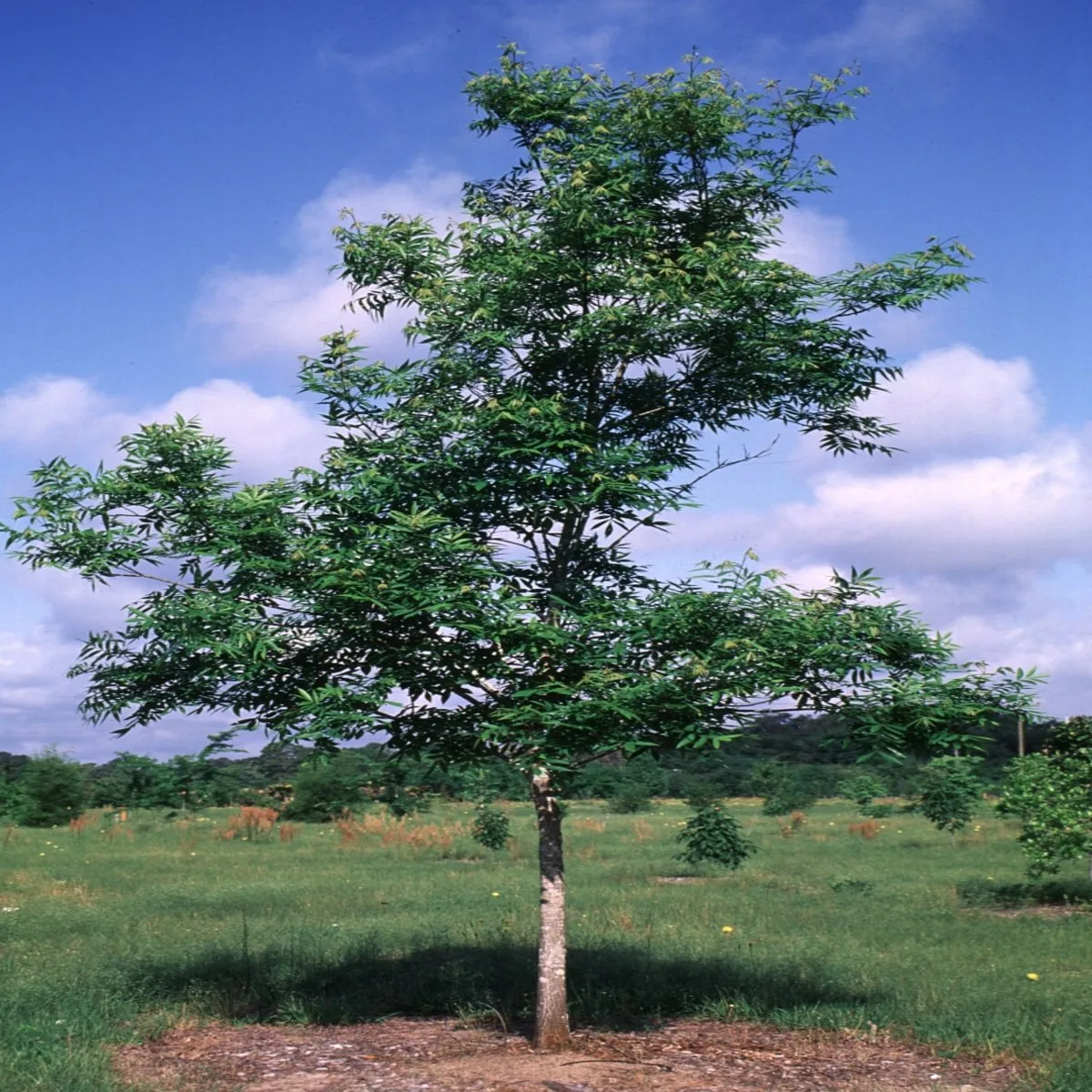
Distribution of bitter pecan
Distribution map
Southeastern US
Information to be completed
Culture
Information to be completed
Toxicity
Information to be completed
Quick identification of bitter pecan
Information to be completed
bitter pecan care guide
- Moderate regular watering, allowing brief slight drying between soakings
- Watering
- Full sun
- Sunlight
- Information to be completed
- Ideal temperature

Watering
Moderate regular watering, allowing brief slight drying between soakings
Fertilizing
 Fertilizing
Balanced perennial feed every four weeks from spring through summer
Pruning
 Pruning
Little pruning is needed. Remove diseased, damaged, crowded or crossing shoots and unwanted growth. Timing depends on the plant: generally late winter or early spring; plants prone to bleeding and deciduous magnolias need different timing, and deciduous azaleas and lilacs are pruned after flowering.
Propagation
 Propagation
Propagate by seed (tree/shrub); which requires a period of cold stratification. After germination, seedlings rapidly develop a deep tap root and resent disturbance so plant out in permanent position in the first year.
Growing
 Growing
Grow in full sun on any moisture retentive, or wet soil that does not dry out in summer.
People also ask
Information to be completed
Common pests and diseases
Diseases
May be susceptible to crown gall, Powdery mildews and leaf spot- see leaf damage on woody plants
Pests
Generally pest-free
Explore the plant health library →




