
Pinus densiflora 'Alice Verkade'
Also known as: Information to be completed
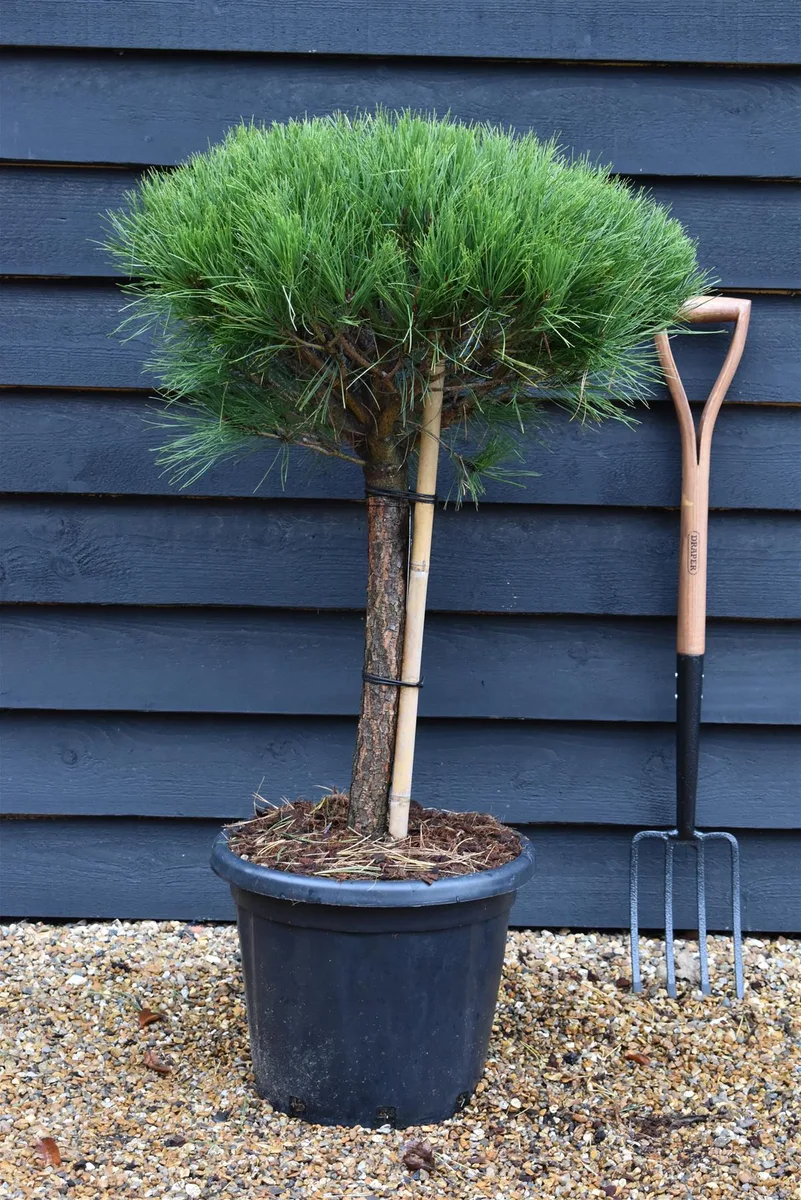
A dwarf, low growing form of the typical species, unlikely to reach more than 1.8m (6ft) high and 3m (10ft) wide when fully grown. The soft, long dark green needles are produced radially on branches that form a neat rounded dome, above a trunk on older specimens with attractive reddish-brown bark. Its size and features make the tree a favourite choice for an architectural statement in a smaller city garden. or a border where space is limited.
Scientific classification
- Species
- Pinus densiflora 'Alice Verkade' (Pinus densiflora 'Alice Verkade')
- Genus
- Pinus
- Family
- Pinaceae
- Order
- Pinales
- Class
- Pinopsida
- Phylum
- Pinophyta
- Information to be completed
- Toxicity
- Shrubs · Conifers
- Plant type
- 1.5-2.5 metres
- Height
- 2.5-4 metres
- Spread
- Evergreen
- Foliage
- Bushy
- Habit
- Spring · Summer · Autumn · Winter
- Season of interest
- Full sun
- Sunlight
- Information to be completed
- Ideal temperature









Pinus densiflora 'Alice Verkade' pictures
Distribution of Pinus densiflora 'Alice Verkade'
Distribution map
- Native
- Introduced
- Cultivated
Source:WCVP v16 · Royal Botanic Gardens, Kew · CC BY 3.0 · Boundaries:WGSRPD / TDWG
Pinus densiflora 'Alice Verkade' care guide
- Moderate steady moisture, avoid overwatering shallow root system
- Watering
- Full sun
- Sunlight

Watering
Moderate steady moisture, avoid overwatering shallow root system
Fertilizing
 Fertilizing
Pine conifer slow release fertilizer applied single dose early spring
Pruning
 Pruning
No pruning required
Propagation
 Propagation
Propagate by grafting
Growing
 Growing
Grow in well-drained, preferably neutral to acidic soil in full sun
Common pests and diseases
Diseases
May be susceptible to honey fungus and needle cast diseases
Pests
May be susceptible to adelgids, conifer aphid, sawfly larvae, and pine shoot moth
Explore the plant health library →




