
dense ginger lily
Also known as: Information to be completed
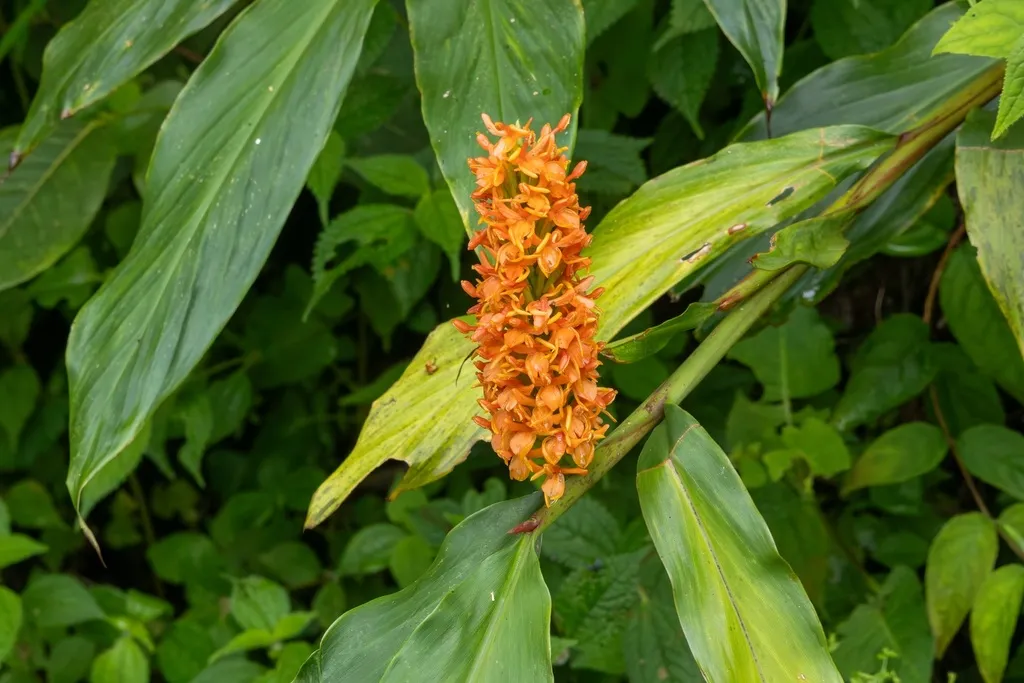
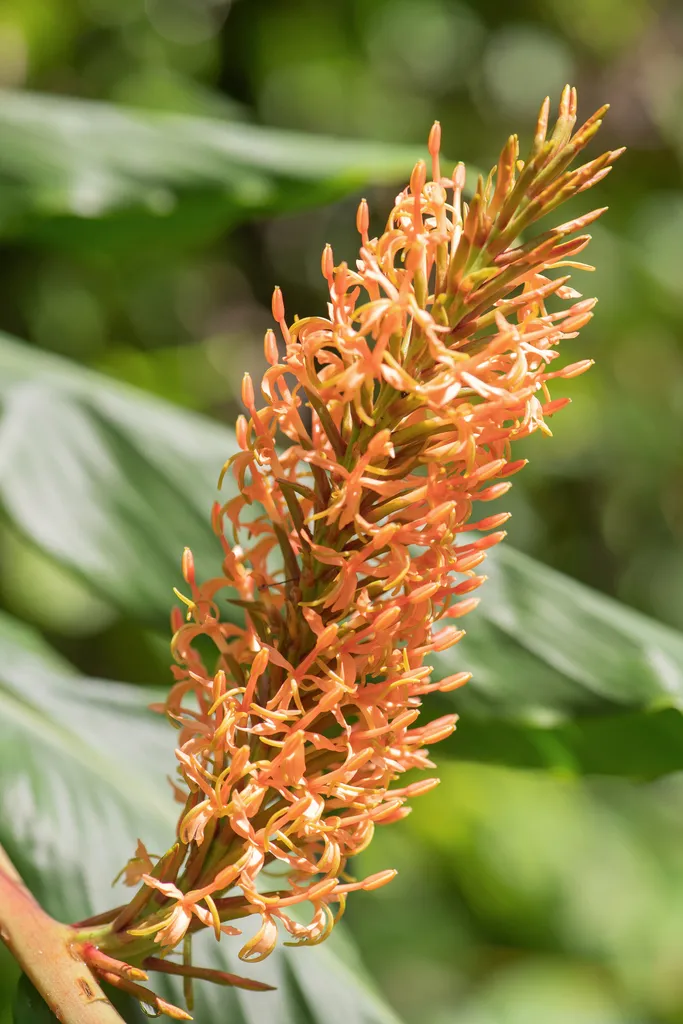
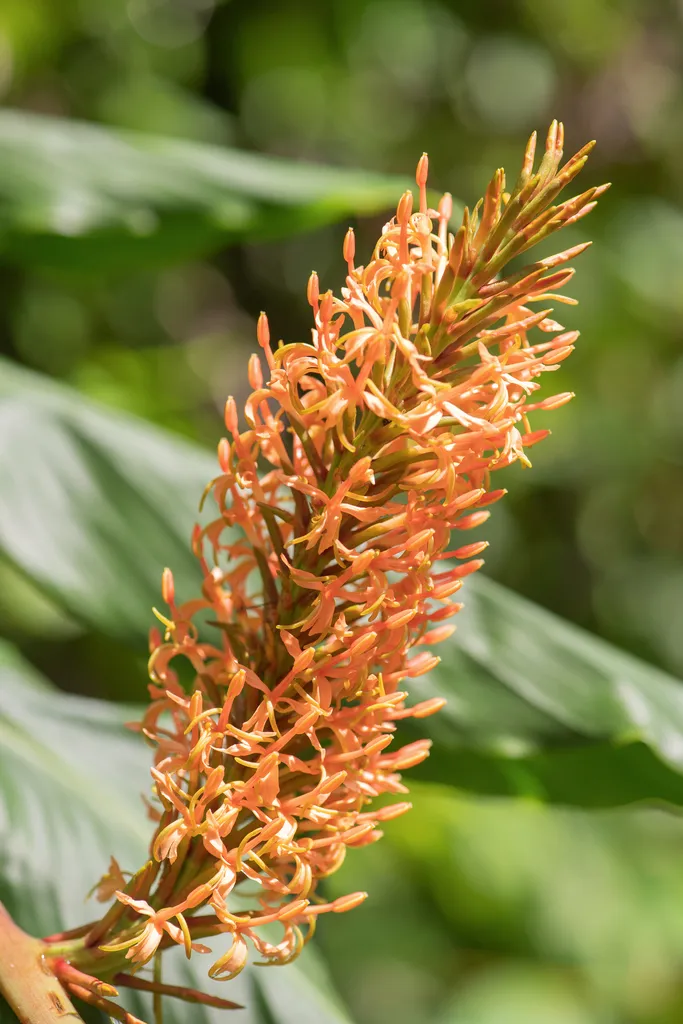
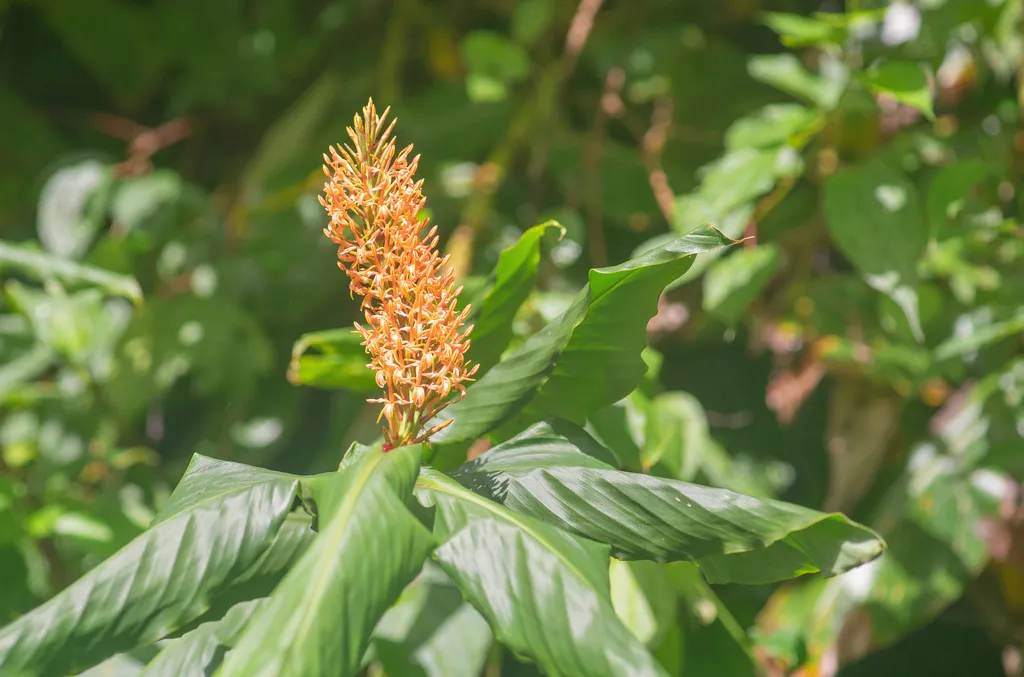
H. densiflorum is a clump-forming perennial with stems to 5m in height, and glossy, lance-shaped, mid-green leaves 30-40cm in length. In late summer produces fragrant orange or yellow flowers in dense, cylindrical spikes 20cm long
Scientific classification
- Species
- dense ginger lily (Hedychium densiflorum)
- Genus
- Hedychium
- Family
- Zingiberaceae
- Information to be completed
- Toxicity
- Herbaceous Perennial · Conservatory Greenhouse
- Plant type
- 4-8 metres
- Height
- 1.5-2.5 metres
- Spread
- Deciduous
- Foliage
- Suckering
- Habit
- Summer · Autumn
- Season of interest
- Full sun · Partial shade
- Sunlight
- Information to be completed
- Ideal temperature









dense ginger lily pictures
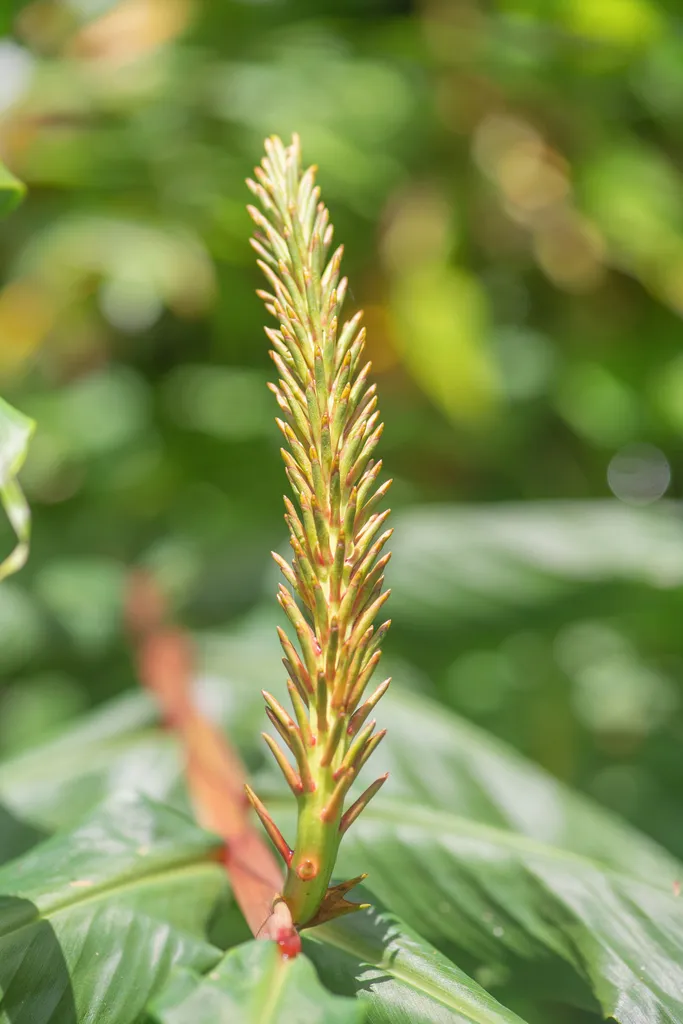
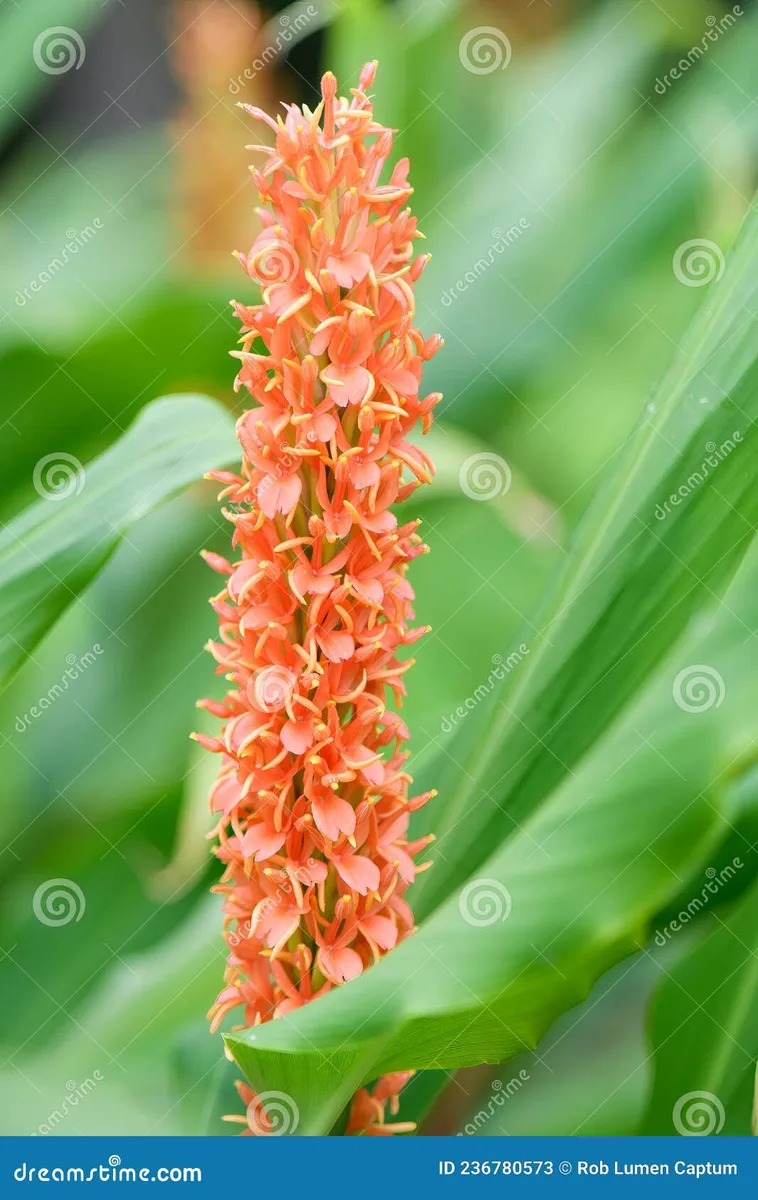
Distribution of dense ginger lily
Distribution map
Nepal, Eastern Himalaya
Information to be completed
Culture
Information to be completed
Toxicity
Information to be completed
Quick identification of dense ginger lily
Information to be completed
dense ginger lily care guide
- Moderate regular watering, allowing brief slight drying between soakings
- Watering
- Full sun · Partial shade
- Sunlight
- Information to be completed
- Ideal temperature

Watering
Moderate regular watering, allowing brief slight drying between soakings
Fertilizing
 Fertilizing
Balanced perennial feed every four weeks from spring through summer
Pruning
 Pruning
No pruning required other than cutting back the foliage and old flower spikes at the end of the season
Propagation
 Propagation
Propagate by seed at 21-24°C as soon as ripe. Divide rhizomes in spring
Growing
 Growing
Outdoors, grow in humus-rich, moist but well-drained soil in sun or partial shade. Shelter from cold winds and apply a deep mulch of garden compost or leafmould to protect the rhizomes in frost prone areas. Under glass use a loam-based compost such as John Innes No 3 and grow in bright, indirect light
People also ask
Information to be completed
Common pests and diseases
Diseases
Usually trouble free
Pests
Prone to glasshouse red spider mite and aphids under glass
Explore the plant health library →




