
sheep's sorrel
Also known as: Information to be completed
A fast-growing, spreading perennial with ovate green leaves, arrow-shaped at the base, on rosettes of basal leaf stalks and on stems. Leaves are edible, bitter tasting but should not be eaten in large quantity. Produces spikes of red to yellowish flowers to 40cm high
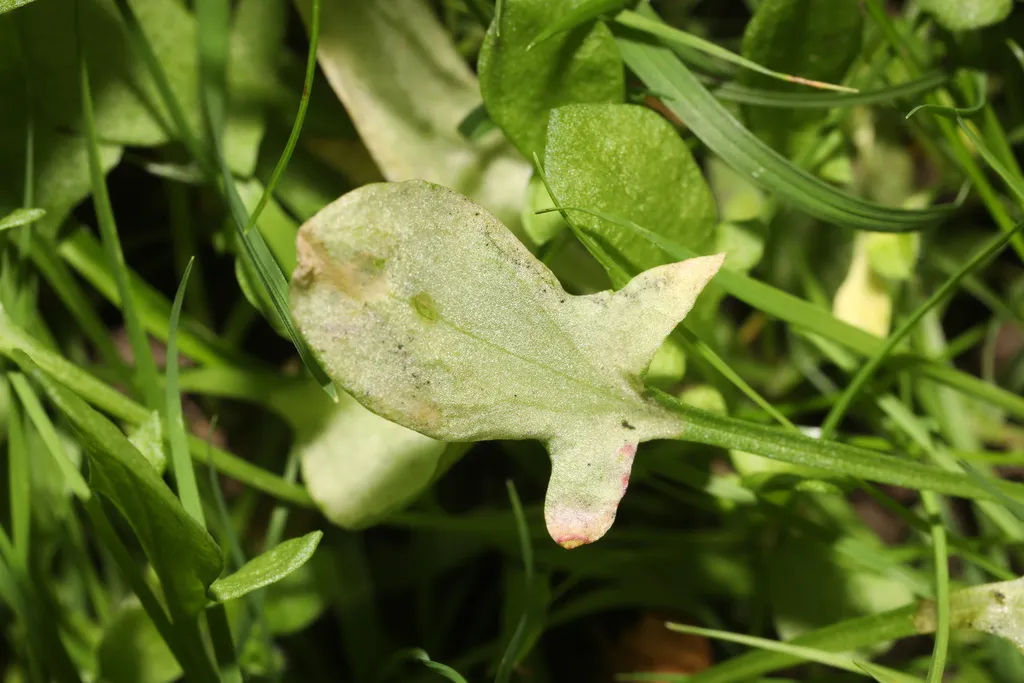
Scientific classification
- Species
- sheep's sorrel (Rumex acetosella)
- Genus
- Rumex
- Family
- Polygonaceae
- Harmful if eaten in large amounts. Wear gloves and other protective equipment when handling
- Toxicity
- Herbaceous Perennial
- Plant type
- 0.1-0.5 metres
- Height
- 0.1-0.5 metres
- Spread
- Deciduous
- Foliage
- Clump forming
- Habit
- Spring · Summer · Autumn · Winter
- Season of interest
- Full sun · Partial shade
- Sunlight
- Information to be completed
- Ideal temperature









sheep's sorrel pictures
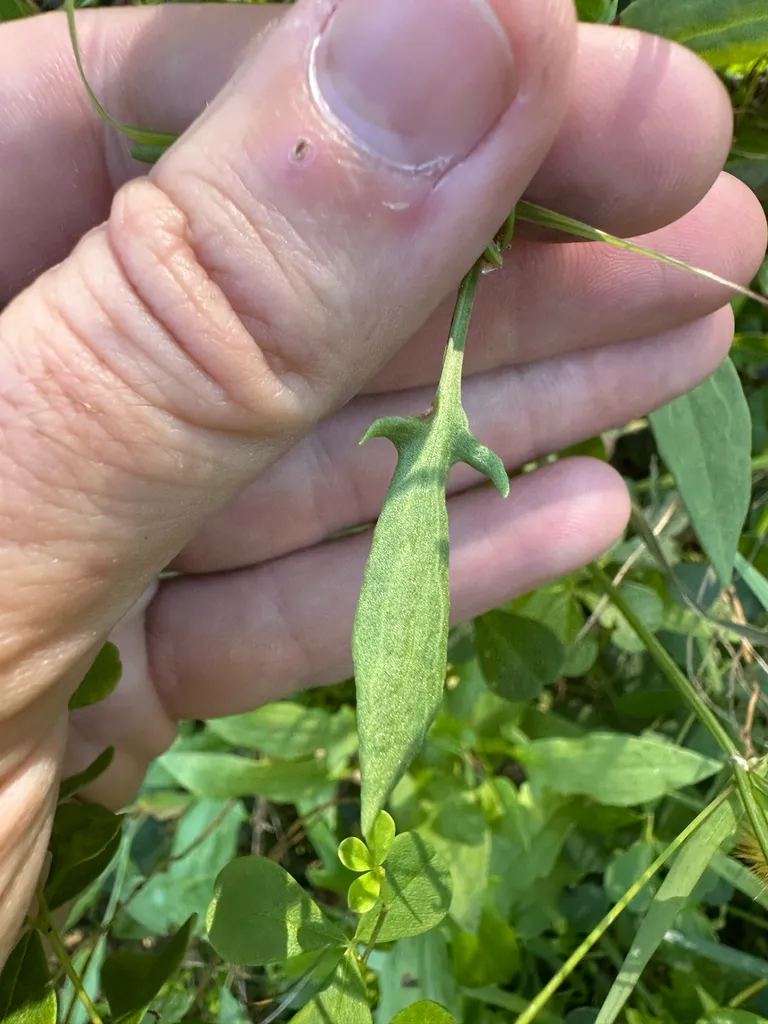
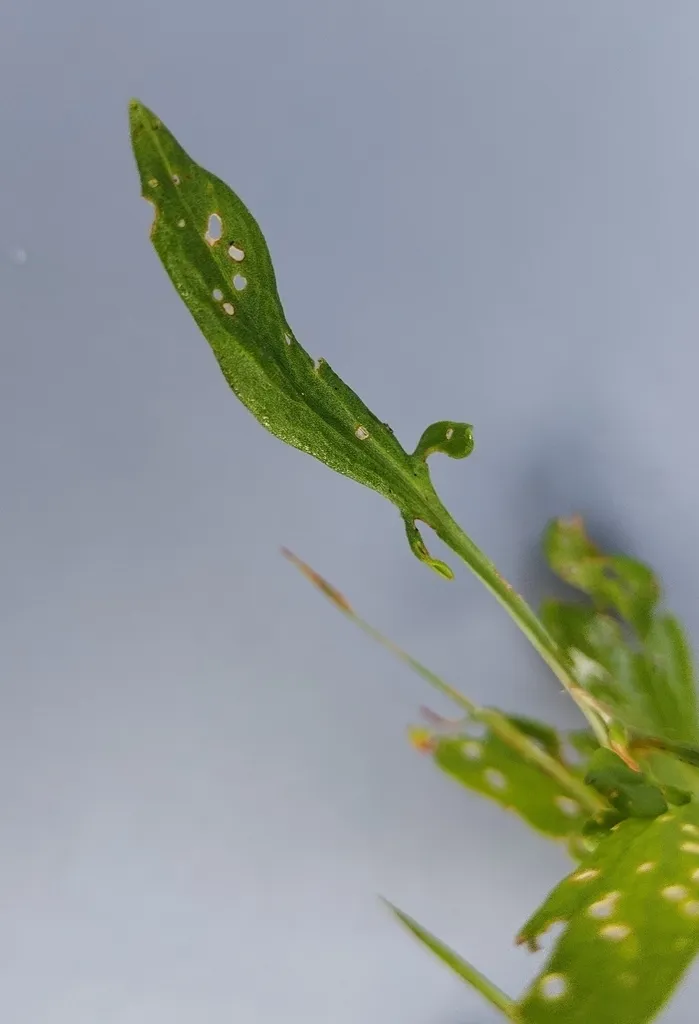
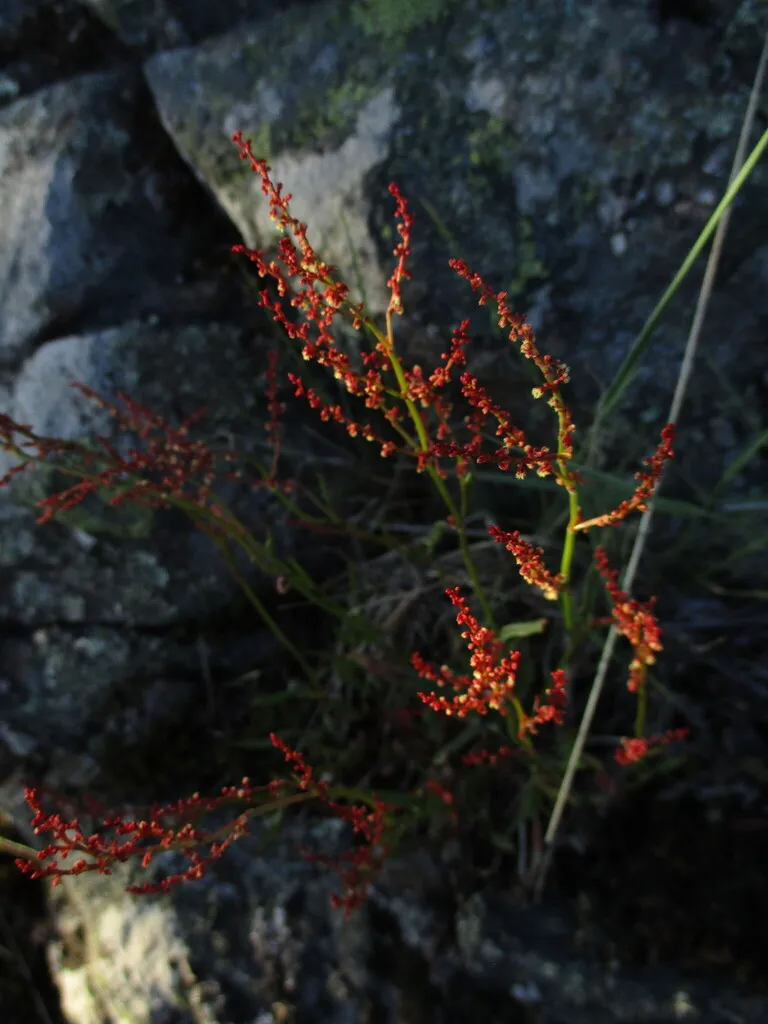
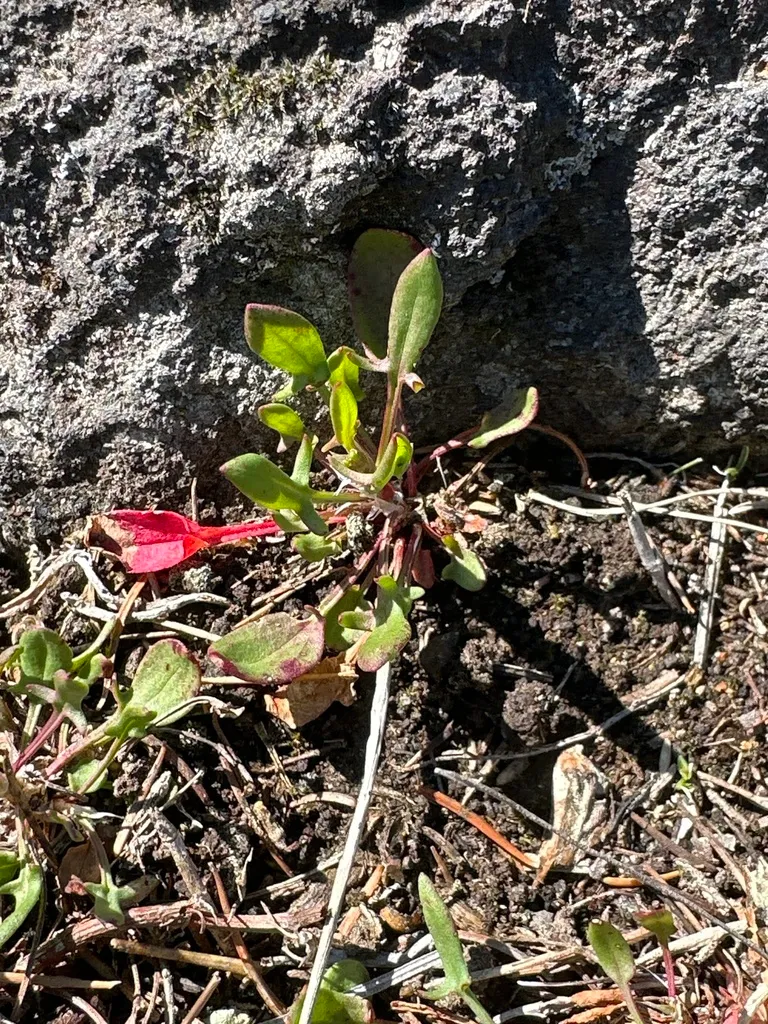
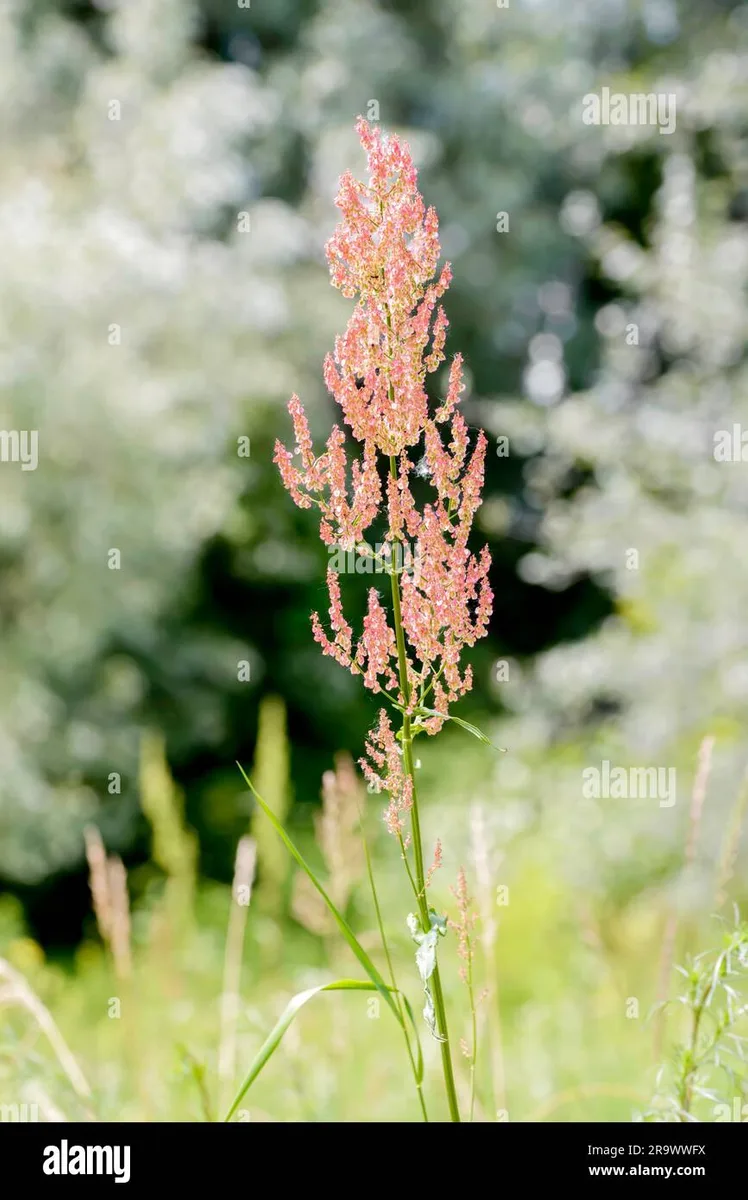
Distribution of sheep's sorrel
Distribution map
Information to be completed
Information to be completed
Culture
Information to be completed
Toxicity
Harmful if eaten in large amounts. Wear gloves and other protective equipment when handling
Quick identification of sheep's sorrel
Information to be completed
sheep's sorrel care guide
- Moderate regular watering, avoid prolonged drought or waterlogging
- Watering
- Full sun · Partial shade
- Sunlight
- Information to be completed
- Ideal temperature

Watering
Moderate regular watering, avoid prolonged drought or waterlogging
Fertilizing
 Fertilizing
Balanced feed in spring and light repeat in growth season
Pruning
 Pruning
No pruning required
Propagation
 Propagation
Propagate by seed
Growing
 Growing
Grows best in full sun in any soil, in mild areas may grow all year round. Self-seeds freely and also spreads from the roots so can be difficult to control or eradicate. See the advice page on controlling sheep's sorrel for more details
People also ask
Information to be completed
Common pests and diseases
Diseases
Generally disease-free
Pests
May be susceptible to slugs and aphids
Explore the plant health library →




