
Leucosceptrum canum
Also known as: Information to be completed
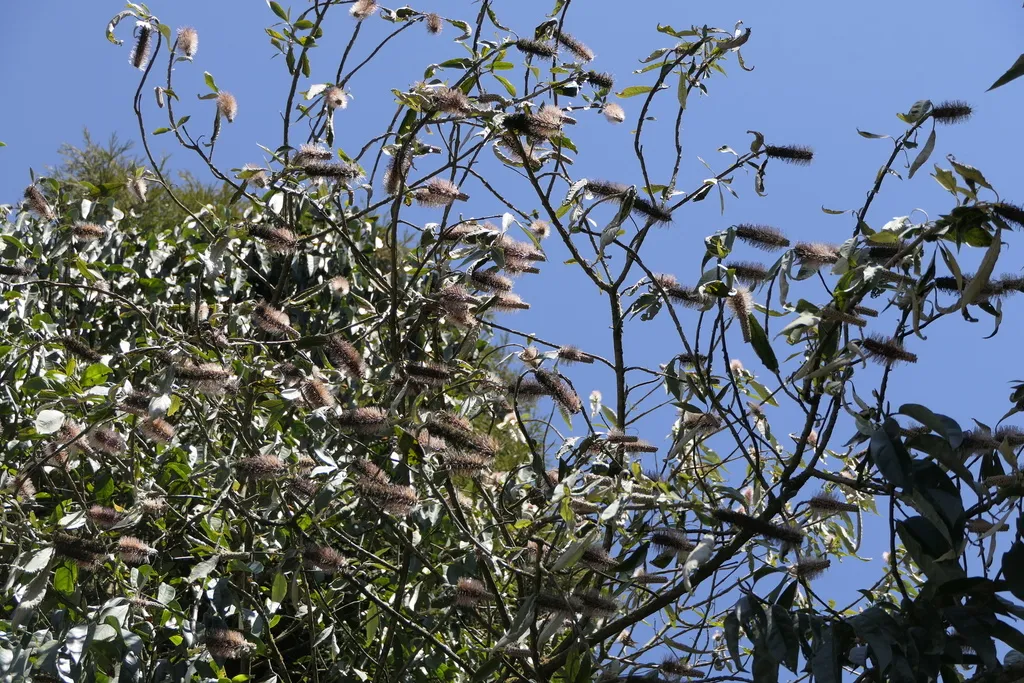
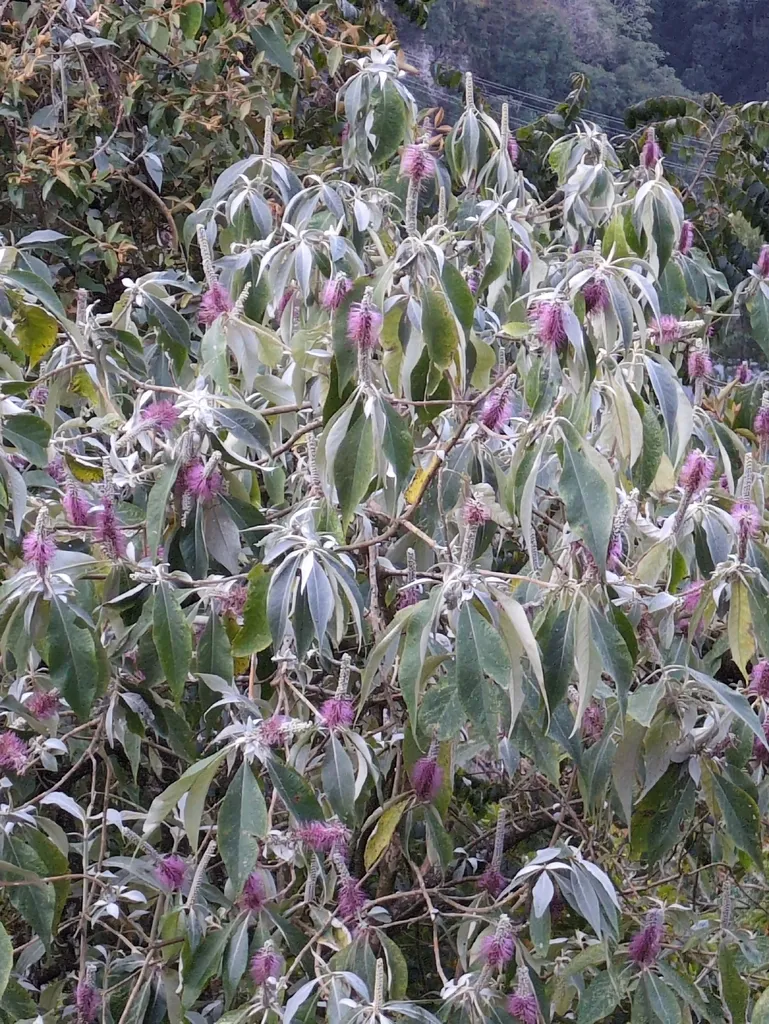
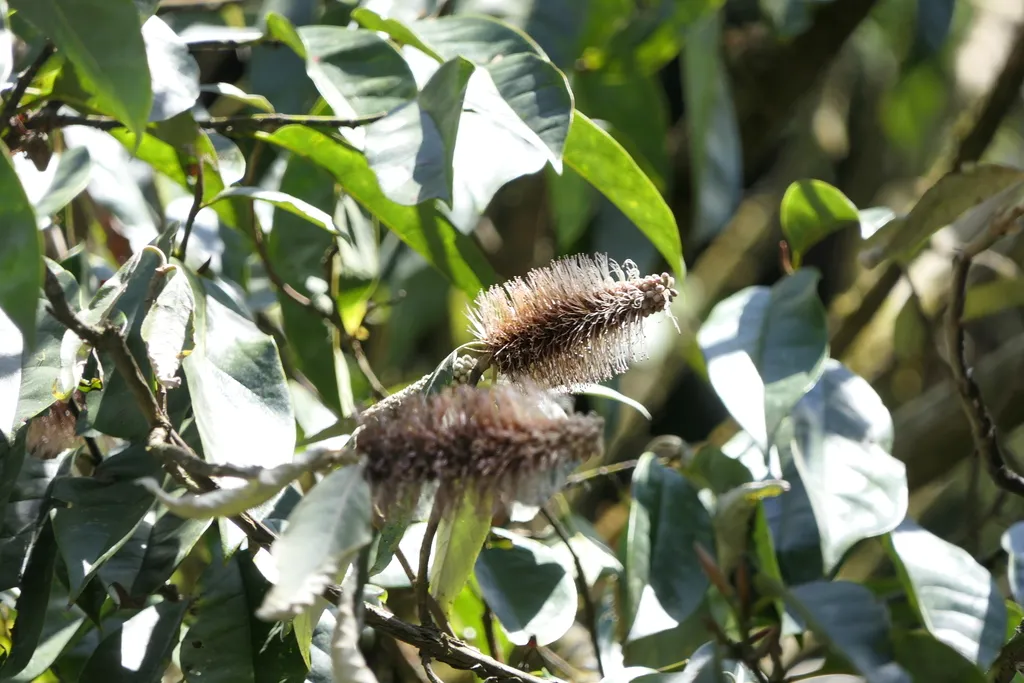
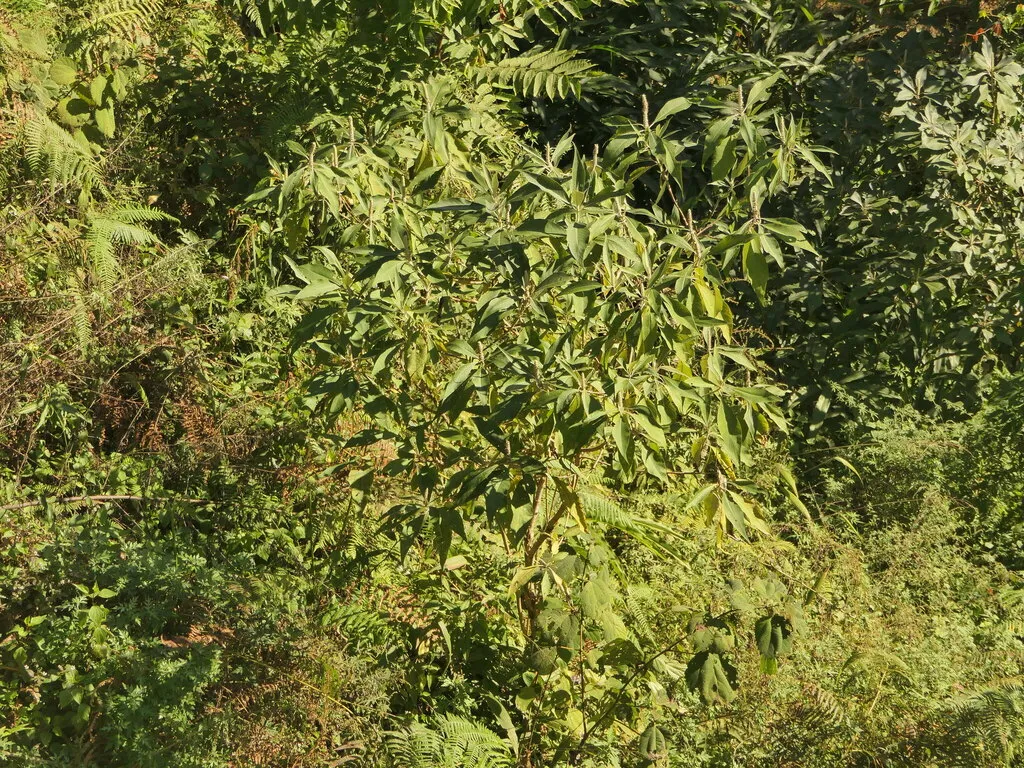
Evergreen shrub or small tree about 1.5-7m tall, usually multi-stemmed, with ascending branches and greyish-green, papery leaves, white-woolly beneath, to 30cm long. Creamy-white flowers in dense, cylindrical spikes to 15cm long, produced from late autumn to early spring, followed by brown fruits. Good nectar source for birds, butterflies and bees
Scientific classification
- Species
- Leucosceptrum canum (Leucosceptrum canum)
- Genus
- Leucosceptrum
- Family
- Lamiaceae
- Information to be completed
- Toxicity
- Shrubs · Trees
- Plant type
- 4-8 metres
- Height
- 2.5-4 metres
- Spread
- Evergreen
- Foliage
- Bushy
- Habit
- Spring · Summer · Autumn · Winter
- Season of interest
- Full sun
- Sunlight
- Information to be completed
- Ideal temperature









Leucosceptrum canum pictures
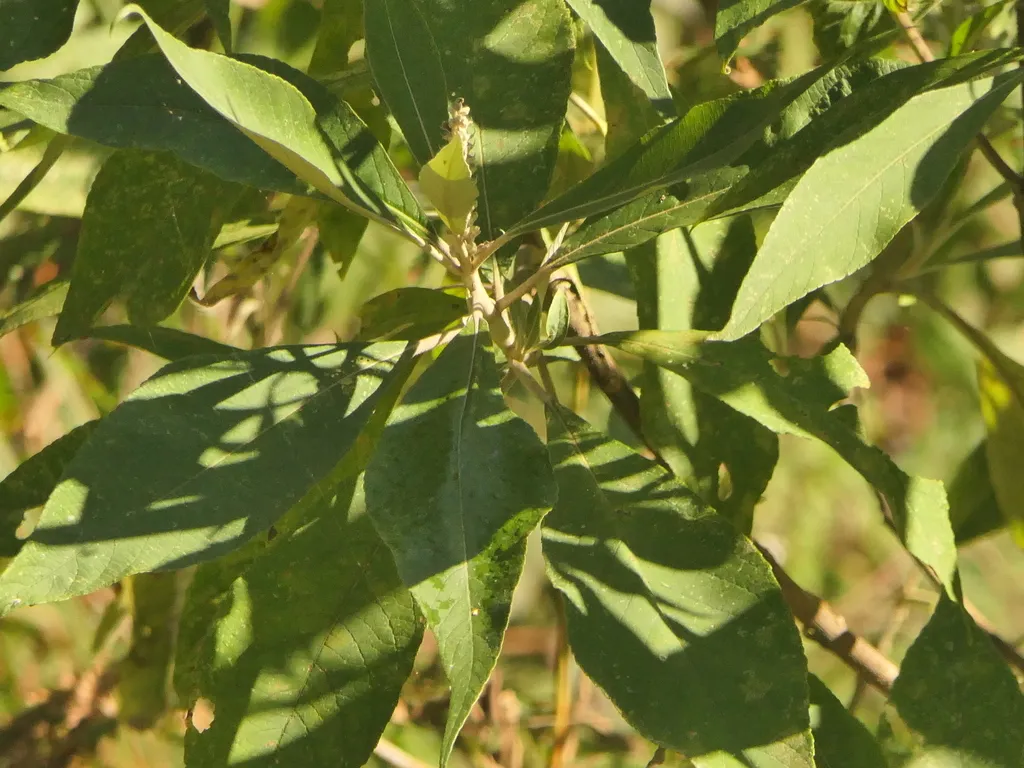
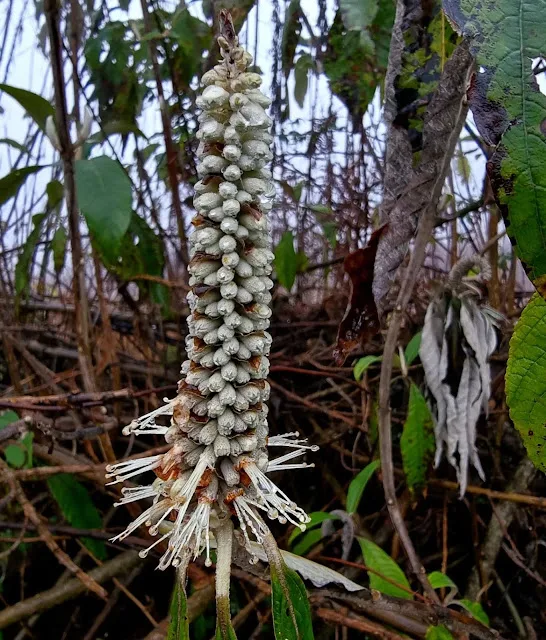
Distribution of Leucosceptrum canum
Distribution map
Information to be completed
Information to be completed
Culture
Information to be completed
Toxicity
Information to be completed
Quick identification of Leucosceptrum canum
Information to be completed
Leucosceptrum canum care guide
- Deep watering during dry spells, allowing slight surface drying between soakings
- Watering
- Full sun
- Sunlight
- Information to be completed
- Ideal temperature

Watering
Deep watering during dry spells, allowing slight surface drying between soakings
Fertilizing
 Fertilizing
Balanced shrub or tree feed once each early spring
Pruning
 Pruning
Usually little pruning is needed. Lightly shape if necessary, removing dead, damaged or diseased shoots. Prune after flowering.
Propagation
 Propagation
Propagate by semi-ripe cuttings in summer
Growing
 Growing
In milder and frost-free areas, grow in well-drained soil, in full sun in a warm, dry position such as a courtyard or against a south-facing or west-facing wall; in frost-prone areas, grow in a cool or temperate greenhouse, in a mix of peat-free potting compost and grit, in full light and low humidity. Water moderately during the growing season and sparingly in winter
People also ask
Information to be completed
Common pests and diseases
Diseases
Generally disease-free
Pests
Generally pest-free
Explore the plant health library →




