
Corsican violet
Also known as: Information to be completed
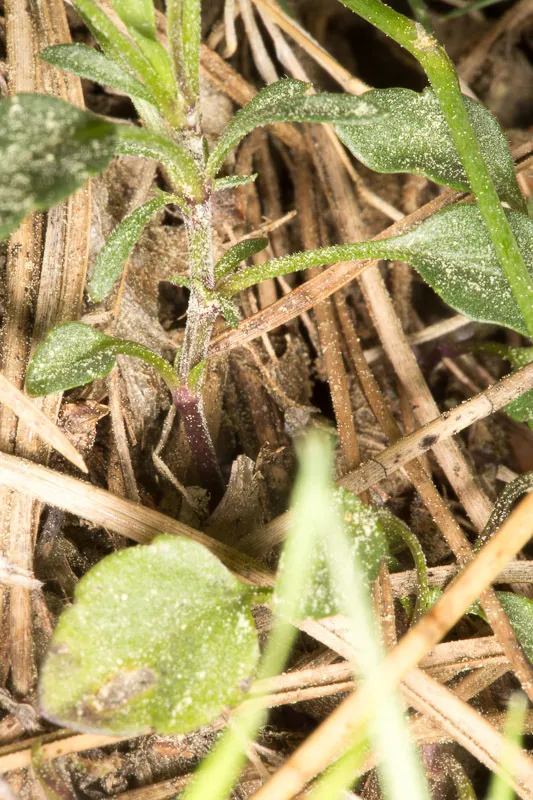
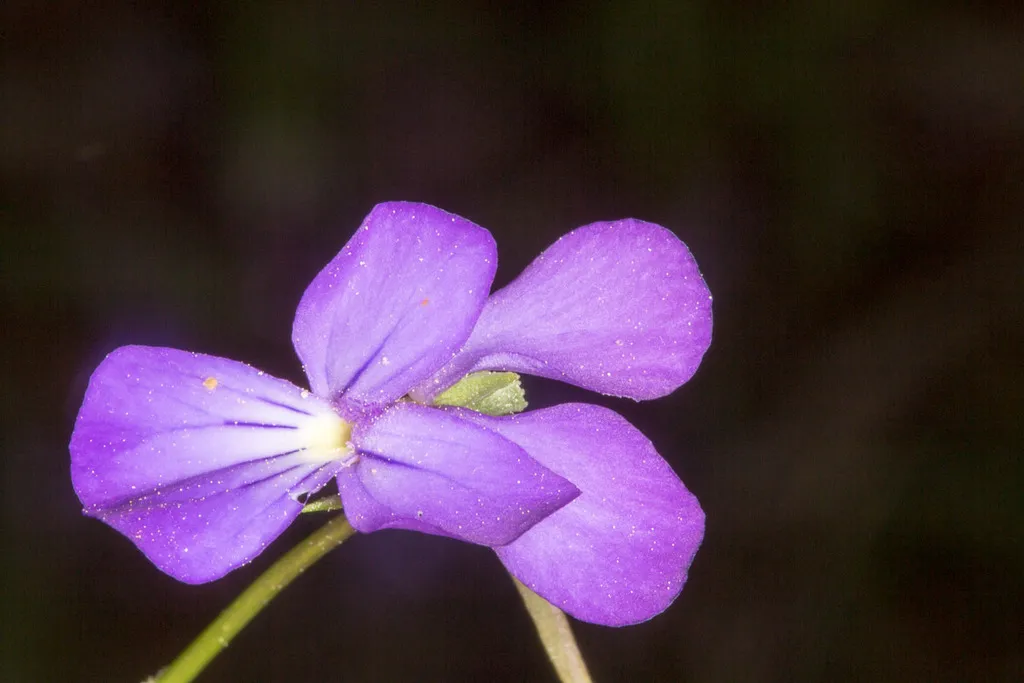
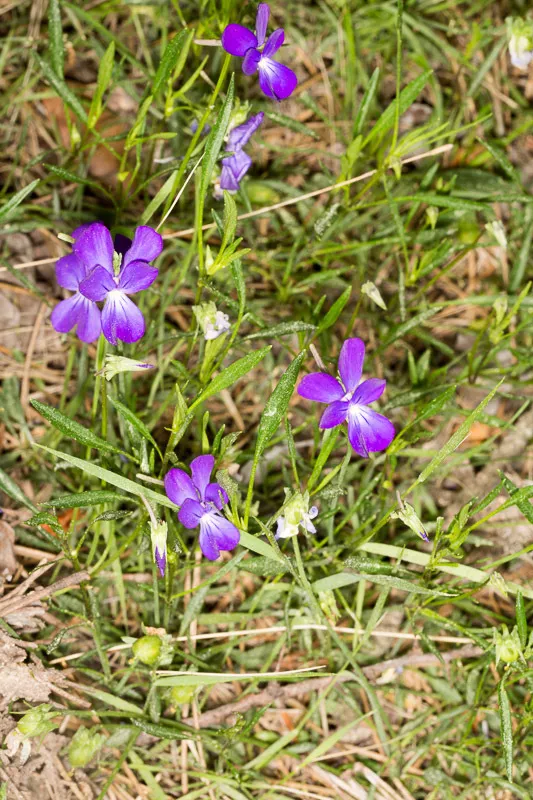
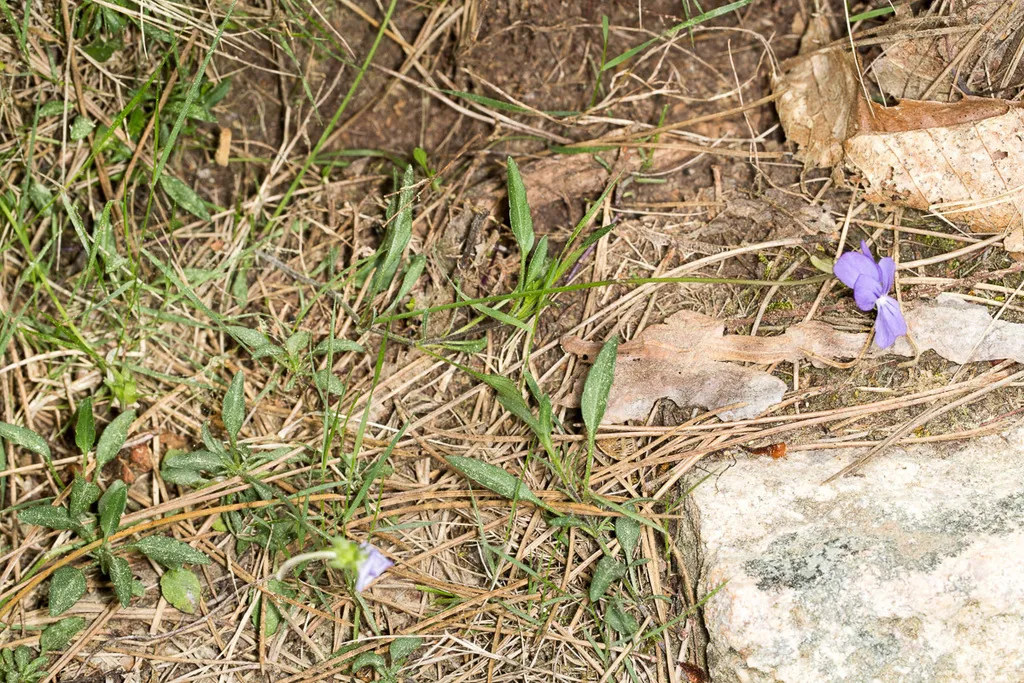
a herbaceous perennial up to 20cm high with rather weak stems, green leaves, the lower ones rhombic or rounded and the upper ones oblong or linear, and flowers, 3.5cm long, whose petals do not overlap, and which are sometimes yellow, but usually violet-purple with darker rays and white and yellow centres, from spring to early summer in the wild, but in cultivation may be from spring to autumn
Scientific classification
- Species
- Corsican violet (Viola corsica)
- Genus
- Viola
- Family
- Violaceae
- Information to be completed
- Toxicity
- Herbaceous Perennial
- Plant type
- 0.1-0.5 metres
- Height
- 0.1-0.5 metres
- Spread
- Deciduous
- Foliage
- Clump forming
- Habit
- Spring · Summer · Autumn
- Season of interest
- Full sun · Partial shade
- Sunlight
- Information to be completed
- Ideal temperature









Corsican violet pictures
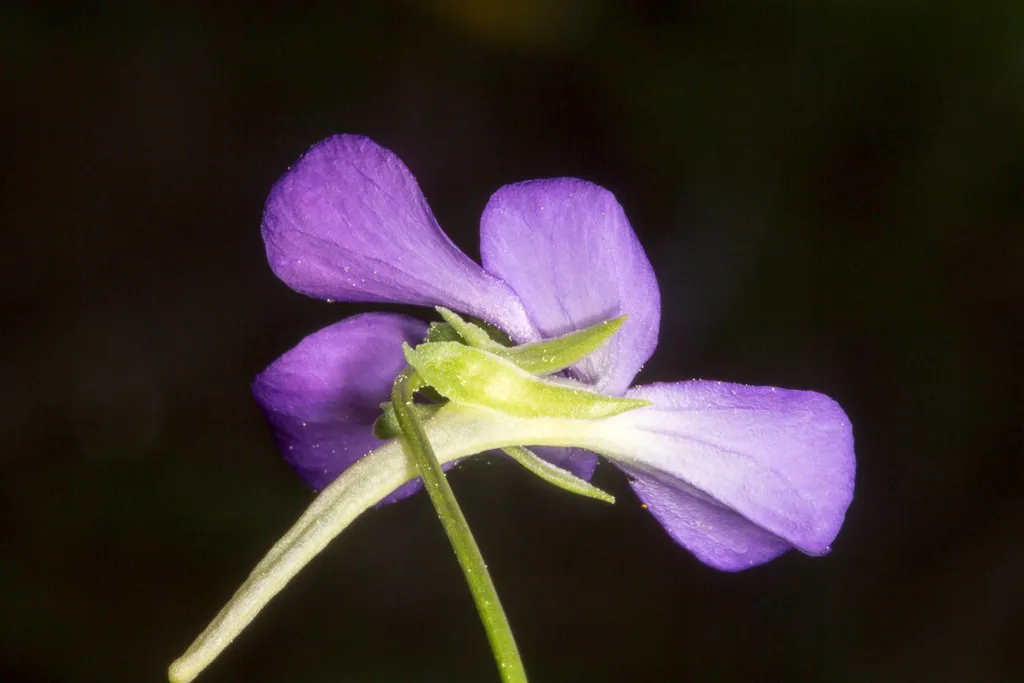
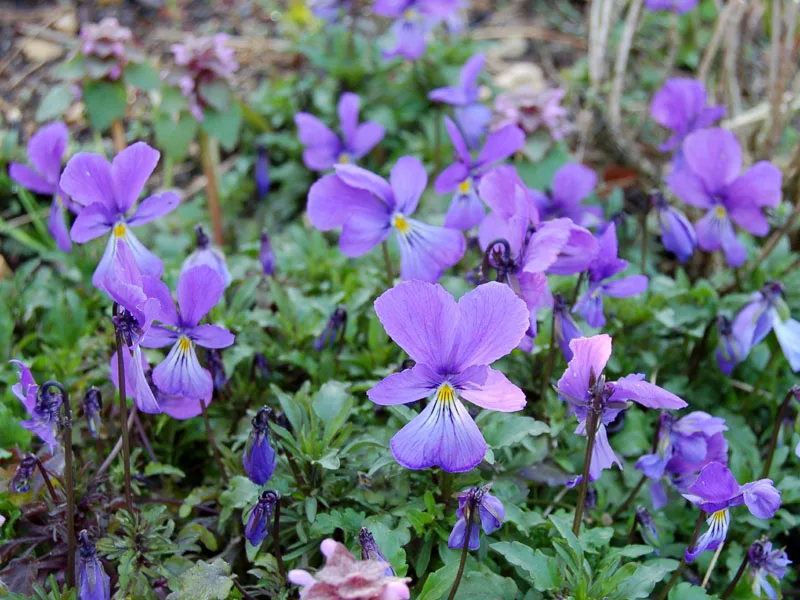
Distribution of Corsican violet
Distribution map
Information to be completed
Information to be completed
Culture
Information to be completed
Toxicity
Information to be completed
Quick identification of Corsican violet
Information to be completed
Corsican violet care guide
- Maintain lightly moist soil, tolerate mild short dryness in mature clump plants
- Watering
- Full sun · Partial shade
- Sunlight
- Information to be completed
- Ideal temperature

Watering
Maintain lightly moist soil, tolerate mild short dryness in mature clump plants
Fertilizing
 Fertilizing
Weak balanced pansy feed monthly spring through mid summer growth phase
Pruning
 Pruning
No pruning required
Propagation
 Propagation
Propagate by seed, sown in containers in a cold frame as soon as ripe or in spring, or by division in spring or autumn, or by stem-tip softwood cuttings in spring or late summer; it will also self-seed
Growing
 Growing
Grow in well-drained soil in full sun or partial shade
People also ask
Information to be completed
Common pests and diseases
Diseases
May be affected by pansy leaf spot, pansy downy mildew, mosaic virus diseases, rust diseases, and powdery mildews
Pests
May be affected by slugs, snails, aphids, glasshouse red spider mite, and violet gall midge
Explore the plant health library →




