
American feverfew
Also known as: cutting almond; prairie dock; wild quinine
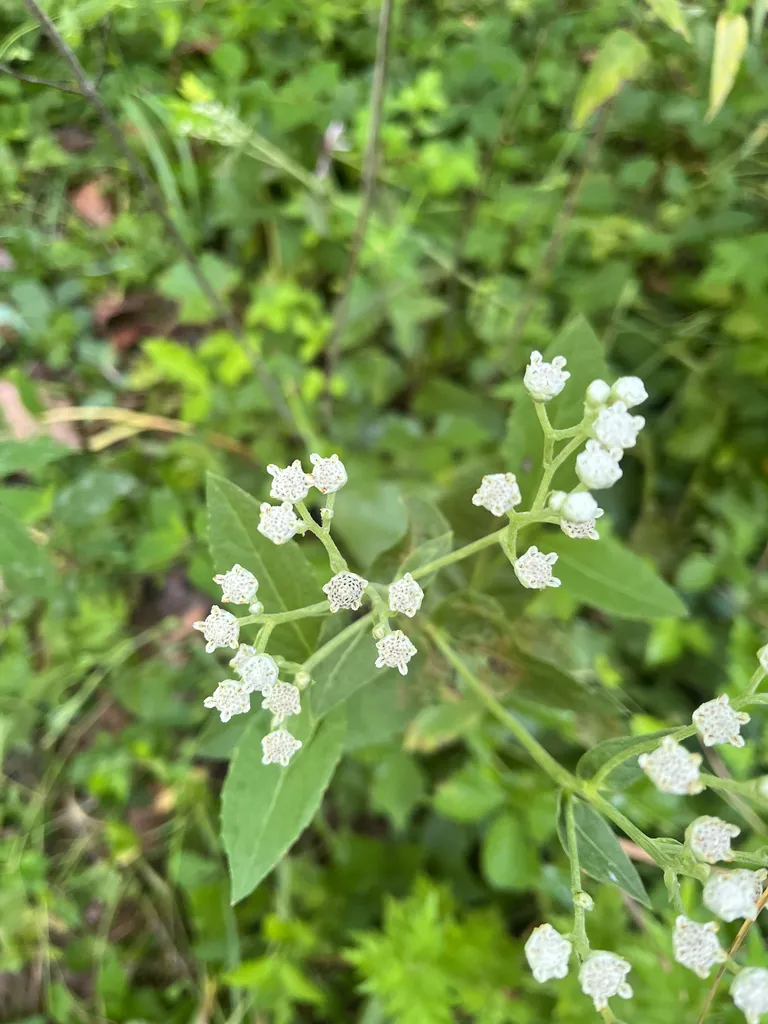
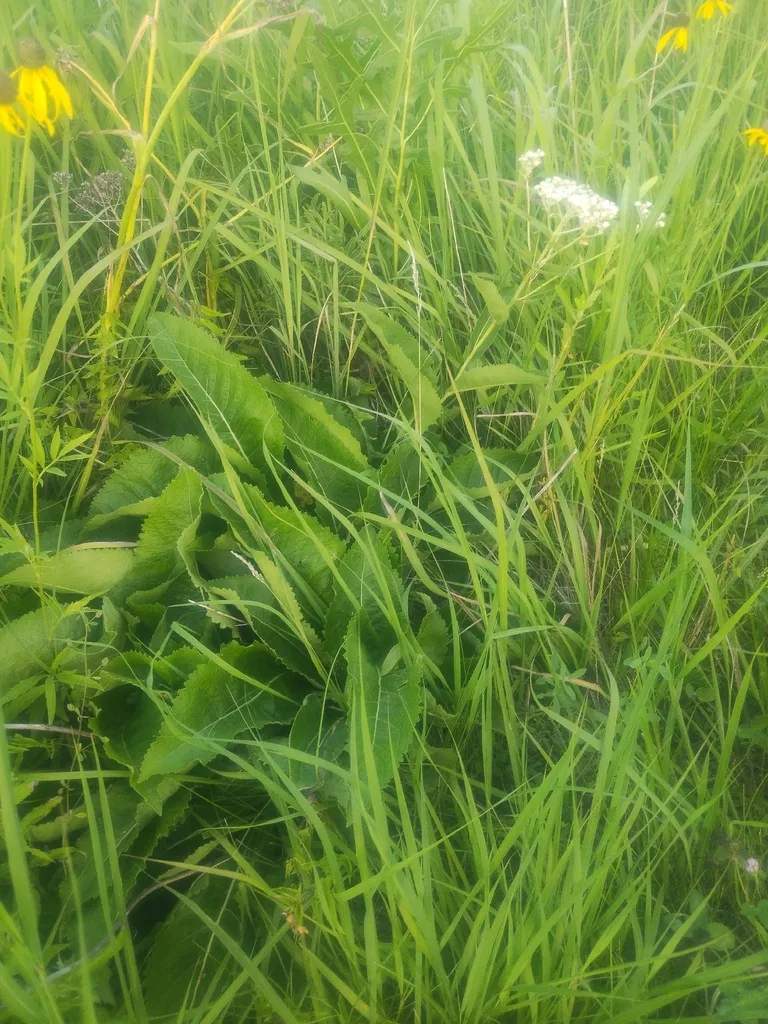
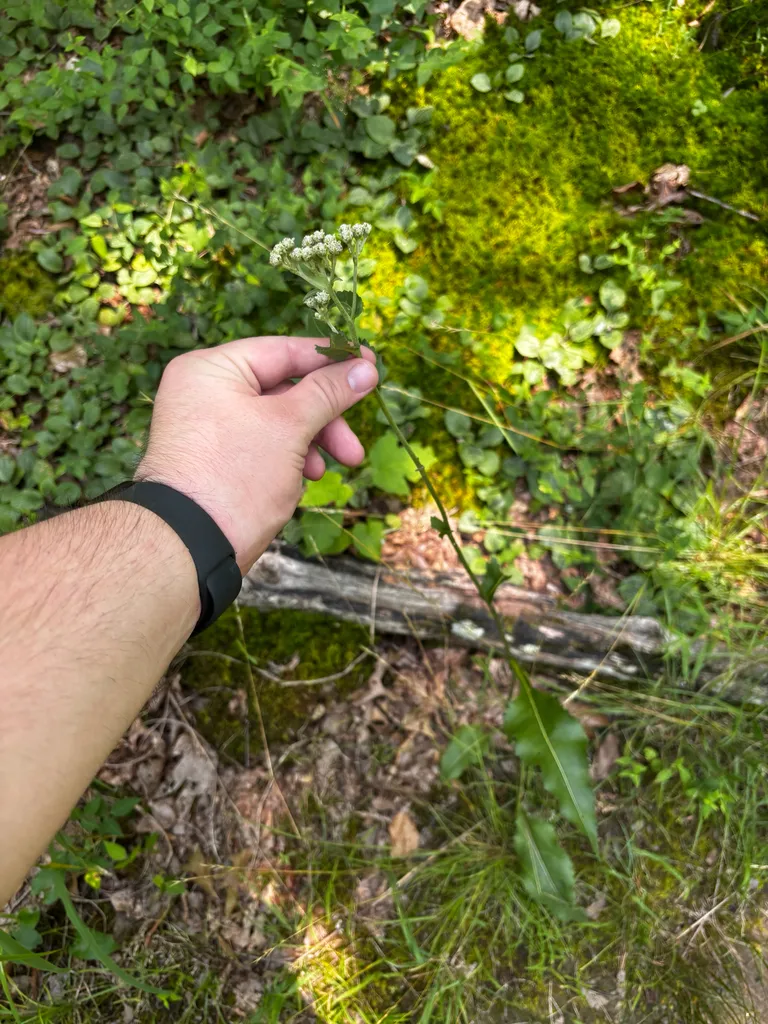
A clump-forming perennial to 1.2m high, with a basal rosette of large, oval-shaped coarsely toothed green leaves. Small, domed, densely packed heads heads of faintly scented, tiny white flowers are borne on stout, branching stalks from late spring into summer
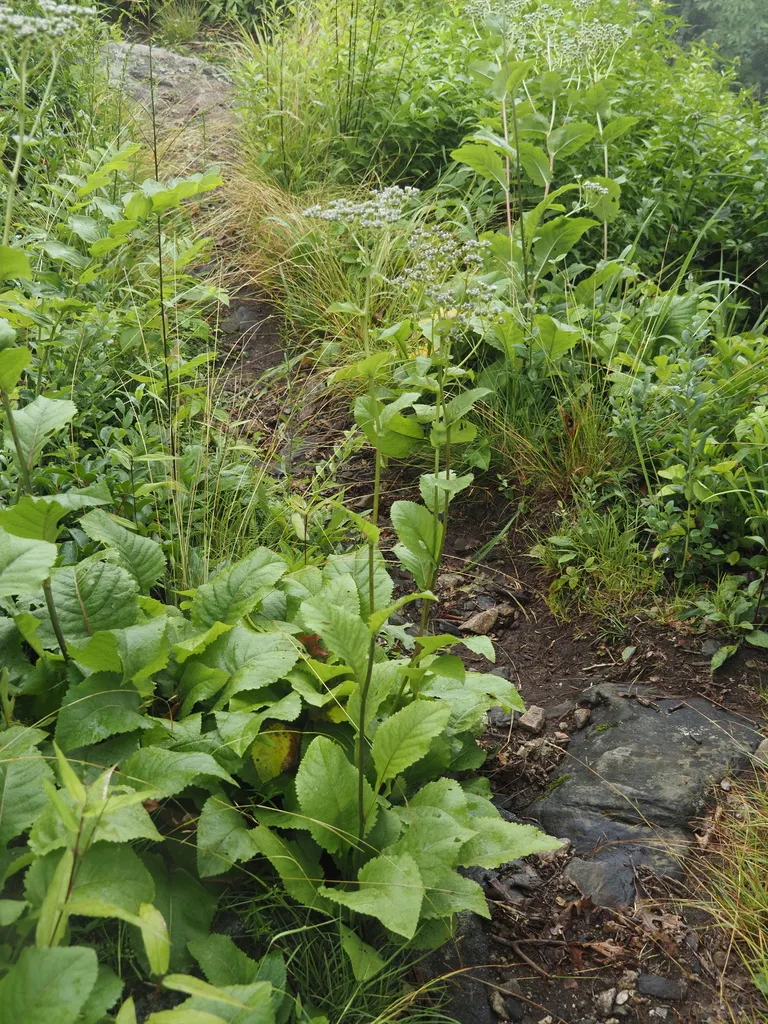
Scientific classification
- Species
- American feverfew (Parthenium integrifolium)
- Genus
- Parthenium
- Family
- Asteraceae
- Information to be completed
- Toxicity
- Herbaceous Perennial
- Plant type
- 1-1.5 metres
- Height
- 0.1-0.5 metres
- Spread
- Semi evergreen
- Foliage
- Clump forming
- Habit
- Spring · Summer · Autumn · Winter
- Season of interest
- Full sun · Partial shade
- Sunlight
- Information to be completed
- Ideal temperature









American feverfew pictures
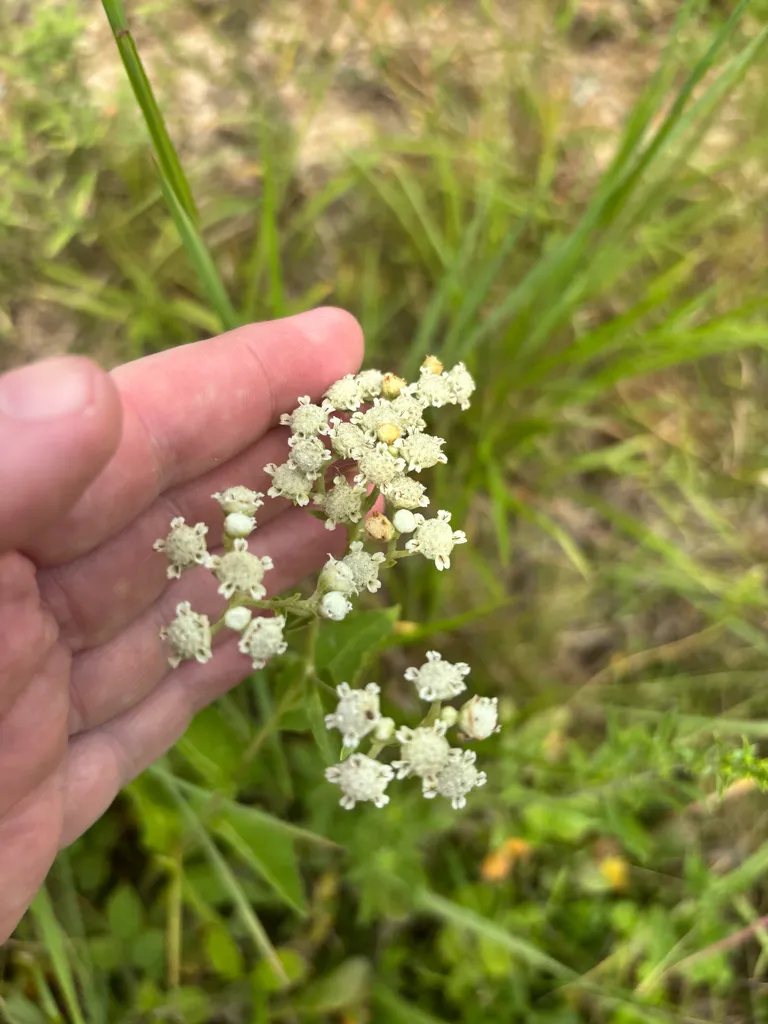
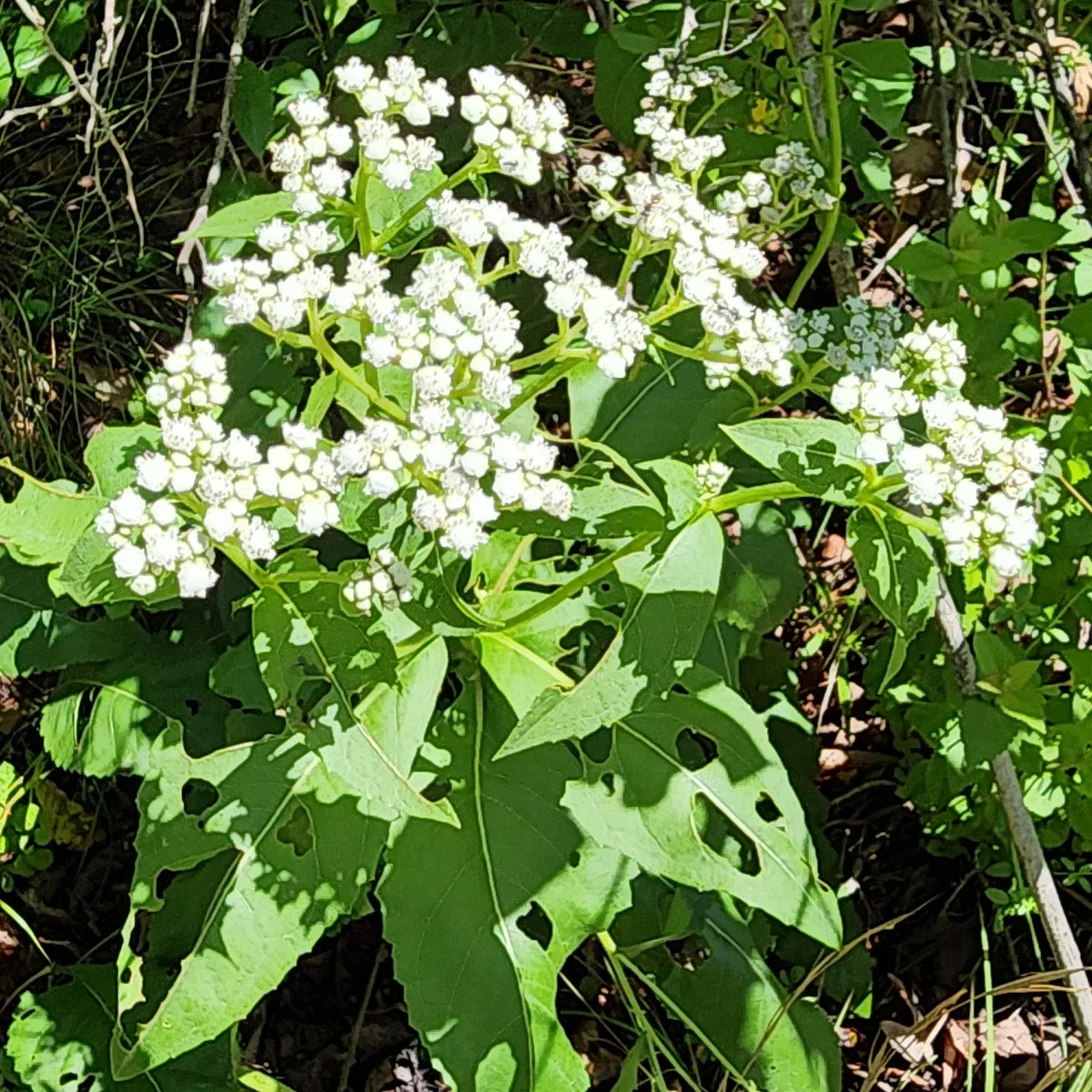
Distribution of American feverfew
Distribution map
- Native
- Introduced
- Cultivated
Source:WCVP v16 · Royal Botanic Gardens, Kew · CC BY 3.0 · Boundaries:WGSRPD / TDWG
American feverfew care guide
- Moderate regular watering, allowing brief slight drying between soakings
- Watering
- Full sun · Partial shade
- Sunlight

Watering
Moderate regular watering, allowing brief slight drying between soakings
Fertilizing
 Fertilizing
Balanced perennial feed every four weeks from spring through summer
Pruning
 Pruning
Deadhead after flowering if seed is not required, or seedheads can be left to provide winter structure
Propagation
 Propagation
Propagate by seed, sown in a cold frame in autumn, or by softwood cuttings in early summer
Growing
 Growing
Tolerates a range of soils and conditions, but thrives in full sun. A good cut or dried flower
Common pests and diseases
Diseases
Generally disease-free
Pests
Generally pest-free
Explore the plant health library →




