
apple 'Spartan'
Also known as: Information to be completed
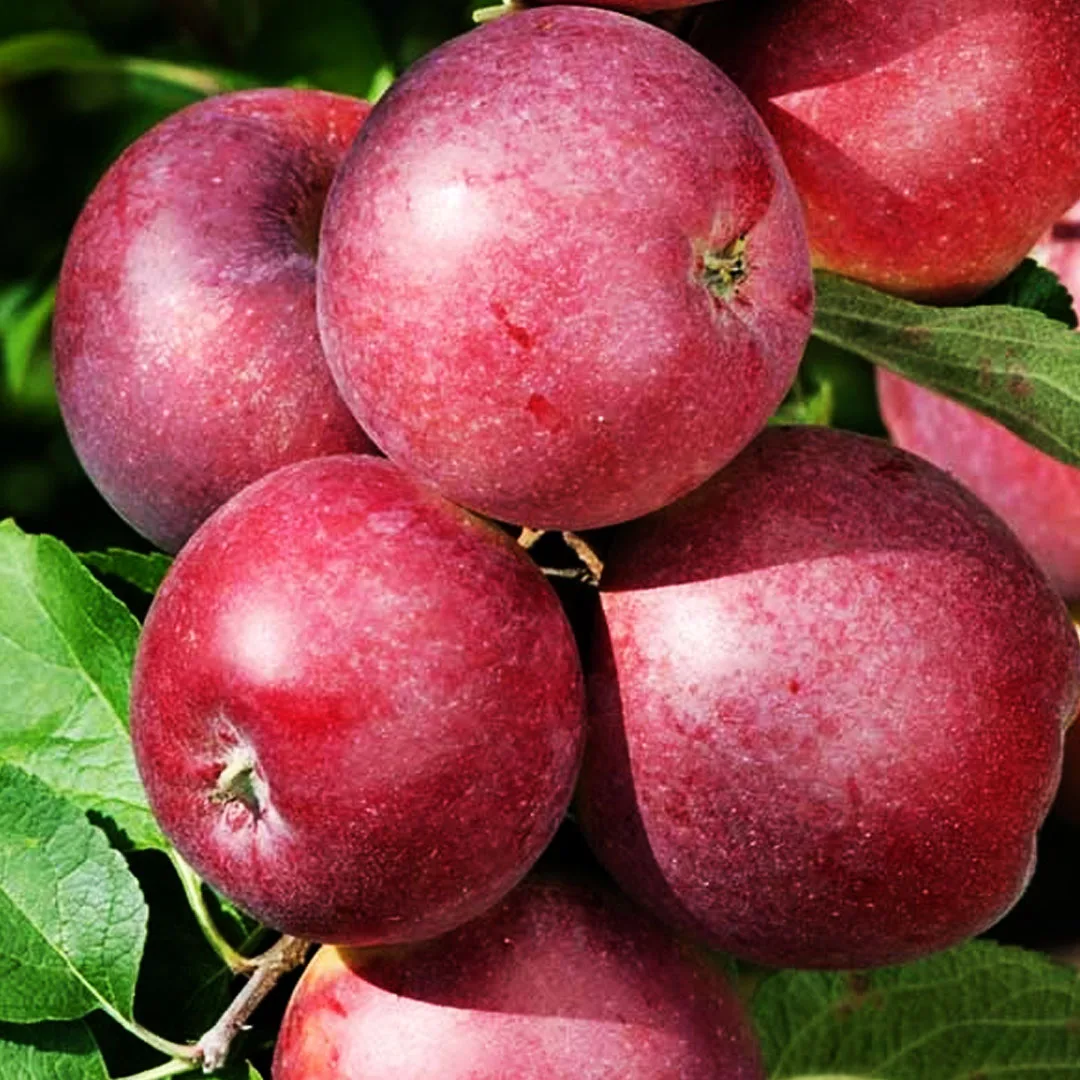
Spartan' is an upright, spreading tree which is covered in pure white, cup-shaped flowers in mid- and late spring, followed by crisp, juicy, dark red, dessert apples that can be harvested in early October. It's one of the best red-skinned varieties and the fruit will keep well for several months if they are stored correctly. Pollination group 3: requires cross-pollination from another apple tree
Scientific classification
- Species
- apple 'Spartan' (Malus domestica 'Spartan')
- Genus
- Malus
- Family
- Rosaceae
- Order
- Rosales
- Class
- Magnoliopsida
- Phylum
- Magnoliophyta
- Information to be completed
- Toxicity
- Trees · Fruit Edible
- Plant type
- 4-8 metres
- Height
- 4-8 metres
- Spread
- Deciduous
- Foliage
- Columnar upright
- Habit
- Spring · Summer · Autumn
- Season of interest
- Full sun
- Sunlight
- Information to be completed
- Ideal temperature









apple 'Spartan' pictures
Distribution of apple 'Spartan'
Distribution map
- Native
- Introduced
- Cultivated
Source:WCVP v16 · Royal Botanic Gardens, Kew · CC BY 3.0 · Boundaries:WGSRPD / TDWG
apple 'Spartan' care guide
- Deep watering during dry periods, especially while fruiting
- Watering
- Full sun
- Sunlight

Watering
Deep watering during dry periods, especially while fruiting
Fertilizing
 Fertilizing
Fruit tree feed in early spring and after set fruit
Pruning
 Pruning
Prune according to chosen training method. See apple pruning
Propagation
 Propagation
Propagate by grafting in midwinter or chip budding in late summer on clonal rootstock for fruit. The rootstock will largely determine the vigour of the tree. Fruit grown from pips will not resemble the parent
Growing
 Growing
Prefers fertile soil conditions. The height will depend on the rootstock and training method. Suitable for all training forms, including espalier and fan-trained. Keep a clear area around the trunk of at least 60cm radius. Fruit thinning may be required. For more details see apple cultivation
Common pests and diseases
Diseases
May be susceptible to apple canker, apple scab, blossom wilt, brown rot, fireblight, honey fungus and powdery mildews
Pests
May be susceptible to aphids, including woolly aphid and rosy apple aphid, fruit tree red spider mite, codling moth and other caterpillars
Explore the plant health library →




