
blue star creeper
Also known as: Information to be completed
P. pedunculata is a vigorous evergreen perennial to 2cm tall, quickly forming a wide mat of tiny rounded leaves, with short-stalked star-shaped pale blue flowers in summer; male and female flowers are on separate plants, so it is unlikely to fruit
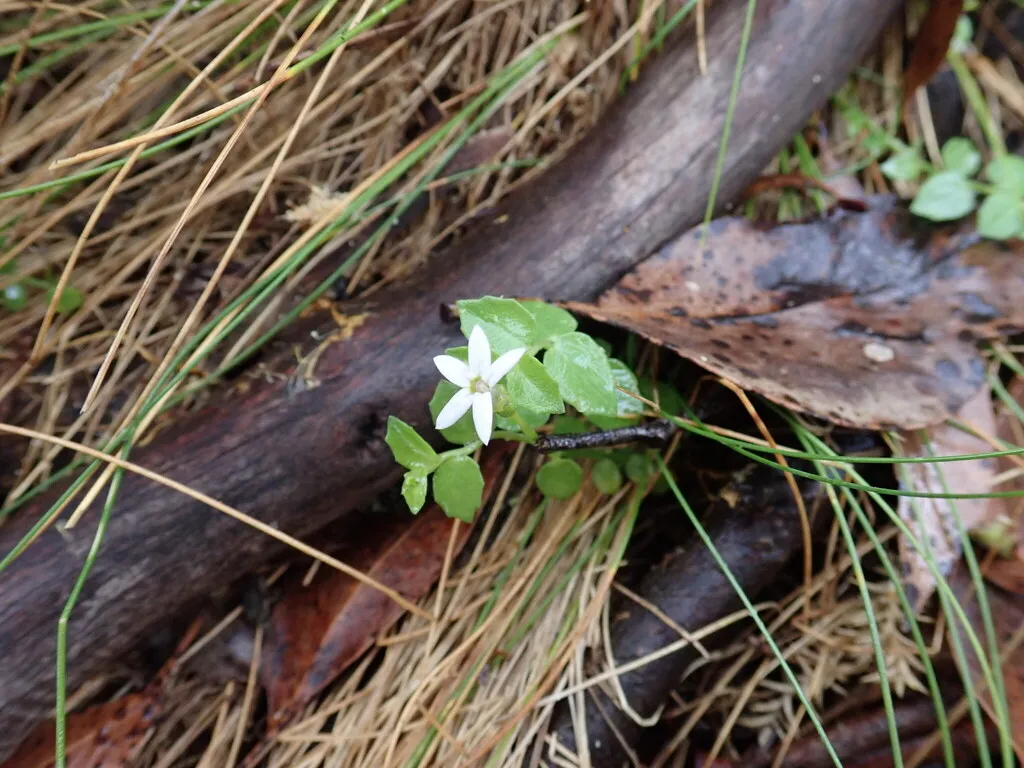
Scientific classification
- Species
- blue star creeper (Lobelia pedunculata)
- Genus
- Lobelia
- Family
- Campanulaceae
- Order
- Asterales
- Class
- Magnoliopsida
- Phylum
- Magnoliophyta
- Harmful if eaten, skin irritant. Wear gloves and other protective equipment when handling]
- Toxicity
- Alpine Rockery · Herbaceous Perennial
- Plant type
- Up to 10 cm
- Height
- 1-1.5 metres
- Spread
- Evergreen
- Foliage
- Matforming
- Habit
- Spring · Summer · Autumn · Winter
- Season of interest
- Full shade · Partial shade
- Sunlight
- Information to be completed
- Ideal temperature









blue star creeper pictures
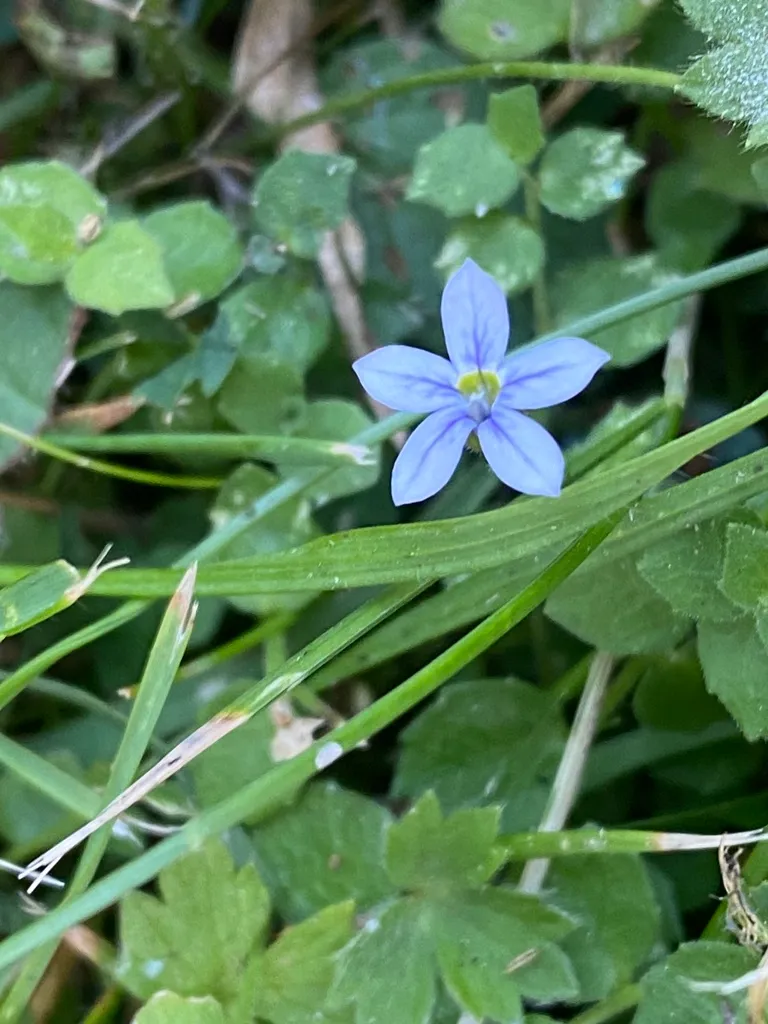
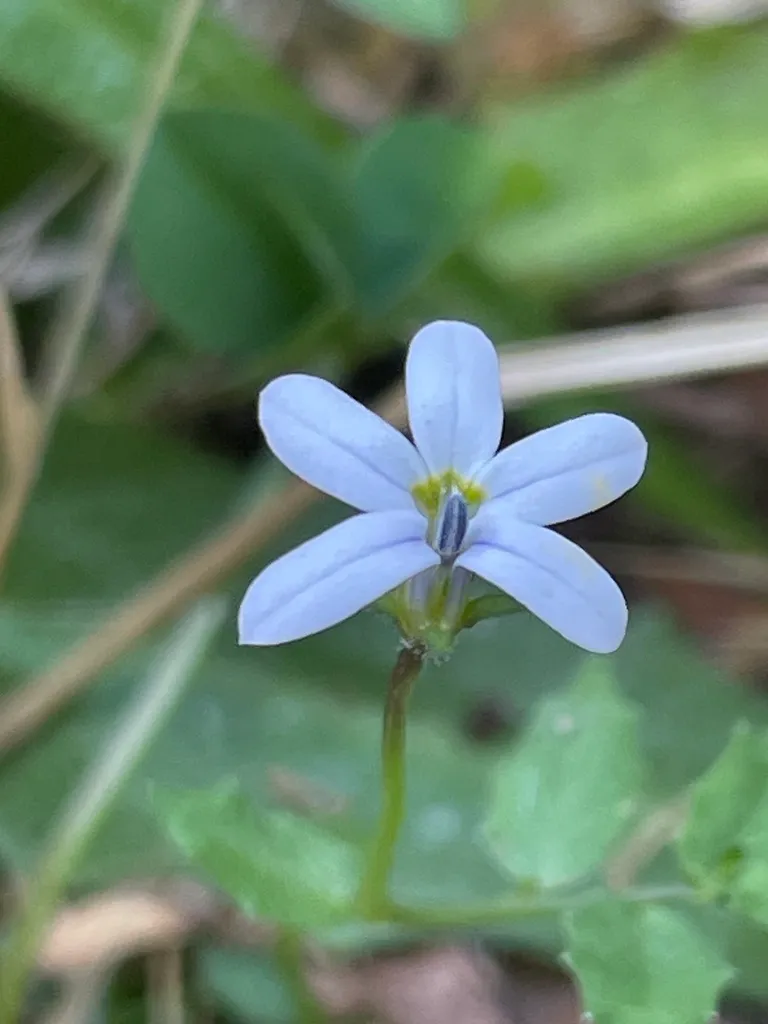
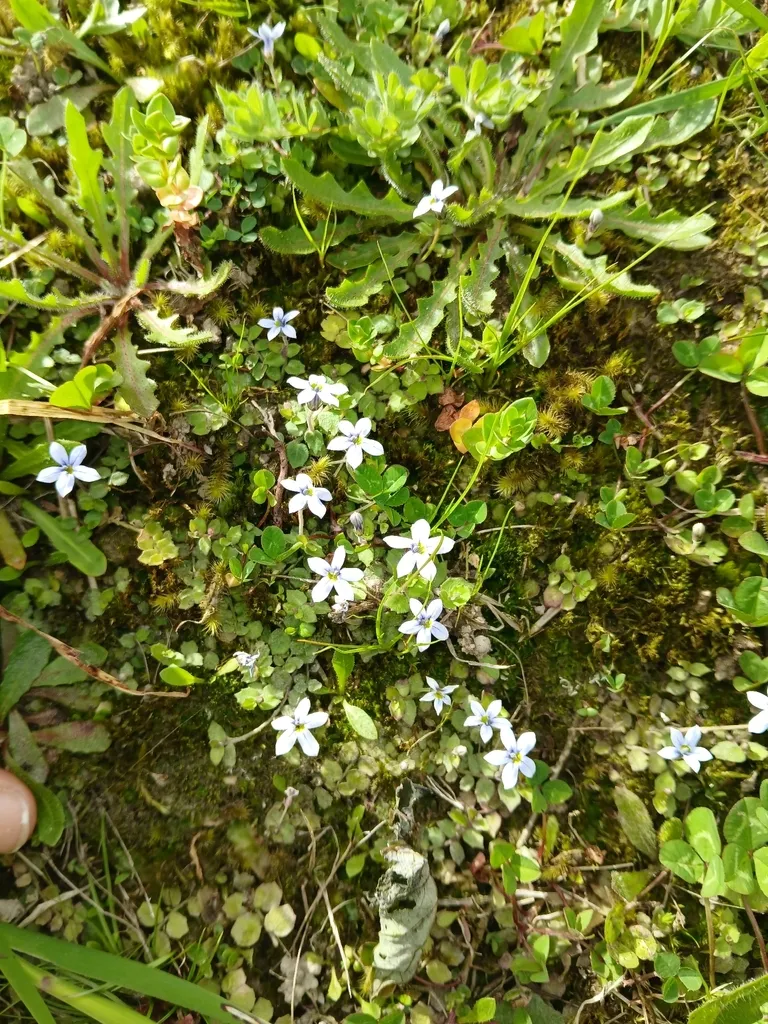
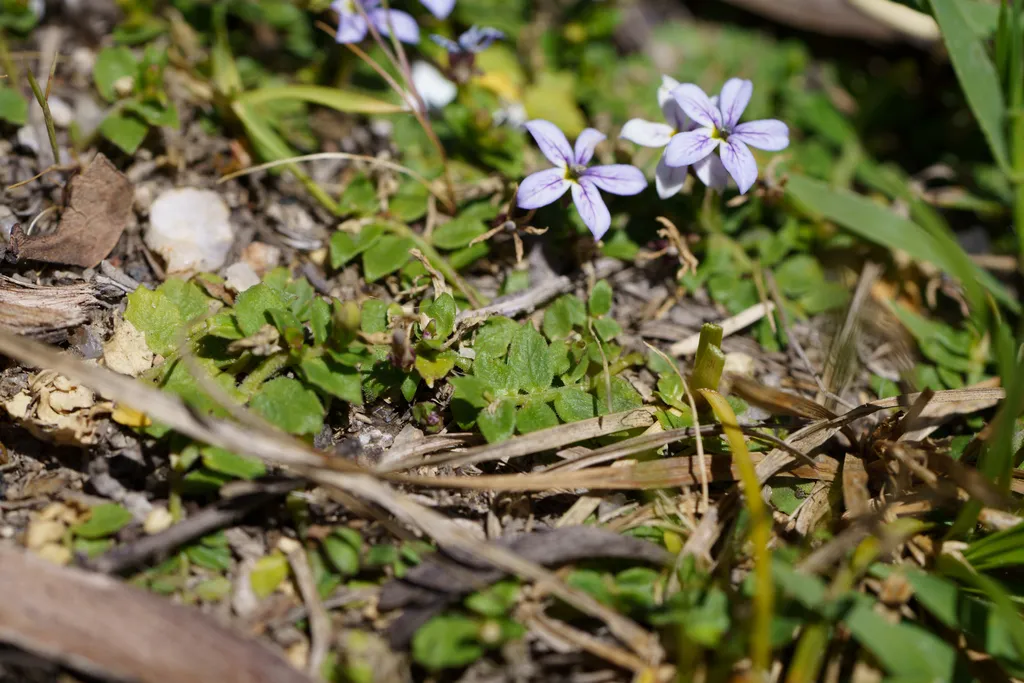
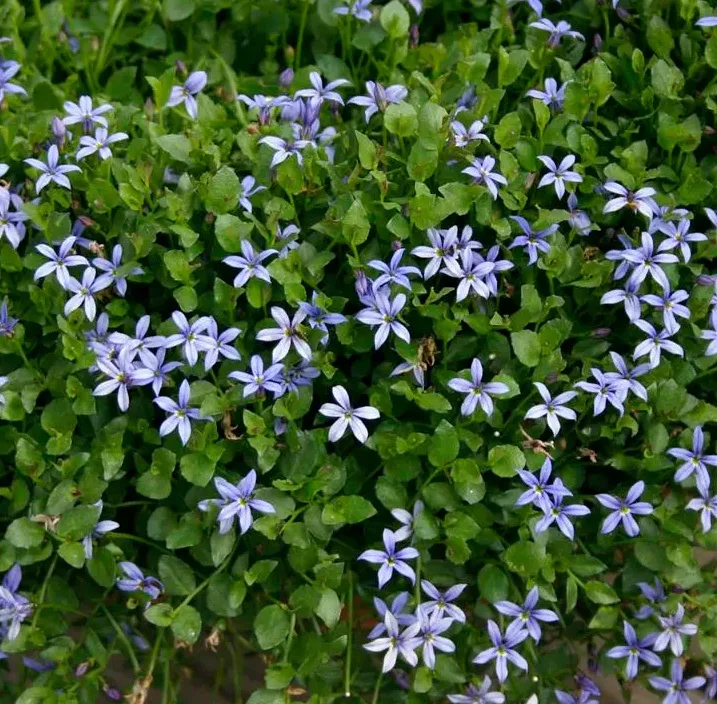
Distribution of blue star creeper
Distribution map
Australia
Toxicity
Harmful if eaten, skin irritant. Wear gloves and other protective equipment when handling]
blue star creeper care guide
- Keep soil evenly moist with free drainage
- Watering
- Full shade · Partial shade
- Sunlight

Watering
Keep soil evenly moist with free drainage
Fertilizing
 Fertilizing
Light balanced feed during active growth season
Pruning
 Pruning
No pruning required
Propagation
 Propagation
Propagate by division at any time of year, keeping the divisions well watered until they are established
Growing
 Growing
Grow in fertile, loamy, moist to well-drained soil in partial or deep shade
Common pests and diseases
Diseases
Generally disease-free
Pests
May be susceptible to slugs
Explore the plant health library →




