
San José hesper palm
Also known as: Information to be completed
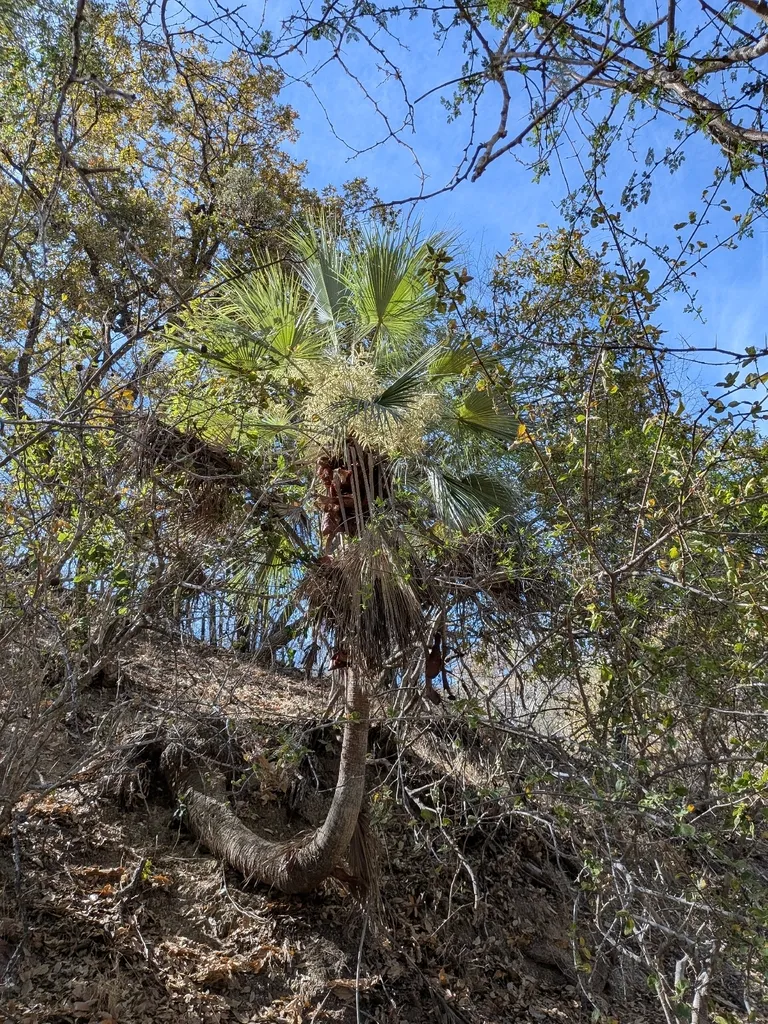
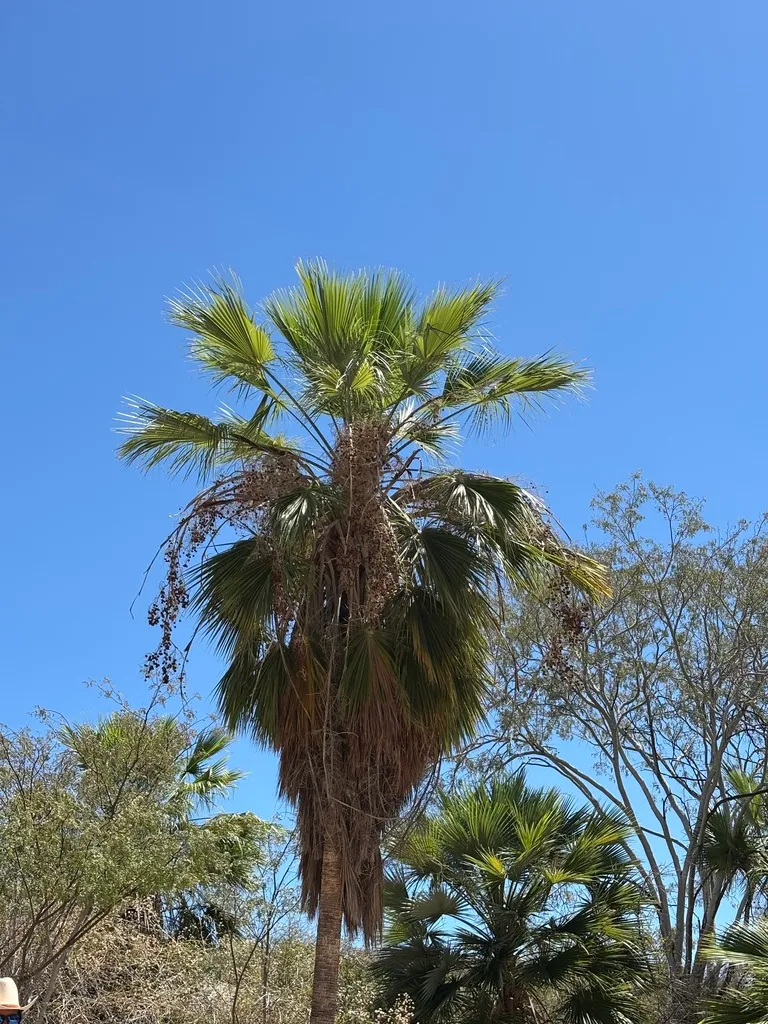
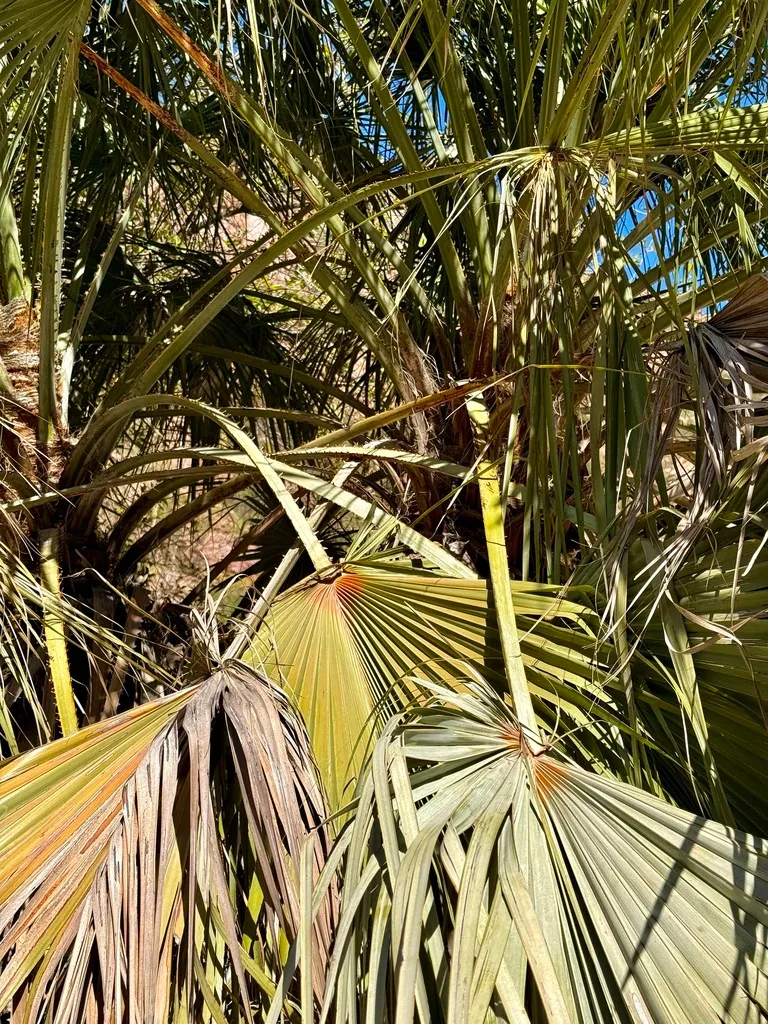
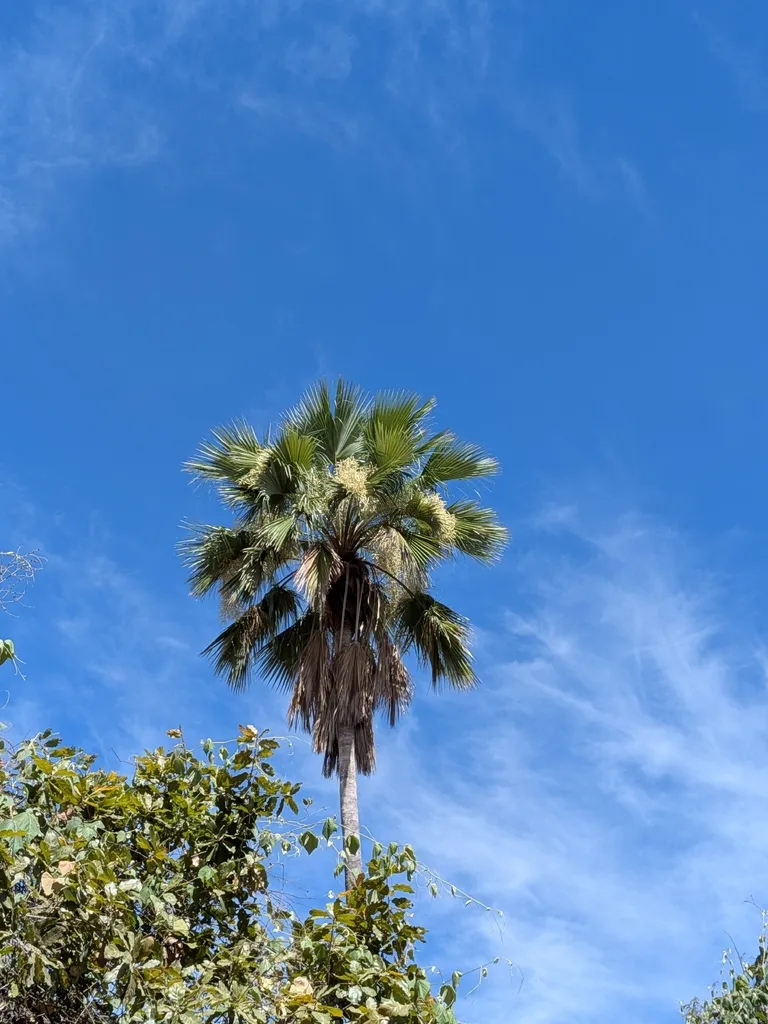
A frost-tender single-stemmed palm with large, pleated, fan-like leaves, 1m (3ft) or more across. These emerge green above with blue-grey undersides. In summer it bears cream flowers on branched stems (panicles). The trunk is thickest at the base and tapers upwards
Scientific classification
- Species
- San José hesper palm (Brahea brandegeei)
- Genus
- Brahea
- Family
- Arecaceae
- Information to be completed
- Toxicity
- Palms
- Plant type
- 8-12 metres
- Height
- 4-8 metres
- Spread
- Evergreen
- Foliage
- Columnar upright
- Habit
- Spring · Summer · Autumn · Winter
- Season of interest
- Full sun
- Sunlight
- Information to be completed
- Ideal temperature









San José hesper palm pictures
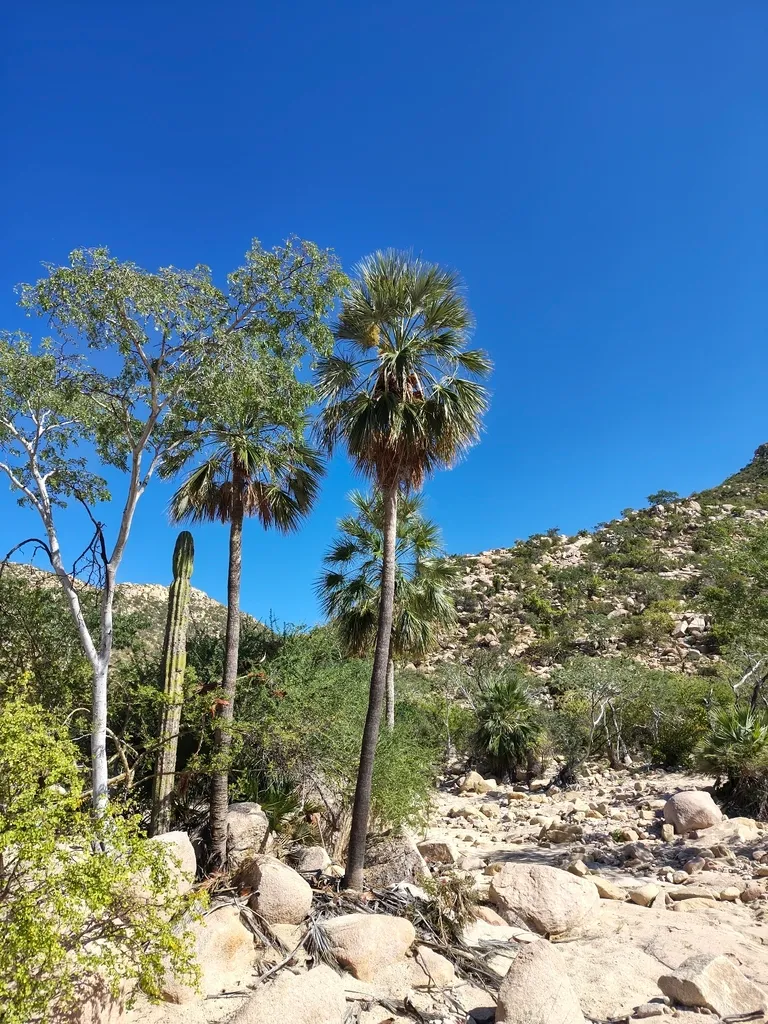
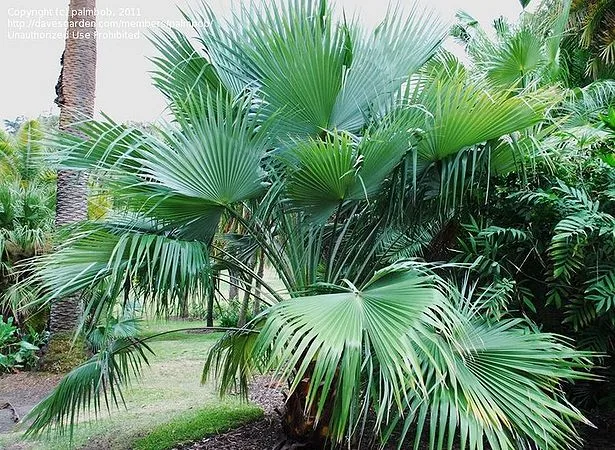
Distribution of San José hesper palm
Distribution map
Baja California
Information to be completed
Culture
Information to be completed
Toxicity
Information to be completed
Quick identification of San José hesper palm
Information to be completed
San José hesper palm care guide
- Moderate regular watering, avoid prolonged drought or waterlogging
- Watering
- Full sun
- Sunlight
- Information to be completed
- Ideal temperature

Watering
Moderate regular watering, avoid prolonged drought or waterlogging
Fertilizing
 Fertilizing
Balanced feed in spring and light repeat in growth season
Pruning
 Pruning
No pruning required. Remove the lowest withered leaves (fronds) to improve appearances and leave a clear trunk.
Propagation
 Propagation
Sow seed at 23-27°C (73-81°F) in spring.
Growing
 Growing
Grow under glass in loam-based potting compost in full light. In growth water moderately and apply a balanced liquid fertiliser monthly; water sparingly in winter. Pot on or topdress in spring. See: palm cultivation indoors. Outdoors, grow in well-drained soil in full sun; will tolerate poor dry soil. Frost-free conditions are necessary year-round or bring undercover during winter.
People also ask
Information to be completed
Common pests and diseases
Diseases
Generally disease-free.
Pests
May be susceptible to glasshouse red spider mite and scale insects.
Explore the plant health library →




