
liquorice plant
Also known as: Information to be completed
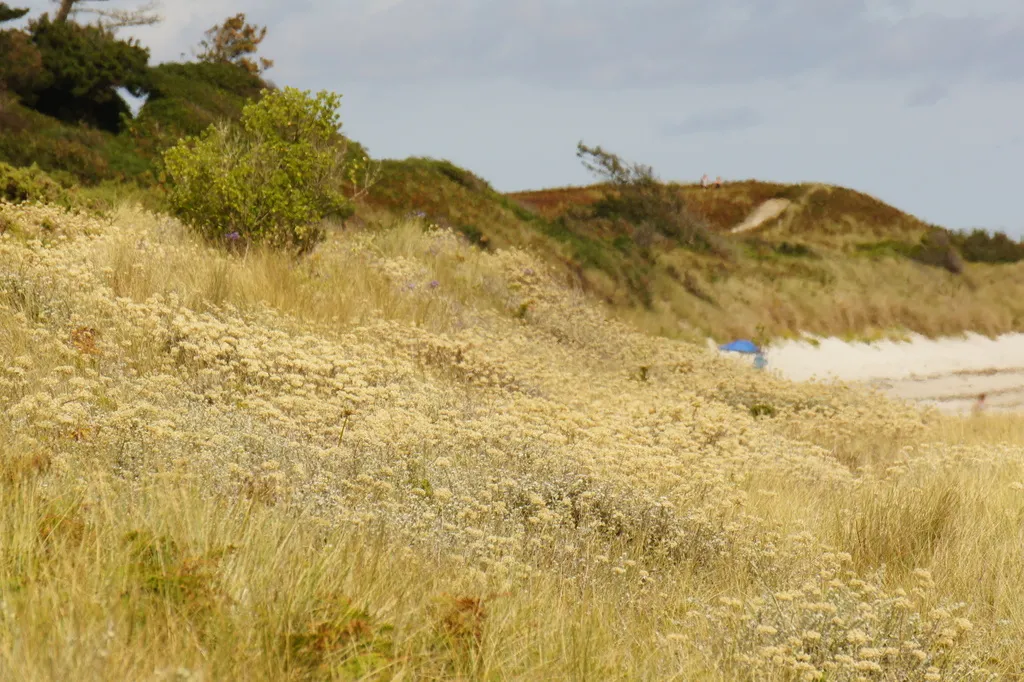
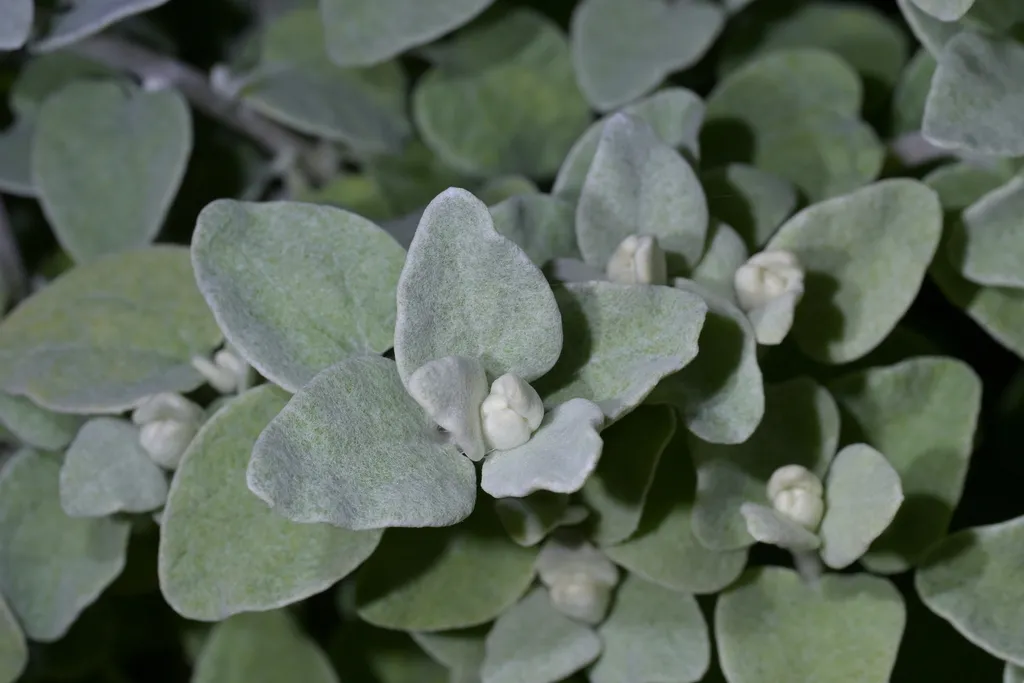
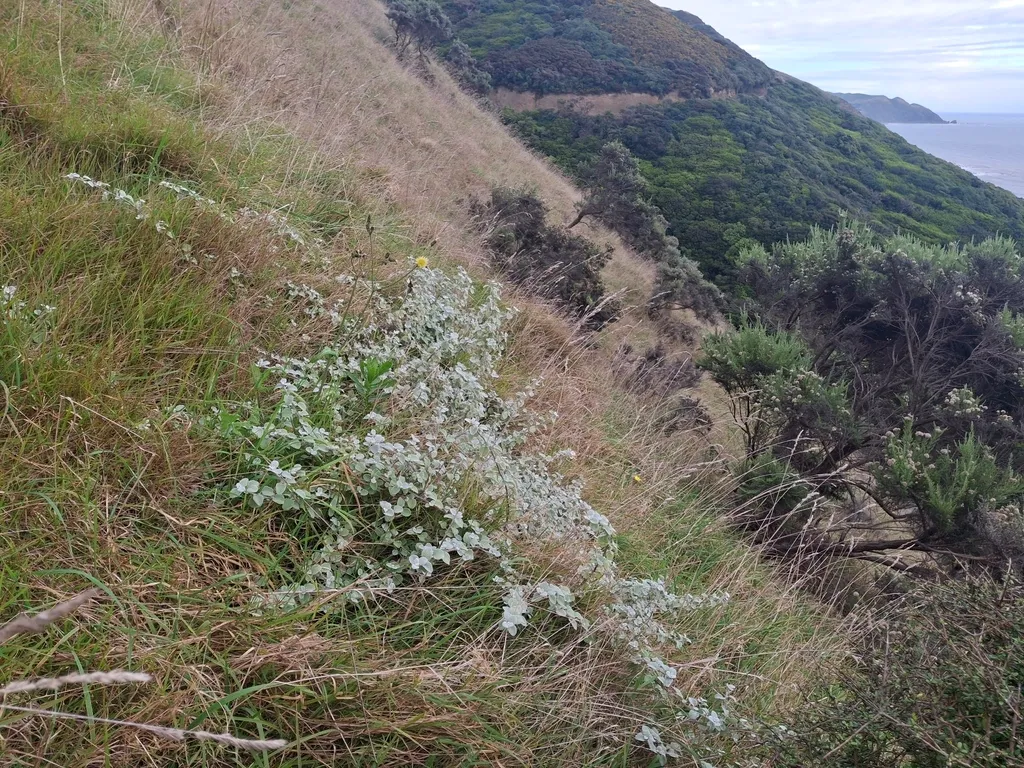
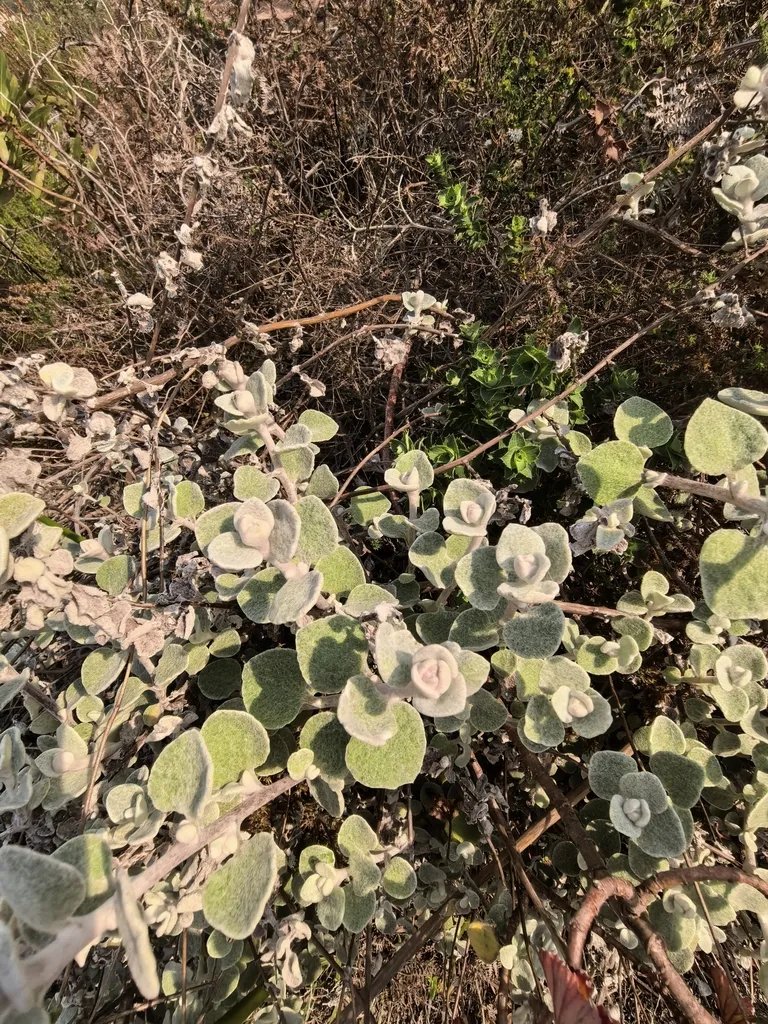
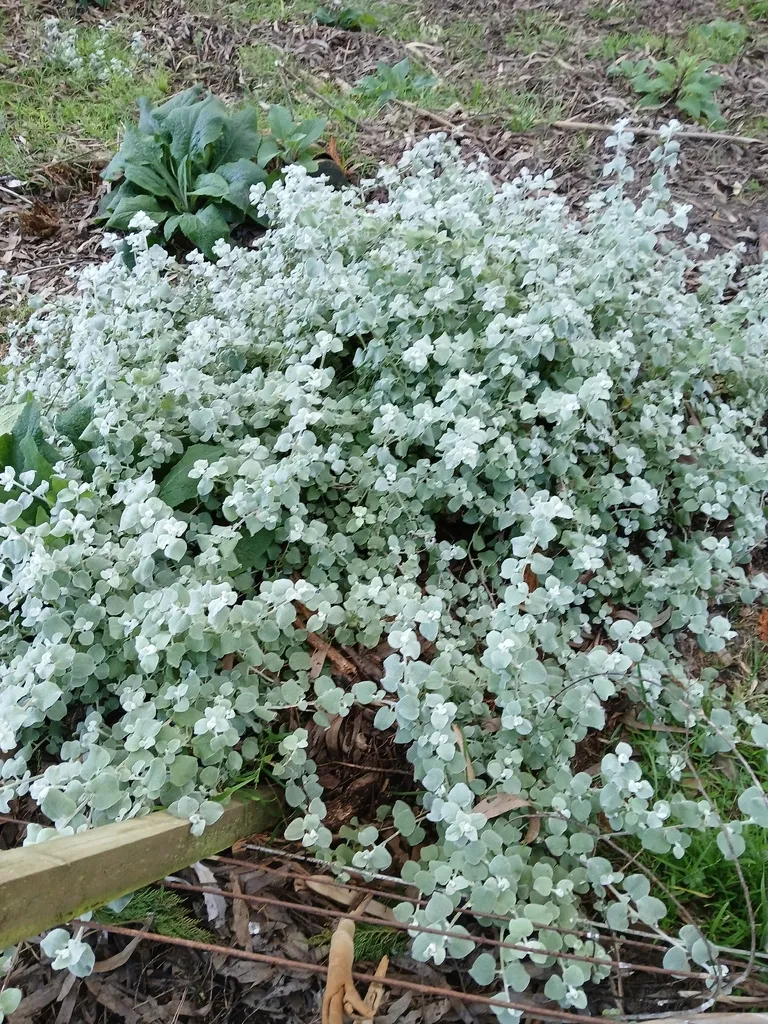
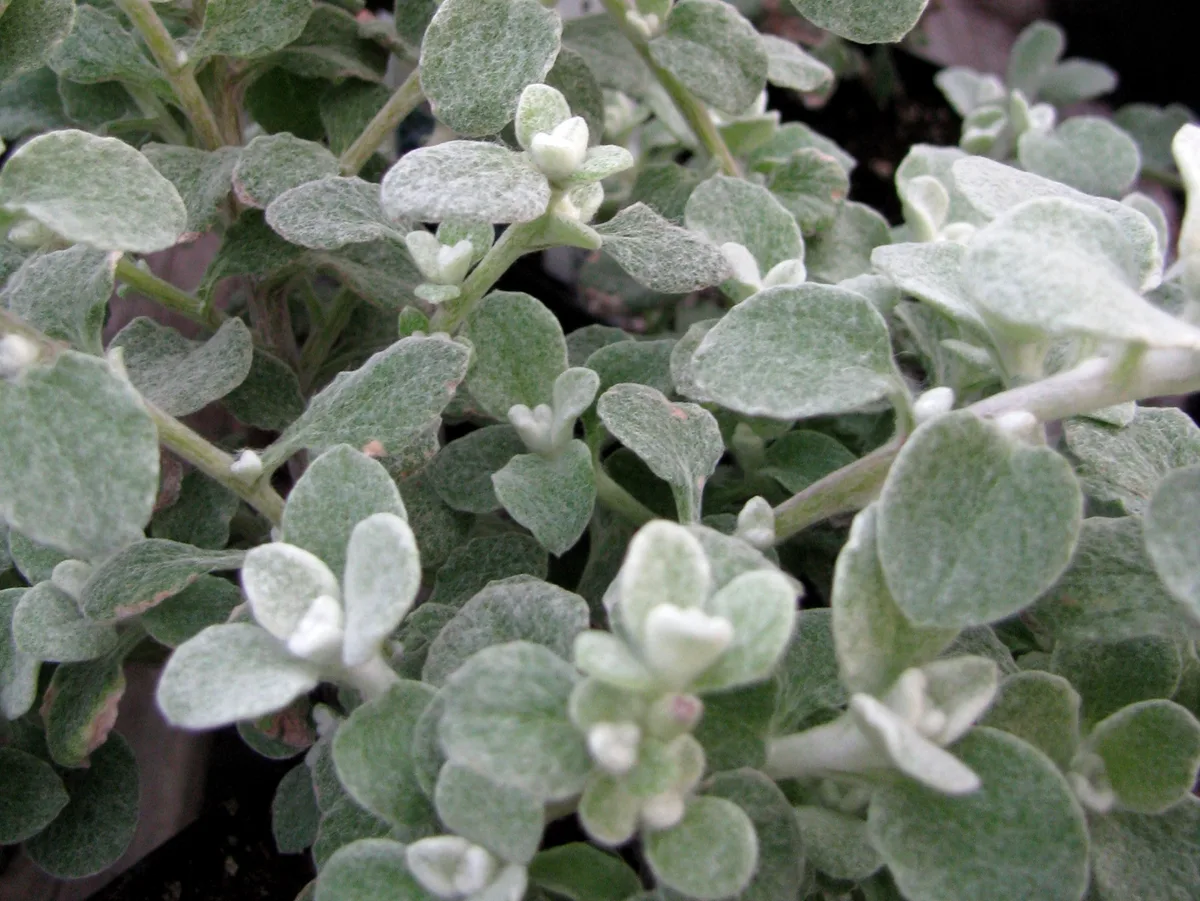
H. petiolare is a trailing sub-shrub to 45cm in height, with white stems bearing broadly ovate, grey-hairy, evergreen leaves, and small dull white flowerheads on erect stems in late summer and autumn
Scientific classification
- Species
- liquorice plant (Helichrysum petiolare)
- Genus
- Helichrysum
- Family
- Asteraceae
- Information to be completed
- Toxicity
- Bedding · Herbaceous Perennial
- Plant type
- 0.1-0.5 metres
- Height
- 1-1.5 metres
- Spread
- Evergreen
- Foliage
- Trailing
- Habit
- Spring · Summer · Autumn · Winter
- Season of interest
- Full sun
- Sunlight
- Information to be completed
- Ideal temperature









liquorice plant pictures
Distribution of liquorice plant
Distribution map
- Native
- Introduced
- Cultivated
Source:WCVP v16 · Royal Botanic Gardens, Kew · CC BY 3.0 · Boundaries:WGSRPD / TDWG
Culture
Information to be completed
Toxicity
Information to be completed
Quick identification of liquorice plant
Information to be completed
liquorice plant care guide
- Water moderately, allowing slight drying between waterings
- Watering
- Full sun
- Sunlight
- Information to be completed
- Ideal temperature

Watering
Water moderately, allowing slight drying between waterings
Fertilizing
 Fertilizing
Light flowering feed during spring and summer
Pruning
 Pruning
Trim as required
Propagation
 Propagation
Take softwood cuttings from the ends of non-flowering shoots in late summer or softwood cuttings in spring
Growing
 Growing
Grow in moderately fertile, well-drained soil in full sun. Water in prolonged dry spells
People also ask
Information to be completed
Common pests and diseases
Diseases
May be susceptible to honey fungus in gardens where it is present but insufficient data to determine degree of susceptibility. May also be susceptible to downy mildews and powdery mildews
Pests
Generally pest-free
Explore the plant health library →




