
black-eyed Susan
Also known as: bladder hibiscus; bladder ketmia; devil's head in a bush; flower of an hour; flower of the hour; goodnight at noon; modesty; trailing hollyhock; Venice mallow; Venus's mallow; African ketmia
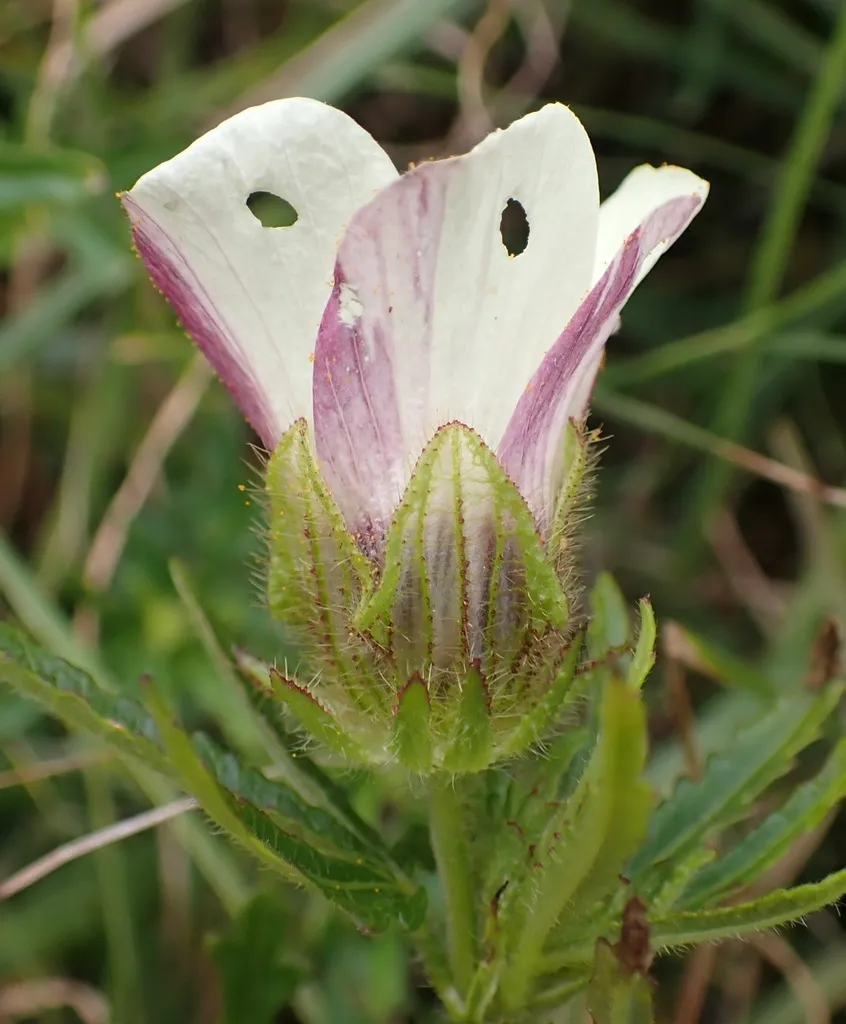
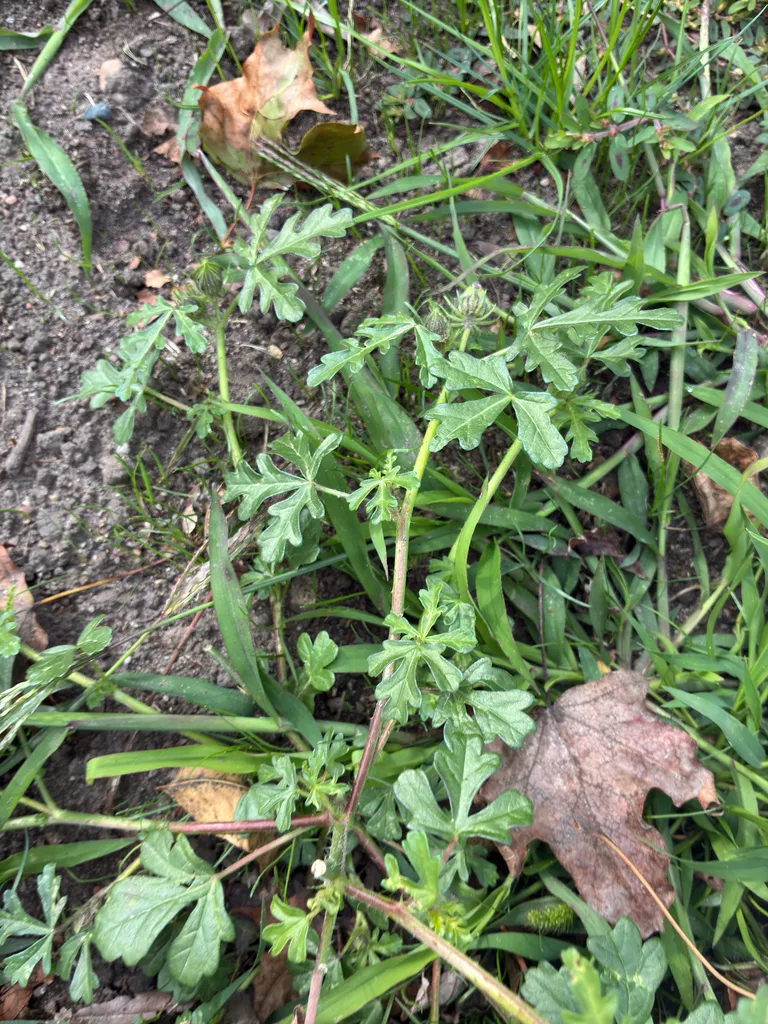
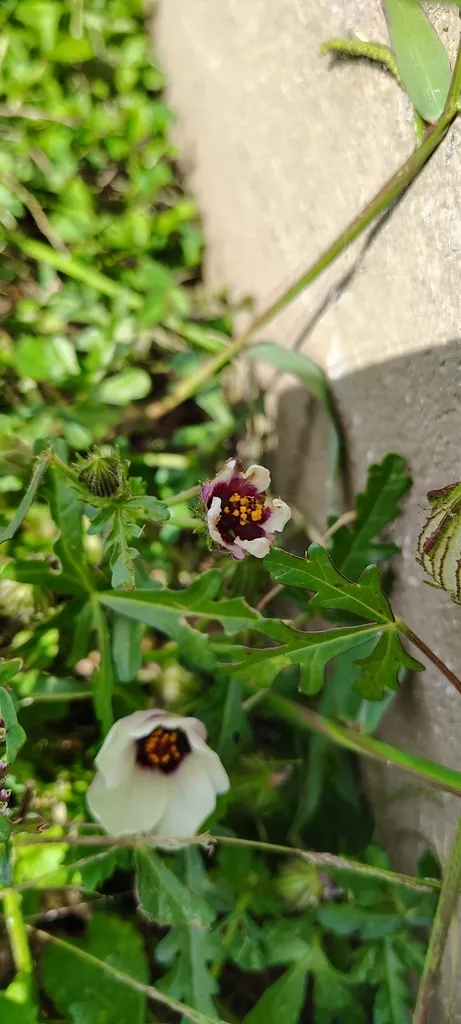
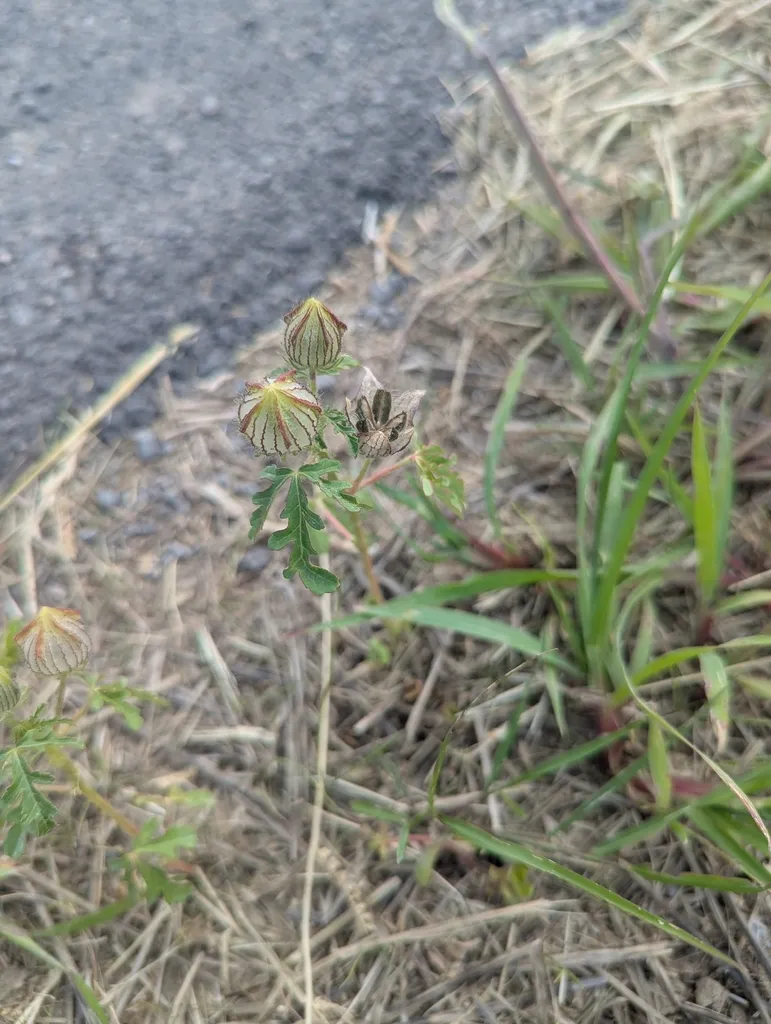
H. trionum is an upright annual, to 60cm tall, with oval, serrated leaves. The creamy-white or pale yellow flowers, with purplish-brown centres, are borne from late summer to early autumn and followed by bladder-like seed capsules
Scientific classification
- Species
- black-eyed Susan (Hibiscus trionum)
- Genus
- Hibiscus
- Family
- Malvaceae
- Information to be completed
- Toxicity
- Annual Biennial
- Plant type
- 0.5-1 metres
- Height
- 0.1-0.5 metres
- Spread
- Deciduous
- Foliage
- Columnar upright
- Habit
- Spring · Summer · Autumn
- Season of interest
- Full sun
- Sunlight
- Information to be completed
- Ideal temperature









black-eyed Susan pictures
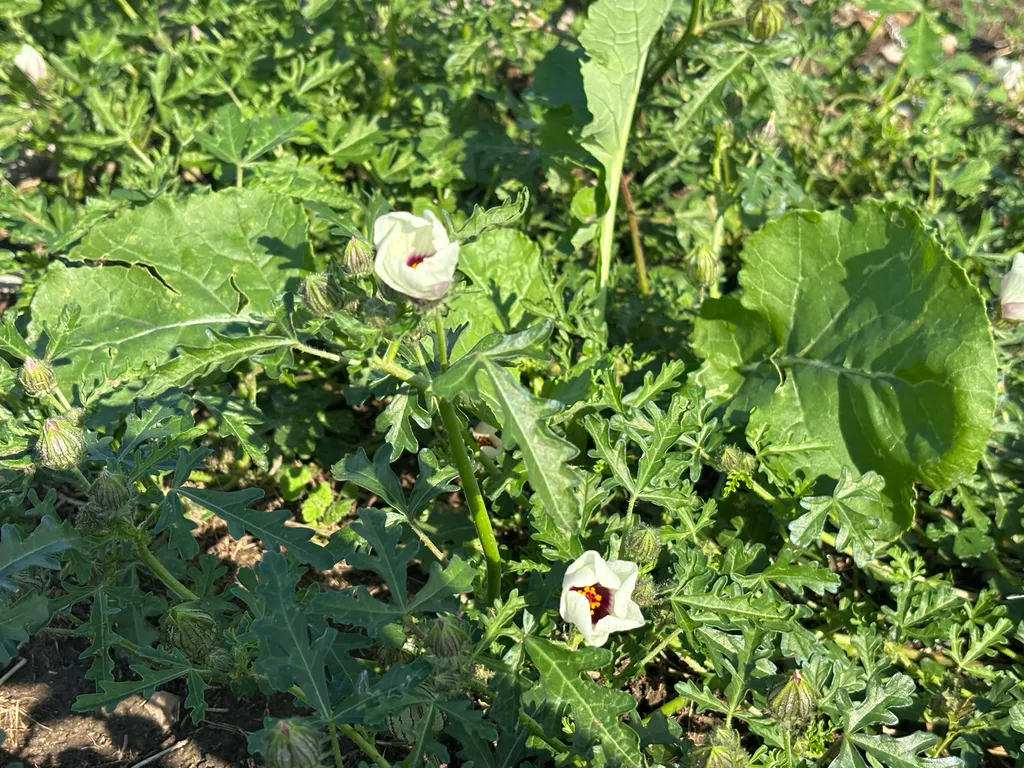
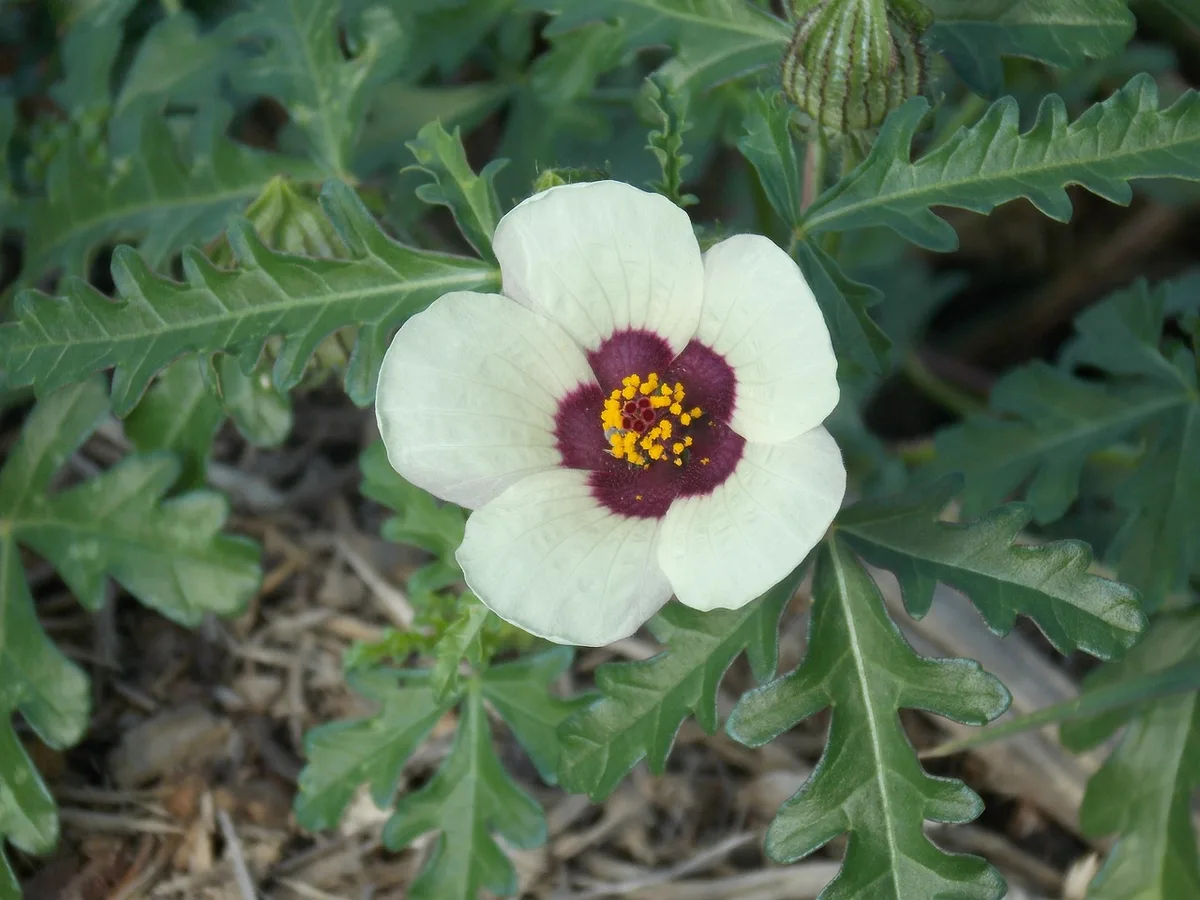
Distribution of black-eyed Susan
Distribution map
- Native
- Introduced
- Cultivated
Source:WCVP v16 · Royal Botanic Gardens, Kew · CC BY 3.0 · Boundaries:WGSRPD / TDWG
Culture
Information to be completed
Toxicity
Information to be completed
Quick identification of black-eyed Susan
Information to be completed
black-eyed Susan care guide
- Moderate regular watering, allowing brief slight drying between soakings
- Watering
- Full sun
- Sunlight
- Information to be completed
- Ideal temperature

Watering
Moderate regular watering, allowing brief slight drying between soakings
Fertilizing
 Fertilizing
Balanced perennial feed every four weeks from spring through summer
Pruning
 Pruning
None required
Propagation
 Propagation
Propagate by seed
Growing
 Growing
Plant outside when threat of frosts has passed and grow in a well-drained soil in full sun
People also ask
Information to be completed
Common pests and diseases
Diseases
May be susceptible to honey fungus (rarely) and powdery mildews
Pests
May be susceptible to aphids, scale insects, mealybugs and glasshouse whitefly when grown under glass
Explore the plant health library →




