
Paul's betony
Also known as: St Paul's betony; thyme-leaved speedwell
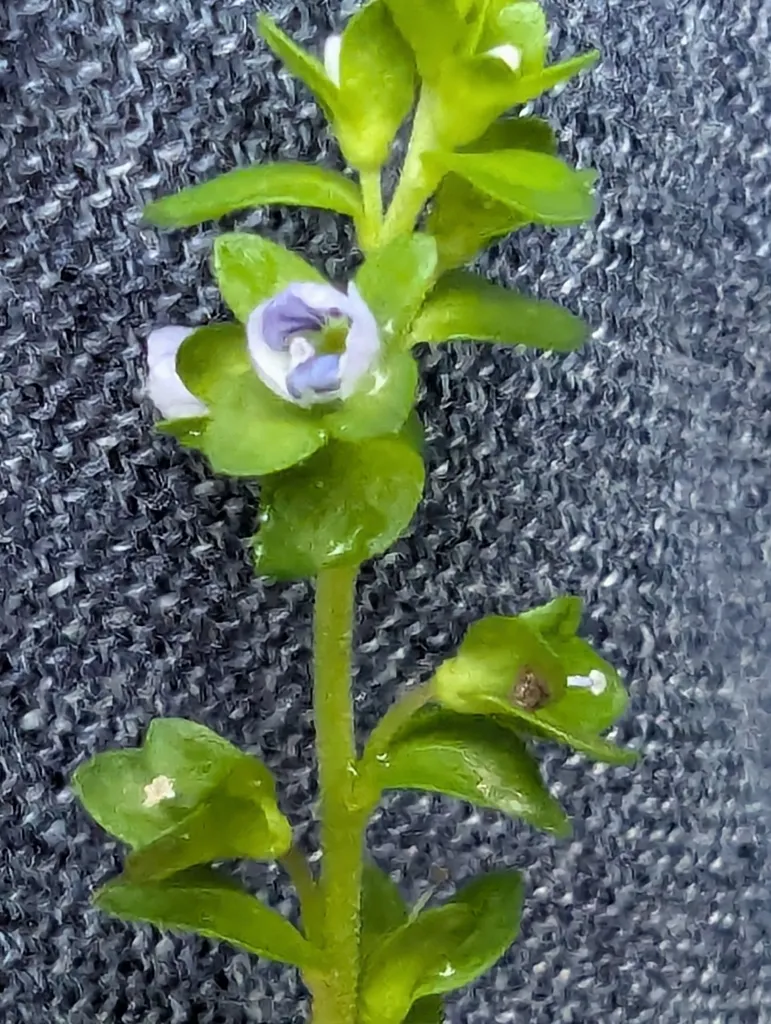
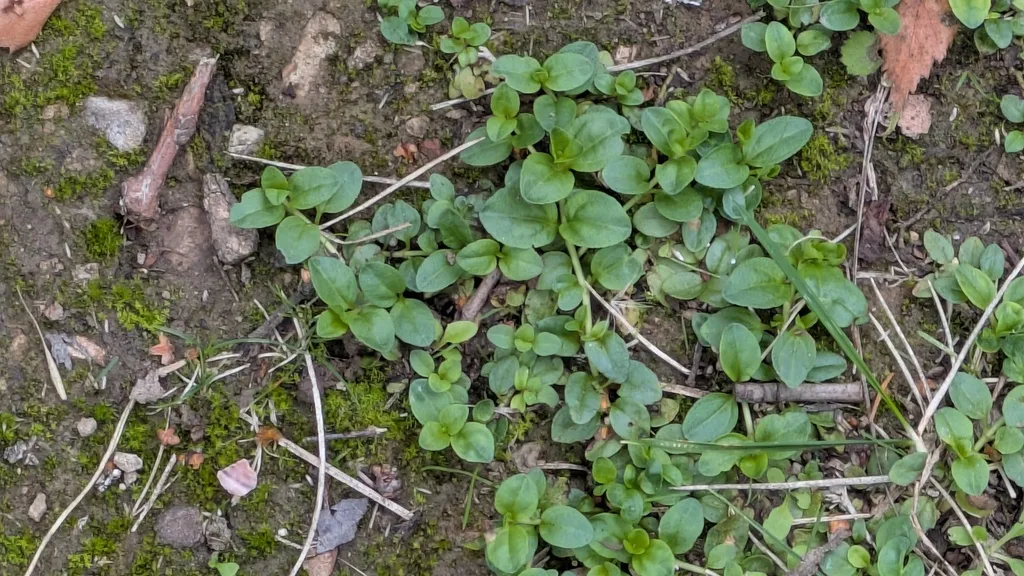
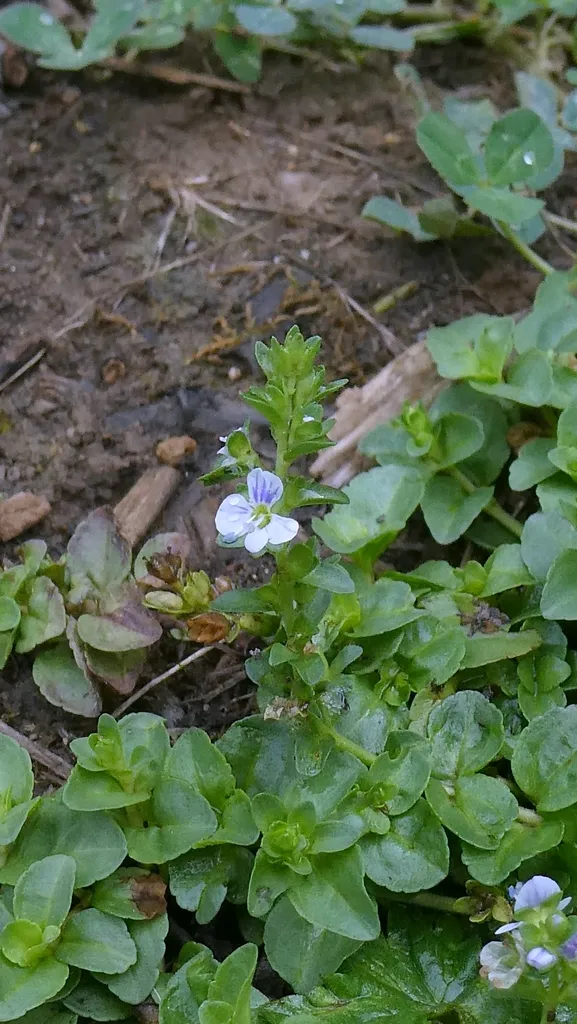
A low-growing, creeping perennial no more than 5cm high, with spreading stems and small, oval green leaves that are sometimes slightly toothed. Small pale blue or white flowers with darker blue veins are borne at the upright tips of the stems, from late spring through to early autumn
Scientific classification
- Species
- Paul's betony (Veronica serpyllifolia)
- Genus
- Veronica
- Family
- Plantaginaceae
- Information to be completed
- Toxicity
- Herbaceous Perennial
- Plant type
- Up to 10 cm
- Height
- 0.1-0.5 metres
- Spread
- Deciduous
- Foliage
- Matforming · Trailing
- Habit
- Spring · Summer · Autumn
- Season of interest
- Full sun · Partial shade
- Sunlight
- Information to be completed
- Ideal temperature









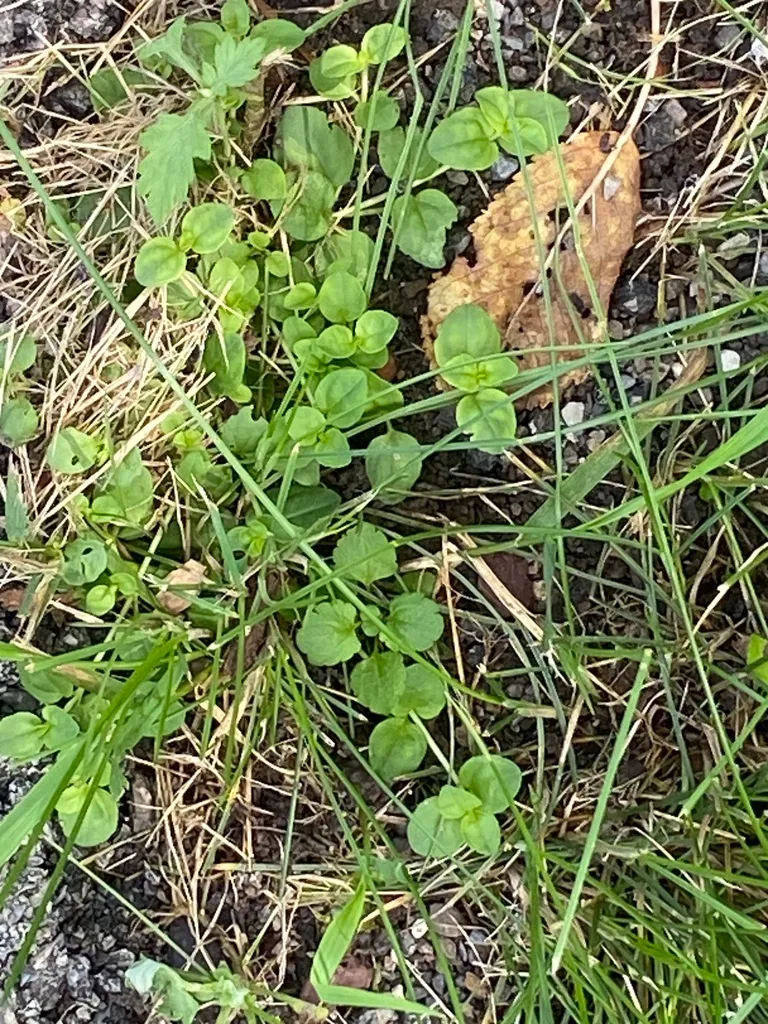
Paul's betony pictures
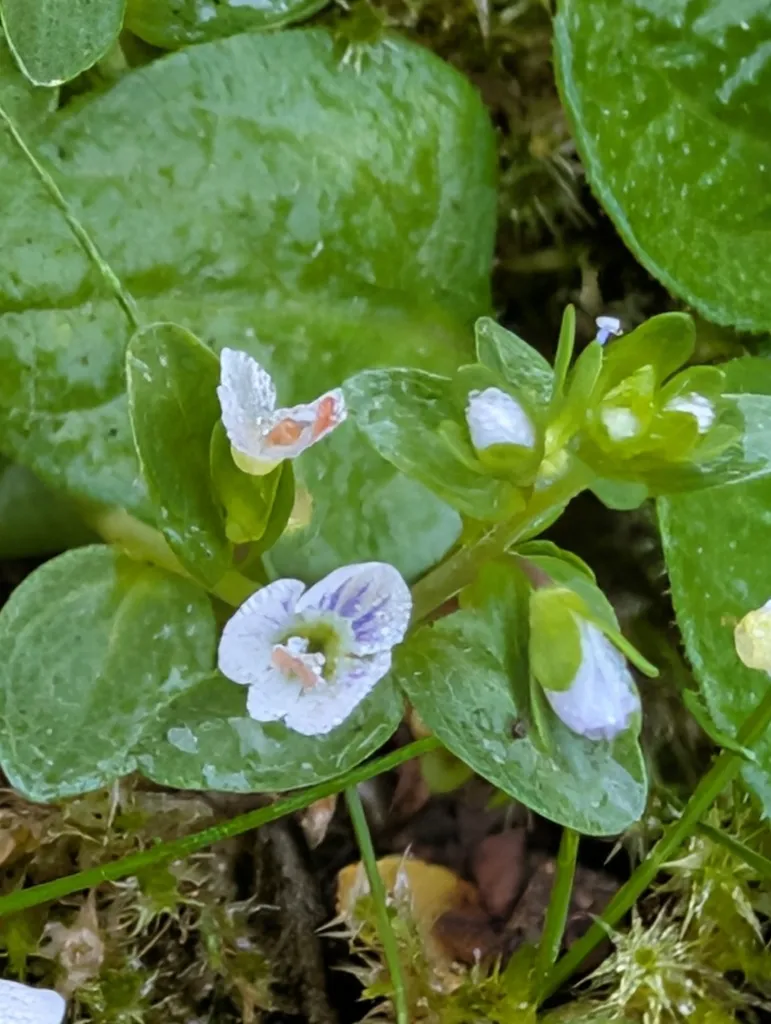
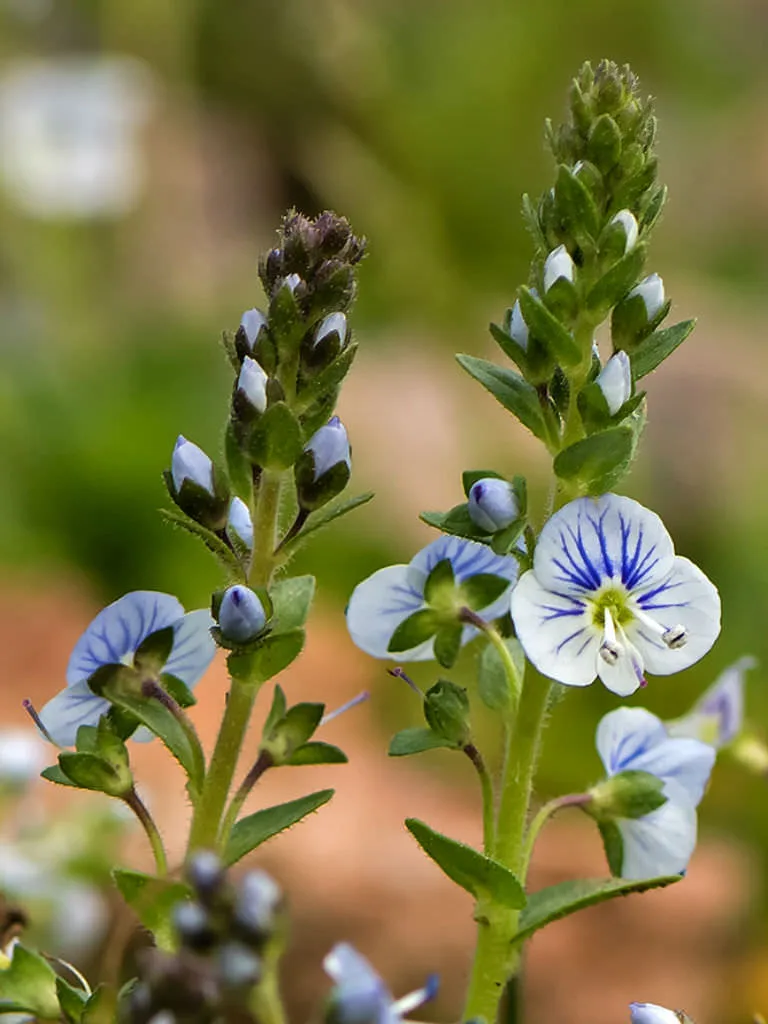
Distribution of Paul's betony
Distribution map
Information to be completed
Information to be completed
Culture
Information to be completed
Toxicity
Information to be completed
Quick identification of Paul's betony
Information to be completed
Paul's betony care guide
- Moderate regular watering, allowing brief slight drying between soakings
- Watering
- Full sun · Partial shade
- Sunlight
- Information to be completed
- Ideal temperature

Watering
Moderate regular watering, allowing brief slight drying between soakings
Fertilizing
 Fertilizing
Balanced perennial feed every four weeks from spring through summer
Pruning
 Pruning
No pruning required
Propagation
 Propagation
Propagate by seed or by division, spreads naturally by rooting at the stem nodes
Growing
 Growing
Grows in any moist but well-drained soil in sun or partial shade. Can be found growing in a range of environments including pastures, verges and waste ground. Tolerant of light foot traffic
People also ask
Information to be completed
Common pests and diseases
Diseases
May be susceptible to downy mildews, fungal leaf spot, fungal rot, Phytophthora and sometimes honey fungus
Pests
May be susceptible to aphids
Explore the plant health library →




